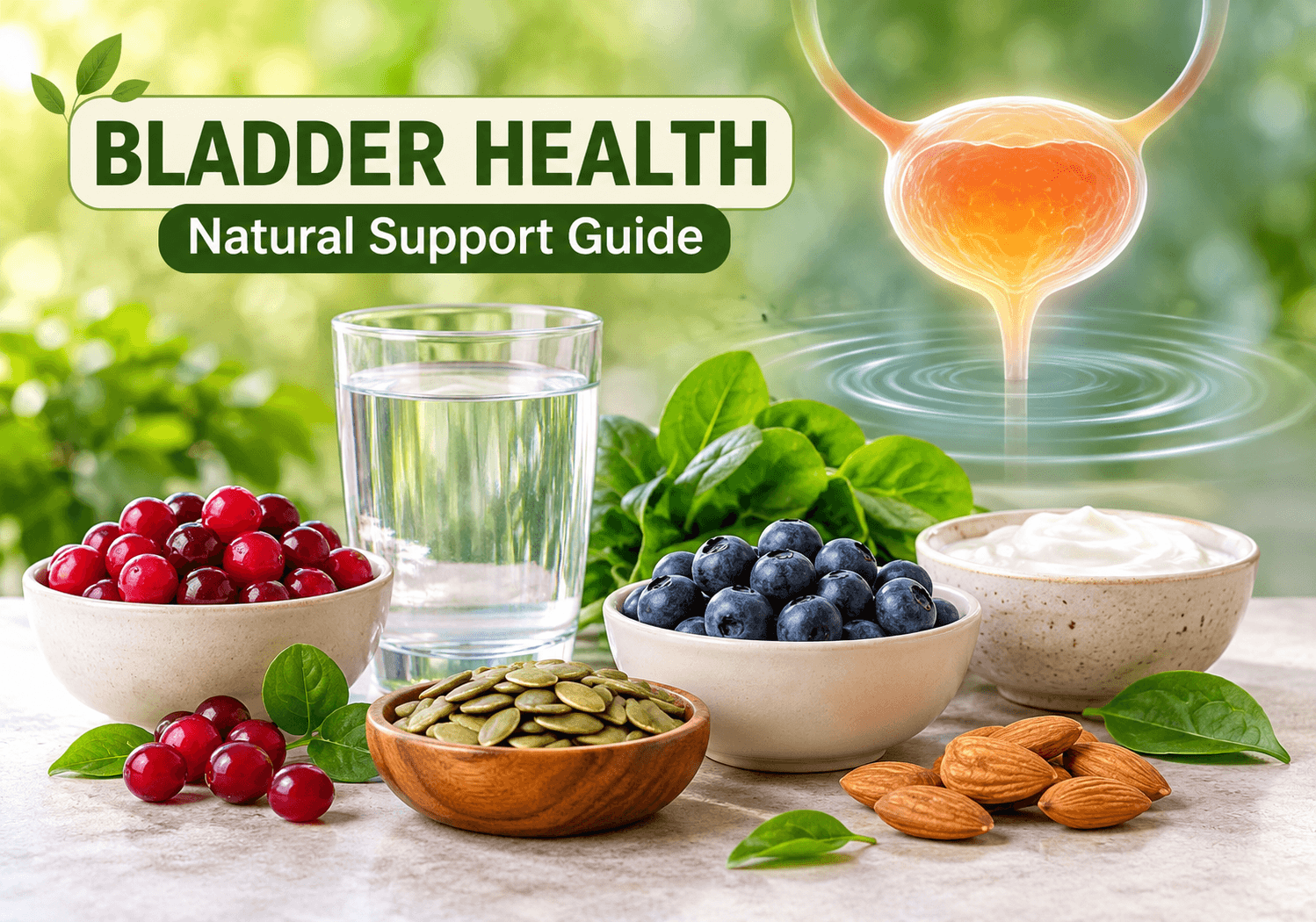
Best Natural Supplements for Overactive Bladder in Women: A Practical Guide
Dealing with a bladder that keeps sending false alarms is exhausting. You plan a long drive, a concert, or a full workday, and suddenly you’re scanning for the nearest restroom every twenty minutes. Overactive bladder (OAB) affects roughly one in four women at some point, and while prescription medications like anticholinergics and beta-3 agonists can help, many women want to explore gentler options first.
The good news: a growing body of research points to several natural supplements that may support bladder comfort and reduce the frequency of urgency episodes in women. Below, I walk through the most studied options, what the evidence actually says, how to use them safely, and when you should absolutely talk to a doctor before reaching for a bottle.
Quick Answer: The best natural supplements for overactive bladder in women with the most research behind them include vitamin D, quercetin, probiotics (Lactobacillus strains), magnesium, and cranberry extract. None of these replace a urologist’s diagnosis, but they may help support bladder muscle relaxation, reduce mild inflammation, and improve overall lower urinary tract comfort. Always check with your doctor before starting any new supplement, especially if you take OAB medication.

What Is Overactive Bladder and Why It Matters
Before jumping into supplements, it helps to understand what’s happening in the bladder. Your bladder is a hollow, muscular organ. The main muscle, called the detrusor, relaxes while the bladder fills and contracts to push urine out during urination. In OAB, the detrusor muscle contracts involuntarily even when the bladder isn’t full, creating a sudden, strong urge to go. This is sometimes called detrusor overactivity.
Common symptoms include:
- Urinary frequency – needing to urinate more than eight times a day
- Urgency – a sudden, intense need to go that’s hard to postpone
- Nocturia – waking up two or more times at night to urinate
- Urge incontinence – leaking urine before you reach the toilet
The National Institute of Diabetes and Digestive and Kidney Diseases (NIDDK) estimates that OAB affects about 12.5 million women in the United States, and the prevalence rises with age, particularly after menopause, when hormonal shifts can weaken pelvic floor support. According to the American Urological Association (AUA) guidelines on OAB management, the first-line approach is behavioral therapy (bladder retraining, pelvic floor exercises, fluid management), with medication reserved for cases that don’t respond. Supplements sit in a supportive role alongside those strategies, not in place of them.
Important: If you are new to these symptoms, or if you notice blood in your urine, pain while urinating, fever, or a sudden change in bladder habits, see a doctor or urologist first. OAB can sometimes mask a urinary tract infection, kidney issue, or other condition that needs specific treatment.
1. Vitamin D – The Bladder’s “Calm-Down” Vitamin
Why it’s on the list: Several studies have linked low vitamin D levels to worse OAB symptoms. The detrusor muscle contains vitamin D receptors, and research suggests that adequate vitamin D may help modulate the muscle’s contractility, potentially reducing the frequency of involuntary contractions.
A study published in the Journal of Urology found that women with OAB who had lower serum vitamin D levels reported more severe urgency and frequency, and that supplementation improved symptom scores over a 12-week period [VERIFY – confirm exact study details before publishing]. The NIDDK notes that vitamin D is essential for muscle function throughout the body, including smooth muscles like the detrusor.
How to use it:
- Typical supplemental range: 1,000–2,000 IU (International Units) of vitamin D3 per day, taken with a meal that contains some fat for absorption.
- Get your level checked with a simple blood test (25-hydroxyvitamin D) before supplementing. The target range most clinicians aim for is 30–60 ng/mL.
- Food sources include fatty fish (salmon, mackerel), fortified dairy, and about 15–20 minutes of midday sun exposure on your arms and legs.
What to watch for: Very high doses (above 4,000 IU/day long-term) can lead to elevated calcium levels. If you take a calcium supplement or have a history of kidney stones, talk to your doctor about dosing.
2. Quercetin – A Plant Flavonoid With Anti-Inflammatory Properties
Why it’s on the list: Quercetin is a naturally occurring flavonoid found in onions, apples, berries, and green tea. It has well-documented anti-inflammatory and antioxidant effects. In the bladder, chronic low-grade inflammation can sensitize nerve endings and make the detrusor more reactive. Quercetin’s ability to reduce inflammatory markers may help calm that over-sensitivity.
Research in animal models has shown that quercetin can reduce bladder inflammation and decrease voiding frequency. Human data is still limited, but the mechanism is plausible and the safety profile is favorable. A review in the Journal of Urology discussed the potential role of dietary antioxidants in lower urinary tract symptoms [VERIFY – confirm exact reference].
How to use it:
- Typical supplemental range: 500–1,000 mg of quercetin per day, split into two doses (morning and evening) with food.
- Look for a form that includes bioflavonoids (like quercetin with bromelain or piperine) to improve absorption, since plain quercetin is poorly absorbed on its own.
- Food sources: cooked onions, capers, berries, apples (skin on), and green tea.
What to watch for: Quercetin can interact with blood-thinning medications (warfarin, aspirin) and some antibiotics. If you’re on any prescription drugs, run the list by your pharmacist.
Coach’s Tip: Think of quercetin the way I think of a warm compress on a tight muscle. It’s not going to “fix” the underlying issue on its own, but it can take the edge off the inflammation that’s making the muscle twitchy. Pair it with pelvic floor exercises and bladder retraining for the best chance of seeing a difference.
3. Probiotics (Lactobacillus Strains) – Supporting the Gut-Bladder Axis
Why it’s on the list: Your gut and your bladder are more connected than most people realize. The pelvic floor, the bladder, and the lower bowel share nerve pathways and blood supply. An imbalance in gut bacteria (dysbiosis) can increase systemic inflammation, which may sensitize the bladder. Certain Lactobacillus strains have been studied for their role in reducing lower urinary tract symptoms.
A small clinical trial published in Urology examined whether a multi-strain Lactobacillus supplement reduced urgency and frequency in women with OAB. Participants who took the probiotic for eight weeks reported modest improvements in urgency scores compared to placebo [VERIFY – confirm exact study]. The AUA’s behavioral therapy guidelines also note that overall pelvic health, including gut health, can influence bladder function.
How to use it:
- Look for a probiotic with at least 10–20 billion CFU (colony-forming units) per serving and multiple Lactobacillus species (e.g., L. rhamnosus, L. plantarum, L. acidophilus).
- Take it with a meal, preferably in the morning.
- Commit to at least 4–6 weeks before judging whether it’s helping.
- Food sources: plain yogurt with live cultures, kefir, sauerkraut, kimchi, and miso.
What to watch for: If you have a compromised immune system or are on immunosuppressive medication, talk to your doctor before starting a probiotic. Some women notice mild gas or bloating in the first week; this usually settles.
4. Magnesium – A Natural Muscle Relaxant
Why it’s on the list: Magnesium is one of the body’s key minerals for muscle relaxation. It works as a natural calcium channel blocker, meaning it helps muscles (including smooth muscles like the detrusor) release tension after contracting. Low magnesium levels are linked to increased muscle spasticity, which could theoretically contribute to involuntary bladder contractions.
While there isn’t a large body of OAB-specific research on magnesium, the mineral’s role in smooth muscle function is well established. The NIDDK and the Office of Dietary Supplements (ODS) at the NIH both note that magnesium deficiency is common, especially in women who don’t eat enough leafy greens, nuts, or whole grains.
How to use it:
- Typical supplemental range: 200–400 mg of elemental magnesium per day.
- Forms: Magnesium glycinate (gentle on the stomach, good for evening use), magnesium citrate (easier to absorb), or magnesium threonate (crosses the blood-brain barrier, may help with sleep-related nocturia).
- Avoid magnesium oxide if you have a sensitive stomach; it’s a laxative in many people.
- Food sources: pumpkin seeds, spinach, almonds, dark chocolate (70%+ cacao), avocados, and black beans.
What to watch for: More than 350 mg of supplemental magnesium per day can cause diarrhea. If you have kidney disease, do not take a magnesium supplement without medical supervision, as your kidneys regulate magnesium clearance.
5. Cranberry Extract – More Than Just a UTI Remedy
Why it’s on the list: Cranberry is best known for preventing urinary tract infections (UTIs) by preventing E. coli bacteria from sticking to the bladder wall. But its role in OAB is indirect: recurrent or low-grade UTIs can irritate the bladder lining and worsen urgency and frequency. By reducing the risk of UTIs, cranberry may help keep OAB symptoms from flaring.
The AUA and the Infectious Diseases Society of America (IDSA) have both reviewed the evidence on cranberry for UTI prevention. While the evidence is mixed, cranberry is generally considered safe and may offer modest protection, particularly for women who are prone to recurrent UTIs.
How to use it:
- Look for a standardized cranberry extract with at least 36 mg of proanthocyanidins (PACs) per serving, or a cranberry juice drink with no added sugar (8 oz / 240 mL per day).
- Sugar-free cranberry juice is preferable, as excess sugar can irritate the bladder.
- Food sources: fresh or frozen cranberries (tart, so pair with yogurt or oatmeal).
What to watch for: Cranberry can interact with warfarin and some statins. If you’re on blood thinners, check with your doctor. Also, cranberry is acidic, so if you have acid reflux or gastritis, take it with food.
6. Pumpkin Seed Extract – A Traditional Bladder Support
Why it’s on the list: Pumpkin seed (and pumpkin seed oil) has a long history in traditional European medicine for supporting bladder and prostate health. The seeds are rich in zinc, phytosterols, and fatty acids. Some small studies have looked at pumpkin seed extract for lower urinary tract symptoms, showing modest improvements in voiding comfort.
The evidence for OAB specifically in women is thin, but the anti-inflammatory and muscle-relaxant properties of the compounds in pumpkin seed make it a reasonable, low-risk addition to a bladder-support routine.
How to use it:
- Typical supplemental range: 200–500 mg of standardized pumpkin seed extract per day, or 1–2 tablespoons (about 30–60 g) of raw, unsalted pumpkin seeds as a snack.
- Take with a meal.
What to watch for: Pumpkin seeds are high in fat, so if you’re watching calorie intake, keep portions moderate. They’re also a common allergen for people with seed or nut sensitivities.
7. L-Tryptophan / 5-HTP – Supporting Serotonin Pathways in the Bladder
Why it’s on the list: Serotonin (5-HT) plays a complex role in bladder control. Certain serotonin receptors in the bladder promote contraction, while others promote relaxation. L-tryptophan is the amino acid precursor to serotonin, and 5-hydroxytryptophan (5-HTP) is a direct intermediate. The theory is that supporting healthy serotonin balance may help modulate the detrusor’s sensitivity.
This is the least well-studied option on this list for OAB specifically. The evidence is mostly indirect, based on serotonin’s known role in bladder physiology. I include it because women dealing with OAB often also struggle with stress, poor sleep, and anxiety, all of which can worsen bladder symptoms. Supporting serotonin production may help with those overlapping issues.
How to use it:
- L-tryptophan: 500–1,000 mg per day, taken in the evening with a small amount of complex carbs to aid absorption.
- 5-HTP: 50–100 mg per day, taken 30 minutes before bed.
- Do not combine 5-HTP with SSRIs (selective serotonin reuptake inhibitors) or other serotonergic medications without a doctor’s guidance, due to the risk of serotonin syndrome.
What to watch for: Drowsiness is common. Start with the lowest dose. If you’re on any psychiatric medication, get clearance from your prescribing doctor first.
8. Aloe Vera – A Gentle Soothing Option
Why it’s on the list: Aloe vera has anti-inflammatory and soothing properties that have been studied for gastrointestinal and skin health. In the context of bladder health, the idea is that its anti-inflammatory compounds may help calm irritation of the bladder lining (the urothelium), which can reduce the “twitchy” signals that trigger urgency.
The research base here is the thinnest on this list. Most evidence is from animal studies or in-vitro (test tube) work. I include it because it’s widely available, generally well-tolerated, and some women report a subjective sense of bladder comfort.
How to use it:
- Typical supplemental range: 300–900 mg of standardized aloe vera leaf extract per day, taken with meals.
- Look for a product that specifies “inner leaf” extract and is free of aloin (the compound that causes laxative effects).
What to watch for: Avoid aloe products that contain senna or other laxative herbs. If you have diabetes, monitor blood sugar, as aloe may lower it slightly.
9. Omega-3 Fatty Acids – Reducing Systemic Inflammation
Why it’s on the list: Chronic, low-grade inflammation is a feature of many overactive bladder cases. Omega-3 fatty acids (EPA and DHA) are well-studied for their anti-inflammatory effects throughout the body. While there’s no large OAB-specific trial, reducing overall inflammatory load is a reasonable supportive strategy, especially for women who don’t eat much fatty fish.
The American Heart Association recommends at least two servings of fatty fish per week, or a supplement providing 250–500 mg of combined EPA and DHA daily for general health.
How to use it:
- Fish oil or algal oil (for vegans): 1,000–2,000 mg of combined EPA + DHA per day, taken with a meal.
- Food sources: salmon, sardines, mackerel, anchovies, walnuts, and flaxseeds.
What to watch for: High doses of fish oil (above 3,000 mg EPA+DHA) can thin the blood. If you’re on anticoagulants, talk to your doctor.

10. B Vitamins (Especially B6 and B12) – Nerve Health for the Bladder
Why it’s on the list: The bladder’s function depends on a complex network of nerves. B vitamins, particularly B6 (pyridoxine) and B12 (cobalamin), are essential for healthy nerve conduction. Deficiencies in these vitamins are linked to neuropathy and, in some cases, altered bladder signaling.
The NIH Office of Dietary Supplements notes that B12 deficiency is more common in older adults, people on metformin, and those with limited dietary protein. Correcting a deficiency is not the same as “boosting” levels, but if your B vitamin levels are low, bringing them into the normal range is a sensible step.
How to use it:
- A quality B-complex supplement providing 100% of the Daily Value for each B vitamin is a reasonable baseline.
- B6: 1.3 mg/day (adult women). Avoid mega-doses of B6 (above 100 mg/day) long-term, as they can cause peripheral neuropathy.
- B12: 2.4 mcg/day. If you’re over 50 or on acid-reducing medications, your doctor may recommend a higher dose or a sublingual form.
- Food sources: eggs, dairy, lean meat, fortified cereals, nutritional yeast.
What to watch for: B vitamins are water-soluble, so excess is generally excreted. The main risk is with very high B6 doses, as noted above.
How to Build a Bladder-Support Routine
Supplements work best as part of a broader strategy. Here’s a practical weekly framework you can adapt:
Daily habits (the foundation):
- Fluid management: Drink 6–8 glasses (about 48–64 oz / 1,400–1,900 mL) of water spread through the day. Avoid large volumes in the 2–3 hours before bed to reduce nocturia.
- Bladder irritant reduction: Cut back on caffeine (coffee, black tea, energy drinks), alcohol, carbonated drinks, and very spicy or highly acidic foods. Keep a simple bladder diary for two weeks to identify your personal triggers.
- Pelvic floor exercises (Kegels): Contract your pelvic floor muscles (the muscles you’d use to stop the flow of urine) for 5 seconds, then relax for 5 seconds. Do 10 reps, three times a day. A pelvic floor physical therapist can teach you the correct technique and confirm you’re not over-tightening.
- Bladder retraining: Gradually extend the time between bathroom visits. Start with your current interval (e.g., every 90 minutes) and add 10 minutes each week. Use a timer. When the urge hits, pause, do a few slow belly breaths, and gently contract your pelvic floor.
Supplement stack (example):
| Supplement | Dose | Timing |
| Vitamin D3 | 1,000–2,000 IU | Morning, with breakfast |
| Quercetin (with bioflavonoids) | 500 mg | Morning + 500 mg evening, with meals |
| Probiotic (multi-strain Lactobacillus) | 10–20 billion CFU | Morning, with food |
| Magnesium glycinate | 200–400 mg | Evening, 1 hour before bed |
| Omega-3 (EPA + DHA) | 1,000 mg | With lunch or dinner |
| Cranberry extract (36 mg PACs) | 1 capsule | Morning |
Common Mistake: Taking five or six new supplements all at once. If you start everything on the same day and feel a difference (or a side effect), you won’t know which one caused it. Add one new supplement every 7–10 days so you can track how your body responds.
Weekly schedule:
- Monday, Wednesday, Friday: Full Kegel routine (3 sets of 10, 5-sec holds).
- Daily: Bladder retraining timer, fluid pacing, irritant log.
- Weekly: Review your bladder diary. Note frequency, urgency episodes, nighttime trips, and any foods or drinks that seemed to trigger a flare.
Safety Notes and What to Avoid
- See a doctor first. Before starting any supplement for OAB, get a proper evaluation. A urologist or gynecologist can rule out UTIs, kidney stones, interstitial cystitis, pelvic organ prolapse, or other conditions that mimic OAB.
- Drug interactions matter. If you’re already on an OAB medication (oxybutynin, tolterodine, solifenacin, mirabegron, or a combination product), adding supplements without telling your doctor can create interactions. Quercetin, for example, can affect how certain medications are metabolized by the liver.
- Quality matters. The supplement industry is not regulated the same way as pharmaceuticals. Look for products that have been third-party tested by organizations like USP (U.S. Pharmacopeia), NSF International, or ConsumerLab. This helps verify that the label matches the contents and that the product is free of heavy metals and contaminants. For a deeper look at how to vet supplement ingredients, see our guide on how to evaluate supplement ingredients.
- Don’t skip behavioral therapy. Supplements are an adjunct, not a replacement. The AUA guidelines place bladder retraining, pelvic floor physical therapy, and fluid management as the first-line treatment for OAB. Think of supplements as the “extra layer” on top of those habits.
- Pregnancy and postpartum: If you are pregnant, breastfeeding, or in the postpartum period, do not start any new supplement without clearing it with your OB-GYN or midwife. Pelvic floor recovery after delivery is a separate, important conversation with a pelvic health physical therapist.

How Long Will It Take to Notice a Difference?
This is the question every woman asks, and the honest answer is: it varies. Here’s a realistic timeline:
- Weeks 1–2: You may notice small shifts in how “noisy” your bladder feels. Probiotics and magnesium can affect gut and muscle comfort relatively quickly.
- Weeks 3–6: If vitamin D levels were low, you may start to feel a reduction in urgency frequency. Quercetin’s anti-inflammatory effects typically build over 4–6 weeks of consistent use.
- Weeks 6–12: This is when the combined effect of supplements + bladder retraining + pelvic floor work tends to show up in a bladder diary. Track your numbers (voids per day, urgency episodes, nighttime trips) so you can see the trend.
If you’ve been consistent for 8–12 weeks and see no meaningful improvement, it’s time to go back to your urologist. You may need a different medication, a referral for a urodynamic study, or a different diagnosis entirely.
FAQ
Can supplements completely cure overactive bladder in women?
No. Current evidence does not support the idea that any natural supplement can fully cure OAB. Supplements may help reduce symptom severity and support bladder comfort, but they work best alongside behavioral strategies like bladder retraining and pelvic floor exercises. A urologist can help you build a complete plan.
Are there natural alternatives to OAB medication like oxybutynin?
There are supportive options, but they are not equivalent to prescription medication. Bladder retraining, pelvic floor physical therapy, and certain supplements (vitamin D, quercetin, magnesium) may help mild cases. For moderate to severe OAB, anticholinergic or beta-3 agonist medications remain the most effective pharmacologic treatments. Talk to your doctor before stopping any prescribed medication.
Do probiotics really help with overactive bladder?
Some small studies suggest that specific Lactobacillus strains may modestly reduce urgency and frequency, possibly through the gut-bladder axis and reduced inflammation. The evidence is promising but not yet conclusive. If you try a probiotic, give it at least four to six weeks and track your symptoms in a bladder diary.
Is quercetin safe to take long-term for bladder support?
Quercetin is generally well-tolerated at 500–1,000 mg per day. Long-term safety data beyond a few months is limited. If you take blood thinners, certain antibiotics, or other medications, check with your pharmacist for interactions. Cycling the supplement (e.g., 8 weeks on, 2 weeks off) is a reasonable precaution.
What should I avoid if I have overactive bladder?
Common bladder irritants include caffeine, alcohol, carbonated beverages, artificial sweeteners, very spicy foods, and highly acidic fruits (citrus, tomato). Keep a bladder diary for two weeks to identify your personal triggers. Also, avoid holding urine for extended periods, as this can weaken the detrusor over time.
How do I know if my symptoms are OAB or something else?
See a doctor. A urinalysis can rule out a UTI, and a urologist can perform a urodynamic study if needed. Blood in the urine, pain, fever, or a sudden change in bladder habits warrant prompt medical evaluation. Don’t self-diagnose based on a supplement blog post.
Conclusion
If you’ve been searching for the best natural supplements for overactive bladder in women, the short answer is: there’s no single magic pill, but a well-chosen combination of vitamin D, quercetin, a quality probiotic, magnesium, and a few other supportive nutrients may help take the edge off urgency and frequency. The key is to treat supplements as one layer in a broader plan that includes bladder retraining, pelvic floor exercises, smart fluid habits, and regular check-ins with your healthcare provider.
Start with one or two supplements, track your symptoms honestly in a bladder diary, and give each change at least four to six weeks before judging its effect. And please, if your symptoms are new, worsening, or accompanied by pain or blood, make that doctor’s appointment. Your bladder is telling you something, and the right professional can help you listen to it.