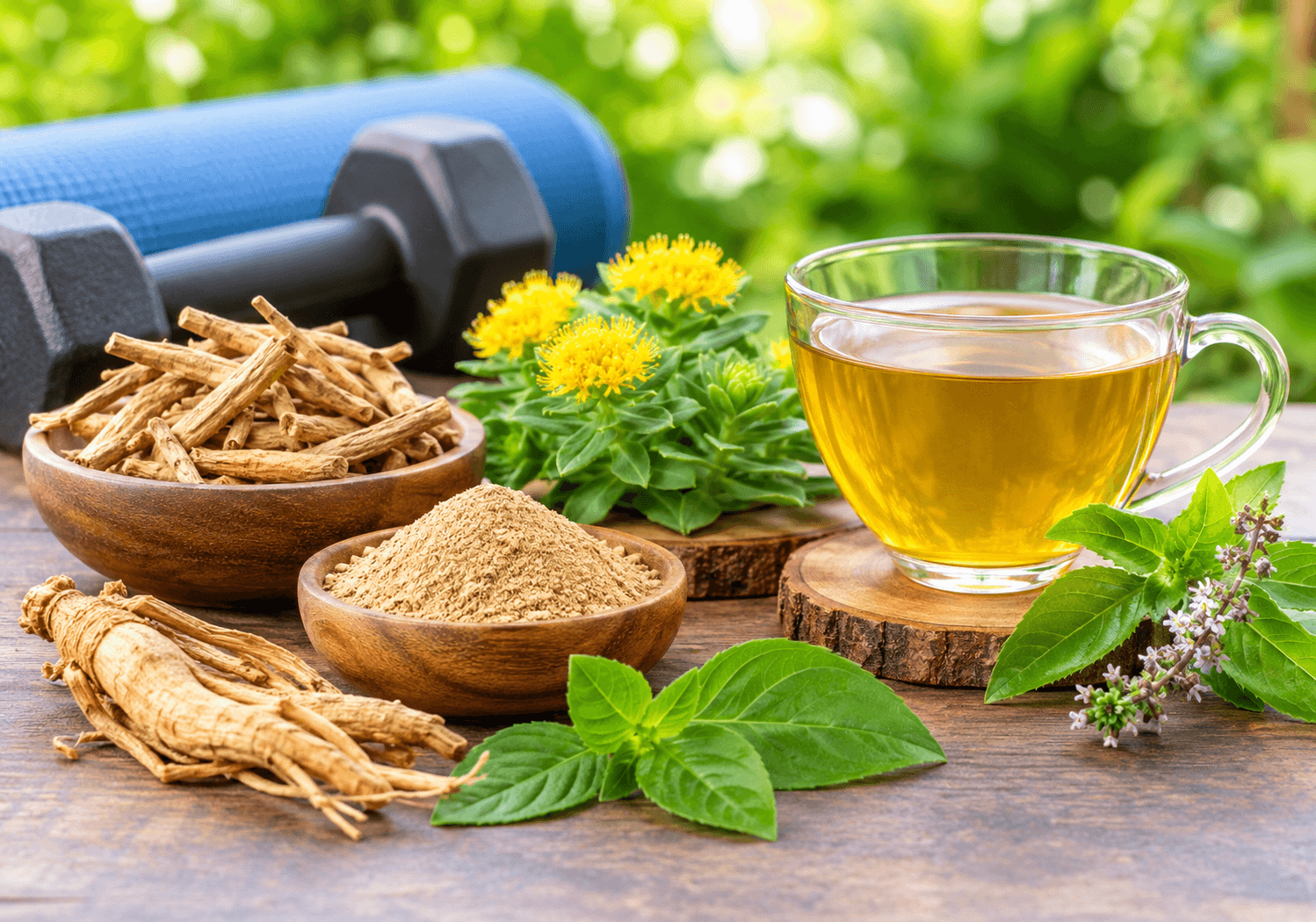
Chronic stress does more than just ruin your mood; it actively changes how your body stores fat and produces energy. If you are battling unexplained weight gain and constant exhaustion, you are not alone. Finding the best adaptogen supplements for stress-related weight gain and fatigue can be a game-changer for your health. As a strength and conditioning coach, I see clients struggle with this exact triad: high stress, stubborn belly fat, and zero energy. The good news is that nature offers powerful, evidence-based tools to help your body rebalance.
Adaptogens are unique herbs and mushrooms that help your body resist physical, chemical, and biological stressors. Unlike caffeine, which forces your nervous system into overdrive, adaptogens work by modulating your body’s stress response. This guide will walk you through the science, the top evidence-backed options, and exactly how to use them to reclaim your energy and support a healthy metabolism.
Quick Answer
The best adaptogen supplements for stress-related weight gain and fatigue include Ashwagandha (for cortisol reduction), Rhodiola Rosea (for mental and physical fatigue), and Holy Basil (for blood sugar regulation). For optimal results, choose third-party tested supplements with standardized extracts, take them consistently for 4 to 6 weeks, and pair them with adequate sleep and balanced nutrition.
How Chronic Stress Causes Weight Gain and Fatigue
To understand how supplements can help, we must first look at what stress does to your body. When you experience chronic stress, your hypothalamic-pituitary-adrenal (HPA) axis stays activated. This leads to persistently elevated levels of cortisol, the primary stress hormone.
High cortisol triggers several metabolic changes. First, it increases appetite, particularly for high-sugar and high-fat foods, making it harder to manage cravings during a calorie deficit. Second, cortisol promotes the storage of visceral fat, which is the stubborn fat around your abdomen. Third, chronic stress disrupts your sleep architecture. Poor sleep directly impacts what affects metabolism and body weight, creating a vicious cycle of fatigue and weight gain.
When your nervous system is stuck in “fight or flight” mode, your body prioritizes immediate survival over long-term metabolic health. This is why traditional diet and exercise advice often fails for highly stressed individuals. You cannot out-train a dysregulated HPA axis. Supporting your body’s stress response is a foundational step in restoring metabolic balance.
How Adaptogens Work in the Body
Adaptogens are a specific class of herbal remedies that help the body maintain homeostasis. The term “adaptogen” was coined in 1947, but these herbs have been used in Traditional Chinese Medicine and Ayurveda for thousands of years.
For an herb to be classified as a true adaptogen, it must meet three criteria: it must be non-toxic at normal doses, it must help the body handle stress, and it must have a normalizing effect on bodily processes.
Instead of forcing a specific outcome like a stimulant does, adaptogens act like a thermostat. If your cortisol is too high, certain adaptogens help lower it. If your energy is too low, others help gently raise it. Research shows that adaptogens interact with the HPA axis and the sympathoadrenal system, helping to regulate the release of stress hormones and protect cells from oxidative stress. By calming the nervous system, they indirectly support how sleep affects metabolism and weight management, creating a better environment for healthy body composition.
Top 6 Adaptogen Supplements for Stress and Fatigue
Not all adaptogens are created equal. Different herbs have different strengths. Below are the six most researched adaptogens for managing stress, supporting healthy weight, and fighting fatigue.
1. Ashwagandha (Withania somnifera)
Best for: Cortisol reduction and stress-related weight management.
Ashwagandha is arguably the most well-researched adaptogen for stress. Multiple studies show that high-concentration full-spectrum ashwagandha root extract safely and effectively improves an individual’s resistance to stress and improves self-assessed quality of life. By lowering cortisol, it helps mitigate the hormonal drivers of abdominal fat storage.
- Who it’s for: Individuals with high anxiety, poor sleep, and stress-induced weight gain.
- Key Features: Look for patented extracts like KSM-66 or Sensoril, standardized to 5% withanolides. Typical dose is 300–600 mg per day.
- Pros: Strong clinical backing, improves sleep quality, reduces cortisol by up to 30% in some trials.
- Cons: Can cause mild stomach upset or drowsiness in some users.
- Coach’s Protocol: Take 300–600 mg in the evening with a small amount of fat (like a spoonful of nut butter) to enhance absorption and promote restful sleep.
2. Rhodiola Rosea
Best for: Mental and physical fatigue without the jitters.
Rhodiola is a stimulating adaptogen that thrives in cold, mountainous regions. It is highly effective for combating burnout and fatigue. Research indicates that Rhodiola can improve symptoms of stress and fatigue, particularly in continuous stressful situations. It works by influencing neurotransmitters like serotonin and dopamine, and by enhancing cellular energy production.
- Who it’s for: Busy professionals, students, or athletes experiencing mental burnout and afternoon energy crashes.
- Key Features: Look for extracts standardized to 3% rosavins and 1% salidroside. Typical dose is 200–400 mg per day.
- Pros: Fast-acting (often felt within days), improves focus, does not cause caffeine-like crashes.
- Cons: Can be overstimulating if taken too late in the day.
- Common Mistake: Taking Rhodiola on an empty stomach, which can cause mild nausea. Always take it with breakfast.

3. Holy Basil (Tulsi)
Best for: Blood sugar regulation and mild, daily stress relief.
Holy Basil, or Tulsi, is revered in Ayurveda as a promoter of longevity and metabolic health. Beyond its calming effects on the mind, Holy Basil has been shown to help regulate blood glucose levels and lipid profiles. Since blood sugar spikes and crashes are major drivers of fatigue and cravings, Tulsi is a smart choice for metabolic support.
- Who it’s for: People who experience stress-eating, sugar cravings, or mild daily anxiety.
- Key Features: Standardized leaf extract. Typical dose is 300–600 mg per day, or consumed as a daily tea.
- Pros: Very gentle, supports healthy blood sugar, tastes pleasant as a tea.
- Cons: Has mild blood-thinning properties; not ideal for those on anticoagulant medications.
- Coach’s Protocol: Brew 1–2 cups of organic Tulsi tea in the late afternoon to wind down and prevent evening snacking.
4. Panax Ginseng (Asian Ginseng)
Best for: Physical endurance, focus, and immune support.
Panax Ginseng is a potent adaptogen known for its energizing properties. It contains active compounds called ginsenosides, which have been shown to improve cognitive performance and physical stamina. By supporting cellular energy and reducing inflammation, it helps combat the physical drag of chronic stress.
- Who it’s for: Individuals needing a robust energy boost for workouts or demanding physical jobs.
- Key Features: Standardized to 4–7% ginsenosides. Typical dose is 200–400 mg per day.
- Pros: Strong energy and focus enhancement, supports immune function.
- Cons: May interact with caffeine, blood pressure medications, or diabetes drugs.
- Coach’s Protocol: Cycle this adaptogen. Use it for 2–3 weeks during high-demand periods, then take a 1-week break to prevent tolerance.
5. Maca Root
Best for: Hormone balance, mood, and sustained daily energy.
Maca is a cruciferous vegetable native to the Andes. While technically a nutritive adaptogen, it is renowned for supporting endocrine function, particularly in women. It does not contain hormones itself but provides nutrients that support the body’s own hormone production. This can be incredibly helpful for fatigue related to hormonal fluctuations.
- Who it’s for: Women over 40, individuals with low libido, or those seeking a gentle, nutrient-dense energy lift.
- Key Features: Gelatinized maca powder is easier to digest than raw maca. Typical dose is 1,500–3,000 mg (1.5 to 3 grams) per day.
- Pros: Rich in vitamins and minerals, supports mood and libido, very safe for long-term use.
- Cons: Raw maca can cause bloating; the powder has a distinct, earthy, malty taste.
- Coach’s Protocol: Mix 1 teaspoon (about 3 grams) of gelatinized maca powder into a morning smoothie or oatmeal for sustained energy.
6. Cordyceps Mushroom
Best for: Cellular energy (ATP) production and workout recovery.
Cordyceps is a medicinal mushroom that has gained massive popularity in the fitness world. It is known to increase the body’s production of adenosine triphosphate (ATP), which is the primary energy currency of your cells. This makes it highly effective for fighting physical fatigue and improving oxygen utilization during exercise.
- Who it’s for: Athletes, gym-goers, or anyone whose fatigue is tied to physical exertion and poor recovery.
- Key Features: Look for fruiting body extract (not mycelium on grain). Typical dose is 1,000–2,000 mg per day.
- Pros: Enhances exercise performance, supports lung capacity, boosts cellular energy.
- Cons: Generally more expensive than herbal adaptogens; quality varies wildly between brands.
- Coach’s Protocol: Take 1,000 mg about 30–45 minutes before a workout or demanding physical task.
Adaptogen Comparison Table
| Adaptogen | Key Active Compound | Best For | Typical Daily Dose | Price Range |
| Ashwagandha | Withanolides (5%) | Cortisol reduction, sleep | 300–600 mg | 15–30 |
| Rhodiola Rosea | Rosavins (3%), Salidroside (1%) | Mental fatigue, burnout | 200–400 mg | 20–40 |
| Holy Basil | Eugenol, Ursolic acid | Blood sugar, mild stress | 300–600 mg | 15–25 |
| Panax Ginseng | Ginsenosides (4-7%) | Physical endurance, focus | 200–400 mg | 25–50 |
| Maca Root | Macamides, Macaenes | Hormone balance, mood | 1.5–3 grams | 15–30 |
| Cordyceps | Cordycepin, Adenosine | Cellular energy (ATP), stamina | 1,000–2,000 mg | 30–60 |
Note: Prices are estimated retail ranges for a 30- to 60-day supply of high-quality, third-party tested products. Always verify current pricing and specs.
How to Choose the Best Adaptogen Supplement for Your Goals
The supplement industry is notoriously under-regulated. To ensure you are getting a product that actually works, use this buyer’s checklist.
- Look for Standardized Extracts: A label that just says “Ashwagandha root powder” is not enough. You want to see “standardized to X% of active compounds” (e.g., 5% withanolides). This guarantees potency.
- Prioritize Third-Party Testing: Look for seals from independent labs like NSF Certified for Sport, Informed-Choice, or USP. This ensures the product contains what it claims and is free from heavy metals and contaminants.
- Check the Form: Capsules are convenient and tasteless. Powders are often more cost-effective per gram but may taste earthy. Tinctures absorb quickly but often contain alcohol. Choose the format that fits your lifestyle.
- Avoid Proprietary Blends: If a supplement lists an “adaptogen blend” but does not disclose the exact milligram amount of each herb, put it back on the shelf. You need to know the dose to ensure it is effective and safe.
- Consider Your Specific Goal: If your primary issue is evening anxiety and belly fat, choose Ashwagandha. If your primary issue is morning brain fog and exhaustion, choose Rhodiola. Targeted supplementation is more effective than a “kitchen sink” approach.
When evaluating your overall strategy, it is also wise to review which supplements may support weight management safely alongside your adaptogen routine.
How We Picked (Our Criteria)
The recommendations in this guide are based on strict, evidence-based criteria:
- Scientific Backing: Each herb listed has multiple peer-reviewed human trials supporting its use for stress, fatigue, or metabolic health.
- Safety Profile: We prioritized adaptogens with a long history of safe human consumption and low risk of severe side effects.
- Transparency: We only recommend looking for products that clearly state the part of the plant used (e.g., root vs. leaf) and the standardization percentage.
Practical Usage: Dosage, Timing, and Stacking
Taking adaptogens correctly is just as important as choosing the right one. Here is how to integrate them into your daily routine.
Easier Version (The Single-Herb Protocol): If you are new to adaptogens, start with just one. For example, take 300 mg of Ashwagandha with dinner. Monitor your sleep and stress levels for 4 weeks. This makes it easy to identify if the supplement is working or if it causes any mild side effects.
Harder Version (The Targeted Stack): Once you know how your body reacts, you can stack adaptogens based on their timing.
- Morning: 200 mg Rhodiola Rosea with breakfast to support focus and daytime energy.
- Afternoon: 1 cup of Holy Basil tea to manage afternoon cortisol spikes and prevent stress-eating.
- Evening: 300 mg Ashwagandha with dinner to lower cortisol and prepare the nervous system for deep sleep.

Coach’s Tip: Adaptogens are not magic pills. They work best when paired with foundational health habits. No supplement can fully offset the negative effects of chronic sleep deprivation or a highly processed diet. Use these herbs to support your efforts to boost metabolic flexibility without crash dieting and maintain a consistent, manageable exercise routine.
Safety Notes and Who Should Be Careful
While adaptogens are generally safe for most healthy adults, they are biologically active compounds and can interact with certain conditions or medications.
- Pregnancy and Breastfeeding: Most adaptogens lack sufficient safety data for pregnant or nursing women. Avoid them unless explicitly cleared by your obstetrician.
- Thyroid Conditions: Ashwagandha may increase thyroid hormone levels. If you have hyperthyroidism or are taking thyroid medication, consult your doctor first.
- Autoimmune Diseases: Because some adaptogens (like Ashwagandha and Ginseng) can stimulate the immune system, they may exacerbate conditions like rheumatoid arthritis, lupus, or multiple sclerosis.
- Blood Sugar and Blood Pressure Medications: Holy Basil, Ginseng, and Maca can lower blood sugar or blood pressure. If you are on medication for diabetes or hypertension, monitor your levels closely and talk to your physician to avoid dangerous drops.
Always introduce one new supplement at a time. If you experience persistent digestive upset, headaches, or increased anxiety, discontinue use immediately.
1. How long does it take for adaptogens to work for stress? Adaptogens are not fast-acting stimulants. While some people feel a subtle shift in energy within a few days (especially with Rhodiola), most clinical studies show that significant reductions in cortisol and fatigue take 4 to 6 weeks of consistent, daily use. Patience and consistency are key.
2. Can adaptogens cause weight gain? No, adaptogens themselves do not contain calories or ingredients that cause fat storage. In fact, by lowering cortisol and reducing stress-induced cravings, herbs like Ashwagandha and Holy Basil are frequently used to support healthy weight management. However, Maca root is calorie-dense in powder form, so account for it if you are strictly tracking calories.
3. What is the best time of day to take adaptogens? It depends on the herb. Stimulating adaptogens like Rhodiola Rosea and Panax Ginseng are best taken in the morning or early afternoon with food. Calming adaptogens like Ashwagandha are best taken in the late afternoon or evening to support wind-down and sleep quality.
4. Can I take adaptogens with my morning coffee? Yes, but with caution. Combining a stimulating adaptogen like Ginseng with high doses of caffeine may cause jitters or an elevated heart rate in sensitive individuals. If you are highly sensitive to stimulants, separate your coffee and your adaptogen by at least an hour, or switch to a calming adaptogen like Ashwagandha.
5. Are adaptogen supplements safe for daily, long-term use? Most adaptogens are safe for daily use over several months. However, many herbalists recommend “cycling” certain potent adaptogens, like Panax Ginseng. A common protocol is to take it for 2 to 3 weeks, followed by a 1-week break, to prevent the body from building a tolerance and to maintain effectiveness.
6. Can adaptogens replace my prescription anxiety or fatigue medication? No. Adaptogens are dietary supplements, not medications. They are intended to support the body’s natural resilience, not to treat, cure, or prevent clinical diseases like major depressive disorder or chronic fatigue syndrome. Never stop taking prescribed medications without consulting your doctor.
Conclusion
Dealing with the exhausting cycle of high stress, stubborn weight gain, and low energy is incredibly frustrating. However, you do not have to just “push through it.” Utilizing the best adaptogen supplements for stress-related weight gain and fatigue offers a scientifically supported, natural way to help your body recalibrate.
Whether you choose Ashwagandha to lower cortisol, Rhodiola to fight mental burnout, or Maca to support hormonal balance, the key is to choose high-quality, standardized, third-party tested products. Pair your supplement routine with foundational habits like prioritizing sleep, managing your workload, and eating nutrient-dense foods.
Remember that healing your stress response is a marathon, not a sprint. Give your body the time and consistent support it needs to find its balance again.