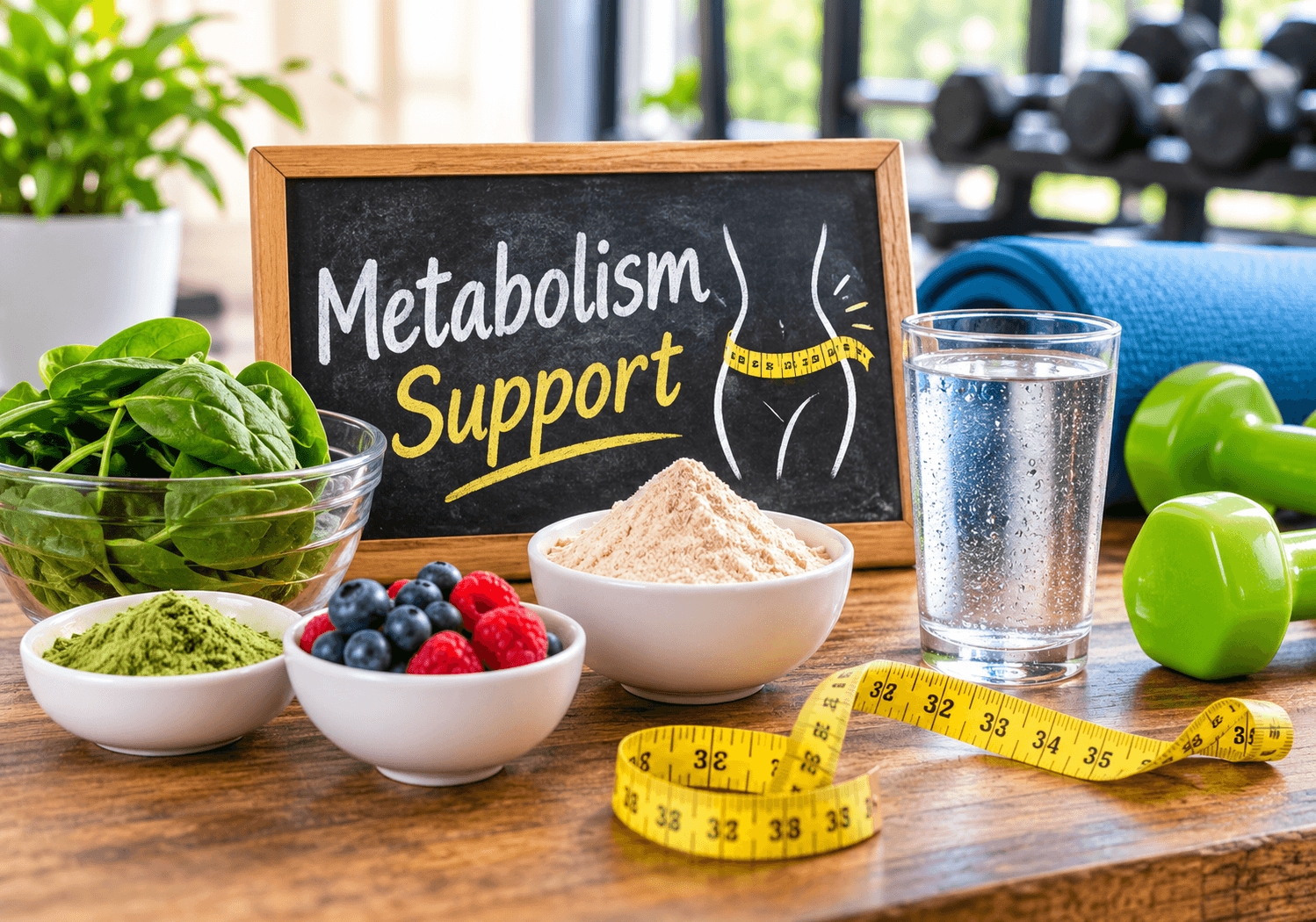
Navigating the supplement aisle can feel like walking through a minefield of false promises. Countless products claim to melt fat overnight, but most rely on under-dosed ingredients and flashy marketing. If you are tired of wasting money on gimmicks, you need to know which research-backed metabolism supplements for women that actually work exist.
As a certified strength and conditioning coach, I see clients struggle with metabolic slowdowns, especially as they age or navigate hormonal shifts. The truth is, no pill replaces a solid training program and a nutritious diet. However, specific, science-backed ingredients can provide a measurable edge. They support your resting metabolic rate, improve insulin sensitivity, and help manage hunger during a calorie deficit. This guide cuts through the noise to give you an evidence-based, practical breakdown of what to buy, how to use it, and what to avoid.
Quick Answer
The most research-backed metabolism supplements for women that actually work include berberine, green tea extract (EGCG), glucomannan fiber, and high-quality protein powder. These ingredients support resting metabolic rate, improve insulin sensitivity, and enhance satiety when paired with resistance training and a moderate calorie deficit. Always choose third-party tested products and consult your doctor before starting any new supplement regimen.
The Science of Female Metabolism: Why Context Matters
Before buying anything, you must understand how your metabolism functions. Your resting metabolic rate (RMR) accounts for about 60-75% of the calories you burn daily. This is the energy your body needs just to keep your heart beating, lungs breathing, and organs functioning.
Women often experience unique metabolic challenges. Hormonal fluctuations during the menstrual cycle, perimenopause, and menopause can alter insulin sensitivity and promote fat storage, particularly around the abdomen. Furthermore, women naturally have less skeletal muscle mass than men, which directly lowers RMR since muscle tissue is more metabolically active than fat tissue.
When we discuss research-backed metabolism supplements for women that actually work, we are not talking about dangerous stimulants that spike your heart rate. We are talking about compounds that support metabolic flexibility—your body’s ability to efficiently switch between burning carbohydrates and fats for fuel. By combining targeted nutrition, progressive resistance training, and specific supplements, you can protect your lean mass and keep your metabolic engine running smoothly.
Comparison Table: Top Metabolism-Supporting Ingredients
| Supplement Type | Key Active Ingredient | Best For | Typical Price Range |
| Blood Sugar Support | Berberine HCl (500mg) | Women with insulin resistance or carb cravings | $15 – $30 / month |
| Thermogenic Support | Green Tea Extract (EGCG) | Mild, stimulant-based metabolic boost | $15 – $25 / month |
| Appetite Control | Glucomannan Fiber | Reducing overall calorie intake naturally | $10 – $20 / month |
| Energy & Satiety | BHB Ketone Salts | Appetite suppression during low-carb phases | $25 – $50 / month |
| Muscle Preservation | Whey or Plant Protein | Boosting thermic effect of food (TEF) | $20 – $40 / month |
| Craving Management | Chromium Picolinate | Reducing sugar cravings and supporting macronutrient metabolism | $10 – $15 / month |
1. Berberine HCl Supplement
Berberine is a bioactive compound extracted from several plants, including goldenseal and barberry. It is widely recognized in clinical research for its ability to support healthy blood sugar levels, which is a cornerstone of metabolic health.
Who it’s for: Women over 40, those with a family history of insulin resistance, or anyone who experiences severe energy crashes and cravings after carbohydrate-heavy meals.
Key Features:
- Activates AMPK (AMP-activated protein kinase), often called the body’s “metabolic master switch.”
- Helps shuttle glucose into muscle cells rather than storing it as fat.
- Typically dosed at 500 mg, taken two to three times daily with meals.
The Science: Research published in the National Institutes of Health (NIH) database demonstrates that berberine can significantly improve insulin sensitivity and lower fasting blood glucose levels, performing similarly to some pharmaceutical interventions in clinical trials. When your blood sugar is stable, your body is less likely to store excess energy as fat.
Pros:
- Strong clinical backing for metabolic and blood sugar support.
- Non-stimulant, so it will not disrupt sleep or cause jitters.
- May support healthy cholesterol levels.
Cons:
- Can cause mild digestive upset (cramping, diarrhea) when first introduced.
- Must be taken multiple times a day due to a short half-life.
- Can interact with certain prescription medications.
2. Standardized Green Tea Extract (EGCG)
Green tea has been consumed for centuries, but its concentrated extract offers a potent dose of epigallocatechin gallate (EGCG), a powerful antioxidant linked to metabolic enhancement.
Who it’s for: Women looking for a mild, natural energy lift and a slight increase in daily calorie expenditure without the harsh crash of synthetic fat burners.
Key Features:
- Contains a synergistic blend of EGCG and a small amount of natural caffeine.
- Promotes fat oxidation, especially during moderate-intensity exercise.
- Effective doses in studies range from 250 mg to 500 mg of EGCG per day.
The Science: A meta-analysis in the American Journal of Clinical Nutrition found that green tea extract significantly increases energy expenditure and fat oxidation in humans. If you want to understand the mechanics, you can read more about what is thermogenesis and how it affects metabolism.
Pros:
- Well-tolerated by most individuals.
- Provides additional antioxidant and cellular health benefits.
- Supports mild, sustainable energy levels.
Cons:
- High doses taken on an empty stomach may cause nausea.
- The metabolic boost is modest (around 3-4% increase in RMR), not a magic bullet.
- Contains caffeine, which may affect those highly sensitive to stimulants.
3. Glucomannan Fiber Powder
Glucomannan is a natural, water-soluble dietary fiber extracted from the roots of the elephant yam (konjac). It is one of the most viscous fibers known, meaning it absorbs a massive amount of water.
Who it’s for: Women who struggle with portion control, frequent hunger pangs, or snacking between meals.
Key Features:
- Expands in the stomach to promote a strong feeling of fullness (satiety).
- Delays gastric emptying, which helps stabilize post-meal blood sugar spikes.
- Typical dose is 1 gram taken with a large glass of water (at least 8 oz or 240 ml) 30 minutes before meals.
The Science: The European Food Safety Authority (EFSA) and various PubMed studies acknowledge that glucomannan contributes to the reduction of body weight in the context of an energy-restricted diet. It physically fills the stomach, triggering stretch receptors that signal fullness to the brain. For a deeper dive, explore how soluble fiber helps control appetite.
Pros:
- Highly effective for mechanical appetite suppression.
- Supports healthy gut microbiota and regular bowel movements.
- Completely non-stimulant and calorie-free.
Cons:
- Must be taken with plenty of water to prevent esophageal blockage.
- Can cause bloating or gas as the gut adjusts to increased fiber.
- May reduce the absorption of oral medications if taken at the exact same time.
4. BHB Ketone Salts
Beta-hydroxybutyrate (BHB) is an exogenous ketone. While your liver produces ketones naturally during fasting or a strict ketogenic diet, supplementing with BHB salts can elevate blood ketone levels without requiring extreme dietary restriction.
Who it’s for: Women following a low-carb or ketogenic lifestyle, or those who need help managing intense hunger during the initial phases of a calorie deficit.
Key Features:
- Provides an alternative, efficient fuel source for the brain and muscles.
- Shown to reduce levels of ghrelin, the primary “hunger hormone.”
- Typical dose ranges from 5 to 10 grams mixed in water.
The Science: Studies indicate that elevated blood ketones can have a direct appetite-suppressing effect. Research on how BHB ketone supplements work shows they can help bridge the energy gap when transitioning to lower carbohydrate intake, making adherence to a diet plan much easier.
Pros:
- Rapidly curbs sugar cravings and appetite.
- Provides a clean, jitter-free mental energy boost.
- Helpful for mitigating “keto flu” symptoms.
Cons:
- Can be expensive compared to other supplements.
- Some formulations contain high amounts of sodium, calcium, or magnesium, which may cause digestive distress.
- Does not directly “burn” body fat; it merely suppresses appetite and provides fuel.
5. High-Quality Protein Powder (Whey or Plant)
While technically a macronutrient, protein powder is one of the most effective metabolic tools available. It is not just for bodybuilders; it is a critical component of female metabolic health.
Who it’s for: Every woman, especially those trying to lose fat while preserving lean muscle mass, or those who struggle to hit their daily protein targets through whole food alone.
Key Features:
- Has the highest Thermic Effect of Food (TEF), meaning your body burns 20-30% of the calories in protein just digesting it.
- Provides essential amino acids necessary for muscle repair and growth.
- Typical dose is 20 to 30 grams per serving, ideally post-workout or as a meal replacement.
The Science: Increasing dietary protein is consistently linked to greater satiety and higher daily energy expenditure. You can read more about how protein intake affects hunger and fullness hormones. Preserving skeletal muscle is the single best way to protect your resting metabolic rate as you age.
Pros:
- Directly supports muscle retention during weight loss.
- Highly satiating, reducing overall daily calorie intake.
- Convenient and versatile (can be added to oats, smoothies, or baked goods).
Cons:
- Some whey concentrates can cause bloating in lactose-intolerant individuals (opt for whey isolate or plant-based blends).
- Low-quality brands may contain heavy metals or artificial fillers.
6. Chromium Picolinate
Chromium is an essential trace mineral that plays a role in the metabolism of carbohydrates, fats, and proteins by enhancing the action of insulin.
Who it’s for: Women who experience intense, specific cravings for sweets or carbohydrates, particularly in the late afternoon or evening.
Key Features:
- Supports insulin receptor function, helping cells absorb glucose more efficiently.
- Typical dose ranges from 200 to 1,000 mcg (micrograms) per day.
- Often included in comprehensive metabolic support formulas.
The Science: Several clinical trials suggest that chromium picolinate can modestly reduce food intake, hunger levels, and fat cravings in overweight individuals. For those interested in the broader picture of metabolic health, understanding how to improve insulin sensitivity is a foundational step.
Pros:
- Very affordable and widely available.
- Generally safe with a low risk of side effects at recommended doses.
- Targets the psychological aspect of dieting (cravings).
Cons:
- The metabolic effects are subtle and may take 4-8 weeks to become noticeable.
- Not a standalone solution; ineffective without dietary changes.
7. Capsaicin Extract
Capsaicin is the active compound that gives chili peppers their heat. In supplement form, it is standardized to provide a specific amount of capsaicinoids without the gastrointestinal burn of eating raw peppers.
Who it’s for: Women looking for a non-caffeine thermogenic boost to slightly elevate daily calorie burn.
Key Features:
- Activates TRPV1 receptors, which can increase energy expenditure and fat oxidation.
- May also have a mild appetite-suppressing effect.
- Typical dose is 2 to 4 mg of capsaicinoids per day.
The Science: Research in the Journal of Nutritional Science and Vitaminology has shown that capsinoids (a non-pungent analog of capsaicin) can increase energy expenditure and promote fat oxidation in humans. It is one of the few supplements that support metabolism without stimulants, making it a great option for those who avoid caffeine.
Pros:
- Provides a thermogenic effect without raising heart rate like caffeine does.
- May improve vascular health and circulation.
- Well-tolerated in enteric-coated capsule forms.
Cons:
- Can cause stomach upset or heartburn in sensitive individuals.
- The increase in calorie burn is small (roughly 50 calories per day) and should be viewed as a bonus, not a primary strategy.

How to Choose: Your Buyer’s Checklist
Not all supplements are created equal. The supplement industry is loosely regulated, meaning what is on the label is not always what is in the bottle. Use this checklist before purchasing any product:
- Third-Party Testing: Look for seals from NSF Certified for Sport, Informed Choice, or USP. This guarantees the product contains what it claims and is free from harmful contaminants like heavy metals.
- Transparent Labeling: Avoid “proprietary blends.” You need to know the exact milligram dose of each active ingredient to ensure it matches the clinical research.
- Bioavailable Forms: For example, choose Berberine HCl or Dihydroberberine over unstandardized barberry root. Choose Chromium Picolinate or Chromium Polynicotinate over chromium chloride.
- Appropriate Dosage: Check the serving size. If a study uses 500 mg of EGCG, but the supplement only provides 50 mg per serving, you would need to take 10 pills a day to see benefits.
- Budget and Value: Calculate the cost per month, not just the cost per bottle. A $15 bottle that lasts 10 days is more expensive than a $30 bottle that lasts 30 days.
- Return Policy and Warranty: Reputable brands stand behind their products with at least a 30-day money-back guarantee.
How We Picked These Recommendations
The recommendations in this guide were not chosen based on marketing hype or affiliate payouts. They were selected using strict, evidence-based criteria:
- Peer-Reviewed Research: Each ingredient has multiple human clinical trials supporting its mechanism of action and safety profile.
- Safety Profile: We prioritized ingredients with a long history of safe use and minimal adverse effects when taken at recommended dosages.
- Relevance to Female Physiology: We focused on compounds that address common female metabolic hurdles, such as insulin resistance, muscle preservation, and hormonal appetite fluctuations.
- Practicality: The supplements must be readily available, easy to integrate into a daily routine, and cost-effective.
Integrating Supplements into Your Routine: A Coach’s Guide
Supplements are the final 5% of the puzzle. They will not outwork a poor diet or a sedentary lifestyle. However, when layered correctly, they can accelerate your results.
Sample Daily Integration:
- Morning: 1 scoop of protein powder in a smoothie with spinach and berries.
- 30 Minutes Before Lunch: 1 gram of Glucomannan with 8 oz (240 ml) of water.
- With Lunch and Dinner: 500 mg of Berberine HCl to manage post-meal blood sugar spikes.
- Pre-Workout (Optional): Green tea extract or BHB salts for sustained energy and focus.
Coach’s Tip: Always introduce one new supplement at a time, waiting 5 to 7 days before adding another. This allows you to monitor how your body reacts and identify the cause of any potential digestive discomfort or side effects. Start with the foundation: protein and fiber.
Common Mistake: Taking metabolism supplements while severely under-eating. If you drop your calories too low (e.g., below 1,200 calories per day), your body will down-regulate your thyroid hormones and RMR to conserve energy. No supplement can fix a crash diet. Focus on a moderate calorie deficit of 300-500 calories below your maintenance level.
Regression and Progression for Metabolic Health
- Regression (Easier): If you are new to supplements, start only with a high-quality protein powder to hit your daily macro goals and add a daily 15-minute walk. This builds the habit without overwhelming your system or budget.
- Progression (Harder): Once you have mastered your nutrition, add structured resistance training (lifting weights 3-4 times per week, focusing on compound movements like squats and deadlifts) and layer in berberine or green tea extract to optimize body composition and metabolic flexibility. Learn more about how to increase metabolism naturally after 40 through strategic training.
1. Do metabolism supplements really work for women? Yes, but with realistic expectations. Research-backed ingredients like berberine, protein, and green tea extract can modestly increase energy expenditure, improve insulin sensitivity, and reduce appetite. However, they are designed to support a healthy diet and exercise routine, not replace them. They will not cause rapid weight loss on their own.
2. What are the safest metabolism boosters for women over 40? For women over 40, non-stimulant options are generally safest and most effective. High-quality protein powder, glucomannan fiber, and berberine are excellent choices. They support muscle preservation, blood sugar regulation, and satiety without stressing the adrenal system or disrupting sleep, which are common concerns as estrogen levels fluctuate.
3. Can supplements increase resting metabolic rate (RMR)? Certain ingredients can cause a slight, temporary increase in RMR. For example, the thermic effect of protein and the mild thermogenic properties of green tea extract or capsaicin can boost daily calorie burn by a small percentage. However, the most significant way to increase your RMR long-term is by building and maintaining skeletal muscle mass through resistance training.
4. How do berberine and green tea extract affect female metabolism? Berberine primarily works by activating AMPK, which improves how your cells respond to insulin and process glucose, preventing excess sugar from being stored as fat. Green tea extract (specifically EGCG) works synergistically with caffeine to mildly increase thermogenesis and fat oxidation, particularly during physical activity. Both address different, complementary pathways of metabolic health.
5. Are there metabolism supplements without stimulants? Absolutely. Berberine, glucomannan fiber, chromium picolinate, and high-quality protein powders are all completely free of stimulants. They support metabolic health through blood sugar regulation, physical satiety, and muscle preservation, making them ideal for individuals who are sensitive to caffeine or prefer to take supplements in the evening.
6. What is the best time to take metabolism supplements? Timing depends on the ingredient. Berberine should be taken just before or with a carbohydrate-containing meal. Glucomannan must be taken 30 minutes before a meal with plenty of water. Protein powder is best consumed post-workout or as a meal replacement. Green tea extract is ideal in the morning or pre-workout to avoid sleep disruption. Always follow the specific manufacturer’s instructions.
Conclusion
Finding research-backed metabolism supplements for women that actually work requires ignoring the flashy marketing and focusing on the science. Ingredients like berberine, green tea extract, glucomannan, BHB ketones, protein powder, chromium, and capsaicin have earned their place in the fitness industry through rigorous clinical testing.
Remember, supplements are exactly that: supplementary. They work best when they are the cherry on top of a well-structured foundation that includes adequate protein intake, progressive resistance training, quality sleep, and stress management. By using the buyer’s checklist provided in this guide, you can invest your money wisely in products that are safe, transparent, and effective.
Take the time to build sustainable habits, choose high-quality ingredients, and be patient with your progress. Your metabolism is a resilient system, and with the right evidence-based tools, you can support it for years to come.