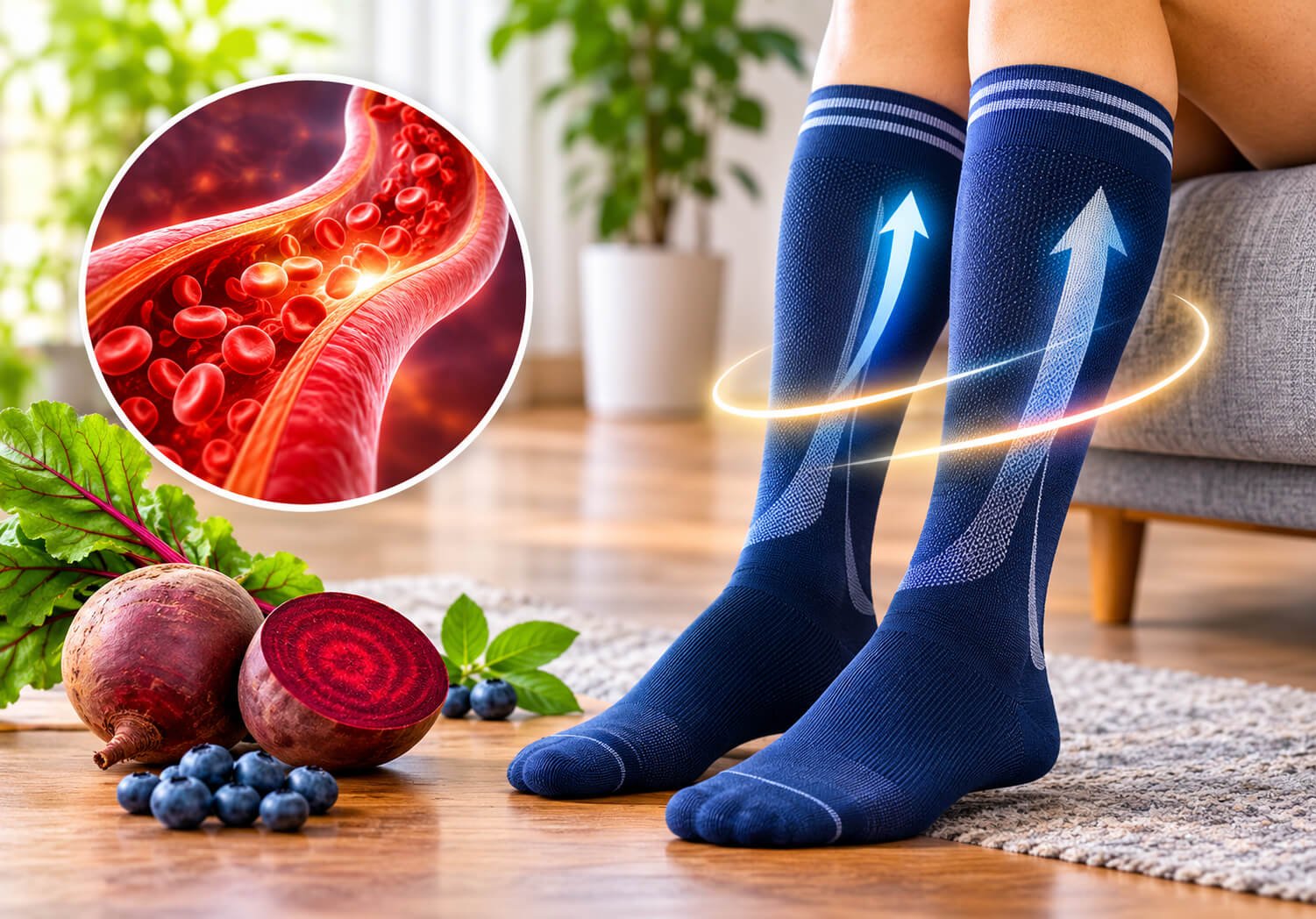
When your legs feel heavy by mid-afternoon, your feet stay cold under thick socks, or your calves cramp after a short walk, sluggish lower-body blood flow is often part of the picture. Finding the best natural supplements for poor circulation in legs and feet requires looking past flashy marketing labels and focusing on ingredients backed by clinical vascular research.
As a strength and conditioning coach, I regularly work with adults over 40, desk workers, and recreational athletes who deal with tired, achy lower limbs. While movement and hydration form the foundation of healthy blood flow, targeted nutritional support can help your blood vessels relax, widen, and move oxygen-rich blood down to your toes and back up to your heart.
Before starting any new supplement for circulation, check with a doctor or physical therapist first, especially if you take blood thinners, blood pressure medication, or have a history of heart or vascular conditions.
Quick Answer
Research suggests the best natural supplements for poor circulation in legs and feet are horse chestnut seed extract (for vein tone and ankle swelling), L-citrulline and beetroot extract (to boost nitric oxide and widen arteries), pycnogenol (for microcirculation), and omega-3 fatty acids (for blood vessel flexibility). Pairing these with daily calf-pumping exercises maximizes lower-body blood flow.
How Circulation Works in Your Lower Body
Your heart pumps oxygen-rich blood down through your arteries into your thighs, calves, and feet. Gravity makes that downward trip easy, provided your arteries are flexible and clear enough to let blood pass freely.
The harder job is getting that blood back up to your heart against gravity. Your veins rely on tiny one-way valves and the rhythmic squeezing of your gastrocnemius and soleus (calf muscles)—often called your body’s “second heart”—to push blood upward.
When arterial walls stiffen or vein valves weaken, two common issues happen:
- Reduced arterial inflow: Less warm, oxygenated blood reaches your feet, leading to cold toes, numbness, or calf fatigue during walking.
- Sluggish venous return: Fluid pools in the lower legs, causing heavy calves, throbbing ankles, and mild swelling by evening.
Natural circulation supplements generally target one or both pathways. Some boost nitric oxide (NO) to relax and widen arteries, while others strengthen vein walls and support capillary health.
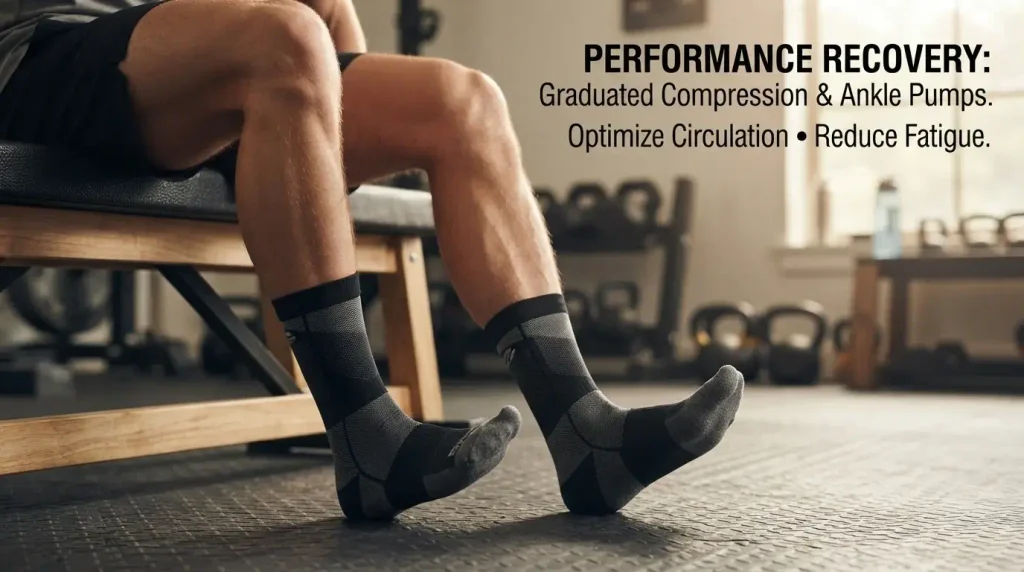
Comparison of the Best Natural Supplements for Poor Circulation in Legs and Feet
To help you compare the top research-backed options at a glance, the table below outlines how each compound works, typical study dosages, and who benefits most.
| Supplement Name | Primary Mechanism | Best For | Typical Study Dosage | Expected Timeline |
| Horse Chestnut Seed Extract | Strengthens vein walls; reduces capillary fluid leakage | Heavy legs, mild ankle swelling, venous insufficiency | 300 mg twice daily (standardized to 50 mg aescin) | 4 to 8 weeks |
| L-Citrulline (or L-Arginine) | Increases nitric oxide synthesis to dilate arteries | Cold feet, exercise-induced calf fatigue, arterial flow | 3,000–6,000 mg daily (L-citrulline) | 1 to 3 weeks |
| Beetroot Extract / Powder | Converts dietary nitrates into nitric oxide | Walking endurance, blood pressure, peripheral flow | 400–500 mg dietary nitrates (or 1–2 tsp powder) | 2 to 4 hours (acute); 2 weeks (daily) |
| Pycnogenol (French Maritime Pine Bark) | Supports endothelial function and capillary integrity | Microcirculation, swelling during travel or standing | 100–150 mg daily | 4 to 8 weeks |
| Diosmin & Hesperidin | Improves venous tone and lymphatic drainage | Tired, aching legs and varicose vein discomfort | 900 mg diosmin + 100 mg hesperidin daily | 4 to 8 weeks |
| Omega-3 Fatty Acids (EPA/DHA) | Reduces vascular inflammation and supports blood fluidity | Overall arterial elasticity and cardiovascular support | 1,000–2,000 mg combined EPA/DHA daily | 6 to 12 weeks |
| Ginkgo Biloba | Enhances peripheral microcirculation and blood viscosity | Cold extremities and mild intermittent claudication | 120–240 mg daily (standardized extract) | 6 to 12 weeks |
Top 7 Evidence-Based Supplements for Leg and Foot Circulation
Choosing the right supplement depends on whether your symptoms stem from sluggish venous return (swelling and heaviness) or reduced arterial delivery (cold feet and cramping during activity). Below is a breakdown of what clinical studies actually show for each option.
1. Horse Chestnut Seed Extract (Standardized to Aescin)
If your main complaint is heavy, aching calves and puffy ankles after sitting or standing all day, horse chestnut seed extract is one of the most thoroughly studied natural options available. Its active compound, aescin, helps seal tiny gaps in capillary walls so fluid does not leak into surrounding leg tissue.
According to a comprehensive review published in the Cochrane Database of Systematic Reviews via PubMed, horse chestnut seed extract significantly reduced leg pain, swelling, and itching in adults with chronic venous insufficiency compared to a placebo. In several trials, its effectiveness for reducing lower-leg volume was comparable to wearing compression stockings.
- Who it’s for: Desk workers, nurses, teachers, and adults over 40 who experience evening ankle swelling or leg heaviness.
- Key features: Look for extracts standardized to 16%–20% aescin (usually providing 50 mg of aescin per 300 mg capsule) and labeled esculin-free, as raw horse chestnut contains a toxic compound called esculin that must be removed during processing.
- Pros: Strong clinical backing for venous swelling; well-tolerated when properly standardized.
- Cons: Must never be consumed raw or unprocessed; not designed for arterial blockages.
2. L-Citrulline (and L-Arginine)
When your feet feel perpetually cold or your calves burn quickly during brisk walks, your arteries may need help relaxing and opening up. L-citrulline is an amino acid that your kidneys convert into L-arginine, which your blood vessel lining (the endothelium) uses to produce nitric oxide.
Nitric oxide signals the smooth muscle inside your artery walls to relax, widening the vessel and increasing blood volume to your lower extremities. Research indexed by the National Institutes of Health (NIH) / PubMed Central indicates that L-citrulline raises blood L-arginine and nitric oxide levels more reliably than taking L-arginine directly, because L-citrulline bypasses breakdown in the gut and liver.
- Who it’s for: Active adults, walkers, and individuals looking to improve arterial blood flow and workout stamina.
- Key features: Pure L-citrulline or citrulline malate (2:1 ratio) in unflavored powder or capsules.
- Pros: Fast-acting support for vascular dilation; also reduces post-exercise muscle soreness.
- Cons: Requires larger doses (3 to 6 grams, or about 0.1 to 0.2 oz) than standard capsules hold, making powder more practical.
Coach’s Tip
If you take L-citrulline powder, mix 3,000–5,000 mg into 8 fl oz (240 ml) of water about 30 to 45 minutes before your daily walk or lower-body workout. Pairing nitric oxide dilation with rhythmic calf contractions acts like opening a wider hose while turning up the water pressure.
3. Beetroot Extract and Nitrate-Rich Beet Powder
Beets are packed with inorganic dietary nitrates that follow a separate pathway to boost nitric oxide, independent of L-citrulline. Beneficial bacteria on your tongue convert these nitrates into nitrites, which your body then turns into nitric oxide—especially in areas where oxygen levels are low, such as working leg muscles.
Clinical findings highlighted by the National Center for Complementary and Integrative Health (NCCIH) and vascular physiology trials show that beetroot juice and standardized nitrate supplements can improve walking distance and reduce blood pressure in adults with peripheral circulation challenges. Unlike stimulants, beetroot increases blood flow without raising your heart rate or making you feel jittery.
- Who it’s for: People who prefer a whole-food-derived option to support blood pressure, walking endurance, and warm feet.
- Key features: Standardized beetroot extract capsules or concentrated beetroot powder listing actual nitrate content.
- Pros: Dual benefit for healthy blood pressure and physical stamina; easy to blend into smoothies.
- Cons: Can temporarily turn urine or stool pink (harmless, though surprising); avoid using antibacterial mouthwash right before taking it, as mouth bacteria are needed for nitrate conversion.
4. Pycnogenol (French Maritime Pine Bark Extract)
Pycnogenol is a patented extract made from the bark of maritime pine trees grown in southwestern France. It contains a concentrated blend of procyanidins and phenolic acids that protect blood vessel linings from oxidative stress and support healthy microcirculation in tiny capillaries.
Studies indexed on PubMed / NCBI demonstrate that Pycnogenol strengthens capillary walls, improves endothelial nitric oxide release, and helps prevent lower-leg edema during long-haul flights or prolonged sitting. In several comparative trials, it outperformed horse chestnut extract for reducing ankle swelling and improving tissue oxygenation in the lower limbs.
- Who it’s for: Frequent flyers, office workers, and individuals dealing with both capillary fragility and mild lower-leg fluid retention.
- Key features: Trademarked Pycnogenol standardized to 65%–75% procyanidins.
- Pros: Addresses both arterial microcirculation and venous fluid balance; strong safety profile in clinical trials.
- Cons: Significantly more expensive per serving than basic herbal extracts.
5. Diosmin and Hesperidin (Micronized Purified Flavonoid Fraction)
Diosmin and hesperidin are citrus bioflavonoids originally isolated from sweet orange peels. In vascular research, they are typically combined in a 9:1 ratio (90% diosmin, 10% hesperidin) and micronized into microscopic particles so your digestive tract can absorb them efficiently.
According to vascular pharmacology reviews available through PubMed Central (PMC), diosmin helps prolong the activity of norepinephrine on vein walls, which improves venous tone and keeps veins from stretching out and pooling blood. It also supports lymphatic drainage and reduces inflammatory markers inside sluggish leg veins.
- Who it’s for: Individuals experiencing aching, restless, or heavy legs associated with varicose veins or prolonged standing.
- Key features: Micronized purified flavonoid fraction (MPFF) providing 450 mg diosmin and 50 mg hesperidin per tablet, taken twice daily.
- Pros: Widely used in clinical vascular protocols for chronic venous discomfort; gentle on the stomach.
- Cons: Takes 4 to 6 weeks of consistent daily use to notice full benefits.
6. Omega-3 Fatty Acids (EPA and DHA)
While omega-3s do not produce an immediate warming rush like nitric oxide boosters, they play a critical long-term role in keeping blood vessels pliable and blood flowing smoothly. Eicosapentaenoic acid (EPA) and docosahexaenoic acid (DHA) incorporate directly into cell membranes throughout your vascular system.
The American Heart Association / NIH Office of Dietary Supplements notes that marine omega-3 fatty acids help support healthy triglyceride levels, reduce vascular inflammation, and improve arterial compliance (flexibility). They also reduce platelet stickiness, helping blood glide smoothly through narrow capillaries in your toes and feet.
- Who it’s for: Anyone seeking foundational cardiovascular and arterial support, especially if they eat fatty fish fewer than twice per week.
- Key features: Molecularly distilled fish oil or algae oil delivering at least 1,000 mg of combined EPA and DHA per day.
- Pros: Supports heart, brain, joint, and blood vessel health simultaneously.
- Cons: Can interact with prescription blood thinners; low-quality oils may cause fishy aftertaste.
7. Ginkgo Biloba
Ginkgo biloba is one of the oldest tree species on earth, and standardized extracts of its leaves have been studied for decades for peripheral blood flow. Its active terpenoids and flavonoids help widen small blood vessels and improve microcirculation in the hands, feet, and brain.
Research reviewed by the Mayo Clinic suggests that standardized ginkgo extract (such as EGb 761) may modestly increase pain-free walking distance in people with mild peripheral circulation limits, though results vary across studies. It works primarily by reducing blood viscosity and protecting capillaries from free-radical damage.
- Who it’s for: Adults dealing with cold hands and feet who want gentle microcirculatory support.
- Key features: Standardized extract containing 24% flavone glycosides and 6% terpene lactones.
- Pros: Inexpensive and widely available; supports both peripheral and cerebral blood flow.
- Cons: Must be stopped 1–2 weeks before surgery due to mild blood-thinning properties.
Which Vitamin Deficiencies Cause Poor Circulation in Feet?
Sometimes cold, tingling, or cramping feet are not caused by blocked vessels at all, but by missing micronutrients that regulate nerve signaling, red blood cell production, and blood vessel relaxation. Before loading up on herbal extracts, check whether your daily diet covers these essential nutrients:
- Vitamin B12 and Folate: Essential for making healthy red blood cells that carry oxygen to your extremities. Low B12 also damages protective nerve sheaths, causing pins-and-needles sensations in the feet that mimic poor circulation. You can learn more about how B vitamins support daily cellular energy in our dedicated nutrient guide.
- Magnesium: Acts as a natural calcium channel blocker that helps smooth muscle cells inside your artery walls relax. Low magnesium is strongly linked to nighttime calf cramps and tight blood vessels.
- Vitamin D: Supports endothelial function and helps regulate vascular inflammation. Deficiency is common in older adults and indoor workers, and it correlates with stiffer arteries.
- Iron: Necessary for hemoglobin production. Iron-deficiency anemia reduces your blood’s oxygen-carrying capacity, leaving your hands and feet chronically cold even in a warm room.
- Vitamin C: Required to build strong collagen inside blood vessel walls and helps protect nitric oxide from breaking down too quickly.
If you are unsure whether your fatigue or cold feet stem from a nutritional gap, ask your doctor for a simple blood panel (CBC, ferritin, vitamin B12, and vitamin D) before relying solely on circulation herbs. Addressing true nutrient gaps alongside vitamins that support normal metabolic function often resolves symptoms faster than herbal blends alone.
How to Choose a Safe, High-Quality Circulation Supplement
Because dietary supplements are not tested for effectiveness before hitting store shelves, quality varies dramatically between brands. Use this coach’s checklist to avoid under-dosed products and hidden fillers:
- Check for Standardization: Herbal extracts only work if they contain the active compounds used in clinical trials. Look for percentages on the label—such as 16%–20% aescin for horse chestnut or 24% flavone glycosides for ginkgo biloba—rather than plain ground root or leaf powder.
- Avoid “Proprietary Blends”: If a bottle lists a “Vascular Support Blend: 800 mg” with six ingredients hidden behind one total number, skip it. You have no way to know if you are getting an effective dose of L-citrulline or just cheap filler.
- Verify Third-Party Testing: Look for seals from USP, NSF International, ConsumerLab, or Informed-Choice. These independent labs confirm that the bottle actually contains what is printed on the label and is free from heavy metals or contaminants.
- Understand Label Evaluation: Learning how to evaluate supplement ingredient labels helps you spot clinically meaningful dosages versus “fairy-dusted” trace amounts added just for marketing.
- Check Medication Interactions: Natural does not mean interaction-free. Supplements that improve blood flow often enhance the effects of blood pressure drugs, blood thinners (like warfarin or aspirin), and erectile dysfunction medications.
Common Mistake
Stacking five circulation ingredients at once. Taking high-dose L-citrulline, beetroot, ginkgo, omega-3s, and garlic together on day one can drop your blood pressure too quickly—causing lightheadedness when you stand up—or increase bruising. Start with one single-ingredient supplement matched to your primary symptom, track how your legs feel for 3 to 4 weeks, and keep your doctor informed.
Coach’s 10-Minute Daily Leg Circulation Routine (Exercise + Supplement Pairing)
No pill or powder can replace the mechanical pumping action of your leg muscles. In fact, taking a nitric oxide booster like L-citrulline or beetroot works best when you immediately follow it with rhythmic lower-body movement to pull that extra blood through your calves and feet.

Do this 10-minute routine once or twice a day—especially if you sit at a desk for more than two hours at a time.
| Exercise | Sets | Reps / Duration | Rest | Tempo & Primary Target |
| 1. Seated Ankle Pumps & Circles | 2 | 20 pumps + 10 circles/side | 15 sec | Smooth, full range; wakes up tibialis anterior & soleus |
| 2. Standing Calf Raises | 3 | 15–20 reps | 30 sec | 2 sec up, 1 sec squeeze, 2 sec down; activates the calf pump |
| 3. Bodyweight Box Squats | 2 | 12–15 reps | 45 sec | Controlled 3 sec descent; boosts femoral artery inflow |
| 4. Brisk Heel-to-Toe Walk | 1 | 3–5 minutes | — | Steady pace; promotes full-foot rolling and venous return |
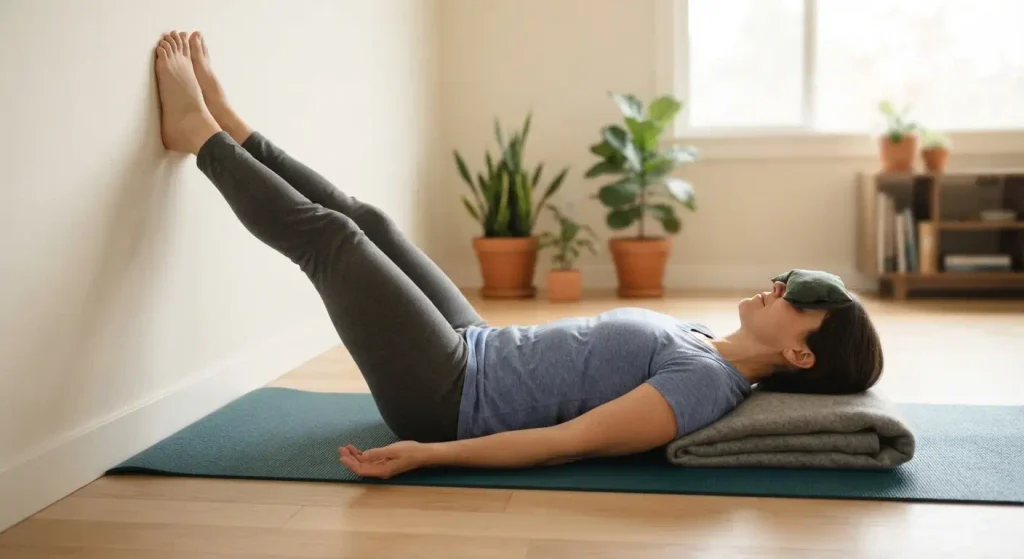
| 5. Wall Legs-Up Elevation | 1 | 2–3 minutes | — | Deep nasal breathing; uses gravity to drain pooled fluid |
How to Perform Each Movement Safely
- Seated Ankle Pumps: Sit tall with your feet flat on the floor. Lift your toes high while keeping heels planted, then press onto the balls of your feet and lift your heels high. You should feel a gentle pump in your shins and lower calves.
- Standing Calf Raises: Stand behind a sturdy chair or counter with fingertips resting lightly for balance. Press straight up onto the balls of your feet, pause for one full second at the top, and lower your heels slowly to the floor.
- Easier version (Regression): Perform calf raises while seated in a chair, pressing a light dumbbell of 10–15 lb (4.5–7 kg) onto your thighs for gentle resistance.
- Harder version (Progression): Stand with the balls of your feet on a 2-inch (5 cm) step or weight plate so your heels drop slightly below level, or perform single-leg calf raises.
- Bodyweight Box Squats: Stand 6 inches (15 cm) in front of a sturdy chair with feet shoulder-width apart. Push your hips back, lightly tap the seat, and stand back up by driving through your whole foot.
- Brisk Heel-to-Toe Walk: Walk at a purposeful pace around your home or outside for 0.15–0.25 miles (0.25–0.4 km). Focus on rolling smoothly from your heel through the arch and pushing off your big toe with every step.
- Wall Legs-Up Elevation: Lie on your back on a yoga mat or bed and rest your calves up against a wall (or on top of an ottoman) so your ankles sit higher than your heart. Breathe slowly to let gravity assist venous drainage.
Lifestyle Habits That Multiply Your Results
Supplements and short movement breaks work even better when you remove everyday bottlenecks that choke off lower-body circulation:
- Wear Graduated Compression Socks: Socks rated at 15–20 mmHg apply gentle pressure at the ankle that gradually decreases up the calf, helping vein valves close properly during long flights or desk shifts.
- Stay Properly Hydrated: Blood is roughly half water. Mild dehydration makes your blood slightly thicker and harder for your heart to push down into tiny foot capillaries.
- Watch Sodium and Added Sugar: Excess sodium encourages fluid retention in your ankles, while chronically high blood sugar damages delicate capillary linings over time. Supporting healthy insulin sensitivity through daily walks and balanced meals protects microcirculation—similar to strategies covered in our guide on supplements and habits for insulin sensitivity.
- Avoid Crossing Your Legs for Long Stretches: Crossing one knee tightly over the other compresses the popliteal vein behind your knee, slowing blood return from your lower leg.
- Support Healthy Inflammation Balance: Chronic low-grade inflammation stiffens blood vessel walls over time. Combining daily movement with anti-inflammatory nutrients like omega-3 fatty acids helps keep vascular linings resilient.
When Poor Circulation Requires Immediate Medical Care
Natural supplements are meant for mild, everyday sluggishness—such as cold toes in winter, mild desk-related ankle puffiness, or routine muscle fatigue. They are not a treatment for serious vascular disease.
Seek prompt evaluation from a healthcare provider if you notice any of these warning signs:
- Sudden swelling, redness, warmth, or pain in one calf (possible deep vein thrombosis, or DVT, which is a medical emergency).
- Open sores, ulcers, or slow-healing cuts on your toes, feet, or ankles.
- Skin color changes on your feet or lower legs (pale, bluish, purple, or shiny tight skin).
- Severe cramping in your calves, thighs, or hips that starts predictably after walking a short distance and stops when you rest (intermittent claudication, a classic sign of peripheral artery disease).
- Loss of sensation or persistent numbness in your feet, especially if you have diabetes.
If you are looking for broader ways to support daily energy and stamina naturally without relying on harsh stimulants, always rule out underlying vascular or metabolic conditions with your physician first.
Frequently Asked Questions (FAQ)
What is the best natural supplement to improve circulation in legs?
For leg heaviness and ankle swelling caused by sluggish veins, horse chestnut seed extract (standardized to 50 mg aescin twice daily) has the strongest clinical evidence. If your goal is widening arteries for better walking stamina and warmer feet, L-citrulline (3,000–6,000 mg daily) or nitrate-rich beetroot extract are top evidence-based choices.
Which vitamin deficiency causes poor circulation in feet?
Low levels of vitamin B12, folate, iron, magnesium, and vitamin D commonly mimic or worsen poor foot circulation. Iron and B12 deficiencies reduce oxygen delivery in red blood cells, while low magnesium causes blood vessel constriction and calf cramps. A simple doctor-ordered blood test can confirm if you need targeted repletion.
How long do circulation supplements take to work?
Fast-acting nitric oxide boosters like beetroot powder and L-citrulline begin widening blood vessels within 45 minutes to 2 hours of intake. However, vein-strengthening supplements such as horse chestnut extract, Pycnogenol, and diosmin typically require 4 to 8 weeks of consistent daily use before ankle swelling and leg heaviness noticeably improve.
Can beetroot powder improve blood flow to cold feet?
Yes, beetroot powder may help warm cold feet by supplying dietary nitrates that convert into nitric oxide. Nitric oxide relaxes smooth muscle inside small peripheral arteries, allowing warm, oxygen-rich blood to reach your toes more easily. Pair daily beetroot intake with warm socks and regular ankle pumps for the best results.
Is horse chestnut extract safe for leg swelling and veins?
Standardized, esculin-free horse chestnut seed extract is generally well-tolerated for up to 12 weeks in clinical studies for mild venous leg swelling. Never eat raw horse chestnut seeds, bark, or flowers, which are toxic. Avoid it if you have kidney or liver disease, or if you take blood-thinning medications.
What exercises work best alongside circulation supplements?
Exercises that rhythmically contract your calf muscles—known as your body’s “second heart”—work best. Standing calf raises, seated ankle pumps, brisk walking, and cycling squeeze deep leg veins to push blood back toward your heart, multiplying the vascular benefits of nitric oxide and vein-support supplements.
Final Thoughts
Improving blood flow to your lower extremities works best when you match the right tool to the right job. If heavy calves and evening ankle puffiness hold you back, horse chestnut seed extract, Pycnogenol, or diosmin offer targeted venous support. If cold toes and early leg fatigue during walks are your main hurdles, L-citrulline, beetroot extract, and omega-3 fatty acids help relax and widen your arteries.
Combine one well-vetted, third-party-tested supplement with daily 10-minute calf-pumping sessions, steady hydration, and supportive footwear. Over a few consistent weeks, those small habits add up to lighter legs, warmer feet, and more comfortable movement every day.