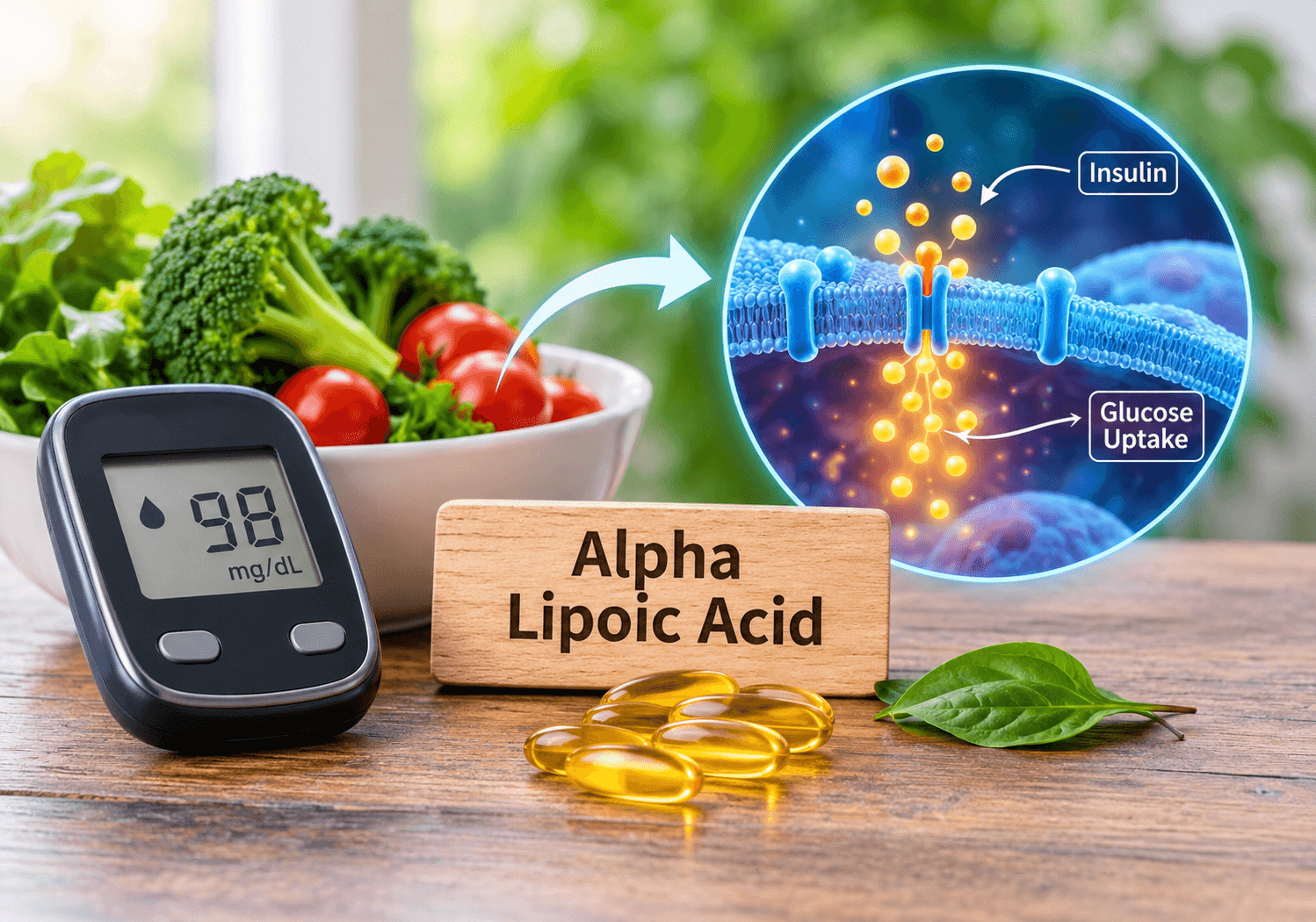
Metabolic health depends heavily on how efficiently your body processes dietary carbohydrates and manages blood glucose. When cells stop responding effectively to insulin, the pancreas must produce more of the hormone to clear glucose from the bloodstream, a state known as insulin resistance. Addressing this root driver of metabolic dysfunction requires a multi-pronged approach involving structured exercise, adequate sleep, and targeted nutritional strategies. Among dietary compounds investigated for metabolic support, alpha lipoic acid (ALA) has drawn significant scientific attention for its unique biochemical properties.
As a coach working with clients striving to optimize body composition and metabolic fitness, I often receive questions about whether over-the-counter compounds can genuinely move the needle. Understanding what the clinical literature actually says about alpha lipoic acid for insulin sensitivity helps separate proven physiological mechanisms from exaggerated marketing claims. Whether you are managing prediabetes, seeking to improve nutrient partitioning for athletic performance, or navigating midlife metabolic changes, examining the clinical data provides a clear roadmap for safe and realistic application.
Quick Answer
Clinical research suggests that alpha lipoic acid (ALA) may help improve insulin sensitivity by activating cellular pathways like AMPK and stimulating GLUT4 glucose transporter translocation in skeletal muscle. While studies show modest improvements in glycemic control, results vary based on dosage, formulation, and individual baseline metabolic health. Always consult a healthcare professional before adding new supplements.

Understanding Insulin Sensitivity and Metabolic Function
To understand how alpha lipoic acid interacts with your metabolism, we must first look at how the body handles glucose. When you eat carbohydrates, your digestive system breaks them down into simple sugars, primarily glucose, which enters the bloodstream. In response, the pancreas releases insulin. Insulin acts like a key, unlocking cellular receptors on skeletal muscle, liver, and fat tissue to allow glucose to enter and be stored for energy or glycogen replenishment.
When cells become resistant to this hormonal signal, glucose lingers in the bloodstream. This forces the pancreas to pump out even more insulin, a compensatory state called hyperinsulinemia. Over time, chronic high blood sugar and elevated insulin levels contribute to metabolic inflexibility, systemic inflammation, and difficulty managing body weight. According to the Centers for Disease Control and Prevention (CDC) prediabetes overview, millions of adults live with impaired glucose tolerance without realizing it.
Improving insulin sensitivity means making your cells more receptive to insulin once again. This reduces the total amount of insulin required to clear a given amount of glucose, protecting pancreatic beta-cells and supporting stable energy levels throughout the day. While regular physical activity and a balanced diet remain the gold standard for restoring metabolic sensitivity, specific micronutrients and antioxidants can act as biochemical assistants.
What Is Alpha Lipoic Acid and How Does It Work?
Alpha lipoic acid is an organosulfur compound derived from octanoic acid. It is synthesized naturally in small amounts by plant and animal mitochondria, where it functions as an essential cofactor for several multienzyme complexes involved in cellular energy production. You also ingest small quantities through dietary sources such as red meat, organ meats, broccoli, spinach, and tomatoes.
What makes ALA chemically unique is its status as a universal antioxidant. Unlike many other antioxidants that are exclusively water-soluble (like vitamin C) or fat-soluble (like vitamin E), alpha lipoic acid dissolves in both aqueous and lipid environments. This dual solubility allows it to neutralize free radicals both inside cellular membranes and in the extracellular fluid. Furthermore, ALA can regenerate other exhausted antioxidants, including glutathione, vitamin C, and vitamin E, amplifying the body’s overall antioxidant defense network.
Beyond its antioxidant capacity, researchers have identified specific cellular signaling pathways through which ALA influences glucose metabolism. According to a review published by the National Institutes of Health (NIH) on alpha lipoic acid in metabolic disease, ALA influences glucose uptake primarily by modulating key enzymatic cascades within skeletal muscle tissue, which is the primary site for glucose disposal in the human body.
Mechanisms: How Alpha Lipoic Acid Affects Insulin Signaling
The impact of alpha lipoic acid on insulin sensitivity is not driven by a single mechanism, but rather by a sophisticated cascade of cellular events. When examining the scientific literature from PubMed and peer-reviewed endocrinology journals, three primary pathways emerge:
1. Activation of AMPK (AMP-Activated Protein Kinase)
AMPK serves as the primary master regulator of cellular energy homeostasis. When energy levels drop inside a cell, AMPK activates to stimulate fatty acid oxidation and glucose uptake. Research indicates that ALA can stimulate AMPK activity in skeletal muscle cells. This activation occurs independently of insulin, meaning ALA can help pull glucose out of the bloodstream through alternative cellular routes, bypassing blocked insulin receptor pathways.
2. Translocation of GLUT4 Transporters
Glucose transporter type 4 (GLUT4) is the protein responsible for transporting glucose across the cell membrane into muscle and fat cells. In an insulin-resistant state, these transporter vesicles fail to migrate efficiently to the cell surface. Clinical investigations demonstrate that ALA promotes the translocation of GLUT4 vesicles to the plasma membrane. By encouraging these transporters to move to the surface, ALA facilitates greater glucose disposal into skeletal muscle tissue.
3. Reduction of Oxidative Stress and Inflammation
Chronic oxidative stress—characterized by an excess of reactive oxygen species (ROS)—interferes with normal insulin receptor signaling by inhibiting insulin receptor substrate (IRS) phosphorylation. Because ALA is a potent antioxidant that neutralizes free radicals and inhibits pro-inflammatory cytokines, it helps clear the cellular interference that dampens insulin sensitivity. By reducing systemic oxidative stress, ALA restores normal communication between insulin and its cellular receptors.
What the Clinical Research Shows
Clinical trials investigating alpha lipoic acid for insulin resistance and glycemic control have yielded encouraging, though nuanced, findings. Most human studies utilize daily oral dosages ranging from 300 mg to 1,800 mg, administered over periods lasting from four weeks to several months.
A foundational meta-analysis published in the National Center for Biotechnology Information (NCBI) database on alpha lipoic acid supplementation evaluated randomized controlled trials assessing glycemic parameters in individuals with metabolic disorders. The analysis revealed that ALA supplementation was associated with significant reductions in fasting blood glucose and improvements in insulin sensitivity scores, particularly when administered intravenously or at higher oral doses.
However, researchers emphasize that the magnitude of improvement depends heavily on the baseline metabolic health of the participant. Individuals with pronounced insulin resistance, prediabetes, or type 2 diabetes tend to experience more measurable improvements in glycemic markers compared to metabolically healthy individuals. For a deeper look at how metabolic support compounds compare, you can explore this guide on how to evaluate ingredients in weight management supplements.
Coach’s Tip: Manage Your Expectations
Supplements like alpha lipoic acid act as supportive catalysts, not magic fixes. Think of them as polishing an already solid routine. If your nutrition, sleep, and resistance training aren’t dialed in, no amount of ALA will override a sedentary lifestyle or a poor diet.
R-ALA vs. S-ALA: Why Formulation Matters
When shopping for an alpha lipoic acid supplement, you will notice different chemical designations on the ingredient label. Understanding these variants is essential for selecting an effective product.
Alpha lipoic acid exists in two distinct stereoisomeric forms:
- R-Alpha Lipoic Acid (R-ALA): This is the natural form synthesized by plants and animals and the specific isomer utilized as a cofactor by human mitochondrial enzymes. Research indicates that R-ALA is absorbed more rapidly and exhibits higher bioavailability in human plasma compared to synthetic variants.
- S-Alpha Lipoic Acid (S-ALA): This is the synthetic byproduct generated during standard chemical synthesis. S-ALA exhibits lower biological activity and weaker affinity for enzymatic binding sites.
Many commercial supplements use a 50/50 racemic mixture known as RS-ALA, which combines both R and S isomers. While RS-ALA is less expensive to produce, pure R-ALA supplements—though often more costly—offer superior pharmacokinetic profiles. For individuals focusing on metabolic support, seeking out stabilized R-ALA formulations is generally recommended by clinical nutritionists.
Practical Application: Dosage, Timing, and Safety
If you and your healthcare provider decide that incorporating alpha lipoic acid is appropriate for your metabolic goals, proper dosing and administration timing maximize both efficacy and digestive comfort.
Recommended Dosing Ranges
Clinical trials typically evaluate oral daily doses ranging from 300 mg to 600 mg, split into two or three smaller doses throughout the day. Because ALA has a relatively short half-life in human plasma (approximately 30 minutes), dividing the daily total helps maintain more stable blood concentrations.
Timing for Optimal Absorption
Absorption of ALA is significantly reduced when taken with food. For optimal bioavailability, clinical guidelines suggest taking alpha lipoic acid approximately 30 to 60 minutes before a meal or two hours after eating. If gastric upset occurs, taking it with a small, low-fat snack is an acceptable compromise.
Potential Side Effects and Precautions
At standard doses of 300 mg to 600 mg daily, ALA is generally well-tolerated. Mild side effects can include nausea, skin rash, or mild gastrointestinal discomfort. Higher doses exceeding 1,200 mg daily increase the likelihood of adverse reactions.
Individuals taking glucose-lowering medications or insulin injections must exercise caution. Because ALA supports glucose uptake and insulin sensitivity, combining it with diabetes medications can theoretically increase the risk of hypoglycemia (low blood sugar). Monitoring blood glucose closely under medical supervision is vital. To explore broader safe supplementation practices, review this overview on which supplements may support weight management safely.

Synergistic Lifestyle Strategies for Insulin Sensitivity
While targeted supplementation can provide biochemical support, maximizing insulin sensitivity requires a comprehensive lifestyle framework. As a strength and conditioning coach, I emphasize three foundational pillars that work in tandem with any metabolic supplement:
1. Progressive Resistance Training
Skeletal muscle is your body’s largest glucose sink. Every time you perform resistance exercises—such as squats, deadlifts, presses, and rows—your muscle fibers contract and pull glucose out of your blood independently of insulin via muscular contraction pathways. Incorporating structured strength training at least two to three times per week dramatically enhances overall glucose disposal and metabolic flexibility.
2. Strategic Nutrient Partitioning
Pairing carbohydrates with adequate dietary protein, fiber, and healthy fats slows gastric emptying and blunts postprandial glucose spikes. Emphasizing high-fiber plant foods, leafy greens, and lean proteins helps regulate the hormonal signals that govern satiety and blood sugar stability. For further reading on dietary fiber’s role, examine this detailed resource on can dietary fiber help with appetite and weight management.
3. Prioritizing Restorative Sleep
Sleep deprivation wreaks havoc on metabolic regulation. Even a few nights of restricted sleep impairs insulin sensitivity, elevates cortisol, and disrupts hunger hormones like ghrelin and leptin. Ensuring seven to nine hours of quality sleep each night creates the hormonal environment necessary for optimal cellular repair and glucose handling.

Common Mistakes When Using Metabolic Supplements
Navigating the world of metabolic health supplements can be confusing. Avoiding these common pitfalls ensures you get the best possible return on your investment:
- Expecting Immediate Results: Supplements work cumulatively. It often takes 4 to 12 weeks of consistent daily use alongside lifestyle changes to observe measurable improvements in fasting blood glucose or HbA1c levels.
- Ignoring Diet and Exercise: Relying on a capsule while maintaining a sedentary lifestyle and a diet high in ultra-processed foods yields negligible results. Supplements enhance a strong foundation; they do not replace one.
- Choosing Inferior Formulations: Purchasing cheap, generic racemic mixtures without verifying whether the product contains stabilized R-ALA limits absorption and therapeutic effectiveness.
- Failing to Monitor Blood Markers: Starting a supplement protocol without baseline lab work—such as fasting glucose, fasting insulin, or HbA1c—makes it difficult to objectively evaluate whether the intervention is working.
Common Mistake: Taking ALA with a Large Meal
Many people swallow their alpha lipoic acid supplement right alongside a heavy meal. Food significantly decreases the systemic absorption of ALA. Always take it on an empty stomach—about 30 to 60 minutes before eating—unless stomach sensitivity requires a light snack.
Frequently Asked Questions
Does alpha lipoic acid directly lower blood sugar?
Yes, clinical research indicates that ALA can help lower fasting blood glucose levels by improving cellular glucose uptake and enhancing insulin sensitivity in skeletal muscle tissue. However, its effects are generally modest and work best when combined with a balanced diet and regular physical activity.
When is the best time of day to take ALA?
The ideal time to take alpha lipoic acid is on an empty stomach, either 30 to 60 minutes before a meal or two hours after eating. This timing maximizes bioavailability and absorption. Dividing your total daily dose into two or three smaller portions helps maintain stable blood levels.
Can R-ALA replace diabetes medications?
No. Alpha lipoic acid is a dietary supplement and should never be used as a replacement for prescribed medications. Individuals managing diabetes or prediabetes must consult their physician before altering medication or starting new supplement regimens.
Are there any interactions with other medications?
Yes. Because ALA can enhance insulin sensitivity and lower blood sugar, combining it with oral hypoglycemic agents or insulin therapy may increase the risk of hypoglycemia. Additionally, high doses may interact with thyroid hormone medications by altering their absorption or efficacy.
How long does it take for alpha lipoic acid to show effects?
Most clinical trials observe measurable changes in glycemic control and oxidative stress markers after 4 to 12 weeks of consistent daily supplementation. Individual timelines vary based on baseline metabolic health, dosage, and lifestyle factors.
Conclusion
Alpha lipoic acid represents one of the more thoroughly researched antioxidant and metabolic support compounds available today. By activating cellular energy sensors like AMPK, promoting GLUT4 translocation, and combating systemic oxidative stress, ALA offers legitimate biochemical support for individuals striving to improve insulin sensitivity and glycemic control.
However, supplements are most effective when viewed as tools within a broader lifestyle strategy. Pairing targeted R-ALA supplementation with progressive resistance training, adequate sleep, and a nutrient-dense diet creates a powerful synergy for long-term metabolic health. Always consult with a qualified healthcare professional before introducing new supplements, especially if you manage underlying health conditions or take prescription medications.