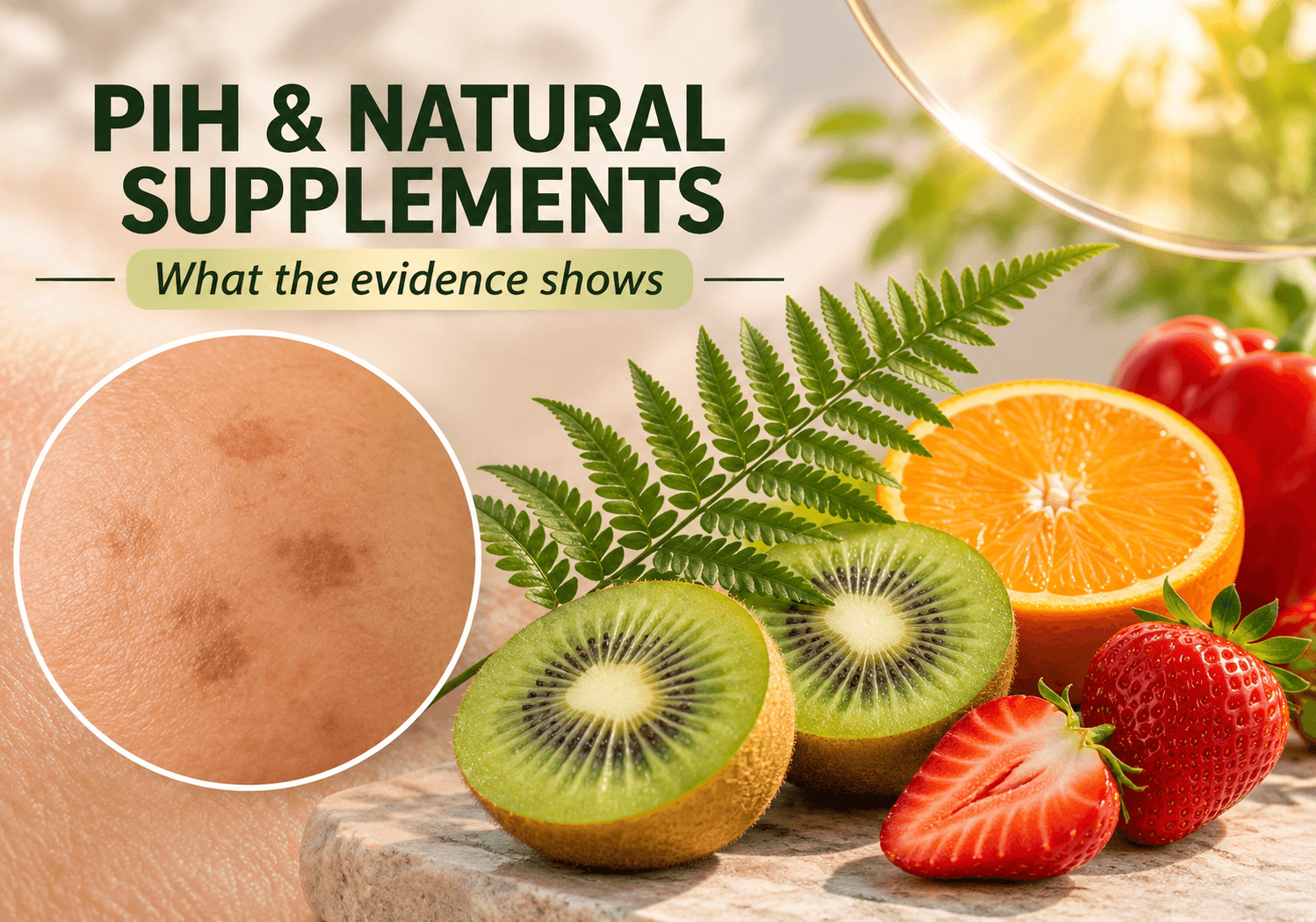
Natural Supplements for Post-Inflammatory Hyperpigmentation: What the Research Actually Shows
Dark marks that linger after a pimple, rash, or scrape can feel like they will never leave. That leftover discoloration is called post-inflammatory hyperpigmentation (PIH). Many people search for natural supplements for post-inflammatory hyperpigmentation, hoping a capsule can speed up the fade. The honest answer is more nuanced than most product labels suggest. This guide covers what the research shows, which options have the most support, and where supplements fit next to sun protection and dermatologist-guided care.
Quick Answer
Research on natural supplements for post-inflammatory hyperpigmentation is thin. Polypodium leucotomos extract has the most promising early data, mostly from melasma studies. Oral glutathione and vitamin C lack strong proof for PIH. Supplements may be a small add-on at best; sun protection and treating the original inflammation matter most.
What Post-Inflammatory Hyperpigmentation Is (and Why It Lingers)
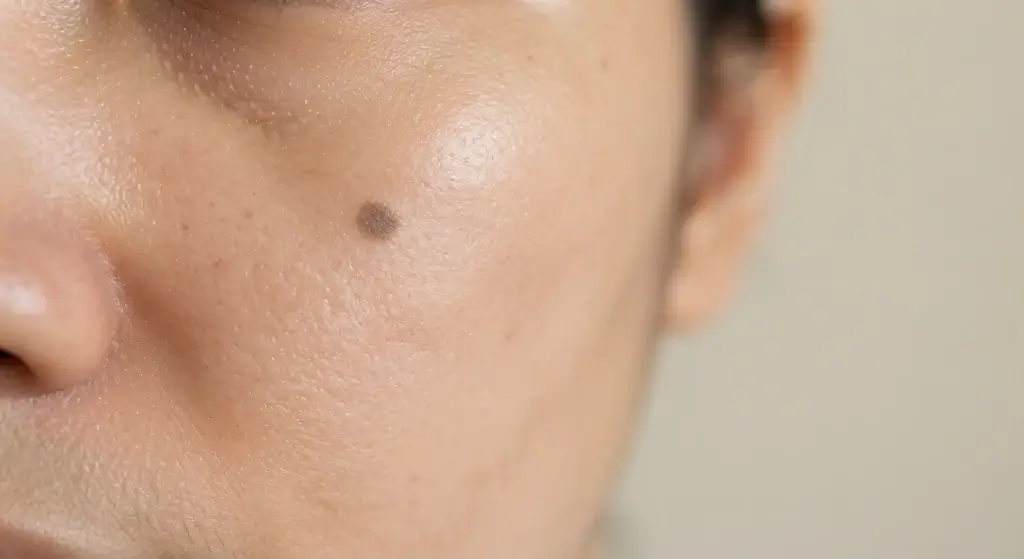
PIH is an acquired darkening of the skin that follows inflammation or injury. One systematic review describes it as affecting all skin types, with a higher tendency in darker skin tones. It also notes the course is chronic once it develops, and treatment is often difficult.
Common triggers
The marks come from inflammation, so almost anything that irritates skin can set them off. A review of PIH in dark skin lists these triggers:
- Acne
- Atopic dermatitis (eczema)
- Allergies
- Injuries
- Cosmetic procedures such as chemical peels, laser treatment, and dermabrasion
In simple terms, inflammation signals the pigment-making cells (melanocytes) to produce extra melanin. That pigment then sits in the skin long after the pimple or rash is gone.
Why “treat the cause” comes first
Supplements are not the starting point. A dermatology review of PIH treatment says the underlying inflammatory condition should be found and treated first. This slows the cycle that creates new marks. A review in the Journal of Drugs in Dermatology adds that treatment should begin as early as possible to hasten resolution.
Coach’s logic: you wouldn’t keep adding weight to a bar while your form is breaking down. In the same way, a fading plan won’t hold if new breakouts keep creating new marks.
What the Research Says About Natural Supplements for Post-Inflammatory Hyperpigmentation
Here is the part most product pages skip. There are very few human trials of oral supplements in PIH specifically. Most of what exists comes from melasma (a different pigment condition), from healthy volunteers, or from lab and mechanism studies. That means any supplement claim should be read as “possible” rather than “proven.”
Polypodium leucotomos extract (PLE)
Polypodium leucotomos is a tropical fern native to Central and South America. A review of the extract as an adjunct for pigmentary disorders reports that, when taken orally, it provides some protection against the harmful effects of UV radiation. The same review is clear on PIH: no controlled studies have assessed it for this condition. Its antioxidant and anti-inflammatory properties, plus its melasma results, are why researchers think it may help.
The best controlled data come from melasma. In a double-blind, placebo-controlled trial, 40 adults in Singapore took either PLE or placebo for 12 weeks. Everyone also used 4% hydroquinone cream and sunscreen. The total PLE dose was 480 mg per day, split into two doses. Both groups improved, and the paper reports statistically significant differences between groups at some visits. The study was small and sponsored by the extract’s manufacturer, so treat it as a pilot, not a verdict.
On safety, that paper cites a meta-analysis in which only about 2% of people (16 of 1,016) reported mild stomach symptoms or similar effects. That is encouraging, but it does not make the extract right for everyone.
Evidence snapshot: Promising but indirect. It is the strongest option on this list, and still not proven for PIH.
Oral glutathione
Glutathione is an antioxidant your body makes naturally. It is often marketed as a “skin-lightening” pill. A systematic review of randomized trials examined it as a skin-whitening agent in adults. The authors found oral forms were well tolerated, but injected forms were not. They also said more research is needed on how long skin color stays lighter after people stop.
The bigger problem is absorption and study quality. A clinical review notes that absorption of glutathione from the digestive tract is poor. It also says the published trials are short and small, with no clear guidelines for treating pigmentation. These trials looked at general skin lightening, not PIH marks left by acne or eczema.
Evidence snapshot: Weak for PIH. Do not use injections or “IV drips” for this purpose.
Vitamin C
Vitamin C is the supplement most people reach for first. The NIH Office of Dietary Supplements explains that vitamin C is needed to make collagen and also works as an antioxidant. Collagen is part of connective tissue, which plays a role in wound healing. Those facts matter for skin repair, but they are not the same as proof that a vitamin C pill fades dark marks.
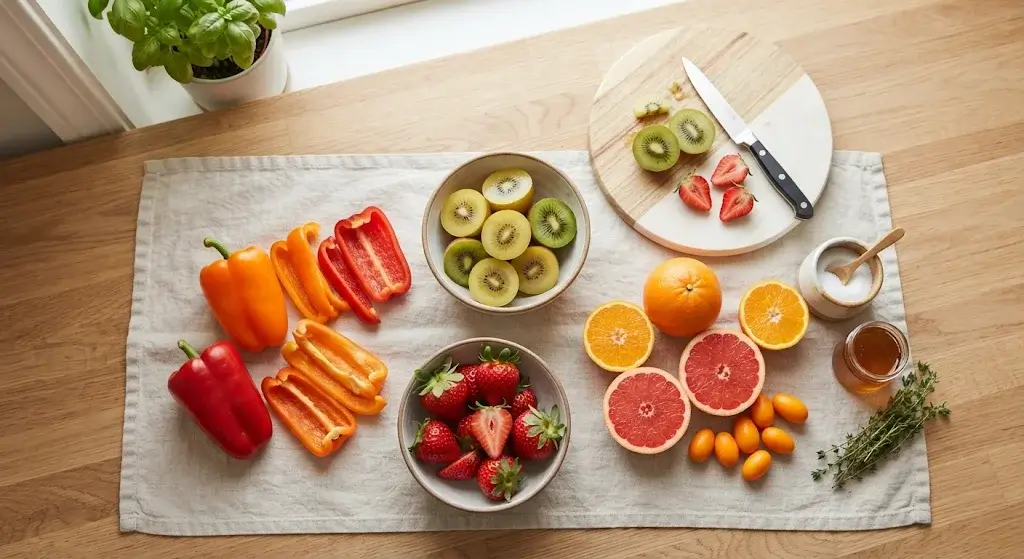
I could not find controlled trials of oral vitamin C specifically for PIH [VERIFY before publishing]. For most people, food is the smarter route. The same NIH fact sheet says the best sources are fruits and vegetables, including citrus, red and green peppers, kiwifruit, broccoli, and strawberries. It adds that five varied servings a day can supply more than 200 mg.
Higher doses are also absorbed less well. According to the fact sheet, about 70% to 90% of vitamin C is absorbed at 30 to 180 mg per day, and absorption drops at higher doses. Pairing vitamin C with collagen is a popular idea, and our guide on collagen powder and vitamin C timing covers it, but that is a separate question from pigment fading.
Evidence snapshot: Good for general nutrition. Unproven as a PIH treatment.
Omega-3s and astaxanthin: anti-inflammatory and antioxidant context
PIH starts with inflammation, so it is logical to ask whether calming inflammation helps. A review of PIH in dark skin highlights ingredients that both calm inflammation and slow melanin production as a promising non-invasive direction. That is an argument for the biology, not a trial result for any capsule.
If you want to read more about these nutrients for general skin health, see our guides on omega-3s for skin hydration and astaxanthin for skin glow. Neither page should be read as a promise that these nutrients treat PIH.
Evidence snapshot: Theoretical for PIH. No direct trials that I verified.
Evidence snapshot table
| Supplement | What the research looks like | Evidence for PIH | Key caution |
| Polypodium leucotomos extract | Small melasma trial (12 weeks); review of photoprotection | Indirect, promising | Manufacturer-sponsored trial; mild stomach upset reported |
| Oral glutathione | Short, small skin-lightening trials | Weak | Poor absorption; injections not well tolerated |
| Vitamin C | Strong general nutrition evidence | None verified for PIH [VERIFY] | Interacts with some treatments; upper limits apply |
| Omega-3 / astaxanthin | Anti-inflammatory and antioxidant theory | Theoretical only | No direct PIH trials verified |
Why Natural Supplements for Post-Inflammatory Hyperpigmentation Rank Behind Sun Protection
If you take only one thing from this article, take this: protecting your skin from light is the least glamorous and most reliable step. A review of melasma and PIH treatments lists photoprotection as reducing UV and visible light exposure, which can stimulate inflammation and worsen existing hyperpigmentation. The same table notes that it is not an active depigmenting treatment. It protects the progress you make, rather than erasing marks on its own.
What dermatologists actually use
Prescription and in-office options have far more data behind them than any supplement. The skin-of-color systematic review found topical retinoids were the most frequently reported treatment in the studies it covered. The same review pooled 46 studies and 1,356 patients, and its authors noted that the available options are limited and that efficacy data for darker skin are lacking.
Procedures carry risk, too. Another systematic review of treatment outcomes found PIH worsened in 2.6% (8 of 309) of patients treated with lasers and energy-based devices. It also cautions that most of the PIH cases in its data were acne-related, so the findings may not apply to every cause.
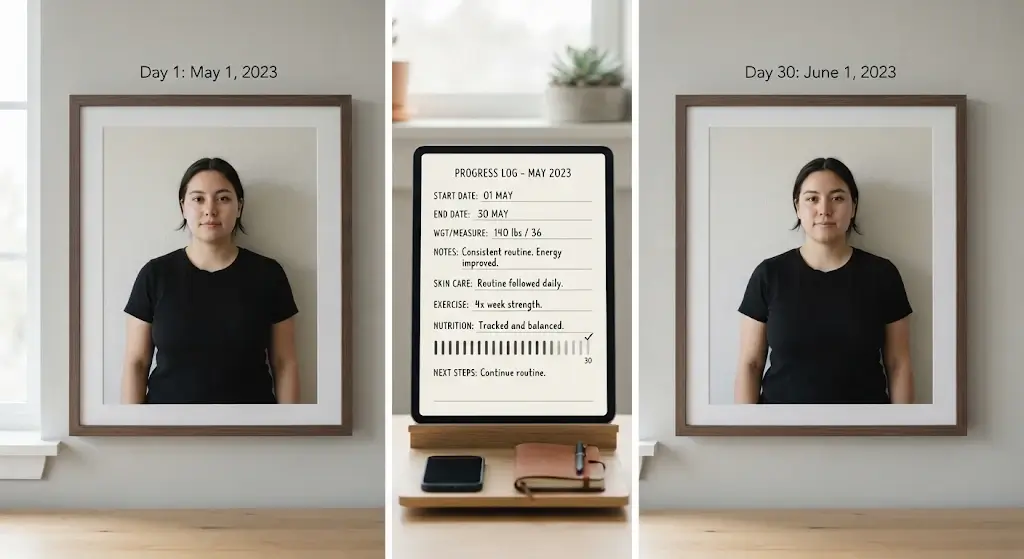
Coach’s Tip: Treat your skin plan like a training block. Change one thing at a time, keep notes, and take a photo once a month in the same light and at the same time of day. If you stack five new products and a supplement in the same week, you won’t know what helped, or what caused a flare.
How to Apply This: A Step-Up Plan
This is a practical way to organize your approach. It works like a regression-to-progression ladder: start at the base and only move up when the lower steps are in place.
- Calm the cause. Treat acne, eczema, or irritation with a clinician-approved plan so new marks stop forming.
- Use broad-spectrum sunscreen daily. It limits the light exposure that can darken existing marks, according to the photoprotection review above.
- Don’t pick, scrub, or squeeze. Mechanical injury is a known PIH trigger.
- Take a monthly photo. Judge progress over months, not days.
- Eat vitamin C-rich foods daily, such as peppers, kiwifruit, citrus, and broccoli.
- Cover your basics: protein, produce, and healthy fats. Our guide on how long collagen supplements take is a useful reality check on timelines for any skin supplement.
- Ask a dermatologist about prescription options such as topical retinoids, or other treatments suited to your skin tone.
- Discuss a supplement like PLE only after the first two levels are in place. Bring the product label with you.
- Reassess at about 12 weeks, which matches the length of the main PLE trial. If nothing has changed, stop paying for it.
Common Mistake: Starting a supplement before sun protection. The pill might be doing very little while daily sun exposure keeps re-darkening the marks. Fix the foundation first.
Safety Notes on Natural Supplements for Post-Inflammatory Hyperpigmentation
“Natural” does not mean risk-free. Please check with a doctor or dermatologist before starting any supplement, especially if you are pregnant, breastfeeding, taking prescription medicines, or managing a medical condition.
- Vitamin C has limits. The NIH sets a tolerable upper intake of 2,000 mg per day for adults, and the fact sheet says vitamin C supplements can interact with some medicines. It specifically flags possible interactions with cancer treatments such as chemotherapy and radiation, and advises people in treatment to check with their care team first.
- Skip injected glutathione. The glutathione systematic review reported oral forms were better tolerated than parenteral ones.
- Watch for lookalike products. Anything promising to “erase” marks in days deserves suspicion. Check the ingredient list and ask a pharmacist or dermatologist.
- Stop and call a clinician if you develop a rash, stomach pain, or any new symptom after starting a product.
Safety reminder, coach style: a supplement should never replace a diagnosis. If a dark spot is changing shape, bleeding, or growing, see a dermatologist rather than treating it yourself.
Related Tips That Make a Difference
- Be patient. The skin-of-color review above describes PIH as often chronic once it develops. Plan in months, not weeks.
- Be gentle. Harsh scrubs and aggressive peels can cause new inflammation. The melasma and PIH review lists post-inflammatory pigment change as a known downside of peels.
- Ask about your skin tone. Treatment risks differ by skin tone, so tell your dermatologist your history with marks and procedures.
- Use cosmetic camouflage if you want it. A clinical review of PIH notes that lesions not amenable to medical or surgical therapy may improve in appearance with cosmetic camouflage.
- Track your supplements. Write down the brand, dose, and start date so your clinician can review it with you.
Frequently Asked Questions
What is the best natural supplement for post-inflammatory hyperpigmentation?
No supplement is proven for PIH. Polypodium leucotomos extract has the most promising indirect evidence, mainly from melasma research and its photoprotective effects. Even so, sun protection, treating the original inflammation, and dermatologist-guided options matter more. Ask a clinician before starting any product.
Can vitamins fade dark spots from acne?
Vitamin C supports collagen production and works as an antioxidant, but I couldn’t verify controlled trials showing oral vitamin C fades PIH [VERIFY]. Food sources are an easy, low-risk way to meet your needs. Don’t exceed the 2,000 mg adult upper limit, and check with a doctor first if you take other medicines.
Does glutathione lighten skin?
Some small, short trials have measured skin lightening, but reviews describe the evidence as limited and note poor absorption from the digestive tract. Studies did not focus on PIH. Oral forms were better tolerated than injections, so avoid injectables and talk with a dermatologist before trying any pill.
How long does PIH take to fade?
It varies widely. Reviews describe PIH as chronic once it develops, and treatment is often difficult, particularly in darker skin. Instead of a set timeline, judge progress with monthly photos over several months, and ask a dermatologist whether your marks need active treatment.
Are skin-lightening pills safe?
Safety depends on the ingredient and product. Oral glutathione was described as well tolerated in one systematic review, while injected forms were not. Because quality and ingredients vary, review any pill with a pharmacist or dermatologist, especially if you are pregnant or take medication.
Do supplements work better than sunscreen for PIH?
No. A review of pigment treatments lists photoprotection as reducing UV and visible light that worsen existing hyperpigmentation. Sunscreen doesn’t fade marks by itself, but it protects any progress. Supplements have far less direct evidence for PIH than daily sun protection does.
Conclusion
The research on natural supplements for post-inflammatory hyperpigmentation is early. Polypodium leucotomos extract looks like the most interesting candidate, mostly from melasma studies. Oral glutathione and vitamin C haven’t shown strong proof for PIH, and omega-3s and astaxanthin remain theoretical. Your best results will most likely come from treating the cause, protecting your skin from light, and working with a dermatologist on proven options. If you add a supplement, treat it as a small extra on top of that foundation, and review it with a clinician first.