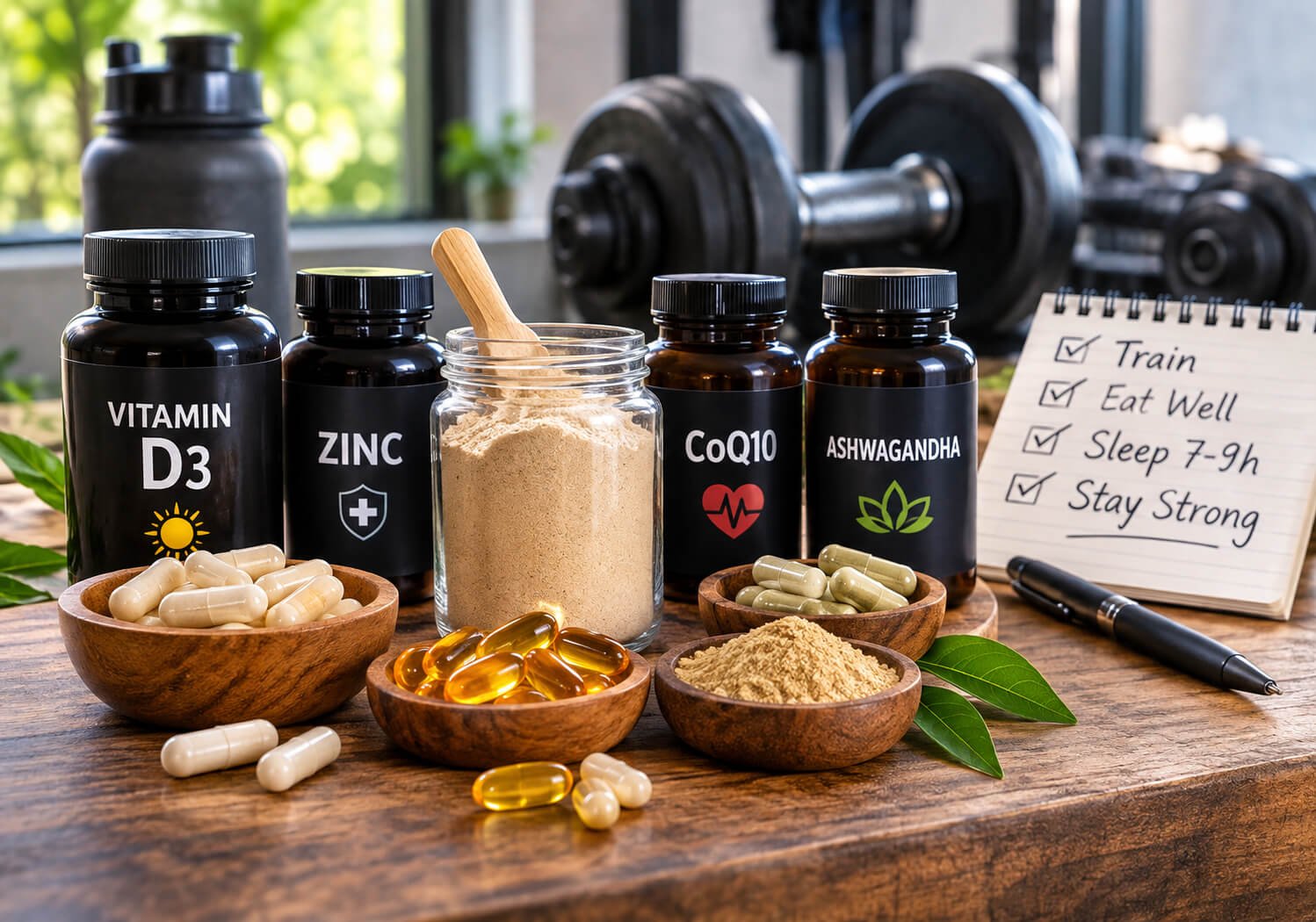
Stamina doesn’t just fade because you “got older.” After 40, testosterone declines roughly 1% per year, mitochondrial efficiency drops, and recovery windows stretch longer. The good news: a handful of well-researched natural supplements for male stamina over 40 can support the cardiovascular, hormonal, and energy-production systems that keep you moving. In this guide, I break down ten evidence-backed options, how to dose them, and how to pair them with the training that actually builds endurance.
Quick Answer: The most evidence-backed natural supplements for male stamina over 40 are L-citrulline (for blood flow and nitric oxide), zinc (for testosterone support), vitamin D (for muscle function and mood), ashwagandha (for cortisol and recovery), and CoQ10 (for mitochondrial energy). Pair them with 150 minutes of moderate cardio and two resistance sessions per week, per the CDC Physical Activity Guidelines.
Why Stamina Changes After 40
Before you reach for a bottle, it helps to understand what’s shifting. Three things compound in your forties:
- Hormonal drift. Testosterone and growth hormone decline gradually. This reduces muscle protein synthesis and can make you feel sluggish even after a full night of sleep.
- Cardiovascular remodeling. Arterial stiffness increases, which means your heart works harder to push blood to working muscles. Nitric oxide production, the molecule that keeps vessels relaxed, drops with age.
- Mitochondrial output. Your cells produce slightly less ATP per unit of oxygen. You need more oxygen to hit the same pace you hit at 30.
None of this is a death sentence for your energy. It means you need to be a little more intentional about fuel, recovery, and targeted support. Supplements fill small gaps; they don’t replace training, sleep, or a balanced plate.
10 Natural Supplements for Male Stamina Over 40
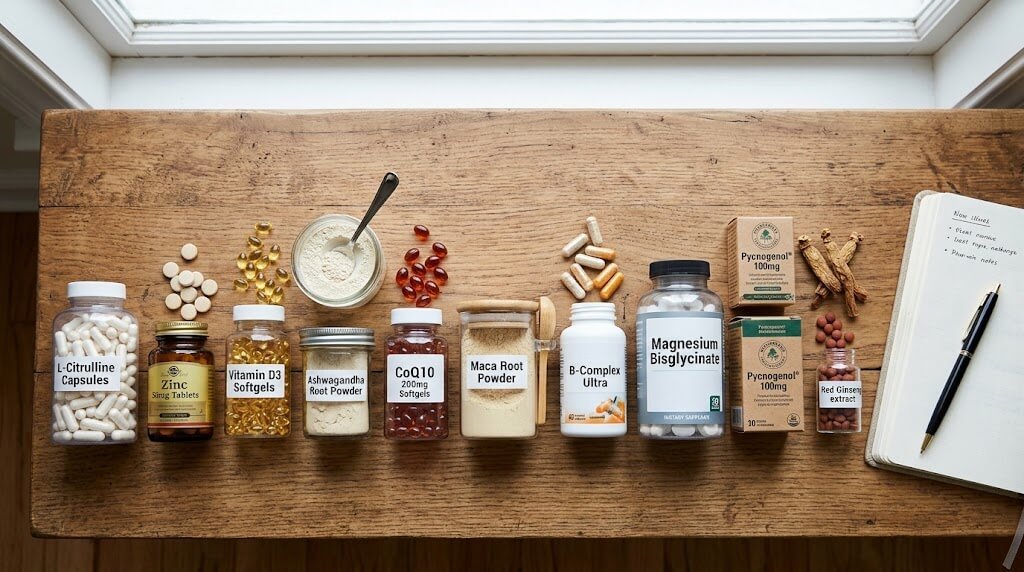
Here are the ten options I’d put on a shortlist for a male client in his forties, fifties, or beyond who wants to protect and rebuild daily energy. I’ve ordered them by the strength of available evidence and practicality.
1. L-Citrulline (Blood Flow and Endurance)
What it does: L-citrulline converts to L-arginine in the kidneys, boosting nitric oxide (NO) production. More NO means relaxed blood vessels, better oxygen delivery to muscles, and a lower perceived effort at a given pace.
Evidence: A 2020 meta-analysis in the Journal of the International Society of Sports Nutrition found that L-citrulline supplementation (6–8 g) improved time-to-exhaustion and reduced heart rate during submaximal exercise. For men over 40, whose endothelial NO synthase activity is already declining, this is a meaningful nudge.
Dosing: 3–6 g of L-citrulline malate (or 2–4 g pure L-citrulline) 60 minutes before training. For daily vascular support, 2–3 g with a meal.
Who it’s for: Anyone who notices they get winded faster on stairs, long walks, or cycling intervals.
2. Zinc (Testosterone and Immune Support)
What it does: Zinc is a cofactor in over 300 enzymatic reactions, including testosterone synthesis in the Leydig cells. Deficiency is common in men over 40 who don’t eat much red meat or seafood.
Evidence: The NIH Office of Dietary Supplements notes that zinc deficiency can lower serum testosterone and impair immune function. A 2019 RCT in Andrologia showed that zinc supplementation in zinc-deficient men raised testosterone by roughly 10–15% over 12 weeks.
Dosing: 15–30 mg elemental zinc per day (as zinc picolinate or zinc bisglycinate for better absorption). Take with food to avoid nausea. Don’t exceed 40 mg/day long-term without monitoring.
Who it’s for: Men who eat little zinc-rich food (oysters, beef, pumpkin seeds) or who report low energy, poor recovery, and mild immune issues.
3. Vitamin D (Muscle Function, Mood, and Hormonal Health)
What it does: Vitamin D receptors are present in skeletal muscle, cardiac tissue, and the brain. Low levels are linked to muscle weakness, fatigue, and lower testosterone.
Evidence: The NIH Office of Dietary Supplements reports that roughly 42% of U.S. adults have insufficient vitamin D levels. A 2022 review in Sports Medicine linked adequate vitamin D status (≥30 ng/mL) to better muscle power and reduced injury risk in middle-aged adults.
Dosing: Get a 25-hydroxyvitamin D blood test first. If below 30 ng/mL, 2,000–5,000 IU of D3 daily is typical. Pair with 2–3 mg of vitamin K2 (MK-7) for calcium routing.
Who it’s for: Indoor workers, men in northern latitudes, and anyone whose blood work shows a level under 30 ng/mL.
4. Ashwagandha (Cortisol Management and Recovery)
What it does: This adaptogenic root (Withania somnifera) may lower cortisol, improve sleep quality, and reduce perceived fatigue. Lower chronic cortisol means less muscle breakdown and better recovery between sessions.
Evidence: A 2019 meta-analysis in The Journal of the International Society of Sports Nutrition found that 600 mg of ashwagandha extract (KSM-66) for 8–12 weeks improved VO2 max by ~5% and reduced resting heart rate in resistance-trained adults.
Dosing: 300–600 mg of a standardized extract (KSM-66 or Sensoril) with dinner. Give it 4–6 weeks before judging results.
Who it’s for: Men who feel “wired but tired,” struggle with afternoon energy crashes, or train hard but recover slowly.
Coach’s Tip: If you’re adding ashwagandha to your routine, track your resting heart rate each morning for the first three weeks. A drop of 3–5 bpm is a practical sign that your parasympathetic recovery is improving. Pair it with 7–8 hours of sleep; the supplement supports the system, but sleep does the heavy lifting.
5. CoQ10 / Ubiquinol (Mitochondrial Energy Production)
What it does: Coenzyme Q10 (CoQ10) is a component of the electron transport chain in your mitochondria. It helps cells convert oxygen and nutrients into ATP. As you age, endogenous CoQ10 levels decline, which can blunt peak power and slow recovery.
Evidence: A 2020 review in Frontiers in Physiology noted that CoQ10 supplementation (200–300 mg) improved exercise capacity and reduced oxidative stress markers in middle-aged and older adults.
Dosing: 100–200 mg of ubiquinol (the reduced, more absorbable form) with a fat-containing meal. Start at 100 mg and work up.
Who it’s for: Men over 45 who notice they can’t sustain the same pace on runs, bike rides, or gym sessions they used to handle easily.
6. Maca Root (Energy, Mood, and Hormonal Balance)
What it does: Maca (Lepidium meyenii) is a Peruvian cruciferous root. It doesn’t raise testosterone directly, but it may support energy, mood, and subjective well-being through adaptogenic and mild hormonal-modulating pathways.
Evidence: A 2018 systematic review in Phytotherapy Research found that 1.5–3 g of maca powder daily for 8–12 weeks improved self-reported energy and reduced fatigue in middle-aged adults. Effects on libido were modest but consistent.
Dosing: 1.5–3 g of gelatinized maca powder in a smoothie or coffee. Gelatinized form is easier on the stomach.
Who it’s for: Men who want a gentle, daily “I feel more like myself” nudge without stimulants.
7. B-Complex Vitamins (ATP Production and Nerve Function)
What it does: B vitamins (especially B1, B2, B3, B5, B6, B7, B9, B12) are coenzymes in cellular respiration. They help your body turn carbohydrates, fats, and proteins into usable energy. Deficiencies—more common after 40 due to reduced stomach acid and absorption—show up as fatigue, brain fog, and poor endurance.
Evidence: The NIH Office of Dietary Supplements highlights that B12 deficiency, in particular, can cause fatigue and anemia. A 2021 review in Nutrients linked adequate B-vitamin status to better exercise performance and reduced perceived exertion.
Dosing: A quality B-complex providing 100% DV of each B vitamin, taken in the morning with food. If you’re over 50 or on acid-reducing medication, look for methylcobalamin (active B12) and methylfolate (active B9).
Who it’s for: Men who skip breakfast, follow a low-carb diet, or have been told their B12 or folate is on the low side.
8. Magnesium (Muscle Relaxation, Sleep, and Energy)
What it does: Magnesium participates in over 600 reactions, including ATP synthesis, muscle contraction/relaxation, and nerve signaling. Low magnesium is associated with poor sleep, muscle cramps, and elevated resting heart rate.
Evidence: The NIH Office of Dietary Supplements notes that many adults don’t meet the recommended intake. A 2021 meta-analysis in Sports Medicine found that 300–500 mg of magnesium bisglycinate improved sleep quality and reduced muscle soreness in active adults.
Dosing: 200–400 mg of magnesium bisglycinate or threonate 60–90 minutes before bed. Avoid oxide form (poor absorption, laxative effect).
Who it’s for: Men who get leg cramps, sleep poorly, or feel “tight” and fatigued by mid-afternoon.
9. Pycnogenol / Grape Seed Extract (Vascular Health)
What it does: Pycnogenol is a standardized French maritime pine bark extract rich in proanthocyanidins. It supports endothelial function and may complement NO pathways, improving microcirculation.
Evidence: A 2019 RCT in Journal of Clinical Medicine found that 150 mg of Pycnogenol daily for 12 weeks improved flow-mediated dilation (a measure of arterial flexibility) in middle-aged adults.
Dosing: 100–200 mg daily with a meal.
Who it’s for: Men who want an extra layer of cardiovascular support alongside L-citrulline, especially if they notice cold hands/feet or slow recovery after cardio.
10. Korean Red Ginseng (Ginsenosides and Perceived Fatigue)
What it does: Red ginseng (Panax ginseng, steam-processed) contains ginsenosides that may improve oxygen utilization, reduce perceived fatigue, and support adrenal function.
Evidence: A 2020 meta-analysis in Complementary Therapies in Medicine found that 200–600 mg of standardized ginseng extract for 4–12 weeks reduced fatigue scores and improved exercise endurance in middle-aged populations.
Dosing: 200–400 mg of a standardized extract (5% ginsenosides) in the morning. Cycle: 8 weeks on, 2 weeks off.
Who it’s for: Men who feel mentally and physically drained by 2 p.m. and want a non-caffeine-based energy support.
How to Build a Practical Daily Stack
You don’t need all ten. In fact, taking everything at once makes it impossible to know what’s helping. Here’s a simple, phased approach I use with clients:
| Phase | Duration | Add | Purpose |
| 1 | Weeks 1–4 | Vitamin D3 + B-complex + Magnesium | Fill foundational gaps, improve sleep and baseline energy |
| 2 | Weeks 5–8 | L-citrulline (pre-workout) + Zinc | Support blood flow and testosterone |
| 3 | Weeks 9–12 | Ashwagandha + CoQ10 | Manage cortisol, boost mitochondrial output |
| 4 | Ongoing | Maca or Red Ginseng (pick one) | Daily energy and mood support |
Morning (with breakfast): Vitamin D3 + K2, B-complex, Zinc (if not taken at dinner), Red Ginseng or Maca.
Pre-workout (60 min before): L-Citrulline 3–6 g.
Evening (with dinner or 60 min before bed): Ashwagandha, CoQ10, Magnesium.
Common Mistake: Loading up on five new supplements the same week. If you feel a change (good or bad), you won’t know which one caused it. Add one new supplement every 2–3 weeks and note how you feel in a simple journal: energy level (1–10), sleep quality, workout performance, and any side effects.
Beyond the Bottle: Training and Lifestyle Levers
Supplements are the 10% that can tip the scale. The 90% is still training, sleep, and nutrition.
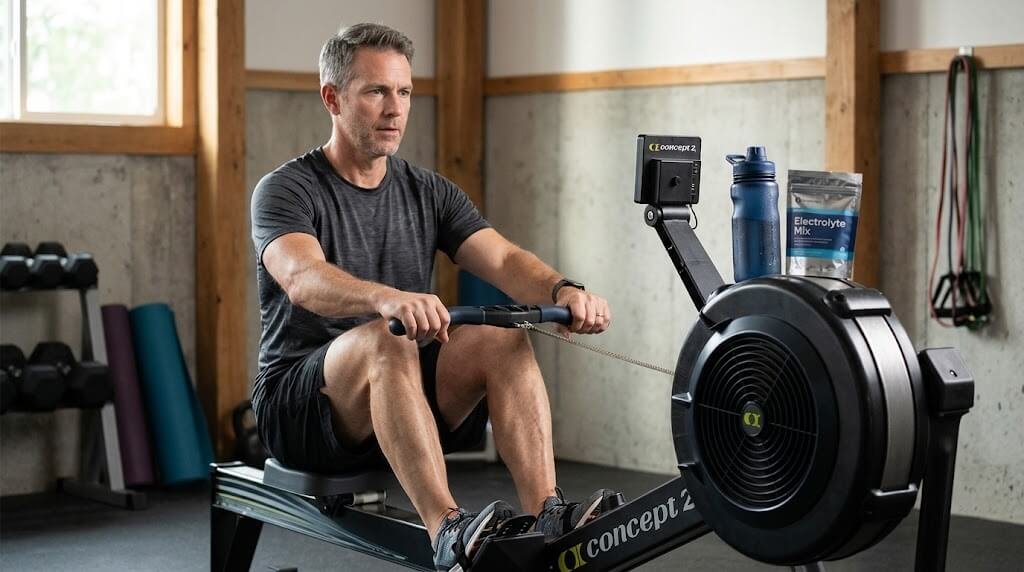
Cardio: Aim for 150 minutes of moderate-intensity aerobic activity per week (brisk walking, cycling, swimming) plus two days of resistance training, as outlined in the CDC Physical Activity Guidelines for Americans. For stamina specifically, add one weekly “zone 2” session: 30–45 minutes at 60–70% of your max heart rate, where you can hold a conversation but can’t sing. This builds the aerobic base that supplements can’t replicate.
Resistance training: Two to three full-body sessions per week, focusing on compound lifts (squats, deadlifts, rows, presses) at 8–12 reps for 3 sets. This preserves lean mass, which is your metabolic engine.
Sleep: 7–9 hours in a cool, dark room. Poor sleep raises cortisol, blunts testosterone, and wrecks recovery. No supplement fixes a 4-hour night.
Nutrition: Prioritize 0.7–1.0 g of protein per pound of body weight daily, eat colorful vegetables for micronutrients, and keep processed sugar low. If you’re cutting calories aggressively, your stamina will suffer regardless of what’s in your supplement drawer.
Safety Notes and Who Should Talk to a Doctor First
- Kidney or liver conditions: L-citrulline, CoQ10, and high-dose zinc should be discussed with your physician if you have impaired renal or hepatic function.
- Blood-pressure or blood-thinner medications: L-citrulline, Pycnogenol, and red ginseng can affect blood pressure and platelet function. Check with your doctor before combining them with antihypertensives or anticoagulants.
- Hormonal conditions: If you’ve been diagnosed with hypogonadism, prostate issues, or are on testosterone therapy, do not add zinc, maca, or ginseng without your endocrinologist’s input.
- Pregnancy or breastfeeding (for partners): While this article targets men, ashwagandha and red ginseng are generally not recommended during pregnancy.
- Drug interactions: St. John’s Wort, SSRIs, and thyroid medications can interact with adaptogens. Run your full supplement list past your pharmacist.
If you have a chronic condition, take prescription medications, or are over 65, a quick conversation with your primary-care physician or a sports-medicine specialist before starting any new supplement is the smart move. This article is for general information and is not a substitute for advice from a doctor or physical therapist.
How to Know If a Supplement Is Actually Working
Set a 4–6 week window. Track three simple metrics:
- Resting heart rate (first thing in the morning, before sitting up). A drop of 3–7 bpm suggests improved cardiovascular efficiency.
- Perceived exertion on a familiar activity (e.g., a 3-mile walk or a 20-minute bike ride). Rate it 1–10. If the same effort feels a 2 instead of a 4, something is shifting.
- Sleep quality and afternoon energy. Use a 1–5 scale.
If nothing changes after 6 weeks at the stated dose, the supplement likely isn’t addressing your bottleneck. Reassess sleep, training volume, and nutrition before adding another bottle.
FAQ
What are the best natural supplements for male stamina over 40?
The top evidence-backed options are L-citrulline (blood flow), zinc (testosterone support), vitamin D (muscle and hormonal health), ashwagandha (cortisol and recovery), and CoQ10 (mitochondrial energy). Start with two or three, not all five, and add others in phases.
Can supplements replace exercise for building stamina?
No. Supplements support the systems that training stresses. The ACSM’s position stand on exercise and physical activity is clear: regular aerobic and resistance training are the primary drivers of improved cardiovascular fitness and endurance. Supplements are a complement, not a substitute.
How long do stamina supplements take to work?
Most require 4–8 weeks of consistent use. L-citrulline may show a mild acute effect within an hour of dosing, but its vascular benefits build over weeks. Ashwagandha, CoQ10, and zinc typically need 6–12 weeks before you notice a meaningful shift in daily energy or workout performance.
Are natural stamina supplements safe for long-term use?
Most of the supplements listed here have a strong safety profile at the stated doses. However, “natural” doesn’t automatically mean “risk-free.” Zinc above 40 mg/day long-term can deplete copper. Ashwagandha should be cycled. Always check interactions with your medications and get periodic blood work (liver, kidney, zinc, vitamin D levels).
Do I need a blood test before starting these supplements?
It’s smart, especially for vitamin D, zinc, B12, and magnesium. A simple panel (25-OH vitamin D, serum zinc, B12, magnesium, CBC, lipid panel) gives your doctor a baseline and tells you which gaps are real versus assumed. You don’t need to guess.
Can I take all of these together?
Technically, most don’t interact dangerously at standard doses, but stacking ten supplements at once is impractical and makes troubleshooting hard. Use the phased approach above. Also, take fat-soluble vitamins (D3, CoQ10) with a meal that contains fat, and separate zinc from calcium and iron by at least 2 hours for better absorption.
Conclusion
Finding the best natural supplements for male stamina over 40 isn’t about chasing the newest trending ingredient. It’s about identifying where your body has a small gap—vitamin D, zinc, nitric oxide production, cortisol balance—and filling it with a targeted, well-dosed option while you keep showing up for your training. Start with two or three, give each one four to six weeks, track how you feel, and build from there. Pair the supplements with 150 minutes of weekly cardio, two resistance sessions, solid sleep, and a protein-rich plate, and you’ll give your body the best chance to keep up with the life you want at 40, 50, 60, and beyond.