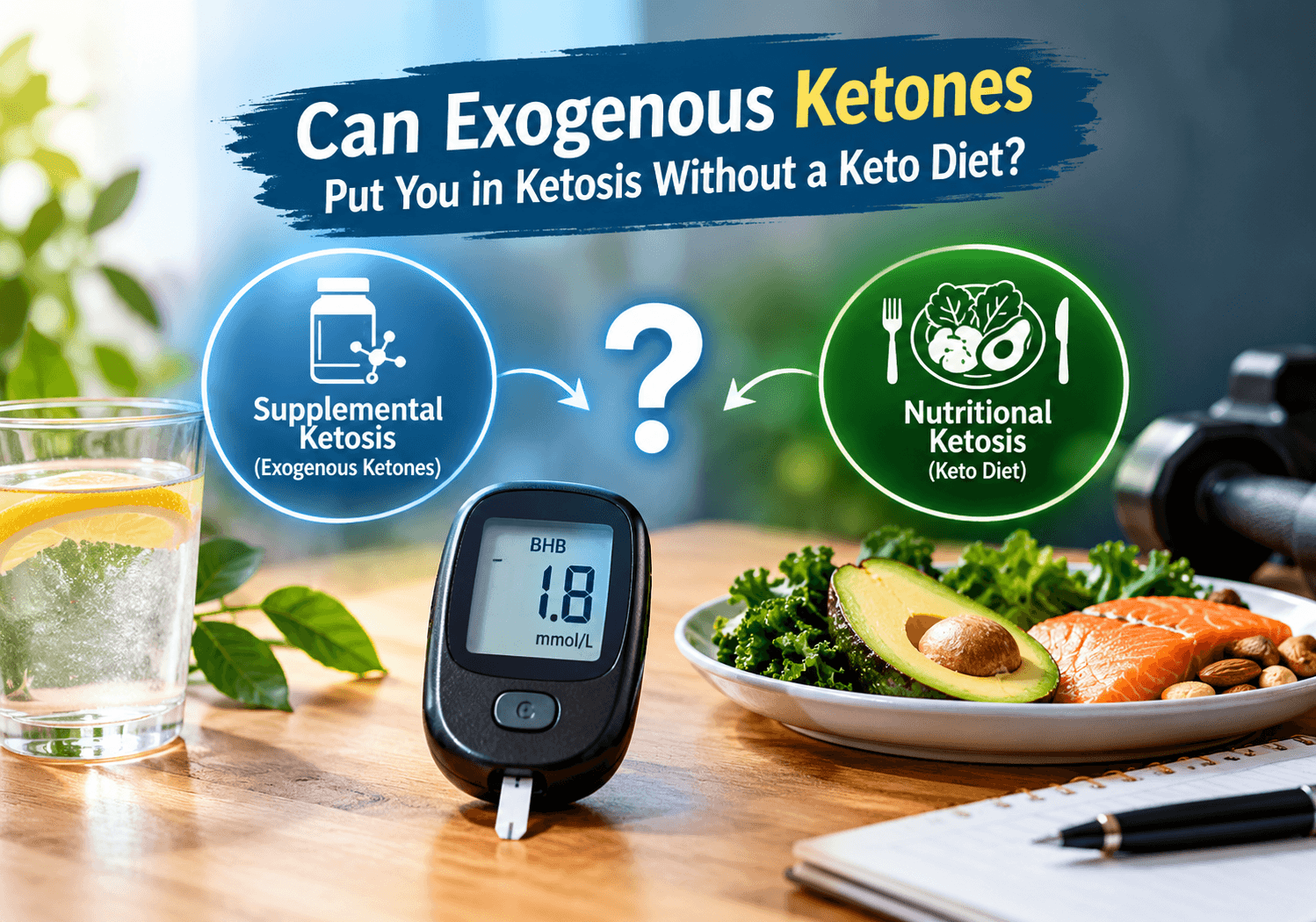
Many athletes and fitness enthusiasts ask, “Can exogenous ketones put you in ketosis without a keto diet?” The short answer is yes, but with major caveats. Taking a ketone supplement will temporarily raise your blood ketone levels, creating a state of supplemental ketosis. However, this is not the same as the deep, fat-adapted metabolic state achieved through strict carbohydrate restriction. Understanding the difference between nutritional ketosis and supplemental ketosis is critical for setting realistic fitness goals, managing your energy, and avoiding wasted money on expensive supplements.
As a strength and conditioning coach, I see clients reach for ketone powders hoping for a magic shortcut to fat loss or endless energy. While exogenous ketones have legitimate, evidence-based uses for performance and recovery, they do not replace the foundational work of a well-structured diet and training program. This guide breaks down exactly what the research says, how to use these supplements safely, and how to apply them to your routine for maximum benefit.
Quick Answer
Yes, exogenous ketones can temporarily put you in a state of ketosis without a keto diet by raising blood ketone levels. However, this is “supplemental ketosis,” not true fat-adapted “nutritional ketosis.” Your body will still burn glucose from the carbohydrates you eat. Exogenous ketones are best used as a targeted performance or recovery tool, not a substitute for a low-carb diet.
The Science: What the Research Says
To understand if you can achieve ketosis without dietary changes, we must first define what ketosis actually is. Ketosis is a metabolic state where the body shifts from primarily burning glucose (sugar) to burning ketone bodies for fuel.
Endogenous Ketosis (The Keto Diet)
When you restrict carbohydrates to roughly 20–50 grams per day, your liver depletes its glycogen stores. In response, the liver begins breaking down fatty acids into ketone bodies: beta-hydroxybutyrate (BHB), acetoacetate, and acetone. This process, called endogenous ketogenesis, typically takes 2 to 4 days of strict carb restriction. Research published in the Journal of Clinical Investigation confirms that this metabolic shift lowers insulin levels and increases fat oxidation, leading to true fat adaptation over weeks or months.
Exogenous Ketosis (Supplemental)
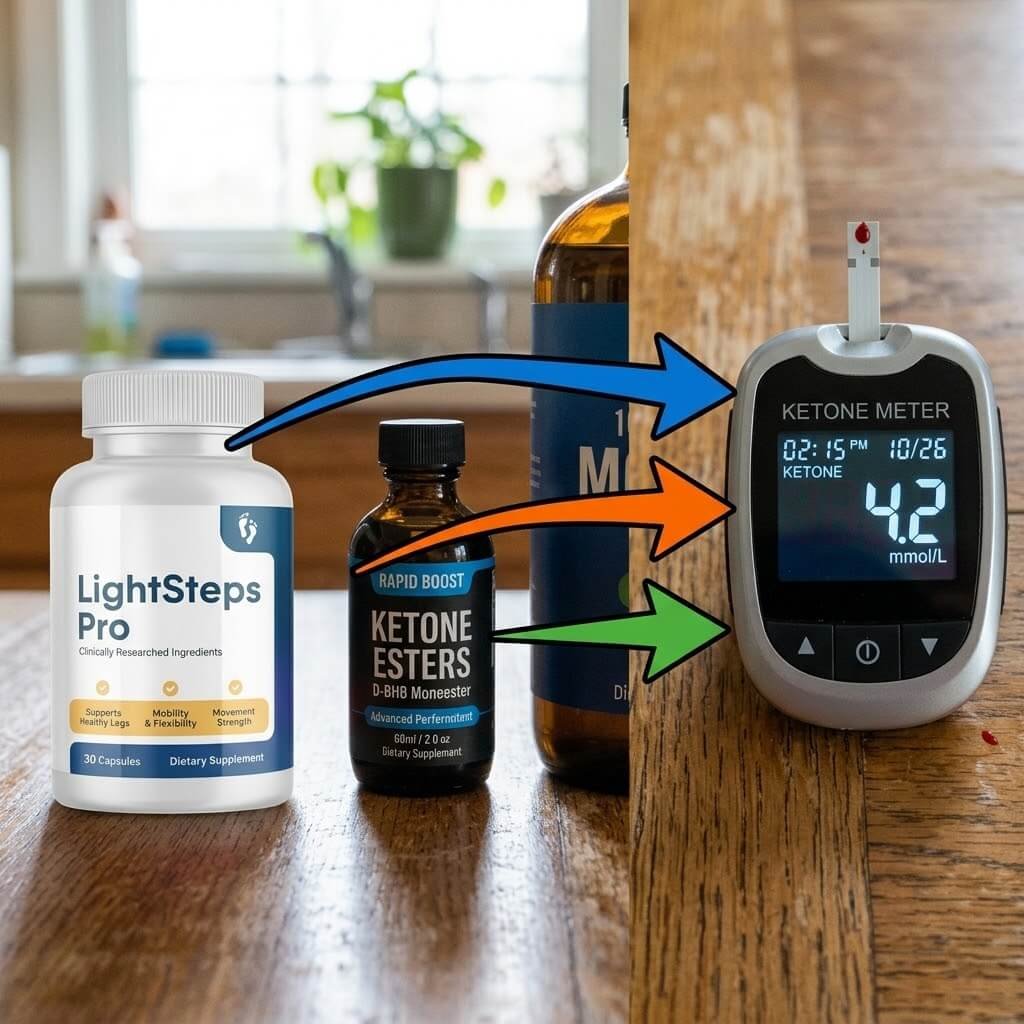
Exogenous ketones are ketone bodies produced outside the body and consumed via supplements. When you drink a BHB salt or ketone ester, your blood ketone levels rise rapidly, often within 30 to 60 minutes. A study in the Journal of Physiology demonstrated that ingesting exogenous ketone esters can elevate blood BHB levels to 1.0–3.0 mmol/L, which is the same range seen in nutritional ketosis.
However, there is a critical distinction. If you consume exogenous ketones while eating a high-carbohydrate diet, your body does not stop producing insulin or burning glucose. The carbohydrates you eat will still spike your blood sugar, and your liver will not be forced to produce its own ketones. You are simply adding ketones to a glucose-burning system.
Therefore, while a blood meter might read “in ketosis” after taking a supplement, your underlying metabolism has not changed. You are not fat-adapted, and you will not experience the long-term metabolic benefits of a ketogenic diet, such as sustained appetite suppression or improved insulin sensitivity, unless you also manage your carbohydrate intake.
Ketone Supplements: Types and Blood Ketone Levels
Not all ketone supplements are created equal. The market primarily offers three types of exogenous ketones, each with different absorption rates, costs, and effects on blood ketone levels.
| Supplement Type | Primary Ingredient | Typical Blood BHB Rise | Time to Peak | Best Use Case |
| BHB Salts | Beta-hydroxybutyrate bound to sodium, potassium, calcium, or magnesium. | 0.5 – 1.5 mmol/L | 30 – 60 minutes | Pre-workout energy, mitigating “keto flu,” general recovery. |
| Ketone Esters | Pure BHB or acetoacetate bound to an alcohol (ester). | 1.0 – 3.0+ mmol/L | 15 – 30 minutes | Elite endurance performance, rapid cognitive focus, clinical research. |
| MCT Oil | Medium-chain triglycerides (C8 or C10). | 0.2 – 0.5 mmol/L | 60 – 90 minutes | Daily dietary fat source, mild ketone boost, gut health support. |
Note: Blood ketone levels above 0.5 mmol/L are generally considered the threshold for ketosis. Levels above 3.0 mmol/L are typically only seen with ketone esters or prolonged fasting.
While BHB salts are the most common and affordable, they deliver a significant dose of electrolytes. A single serving can contain 500–1,000 mg of sodium. If you are already consuming a high-sodium diet, this can lead to bloating or elevated blood pressure. Ketone esters are highly effective but notoriously expensive and often have a harsh, chemical taste. MCT oil does not contain actual ketones; rather, it provides the liver with the raw materials to produce them, but only if carbohydrate intake is low enough to allow it.
How to Apply Exogenous Ketones Without a Keto Diet
If you are not following a strict keto diet but still want to leverage the benefits of exogenous ketones, you must use them strategically. Randomly drinking ketone powder with a bagel will not yield meaningful results. Instead, treat exogenous ketones as a targeted ergogenic aid, similar to how you would use caffeine or creatine.
Step 1: Define Your Goal
Are you using ketones for pre-workout energy, mental focus during a long workday, or post-workout recovery? Your goal dictates the type and timing of the supplement. For physical performance, BHB salts or esters are superior to MCT oil due to their faster absorption rate.
Step 2: Timing and Dosage
For a noticeable effect, timing is everything.
- Pre-Workout: Consume 10–15 grams of BHB salts or 15–20 ml of a ketone ester 30 to 45 minutes before training. This provides an immediate, alternative fuel source for the brain and muscles, which can be especially useful during fasted training or long endurance sessions.
- Post-Workout: Taking BHB salts after a hard session can help replenish electrolytes lost through sweat and may reduce perceived muscle soreness, as noted in some preliminary sports nutrition research.
Step 3: Hydration and Electrolyte Management
Because BHB salts are bound to minerals, they pull water into the digestive tract. Always mix your ketone supplement with at least 16 to 24 ounces (470 to 710 ml) of water. If you are also taking other supplements to support healthy glucose metabolism, such as chromium picolinate, ensure you space them out to avoid gastrointestinal distress.
COACH’S TIP:
Start with a half-dose (e.g., 5–7 grams of BHB) to assess your tolerance. Exogenous ketones can cause a rapid shift in fluid balance. Pairing your ketone supplement with a strategy for improving insulin sensitivity, like a brief post-meal walk, can help your body manage the carbohydrates you do eat more effectively, preventing massive energy crashes.
Step 4: Sample Routine for a Moderate-Carb Athlete
You do not need to be in deep ketosis to benefit from ketones. Here is a practical way to integrate them into a standard training week where you consume 150–200 grams of carbohydrates daily.
- Morning (Fasted or Light Breakfast): 10g BHB salts in 20 oz of water. Supports mental clarity before a morning commute or light mobility work.
- Pre-Workout (45 mins prior): 15g BHB salts or a ketone ester shot. Provides clean energy without the jitters of high-dose caffeine. This is also a great time to consider ingredients that support nitric oxide production to enhance blood flow and muscle pumps during your lift.
- Post-Workout: Standard protein and carbohydrate recovery meal. The exogenous ketones consumed earlier will have cleared your system, allowing insulin to do its job of shuttling nutrients into muscle cells for repair.
COMMON MISTAKE:
The “Free Pass” Fallacy. Many people believe that taking exogenous ketones gives them a free pass to eat unlimited junk food because “they are in ketosis.” This is false. If you consume a high-sugar meal, your body will prioritize burning that glucose, and the exogenous ketones will simply be excreted in your urine or oxidized without providing any unique metabolic advantage.
Safety Notes and Who Should Be Careful
While exogenous ketones are generally recognized as safe (GRAS) for healthy adults, they are not suitable for everyone. As a coach, I always advise clients to prioritize whole foods and consult a healthcare provider before adding potent metabolic supplements to their routine.
1. Gastrointestinal Distress
The most common side effect is stomach upset, including nausea, cramping, and diarrhea. This is particularly true for ketone esters and high doses of MCT oil. Always start with a low dose and take it with a small amount of food if you have a sensitive stomach.
2. Electrolyte Imbalance
Because BHB salts are loaded with sodium, potassium, and magnesium, they can disrupt your daily mineral balance if you are not tracking your intake. Individuals with hypertension or kidney issues should be especially cautious. If you are researching what causes poor blood circulation in men, you may already be monitoring your cardiovascular health; adding massive amounts of sodium via ketone salts could counteract those efforts.
3. Risk of Hypoglycemia in Diabetics
Exogenous ketones can lower blood glucose levels. For individuals with Type 1 or Type 2 diabetes who are on glucose-lowering medications (like insulin or metformin), this can increase the risk of dangerous hypoglycemia. Medical supervision is absolutely mandatory in these cases.
4. Not for Pregnancy or Breastfeeding
There is insufficient research on the safety of exogenous ketone supplements during pregnancy or lactation. The metabolic demands of pregnancy are unique, and artificial manipulation of ketone levels is not recommended without direct obstetric guidance.
5. Interaction with Other Supplements
If you are stacking supplements, be mindful of the total mineral load. For example, if you are already comparing L-arginine vs L-citrulline for blood flow to enhance your workouts, adding a high-sodium BHB salt on top of a pre-workout containing additional sodium can lead to severe bloating and elevated blood pressure. Always check the nutrition labels of all your supplements.
Related Tips for Metabolic Flexibility
If your goal is to improve your body’s ability to burn fat for fuel without committing to a lifelong keto diet, exogenous ketones are just one piece of the puzzle. True metabolic flexibility is built through consistent lifestyle habits.
Embrace Periodic Low-Carb Days
Instead of taking ketones on a high-carb day, try aligning your supplement use with a low-carb, high-fat day. This “carb cycling” approach allows you to experience the benefits of nutritional ketosis a few days a week while still fueling high-intensity workouts with carbohydrates on other days.
Prioritize Sleep and Stress Management
Chronic stress elevates cortisol, which in turn raises blood glucose and halts ketone production. No supplement can out-work poor sleep. Aim for 7 to 9 hours of quality sleep per night to keep your hormonal environment conducive to fat burning.
Support Vascular Health
Efficient nutrient delivery and waste removal are critical for metabolic health. Maintaining healthy blood vessel function ensures that oxygen and alternative fuels like ketones reach your working muscles efficiently. Regular cardiovascular exercise, adequate hydration, and a diet rich in leafy greens and beets naturally support this. Furthermore, understanding the broader nitric oxide benefits for men’s health can help you optimize your overall circulation, making your workouts more effective whether you are using ketones or not.
Progressive Overload in Training
Muscle tissue is your largest metabolic sink. The more muscle you have, the more glucose your body can dispose of, improving your overall metabolic health. Focus on progressive overload in your resistance training, gradually increasing the weight, reps, or intensity over time.
Frequently Asked Questions (FAQ)
1. Do ketone supplements work if you eat carbs?
Yes, they will still raise your blood ketone levels temporarily. However, your body will simultaneously burn the glucose from the carbohydrates. You will not achieve fat adaptation, and the ketones may simply be used as a short-term energy source or excreted, rather than providing long-term metabolic benefits.
2. Can BHB salts kickstart ketosis on a keto diet?
Yes. If you are transitioning to a keto diet, BHB salts can help bridge the gap during the first few days before your liver becomes efficient at producing its own ketones. This can significantly reduce the fatigue and brain fog associated with the “keto flu.”
3. Are exogenous ketones safe for non-keto dieters?
For most healthy adults, yes, when used in moderation. However, because BHB salts contain high levels of sodium and potassium, individuals with kidney issues, high blood pressure, or those on specific medications should consult a doctor before use.
4. How long do exogenous ketones keep you in ketosis?
The effects are temporary. Blood ketone levels typically peak 30 to 60 minutes after ingestion and return to baseline within 2 to 4 hours, depending on the type of supplement, your dosage, and your individual metabolic rate.
5. What happens if you take ketones and eat a high-carb meal?
Your body will prioritize burning the glucose from the meal because carbohydrates trigger an insulin response. The exogenous ketones will not prevent this glucose spike, and you may experience gastrointestinal discomfort from mixing high fats/ketones with high carbohydrates.
6. Will exogenous ketones help with weight loss on a normal diet?
Not directly. Exogenous ketones do not magically melt body fat. Weight loss requires a caloric deficit. While ketones might slightly suppress appetite for a few hours, relying on them without managing your overall diet and exercise will not lead to sustainable weight loss.
Conclusion
So, can exogenous ketones put you in ketosis without a keto diet? Yes, temporarily. They will elevate your blood ketone readings and provide a short-term alternative energy source for your brain and muscles. However, this supplemental ketosis is fundamentally different from the deep, fat-adapted nutritional ketosis achieved through carbohydrate restriction.
If you choose to use exogenous ketones, treat them as a strategic tool for specific workouts, mental focus, or recovery, rather than a magic bullet for fat loss. Pair them with adequate hydration, a solid training program, and a balanced diet. Always listen to your body, start with low doses, and consult a healthcare professional if you have underlying health conditions.