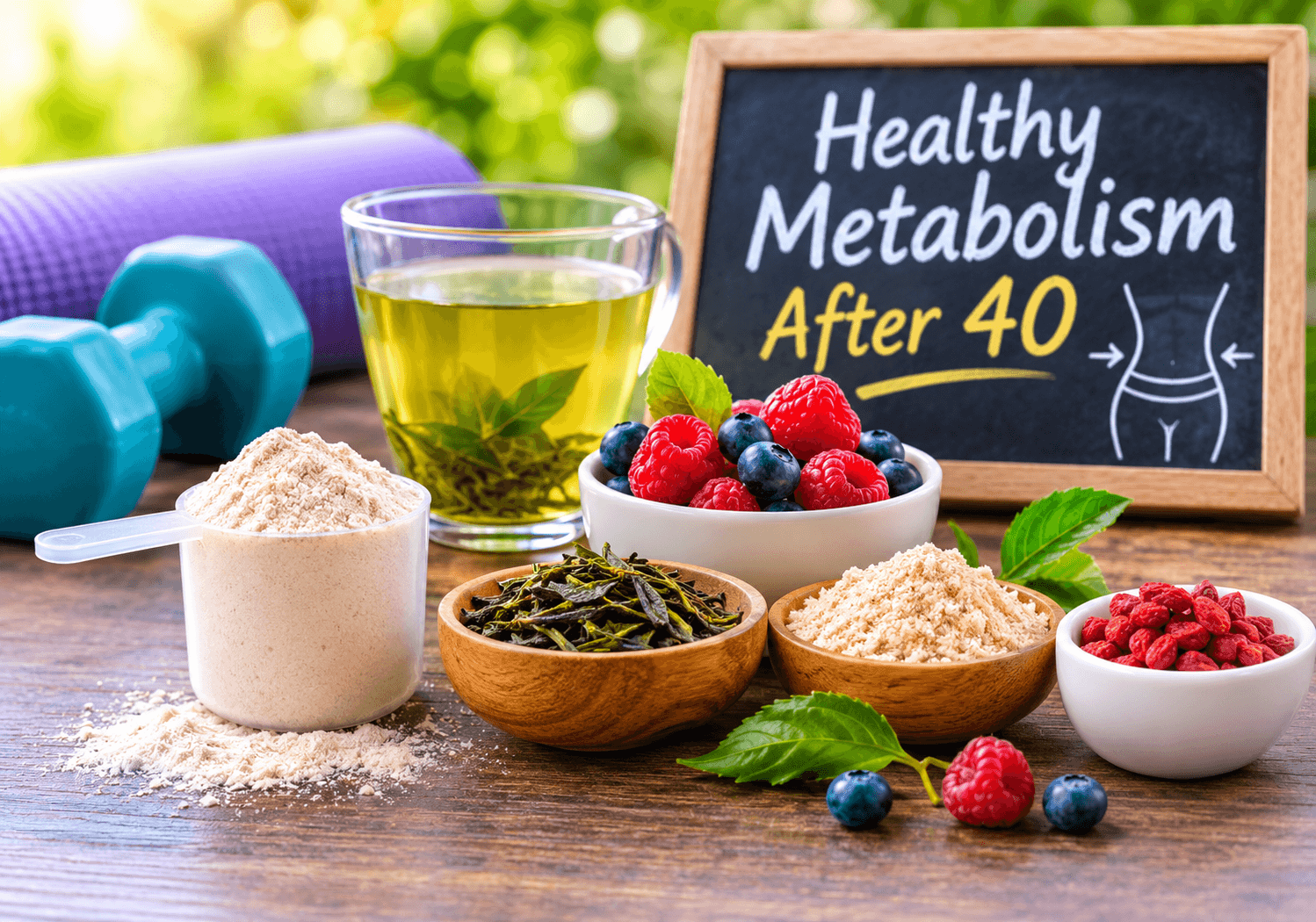
The Best Supplements for Slow Metabolism in Women Over 40: An Evidence-Based Guide
As a certified strength and conditioning coach, I frequently hear from women over 40 who feel like their metabolism has suddenly hit the brakes. Hormonal shifts, changes in muscle mass, and lifestyle factors all play a role in this natural transition. Finding the best supplements for slow metabolism in women over 40 requires looking beyond flashy marketing and focusing on evidence-based ingredients. These compounds support resting metabolic rate, insulin sensitivity, and appetite control. While no pill can replace a solid foundation of nutrition and resistance training, specific science-backed options can provide a meaningful edge.
Quick Answer
The best supplements for slow metabolism in women over 40 include high-quality protein powder, green tea extract (EGCG), berberine, glucomannan, and B-vitamins. These ingredients support muscle preservation, thermogenesis, insulin sensitivity, and satiety. Always pair supplementation with strength training and consult your doctor before starting any new regimen.
Why Metabolism Changes After 40 (and How to Support It)
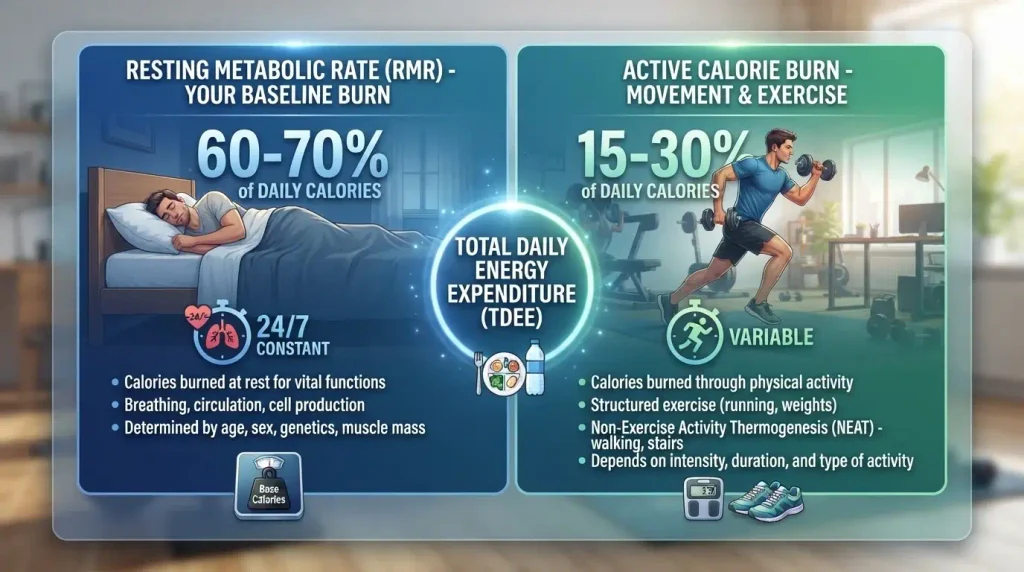
Metabolism is not a static number; it is a dynamic process influenced by age, hormones, and body composition. As women enter their 40s, declining estrogen levels can lead to a shift in fat storage, often moving from the hips to the abdomen. Simultaneously, age-related sarcopenia, or the natural loss of muscle mass, begins to accelerate if not actively countered. Muscle tissue is metabolically active, meaning it burns more calories at rest than fat tissue. Therefore, preserving lean body mass is the most effective way to maintain a healthy resting metabolic rate.
Lifestyle factors also play a massive role in this equation. Chronic stress elevates cortisol, which can promote fat storage and increase cravings for high-sugar foods. Furthermore, poor sleep quality disrupts the hormones that regulate hunger and fullness, making a calorie deficit much harder to maintain. You can learn more about how to increase metabolism naturally after 40 through targeted lifestyle adjustments. Addressing these foundational pillars is critical before adding any supplements to your routine.
Top 7 Best Supplements for Slow Metabolism in Women Over 40
When evaluating supplements, we must prioritize ingredients with robust clinical backing. The following list highlights compounds that address the specific metabolic challenges women face after 40, including insulin resistance, muscle loss, and hormonal fluctuations.
1. High-Quality Protein Powder (Whey or Plant-Based)
Who it’s for: Women struggling to meet daily protein targets or experiencing age-related muscle loss.
Key Features: Look for 20–30 grams of protein per serving, minimal added sugars, and a complete amino acid profile.
Pros: Directly supports muscle protein synthesis, increases thermic effect of food (TEF), and enhances satiety.
Cons: Dairy-based whey may cause bloating in those with lactose intolerance.
The Science: Research indicates that higher protein intake is strongly associated with better preservation of lean body mass during weight loss. Protein also has the highest thermic effect of any macronutrient, meaning your body burns more calories digesting it compared to fats or carbohydrates. Understanding the link between protein intake and metabolism is essential for long-term success.
2. Green Tea Extract (Standardized to EGCG)
Who it’s for: Women seeking a mild, natural metabolic boost without heavy stimulants.
Key Features: Should be standardized to contain at least 50% epigallocatechin gallate (EGCG), the primary active catechin.
Pros: May enhance fat oxidation, provides mild antioxidant support, and is generally well-tolerated.
Cons: High doses can cause mild stomach upset or interact with certain medications.
The Science: Clinical studies suggest that the combination of EGCG and caffeine in green tea can mildly increase resting energy expenditure. While the effect is modest, it serves as a supportive tool when combined with a calorie-controlled diet. You can read more about whether green tea extract increase resting metabolic rate in our detailed breakdown.
3. Berberine
Who it’s for: Women experiencing blood sugar spikes, insulin resistance, or intense carbohydrate cravings.
Key Features: Typically dosed at 500 mg, taken two to three times daily before meals.
Pros: Strong evidence for improving insulin sensitivity and supporting healthy lipid profiles.
Cons: Can cause digestive discomfort (cramping, diarrhea) when first introduced.
The Science: Berberine activates an enzyme called AMPK, often referred to as the body’s “metabolic master switch.” This activation helps improve glucose uptake into cells, reducing the amount of sugar circulating in the bloodstream. Learn how berberine support metabolic health in our evidence-based guide.
4. Glucomannan (Soluble Fiber)
Who it’s for: Women who struggle with portion control or frequent hunger between meals.
Key Features: A natural, water-soluble dietary fiber extracted from the roots of the elephant yam.
Pros: Expands in the stomach to promote profound feelings of fullness, supports healthy cholesterol levels.
Cons: Must be taken with plenty of water to prevent esophageal blockage; can cause gas or bloating.
The Science: Glucomannan absorbs up to 50 times its weight in water, forming a viscous gel in the digestive tract. This delays gastric emptying and blunts post-meal blood sugar spikes. Evidence shows that glucomannan reduce hunger effectively when used as part of a structured weight management plan.
5. BHB Ketone Supplements (Exogenous Ketones)
Who it’s for: Women following a low-carbohydrate or ketogenic diet, or those needing an alternative energy source during a calorie deficit.
Key Features: Look for products containing beta-hydroxybutyrate (BHB) salts bound to minerals like sodium, calcium, or magnesium.
Pros: May help suppress appetite, provide rapid mental clarity, and ease the transition into ketosis.
Cons: Can be expensive; may cause mild digestive upset or a temporary “keto flu” sensation.
The Science: Exogenous ketones provide the body with an immediate source of ketone bodies, bypassing the need for the liver to produce them from fat. While they do not directly “burn” body fat, they can help manage hunger and energy levels during dietary transitions. Discover which ingredients in keto supplements support fat metabolism for optimal results.
6. Magnesium (Glycinate or Citrate)
Who it’s for: Women with poor sleep quality, high stress, or muscle cramps.
Key Features: Magnesium glycinate is highly bioavailable and gentle on the stomach, while citrate may have a mild laxative effect.
Pros: Supports over 300 enzymatic reactions, including energy production and muscle relaxation.
Cons: Excessive intake can lead to loose stools or diarrhea.
The Science: Magnesium plays a critical role in glucose metabolism and insulin action. Deficiencies are common in older adults and are linked to increased insulin resistance. Ensuring adequate magnesium status is a foundational step in supporting overall metabolic flexibility.
7. B-Complex Vitamins (Especially B12 and B6)
Who it’s for: Women with low energy, fatigue, or those following restrictive dietary patterns (like veganism).
Key Features: Look for methylated forms of B12 (methylcobalamin) and B6 (pyridoxal-5-phosphate) for superior absorption.
Pros: Essential for converting food into usable cellular energy (ATP); supports nervous system health.
Cons: Water-soluble, meaning excess is excreted in urine; high doses of B6 over long periods can cause nerve issues.
The Science: B-vitamins act as coenzymes in the metabolic pathways that break down carbohydrates, fats, and proteins. If you suspect a deficiency, it is vital to know which vitamins support metabolism when deficient to restore optimal energy production.
Comparison Table: Top Metabolism Supplements
| Supplement | Key Active Ingredient | Best For | Typical Daily Dose | Price Range |
| Protein Powder | Whey Isolate or Pea Protein | Muscle preservation, satiety | 20–30 g per serving | 25–50 |
| Green Tea Extract | EGCG (50%+) | Mild thermogenesis, antioxidants | 250–500 mg | 15–30 |
| Berberine | Berberine HCl | Insulin sensitivity, blood sugar | 500 mg, 2–3x daily | 20–40 |
| Glucomannan | Konjac root fiber | Appetite control, fullness | 1–3 g before meals | 15–25 |
| BHB Ketones | Beta-hydroxybutyrate salts | Energy, keto adaptation | 5–10 g per serving | 30–60 |
| Magnesium | Magnesium Glycinate | Sleep, stress, enzyme function | 200–400 mg | 15–25 |
| B-Complex | Methylcobalamin (B12) | Cellular energy, nervous system | 1 capsule daily | 15–30 |
Note: Prices are approximate and vary by brand and retailer. Always check for third-party testing certifications like NSF or USP.

How to Choose the Best Supplements for Slow Metabolism in Women Over 40
Navigating the supplement aisle can be overwhelming. Use this buyer’s checklist to ensure you are investing in safe, effective products.
- Third-Party Testing: Only purchase supplements verified by independent organizations like NSF International, USP, or Informed-Choice. This guarantees the product contains what the label claims and is free from harmful contaminants.
- Transparent Labeling: Avoid “proprietary blends” that hide the exact dosages of individual ingredients. You need to know if you are getting a clinically effective dose.
- Form and Bioavailability: The chemical form matters. For example, magnesium glycinate is absorbed much better than magnesium oxide. Similarly, methylated B-vitamins are superior for individuals with MTHFR gene mutations.
- Budget and Value: Calculate the cost per serving, not just the cost per bottle. A cheaper bottle that lasts only 10 days is more expensive than a premium bottle that lasts 30 days.
- Allergen and Dietary Compatibility: Check for hidden fillers, artificial sweeteners, or common allergens like soy, gluten, or dairy if you have sensitivities.
How We Picked These Supplements
Our selection process is rooted in scientific rigor and practical coaching experience. We evaluated each ingredient based on three primary criteria:
- Peer-Reviewed Evidence: We prioritized compounds with multiple randomized controlled trials (RCTs) published in reputable journals supporting their efficacy for metabolic health, insulin sensitivity, or body composition.
- Safety Profile: We excluded ingredients with a high risk of adverse effects, dangerous interactions with common medications, or a history of regulatory warnings.
- Practical Application: As coaches, we only recommend supplements that are easy to integrate into a daily routine and provide a noticeable, tangible benefit to the user’s overall health and fitness goals.
Supplements work best when paired with a strategic resistance training program. Building muscle is the most reliable way to elevate your basal metabolic rate over the long term. The goblet squat is a foundational movement that targets the glutes, quadriceps, and core, driving significant metabolic demand.
How to Perform a Goblet Squat:
- Hold a kettlebell or dumbbell vertically against your chest, cupping the top weight with both hands.
- Stand with your feet slightly wider than shoulder-width apart, toes pointed slightly outward.
- Initiate the movement by pushing your hips back and bending your knees, keeping your chest proud and your spine neutral.
- Descend until your thighs are at least parallel to the floor, or as low as your mobility allows without your lower back rounding.
- Drive through your mid-foot and heels to return to the starting position, squeezing your glutes at the top.
Sets, Reps, and Rest:
- Beginner: 3 sets of 8–10 reps with a 10 lb (4.5 kg) dumbbell. Rest 60–90 seconds between sets.
- Intermediate: 4 sets of 10–12 reps with a 20 lb (9 kg) kettlebell. Rest 60 seconds between sets.
- Tempo: 3 seconds down, 1-second pause at the bottom, 1 second up.
Regression: If you struggle with depth or balance, perform a box squat. Place a sturdy bench (about 18 inches / 45 cm high) behind you. Sit back until your glutes lightly tap the bench, then stand back up. This builds confidence and teaches proper hip hinging.
Progression: Once you can comfortably perform 3 sets of 12 reps, increase the load. Transition to a front squat with a barbell (starting at 45 lb / 20 kg) or a heavier kettlebell. You can also add a 2-second isometric pause at the bottom of the squat to increase time under tension.
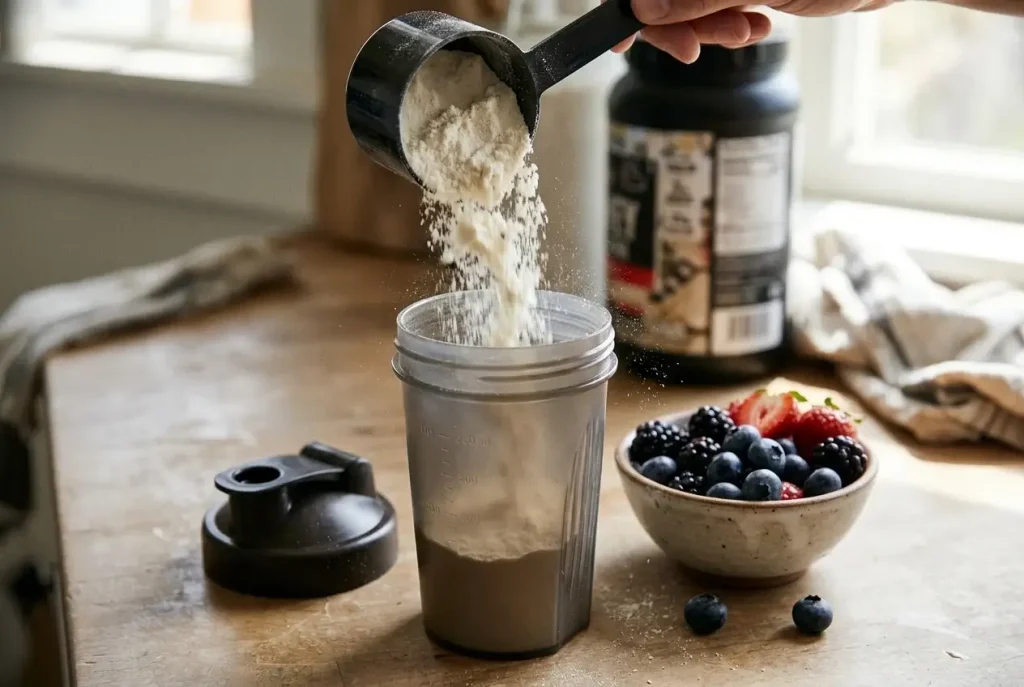
Coach’s Tip: When taking metabolism-supporting supplements like berberine, timing is everything. Take 500 mg about 15 to 30 minutes before your largest carbohydrate-containing meal to maximize its effect on post-meal blood sugar spikes.
Common Mistake: Relying solely on supplements while ignoring protein intake and resistance training. Supplements are the final 5% of the equation; they cannot outwork a poor diet or a sedentary lifestyle. Prioritize your foundational habits first.
Frequently Asked Questions (FAQ)
What is the best supplement to boost metabolism after 40?
High-quality protein powder is the most effective starting point. It supports muscle preservation, which directly drives resting metabolic rate. Pairing this with green tea extract or berberine can further enhance insulin sensitivity and thermogenesis. Always prioritize whole foods and resistance training alongside any supplementation.
Do metabolism supplements work for menopause weight gain?
Supplements alone cannot reverse menopause-related weight gain, but they can help manage it. Ingredients like berberine and soluble fiber help regulate blood sugar and control appetite. However, they work best when combined with strength training to combat age-related muscle loss and hormonal shifts.
Are BHB ketone supplements safe for women over 40?
Exogenous BHB ketone supplements are generally safe for healthy adults when used as directed. They may provide a quick energy source and help manage appetite during a calorie deficit. However, women with kidney issues or those on specific medications should consult a doctor before use.
Does green tea extract increase resting metabolic rate?
Yes, research suggests that the epigallocatechin gallate (EGCG) and caffeine in green tea extract can mildly increase resting metabolic rate and promote fat oxidation. The effect is modest, so it should be viewed as a supportive tool rather than a primary weight-loss solution.
Can berberine help with weight management and cravings?
Berberine has been shown in clinical studies to improve insulin sensitivity and help regulate blood sugar levels. By preventing sharp post-meal glucose spikes, it may indirectly reduce sugar cravings and support healthier weight management when paired with a balanced diet.
Conclusion
Navigating metabolic changes is a common challenge, but you have more control than you might think. The best supplements for slow metabolism in women over 40 are those that address the root causes of metabolic slowdown: muscle loss, insulin resistance, and poor satiety. By strategically incorporating high-quality protein, green tea extract, berberine, glucomannan, and essential vitamins into your routine, you can support your body’s natural energy systems. Remember that supplements are meant to supplement, not replace, a nutrient-dense diet, consistent strength training, and adequate rest.