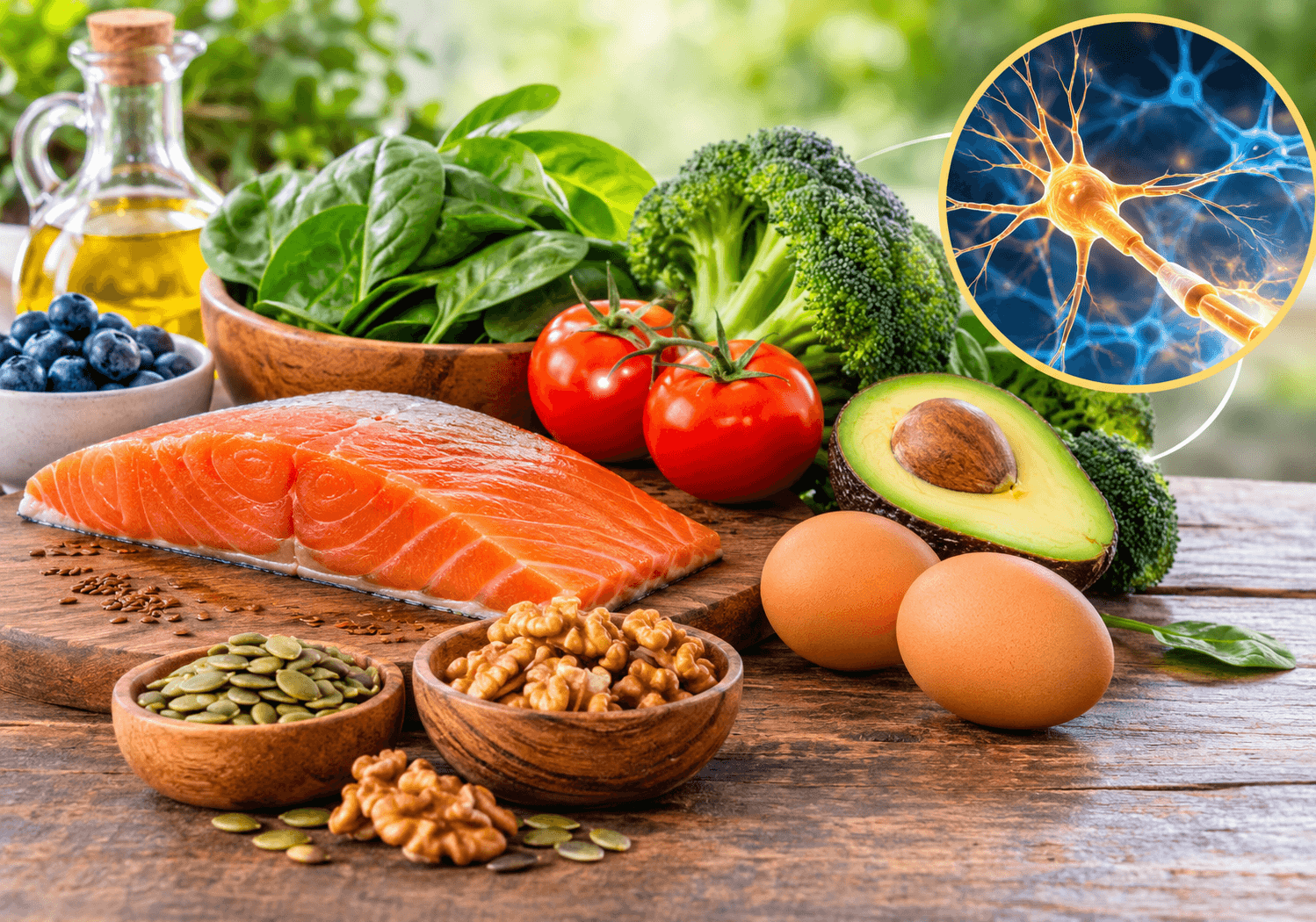
Peripheral nerve damage affects millions of people, causing tingling, numbness, sharp pain, and weakness in the hands and feet. While medical treatments are essential for severe conditions, what you put on your plate plays a massive foundational role in your recovery. Incorporating specific foods that help repair damaged nerves can accelerate cellular regeneration, reduce neuroinflammation, and protect fragile nerve fibers from further degradation. Whether you are dealing with diabetic neuropathy, physical trauma, or age-related nerve wear, targeted nutrition provides the raw building blocks your nervous system needs to rebuild.
Quick Answer:
The best foods that help repair damaged nerves include wild-caught fish, pasture-raised eggs, leafy greens, nuts, seeds, and organ meats. These foods supply essential B vitamins, omega-3 fatty acids, antioxidants, and minerals like magnesium. Together, they lower oxidative stress, support myelin sheath repair, and promote axonal regeneration.

Understanding Nerve Damage and Cellular Regeneration
Your nervous system is an intricate biological communication network. It relies on specialized cells called neurons to transmit electrical and chemical signals throughout your body. When nerve fibers experience trauma, metabolic stress, or chronic inflammation, the delicate protective coating known as the myelin sheath breaks down, and the internal axon can suffer structural harm.
Unlike skin or muscle tissue, nerve tissue repairs itself at a remarkably slow pace. Axons typically regenerate at a rate of roughly 1 millimeter per day, which requires a steady, uninterrupted supply of specific micronutrients. Without optimal cellular fuel, this repair process stalls, leading to chronic numbness or persistent discomfort.
Targeted nutrition intervenes by providing coenzymes, structural lipids, and potent antioxidants. These compounds neutralize free radicals that attack neural membranes and supply the exact molecular machinery required to synthesize new cellular proteins. Understanding this biological process is the first step toward building an effective healing plate.
Top Nutrients and Foods That Help Repair Damaged Nerves
To rebuild damaged nerve pathways, your body cannot rely on empty calories or processed foods. It requires dense concentrations of specific vitamins and biochemicals. Let us break down the primary nutrient categories and the specific whole foods that deliver them.
B-Vitamin Powerhouses for Myelin Maintenance
B vitamins—particularly B1 (thiamine), B6 (pyridoxine), and B12 (cobalamin)—are the undisputed champions of neural repair. Vitamin B12 is strictly required to manufacture and maintain the myelin sheath, the insulating wrap that allows electrical impulses to travel quickly down nerve fibers.
- Pasture-Raised Eggs: Eggs deliver an exceptional matrix of B-complex vitamins, choline, and healthy fats. Choline supports acetylcholine synthesis, a vital neurotransmitter for nerve-to-muscle communication. Aim for 2 whole eggs daily as part of breakfast or a post-workout meal.
- Nutritional Yeast: A powerhouse of B-complex vitamins, nutritional yeast provides robust amounts of B1, B2, B3, and B6. Just 2 tablespoons sprinkled over roasted vegetables or soups delivers well over 100% of your daily B-vitamin requirements.
- Grass-Fed Beef Liver: Liver is perhaps nature’s most concentrated source of bioavailable vitamin B12 and preformed vitamin A. Consuming a 3 oz [85 g] serving once a week floods the bloodstream with the exact cofactors needed for axonal growth.
Coach’s Tip: When preparing organ meats like liver, soak them in raw milk or lemon juice for 30 minutes before cooking to mellow the metallic flavor profile while preserving all heat-sensitive B vitamins.
Omega-3 Fatty Acids for Fighting Neuroinflammation
Chronic inflammation strangles nerve regeneration by restricting localized blood flow and generating neurotoxic free radicals. Omega-3 fatty acids, specifically EPA and DHA, exert powerful anti-inflammatory effects that protect neural membranes and enhance membrane fluidity.
- Wild-Caught Salmon: Rich in both high-quality protein and long-chain omega-3 fatty acids, wild salmon reduces systemic inflammation around compressed or damaged nerves. Enjoy 4 oz [113 g] portions three times a week, baked at 400°F [204°C] for 15 minutes.
- Sardines and Mackerel: These small, sustainable fish pack massive amounts of omega-3s and are low in heavy metals. They also provide calcium and vitamin D, which support overall neuromuscular function.
- Walnuts: For plant-based eaters, walnuts supply alpha-linolenic acid (ALA), a precursor that the body converts into protective omega-3 compounds. A 1 oz [28 g] handful makes an ideal midday snack.
Alpha-Lipoic Acid (ALA) and Antioxidant Vegetables
Oxidative stress is a primary driver of peripheral neuropathy, particularly in individuals managing blood sugar imbalances. Alpha-lipoic acid is a potent antioxidant that functions in both water- and fat-soluble environments, allowing it to penetrate deep into nerve tissues to neutralize reactive oxygen species.
- Spinach and Swiss Chard: Dark leafy greens are packed with ALA, magnesium, and folate. Sautéing 2 cups of fresh spinach in extra virgin olive oil until wilted provides a concentrated dose of neural protectants.
- Broccoli and Brussels Sprouts: Cruciferous vegetables contain sulforaphane, a sulfur compound that activates phase 2 detoxification enzymes and protects neurons from oxidative injury. Steam them lightly for 6–8 minutes to preserve their delicate active compounds.
- Tomatoes: Rich in lycopene and vitamin C, ripe tomatoes help maintain vascular integrity, ensuring tiny blood vessels (vasa nervorum) can successfully deliver oxygen and nutrients to repairing nerve endings.

Essential Dietary Habits and Lifestyle Factors for Nerve Healing
Eating the right foods that help repair damaged nerves is only half the battle. How you structure your daily routine dictates how efficiently your body utilizes those nutrients. Poor hydration, erratic sleep schedules, and blood sugar spikes can completely sabotage your neural recovery efforts.
Blood Sugar Control and Neural Health
High circulating blood glucose creates advanced glycation end-products (AGEs), which actively damage nerve microvasculature and degrade nerve function over time. Keeping your blood sugar stable through balanced macronutrient pairing—combining lean proteins, healthy fats, and high-fiber carbohydrates at every meal—prevents further neural degradation.
Hydration and Nerve Conduction Velocity
Water is the primary medium through which electrical impulses travel across neural synapses. Dehydration slows down nerve conduction velocity, amplifying feelings of numbness and weakness. Drink at least 0.5 to 1 ounce of water per pound of body weight daily, adjusting for your activity levels and climate.
Common Mistake: Many people attempt to fix nerve discomfort by taking massive megadoses of isolated vitamin B6 supplements without professional guidance. Excessive B6 intake can actually cause sensory neuropathy and severe nerve toxicity. Always prioritize whole-food sources and consult a medical professional before starting high-potency micronutrient supplements.

Foods to Avoid That Aggravate Nerve Damage
Just as certain foods accelerate healing, others actively promote inflammation and accelerate nerve fiber destruction. If you are serious about recovering from nerve damage, eliminate or strictly minimize the following dietary triggers:
- Refined Sugars and High-Fructose Corn Syrup: These trigger rapid blood sugar spikes and systemic inflammatory cascades that damage peripheral nerve endings.
- Trans Fats and Processed Seed Oils: Margarine, vegetable shortening, and deep-fried fast foods introduce unstable fats into cell membranes, increasing oxidative stress.
- Excessive Alcohol: Chronic alcohol consumption impairs the absorption of vital B vitamins, particularly thiamine, directly leading to alcoholic neuropathy and impaired axonal repair.
- Ultra-Processed Meats: Heavily cured and preserved meats contain high levels of sodium nitrates and advanced glycation end-products that impair microvascular health.
Daily Meal Framework for Nerve Repair
Integrating nerve-healing foods into a sustainable daily routine does not require complicated culinary skills. Here is a practical, coach-designed framework to ensure you hit your nutritional targets every single day.
| Meal | Optimal Foods for Nerve Repair | Key Nutrients Provided |
| Breakfast | 2 pasture-raised eggs scrambled with 1 cup spinach, paired with 1/2 avocado | B-complex vitamins, choline, lutein, healthy monounsaturated fats |
| Lunch | 4 oz [113 g] grilled wild salmon over a bed of mixed greens, walnuts, and olive oil dressing | Omega-3 fatty acids, ALA, vitamin E, high-quality protein |
| Mid-Day Snack | 1 oz [28 g] raw pumpkin seeds and a small apple | Magnesium, zinc, dietary fiber, vitamin C |
| Dinner | 5 oz [142 g] grass-fed beef or tempeh with roasted broccoli and sweet potato | Vitamin B12, iron, sulforaphane, complex carbohydrates |
Who Should Be Careful With Dietary Changes?
While eating whole, nutrient-dense foods is safe for the vast majority of people, certain individuals should exercise caution or seek personalized medical guidance.
- Individuals with Advanced Kidney Disease: High protein intakes and specific mineral loads (such as potassium-rich greens) may place excess strain on compromised kidneys.
- Those on Blood-Thinning Medications: Consuming large quantities of leafy greens rich in vitamin K or heavy doses of omega-3 supplements can interact with anticoagulant therapies.
- Patients with Severe Gastrointestinal Disorders: Conditions like Crohn’s disease or celiac disease can impair micronutrient absorption, requiring specialized medical nutrition therapy.
This article is for general information and is not a substitute for advice from a doctor or physical therapist. Always consult a qualified healthcare provider before making major dietary adjustments if you are managing an underlying medical condition.
Frequently Asked Questions (FAQ)
Can damaged nerves actually heal on their own through diet?
Yes, peripheral nerves possess an inherent capacity to regenerate. While diet alone cannot cure severe physical trauma or advanced pathology, providing optimal micronutrients like B vitamins and omega-3s supplies the essential biochemical building blocks required for Schwann cells and axons to rebuild successfully over time.
How long does it take for peripheral nerves to repair?
Peripheral nerve regeneration is notoriously slow. Axons typically grow back at a rate of roughly 1 millimeter per day, or about 1 inch per month. Depending on the severity and location of the nerve injury, meaningful functional recovery can take anywhere from several months to over a year of consistent nutritional and therapeutic care.
Which vitamin is most important for repairing damaged nerves?
Vitamin B12 is widely considered the most critical micronutrient for nerve repair. It plays an indispensable role in synthesizing myelin, the protective insulating sheath around nerve fibers. Deficiencies in B12 directly result in nerve demyelination, numbness, tingling, and progressive loss of sensory function.
Does sugar make nerve damage and neuropathy worse?
High sugar intake causes chronic blood sugar spikes and oxidative stress, which damages microvasculature supplying the nerves. Additionally, excess glucose creates advanced glycation end-products that degrade neural proteins, making neuropathy symptoms like burning pain and numbness significantly worse over time.
Are omega-3 fatty acids helpful for nerve pain?
Omega-3 fatty acids are highly effective at reducing neuroinflammation. By lowering systemic inflammatory cytokines, omega-3s protect fragile nerve membranes from further oxidative damage, support normal nerve conduction velocity, and help alleviate chronic neuropathic discomfort when consumed regularly.
Conclusion
Repairing damaged nerves requires patience, consistency, and a targeted nutritional strategy. By filling your plate with nutrient-dense foods that help repair damaged nerves—such as wild-caught fish, pasture-raised eggs, leafy greens, and organ meats—you provide your body with the exact B vitamins, omega-3s, and antioxidants necessary for axonal regeneration. Combine these dietary habits with stable blood sugar management, proper hydration, and medical guidance to give your nervous system the ultimate environment for long-term healing and restored vitality.