
Medium-chain triglyceride (MCT) oil has become a popular supplement for people trying to lose weight, and for good reason: it is a fat that your body processes differently from most dietary fats. Many people add it to coffee, smoothies, or salad dressing, hoping it will curb hunger and speed up fat burning. The science is more modest than the marketing. MCT oil can be a useful tool when it fits into a calorie-controlled diet and regular exercise, but it is not a fat-burning shortcut on its own. This guide explains how to use MCT oil for weight loss in a safe, practical way, including dosage, timing, sample routines, and common mistakes.
Quick Answer
To use MCT oil for weight loss, start with 1 teaspoon (about 5 ml) once a day with a meal, then slowly work up to 1 tablespoon (15 ml) as your stomach adjusts. MCT oil may help some people feel full and can slightly increase energy use, but the effect is small. Results depend on your total calorie intake, so MCT oil works best as part of a balanced diet and regular activity.
What Is MCT Oil?
MCT oil is made from medium-chain triglycerides, fats built from fatty acid chains of 6 to 12 carbon atoms. Most fats in your diet are long-chain triglycerides (LCTs) with 14 to 18 carbons. The shorter chains of MCTs are absorbed and sent to the liver faster, where they can be used quickly for energy or converted into ketones.
The most common MCT types are:
- Caprylic acid (C8): Absorbed quickly and converted to ketones efficiently. Often considered the most active MCT.
- Capric acid (C10): Slightly slower to process than C8 but still fast compared with other fats.
- Lauric acid (C12): Behaves more like a long-chain fat and is not usually counted as a true MCT for metabolic purposes.
Many bottled products are a blend of C8 and C10. Pure C8 products cost more and are less common. Coconut oil contains MCTs, but only about 10 to 15 percent is in the C8 and C10 range, with the rest mostly lauric acid. That is why coconut oil and MCT oil do not have the same effect.
Does MCT Oil Actually Help With Weight Loss?
The honest answer is that MCT oil may help a little, mainly through appetite and energy balance, and only when calories are controlled. Research on MCTs and body weight is mixed. Some studies show modest reductions in body weight or fat mass when MCTs replace other dietary fats. Other studies find little difference. Most of the benefit appears to come from replacing other fats in the diet, not from adding MCT oil on top of a normal diet.
Several mechanisms have been proposed:
- Satiety: Some research suggests MCTs may increase feelings of fullness, which could lead to eating less later in the day.
- Energy expenditure: MCTs may cause a small increase in energy use after eating, sometimes called diet-induced thermogenesis. The increase is generally small.
- Ketone production: MCTs are quickly converted into ketones by the liver. Ketones are an alternative fuel source, but ketone production alone does not guarantee fat loss.
Think of MCT oil as a helpful addition, not a replacement for a calorie deficit. One tablespoon contains about 110 to 120 calories, so it adds up quickly if you do not account for it.
Benefits of MCT Oil for Weight Management
When used well, MCT oil may offer these benefits:
- Appetite support: Some people find it easier to skip snacks after a fat-containing meal.
- Quick energy: MCTs are readily available for fuel, which some people use before workouts or during long study or work sessions.
- Ketogenic diet support: It can make it easier to reach ketone levels on a low-carb plan, which is useful for people following keto.
- Simple to add: It mixes into coffee, tea, smoothies, yogurt, and dressings with no cooking required.
These benefits are real for some people but not guaranteed. Individual responses vary widely based on total diet, activity level, and metabolism.
How to Use MCT Oil for Weight Loss: Step-by-Step
Follow this plan to start safely and see whether MCT oil fits your goals.
- Check your total calories first. Before adding MCT oil, know your daily calorie target. Most adults trying to lose weight aim for a moderate deficit, often 300 to 500 calories below maintenance, unless a doctor or dietitian advises otherwise.
- Start with 1 teaspoon (5 ml) per day. Take it with a meal that includes protein and vegetables. This helps reduce stomach upset.
- Track how you feel for 3 to 5 days. Note digestion, hunger, energy, and any cramping or diarrhea.
- Increase slowly to 1 tablespoon (15 ml) per day if well tolerated. Most people do not need more than this for weight loss goals.
- Split the dose if needed. Some people do better with half a tablespoon twice daily.
- Subtract the MCT calories from the rest of your diet. For example, if you add one tablespoon at breakfast, reduce fat from another food, such as butter or nuts, by about the same amount.
- Reassess after 4 to 6 weeks. If your weight, waist measurement, or hunger levels have not changed, MCT oil may not be a good fit. Change one variable at a time.
Coach’s Tip
Mix MCT oil into a hot drink or smoothie rather than drinking it straight. Blending or stirring well helps it emulsify and reduces the chance of an upset stomach. Many people also find that a small breakfast works better than taking it on an empty stomach.
Common Mistake
Taking a large dose on day one. Going straight to 2 or 3 tablespoons is the most common reason people quit MCT oil. Digestive side effects such as cramping, nausea, and loose stools are much more likely at high doses, especially for beginners.
MCT Oil Dosage by Goal
| Goal | Suggested Starting Dose | Typical Maximum | Timing | Notes |
| General weight loss | 1 tsp (5 ml) | 1 tbsp (15 ml) daily | With a meal | Subtract added calories from other fats |
| Appetite control | 1 tsp (5 ml) | 1 tbsp (15 ml) | Breakfast or before a snack | Pair with protein and fiber |
| Keto support | 1 tsp (5 ml) | 1 to 2 tbsp (15-30 ml) | Split across the day | Monitor digestion; check with a doctor if you have a condition |
| Pre-workout energy | 1 tsp (5 ml) | 1 tbsp (15 ml) | 30 to 60 minutes before | Avoid right before intense exercise if sensitive |
| Endurance fueling | 1 tsp (5 ml) | 1 tbsp (15 ml) | Before long sessions | Test during training, not on race day |
Best Time to Take MCT Oil
There is no single best time for everyone, but these patterns work for many people:
- Morning with coffee or breakfast: Supports a steady start and may reduce mid-morning snacking.
- Before a workout: Can serve as a source of fuel for lower-intensity or longer sessions. Start with a small amount to see how your stomach handles it.
- With lunch or dinner: Helps you stay satisfied and avoid late-night snacking for some people.
Avoid taking MCT oil on a completely empty stomach if you are sensitive to fats. Some people also find it helps to take it with food so the body absorbs it more gradually.
Common Mistakes and Fixes
Mistake 1: Adding MCT oil without changing anything else
MCT oil adds around 110 calories per tablespoon. If you keep eating the same amount of food, you may gain weight rather than lose it.
Fix: Count it in your daily total, or replace another fat source with it.
Mistake 2: Expecting fast results
Some people expect to lose several pounds in a week. Fat loss happens slowly, usually around 0.5 to 1 pound per week for most people on a moderate calorie deficit.
Fix: Track progress over 4 to 6 weeks using your weight average, waist measurement, and photos.
Mistake 3: Using coconut oil and calling it MCT oil
Coconut oil is mostly lauric acid, which is not as fast-acting. Labels can be confusing.
Fix: Look for a product where C8 and C10 make up most of the content.
Mistake 4: Ignoring digestive side effects
Diarrhea, nausea, and cramping are common when people start too high.
Fix: Lower the dose, split it across the day, or take it with food. If symptoms persist, stop and talk to a doctor.
Mistake 5: Replacing meals with MCT oil
Some people try to use MCT oil as a meal replacement or fasting aid. This can leave you short on protein, fiber, vitamins, and minerals.
Fix: Use MCT oil as an addition to balanced meals, not a substitute.
Who Should Be Careful With MCT Oil
MCT oil is generally well tolerated by healthy adults in typical amounts, but some people should be cautious:
- People with gallbladder disease, pancreatic problems, or fat malabsorption
- People with liver conditions
- People with diabetes who take insulin or blood sugar-lowering medication, since dietary changes can affect blood sugar
- People who are pregnant or breastfeeding
- People taking medications that affect blood lipids or metabolism
- People with a history of eating disorders
If you have a medical condition, check with a doctor or registered dietitian before starting MCT oil. Pain, injuries, or any health condition should be reviewed by a doctor or physical therapist first.
Sample Routine: Using MCT Oil With a Weight Loss Plan
This is an example for a healthy adult with a moderate calorie target. Adjust portions to your own needs.
Breakfast: Two eggs scrambled with spinach, half an avocado, and a cup of black coffee with 1 teaspoon of MCT oil stirred in.
Lunch: Grilled chicken breast (4 oz / 113 g), a large mixed salad, and a light vinaigrette made with 1 teaspoon MCT oil.
Afternoon snack: Plain Greek yogurt with berries.
Dinner: Salmon fillet (4 oz / 113 g), roasted broccoli, and quinoa.
Daily MCT total: 2 teaspoons (about 10 ml), roughly 80 calories, which is counted in the day’s total.
Pairing With Exercise
MCT oil does not replace training. For fat loss and muscle retention, aim for muscle-strengthening activity at least two days a week and aerobic activity each week. The CDC physical activity guidelines recommend 150 to 300 minutes of moderate activity weekly for adults.
Sample Workout to Pair With Your Plan
If you take MCT oil before a session, keep the workout simple and controlled.
| Exercise | Sets | Reps | Rest |
| Goblet squat | 3 | 10-12 | 60 seconds |
| Dumbbell row | 3 | 10-12 each side | 60 seconds |
| Push-up (incline if needed) | 3 | 8-12 | 60 seconds |
| Romanian deadlift | 3 | 10-12 | 60 seconds |
| Plank | 3 | 20-40 seconds | 45 seconds |
Easier version: Use lighter dumbbells, reduce to 2 sets, or use a bench for squats.
Harder version: Increase weight gradually, add a tempo of 3 seconds on the lowering phase, or add a 2-second pause at the bottom.
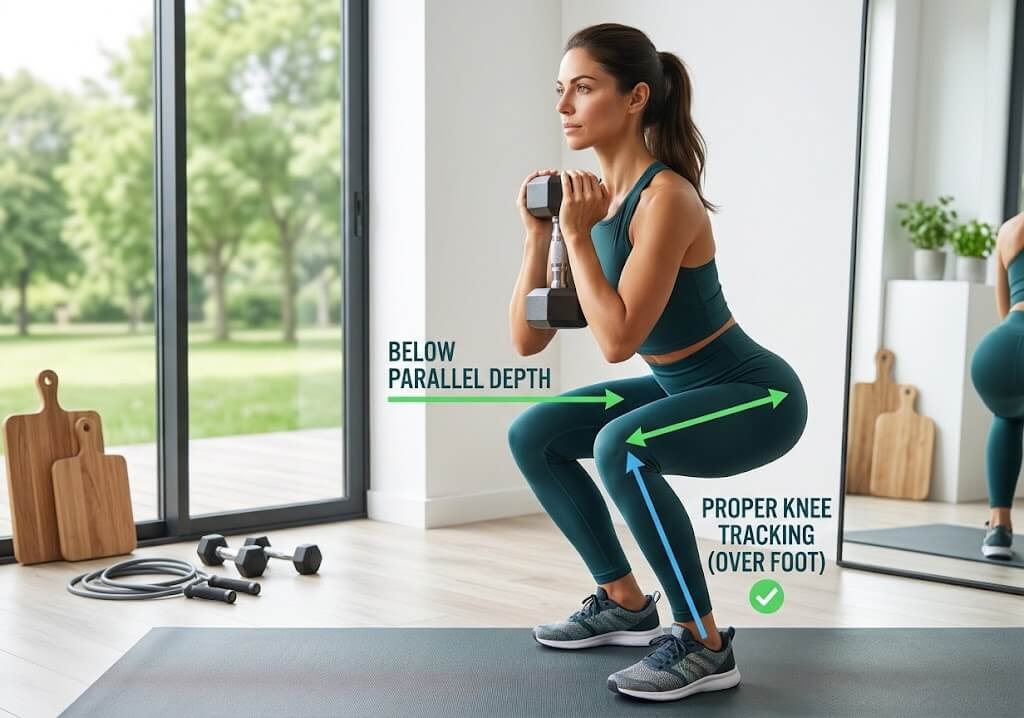
Goblet Squat Quick Form Cues
- Hold one dumbbell vertically against your chest.
- Stand with feet shoulder-width apart, toes slightly out.
- Sit between your hips as if lowering onto a low stool.
- Keep your chest up and knees tracking over your toes.
- Drive through your whole foot to stand.
Dumbbell Row Quick Form Cues
- Place one hand and knee on a bench.
- Pull the dumbbell toward your hip, keeping your elbow close to your body.
- Pause briefly at the top, then lower under control.

Frequently Asked Questions

Does MCT oil help you lose weight?
MCT oil may help some people feel fuller and can slightly boost energy use. It is not a fat burner on its own. Results depend on total calories, diet quality, and activity. Most research shows modest effects when MCTs replace other fats in the diet.
How much MCT oil should I take daily?
Most people start with 1 teaspoon once a day and can work up to 1 tablespoon. Higher doses increase the risk of stomach upset. Check with a doctor if you have a medical condition or take medication.
When is the best time to take MCT oil?
Many people take it with breakfast, before a workout, or with a meal. Taking it with food can reduce digestive discomfort. Pick a time that fits your routine and track how you feel.
Is MCT oil better than coconut oil for weight loss?
MCT oil is more concentrated in the shorter fatty acids that are processed quickly. Coconut oil contains mostly lauric acid, which behaves more like a long-chain fat. Both are high in calories, so the amount you use matters more than the type.
Can you put MCT oil in coffee?
Yes. Many people add it to hot coffee or blend it into a latte. Stir or blend well to help it mix. Start with 1 teaspoon to reduce the chance of stomach upset.
Does MCT oil cause diarrhea?
It can, especially at higher doses or when taken on an empty stomach. Starting slowly and taking it with food usually helps. If diarrhea continues, stop using it and talk to a doctor.
Conclusion
MCT oil can be a practical addition to a weight loss plan when you use it correctly. Start with 1 teaspoon a day, take it with food, count its calories, and build up slowly. Its effect on body weight is modest, so consistent eating habits, regular strength training, and enough daily movement will do most of the work. Track your progress over several weeks, and talk to a doctor or dietitian if you have a health condition or take medication.
This article is for general information and is not a substitute for advice from a doctor or physical therapist.