Walk down any supplement aisle and you will see bottles that promise to ignite your metabolism, melt fat, and torch calories. The pitch is simple: take a capsule, burn more energy, and watch the scale drop. So, do metabolism-boosting supplements work for weight management, or are you paying for a hopeful story?
The honest coaching answer is that a few ingredients nudge calorie burn by a small amount, but those nudges rarely add up to meaningful, lasting weight loss. The National Institutes of Health says there is little scientific evidence that weight-loss supplements work, and some products have been linked to real harm.
In this guide, you will learn what metabolism really is, what the best studies show for caffeine, green tea, CLA, chromium, and other popular ingredients, and which safety red flags matter most. You will also get a simple weekly plan that needs only a pair of dumbbells and a pair of walking shoes.
One note before we start: if you have a medical condition, take any medication, or are pregnant or breastfeeding, check with your doctor before using any weight-loss or metabolism supplement.
Quick Answer: Mostly no. Research suggests metabolism-boosting supplements, such as green tea extract, caffeine blends, and CLA, usually add only about 1–3 pounds (0.5–1.4 kg) of weight loss in short trials, and the quality of that evidence is often weak. Some also carry safety risks. Steady weight management still depends on calorie control, strength training, walking, and sleep.
What “Boosting Your Metabolism” Actually Means
Metabolism is the process your body uses to turn food and drink into energy. You burn that energy in three main ways, and only one of them is easy to change.
- Resting burn. Even at rest, your body uses energy to breathe, pump blood, and repair cells. Mayo Clinic notes that larger people, and people with more muscle, burn more calories at rest.
- Digestion. Eating, digesting, absorbing, and storing food also burns calories, according to the same Mayo Clinic metabolism guide.
- Movement. This covers workouts, walking, and daily chores. Mayo Clinic says you can’t easily control your resting rate, but you can control how many calories you burn through activity.
Here is the part many people miss. A slow metabolism is not usually the cause of weight gain, and medical conditions rarely slow it enough to cause large gains. Weight change mostly comes down to calories eaten versus calories burned.
Supplement makers know this, so they market products that claim to raise thermogenesis (heat production), speed up fat burning, curb appetite, or block nutrient absorption. The NIH Office of Dietary Supplements lists these exact claims on product labels and ads. The real question is whether they hold up in human trials.
Why Your Metabolism Slows During Weight Loss
When you lose weight, you lose a little muscle along with fat. Mayo Clinic’s weight-loss specialists say that slows metabolism slightly and helps explain plateaus. Plateaus are normal, even if they feel unfair.
The fix is not a pill. Mayo Clinic experts say adding some physical activity each day can make up the difference. They also caution that the metabolic boost from adding muscle is not big enough to drive major weight loss on its own. So the real target is simple: protect your muscle, move more, and keep a modest calorie gap.
Do Metabolism-Boosting Supplements Work for Weight Management? What the Research Says
For most people, not in a way that changes results. The NIH Office of Dietary Supplements reviewed the science and found little evidence that these products work. People buy them anyway. About 15% of U.S. adults have used a weight-loss supplement at some point, and Americans spend roughly $2.1 billion a year on weight-loss pills.
Why the Evidence Is So Weak
The ODS fact sheet explains several problems that make these products hard to judge:
- Some claims rest on animal or lab studies, not human trials.
- Many human trials are small, short, or poorly designed.
- Most products mix many ingredients, and some contain more than 90, so no one can tell which ingredient did what.
- Doses vary widely, and proprietary blends can hide the actual amounts.
The U.S. Government Accountability Office reached a similar conclusion. As summarized by NIH, it found that little is known about whether these supplements work, while some have been linked to physical harm.
Putting the Size of the Effect in Perspective
A small effect is not a zero effect, so let’s compare. Mayo Clinic says cutting 500 to 750 calories a day can lead to a loss of 1 to 1.5 pounds (0.5–0.7 kg) a week. On paper, over 12 weeks, that is about 12–18 pounds (5.4–8.2 kg) if you stick to the plan.
Now compare that with the supplement trials below. Most report average differences of about 1–3 pounds (0.5–1.4 kg) versus placebo. Even when a result is statistically significant, reviewers often call it small and of uncertain clinical value. Statistically significant and worth the cost and risk are two different things.
Ingredient-by-Ingredient: What the Studies Show
Here is what the research says about the most popular metabolism-boosting ingredients. Unless noted, the study details come from the NIH Office of Dietary Supplements professional fact sheet, which summarizes dozens of trials and reviews.
Caffeine
Caffeine is the most common “metabolism” ingredient. It also hides under other names, such as guarana, kola nut, and yerba mate, and some labels do not list the caffeine amount at all.
It does raise calorie burn a little. In one summary, a 100 mg dose of caffeine increased energy expenditure by about 9.2 calories per hour more than placebo, and the effect lasted three hours or more. That works out to roughly 28 extra calories over three hours. Regular users also build tolerance, which shrinks the effect over time.
Long-term data are mixed. In a 12-year study of 18,417 men and 39,740 women, people who increased their caffeine intake gained slightly less weight: about 0.43 kg less for men and 0.35 kg less for women. That kind of observational study cannot prove cause and effect.
Verdict: a small, short-lived bump. It is useful to know, but it is not a weight-loss plan.
Green Tea and EGCG
A typical brewed cup of green tea has about 240–320 mg of catechins and 45 mg of caffeine. Catechins plus caffeine may raise energy expenditure and fat burning. EGCG on its own did not do this in some human research.
The results are underwhelming. A 2012 Cochrane review of 14 trials and 1,562 people found about 0.95 kg more weight loss than placebo, but the effect disappeared when only studies outside Japan were counted. A later Cochrane update concluded that green tea preparations produced a small, statistically non-significant weight loss and no benefit for keeping weight off.
Safety matters here. Drinking green tea has no reported adverse effects, but high-dose extract pills have been linked to liver damage in at least 50 case reports since 2006. In the Minnesota Green Tea Trial, women taking 1,315 mg of catechins daily for a year had higher liver enzymes than those taking placebo.
Verdict: a cup of tea is the lower-risk choice. Extract pills add risk without a clear payoff.
Bitter Orange (Synephrine) and Stimulant Stacks
Bitter orange became popular after the FDA banned ephedrine alkaloids in supplements in 2004, and manufacturers swapped it in as a replacement. Small human studies, mostly of poor quality, suggest it may raise resting metabolic rate a bit. A 2011 systematic review, however, called the evidence for weight loss contradictory and weak.
The safety picture is the bigger concern. Reported problems include chest pain, anxiety, headache, and higher heart rate and blood pressure, especially when bitter orange is combined with caffeine or other stimulants. Because most products are blends, it is hard to know which ingredient causes which effect.
Verdict: unproven benefit, real cardiovascular worries.
Capsaicin (Chili Pepper Extract)
Capsaicin may work more on appetite than on metabolism. A meta-analysis of eight trials with 191 people found that capsaicinoids reduced calorie intake by about 74 calories per meal. In a 2017 trial, adults taking 4 mg a day ate about 252 fewer calories daily than those on placebo, yet their body weight did not change significantly at 6 or 12 weeks.
Stomach discomfort is the most common complaint. At 4 mg a day, some studies also saw higher insulin and lower HDL (good) cholesterol.
Verdict: interesting for appetite, but no proven weight benefit.
L-Carnitine
Carnitine helps move fats into your cells’ energy centers, so it sounds like a fat burner. A 2016 meta-analysis of nine trials and 911 people found carnitine users lost an average of 1.33 kg more than placebo users. Doses ranged from 1.8 to 4 g a day for 30 to 360 days. But in another trial, 2 g a day for six months did nothing in adults with newly diagnosed type 2 diabetes.
Side effects include nausea, cramps, diarrhea, and a fishy body odor. Gut bacteria can also turn carnitine into TMAO, a compound linked to higher heart disease risk, though researchers say this needs more study.
Verdict: a modest average effect, with open safety questions.
Conjugated Linoleic Acid (CLA)
CLA is a fatty acid found in dairy and beef. A meta-analysis of seven trials found that 2.4–6 g a day for 6–12 months reduced weight by about 0.7 kg and body fat by about 1.33 kg compared with placebo. The authors themselves called the effect small and of uncertain clinical relevance.
Most side effects are digestive. Some research also links certain CLA forms to lower HDL cholesterol and higher insulin resistance, and three case reports describe hepatitis, though the cause was not confirmed.
Verdict: tiny gains, with some possible metabolic downsides.
Chromium Picolinate
Chromium is an essential trace mineral that helps insulin work. A 2013 Cochrane review of nine trials and 622 adults with overweight or obesity found chromium picolinate users lost 1.1 kg more than placebo users over 8 weeks to 6 months. The authors called the effect of debatable clinical relevance and the evidence low quality. A second 2013 meta-analysis of 11 trials found a 0.5 kg weight difference and a 0.46% drop in body fat.
Chromium is generally well tolerated at typical amounts. Reported side effects include headache, watery stools, and nausea. If you want a deeper look at chromium and blood sugar, read our guide on chromium picolinate and glucose metabolism.
Verdict: a very small effect on the scale.
Garcinia Cambogia
Garcinia cambogia contains hydroxycitric acid (HCA). A 2011 meta-analysis of 12 trials with 706 people found about 0.88 kg of short-term weight loss versus placebo. When the authors looked only at the two best-designed trials, the effect was no longer statistically significant.
Safety is the sticking point. Reports describe three cases of mania and ten cases of liver toxicity, including one death and two liver transplants, in people using products that contained garcinia. Most of those products had other ingredients too, so garcinia cannot be blamed with certainty. Long-term safety is unknown.
Verdict: weak evidence, and a worrying safety signal.
Ingredients With Thin or Conflicting Evidence
- Green coffee bean extract: Only a few small, poor-quality trials exist. The FTC strongly criticized one well-known study, and two of its three authors later retracted it. It also contains caffeine.
- Raspberry ketone: Only one human trial exists, using a multi-ingredient product, and 25 of its 70 participants dropped out. The safety of supplement-level doses has never been tested in people.
- Hoodia: One trial in 49 women found no effect on calorie intake or weight, and hoodia raised heart rate and blood pressure.
- Glucomannan and guar gum (fibers): Reviews found little to no effect on weight. Glucomannan tablets have been linked to esophageal blockages.
- Yohimbe: There is no solid evidence for weight loss, and the safety concerns are serious. U.S. poison centers received 1,818 reports about yohimbe products from 2000 to 2012, and 30% caused moderate or major effects. One analysis also found actual yohimbine content ranged from 23% to 147% of the label amount.
At-a-Glance Evidence Table
This table summarizes the NIH Office of Dietary Supplements findings. Effects are average differences versus placebo in trials lasting weeks to months. The evidence applies to single ingredients, and blends may behave differently.
| Ingredient | Claimed benefit | What research suggests | Main safety flags |
| Caffeine | Raises calorie burn | Small, short-lived rise in energy use; tolerance builds | Jitters, poor sleep, fast heartbeat at high doses |
| Green tea extract | Boosts fat burning | About 0 to 1.4 kg; recent Cochrane update found no significant loss | Liver injury reports with extract pills |
| Bitter orange | Raises metabolic rate | Possible small rise in resting metabolism; weight data weak | Chest pain, higher heart rate and blood pressure |
| Capsaicin | Cuts appetite, burns fat | Lower calorie intake; no clear weight change | Stomach distress |
| L-carnitine | Moves fat into energy use | About 1.3 kg in one meta-analysis | Nausea, fishy odor, possible TMAO rise |
| CLA | Reduces body fat | About 0.7 kg weight, 1.3 kg fat | Digestive upset, possible lipid and insulin effects |
| Chromium picolinate | Cuts cravings, burns fat | About 0.5–1.1 kg | Headache, loose stools |
| Garcinia cambogia | Blocks fat storage | About 0.9 kg, not significant in best trials | Mania and liver injury reports |
| Green coffee extract | Slows fat buildup | Poor-quality trials | Contains caffeine; headache |
| Raspberry ketone | Burns fat | Not enough research | Never tested at supplement doses |
| Yohimbe | Boosts fat burning | No proven effect | Serious heart risks; label amounts unreliable |
| Calcium and vitamin D | Burns fat | No effect on body weight in trials | Kidney stone risk with high-dose calcium; toxic at very high vitamin D |
Safety: Why “Natural” Does Not Mean Safe
Supplements feel gentler than medicine, but they are regulated very differently. The FDA oversees them, yet supplements do not need FDA review or approval before they are sold. Manufacturers decide whether their own products are safe and whether their label claims are truthful.
That gap matters for weight-loss products in three ways.
- Hidden drugs. Between 2004 and 2012, the FDA issued Class I recalls for 237 supplements, meaning serious harm was reasonably likely. About 27% of them were weight-loss products, mostly because of undeclared drug ingredients. In 2016, the FDA also warned consumers about 36 weight-loss products with hidden drugs, often sibutramine, a prescription weight-loss drug pulled from the U.S. market in 2010 over safety concerns.
- Stimulant stacking. Caffeine can be toxic at about 15 mg per kilogram of body weight, which is roughly 1,000 mg for a 150-pound (68 kg) adult. Combining caffeine with other stimulants, such as bitter orange, can make side effects stronger. In 2006, 47% of California Poison Control System calls about supplement reactions involved products containing caffeine.
- Drug interactions. Weight-loss ingredients can interfere with medicines. For example, glucomannan and guar gum might reduce the absorption of many oral drugs, so timing and dosing of your prescriptions could be affected.
Who Should Be Extra Careful
The NIH advises talking with a health care provider before using these products, especially if you have high blood pressure, diabetes, liver disease, or heart disease. Teens need extra caution too. The American Medical Association suggests no more than 100 mg of caffeine a day for adolescents, and the American Academy of Pediatrics discourages caffeine and other stimulants for children and teens.
If you are pregnant, postpartum, going through menopause, over 65, or taking several medications, check with your doctor or pharmacist first. Fewer than one in three adults who use weight-loss supplements tell a health care professional. Be the one who does.
How to Spot a Risky Weight-Loss Supplement
Use this quick screen before you buy anything.
- It promises results without effort. The FDA and FTC warn that claims like “lose weight without dieting or exercising” are usually too good to be true.
- It hides the amounts. Proprietary blends and labels that list herbs but not caffeine make your total stimulant dose a guess.
- It has a very long ingredient list. Some products contain more than 90 ingredients, and almost none have been tested together.
- It promises fast, dramatic loss. The CDC notes that unrealistic goals, such as losing 20 pounds in two weeks, leave people feeling defeated.
- It contains banned or high-risk ingredients. Ephedra has been banned from U.S. supplements since 2004, and yohimbe has no established safe dose.
- It claims to treat a disease. The FDA does not permit supplements to be promoted to diagnose, treat, cure, or prevent disease.
Safer Alternatives to Metabolism-Boosting Supplements for Weight Management
If pills are not the answer, what is? The boring answer wins, and it comes with real evidence behind it. Here is how a coach would build your plan.
1. Set a Modest Calorie Gap
Mayo Clinic suggests trimming 500 to 750 calories a day to lose about 1 to 1.5 pounds (0.5–0.7 kg) per week. The CDC adds that people who lose weight at a gradual pace of 1 to 2 pounds a week are more likely to keep it off than people who lose it quickly.
2. Lift Weights at Least Two Days a Week
The CDC recommends muscle-strengthening activity on two or more days a week that works all major muscle groups. Why does this matter for metabolism? Mayo Clinic notes that people with more muscle burn more calories at rest, and dieting tends to cost you some muscle. Strength training helps you hold on to it.
3. Walk Most Days
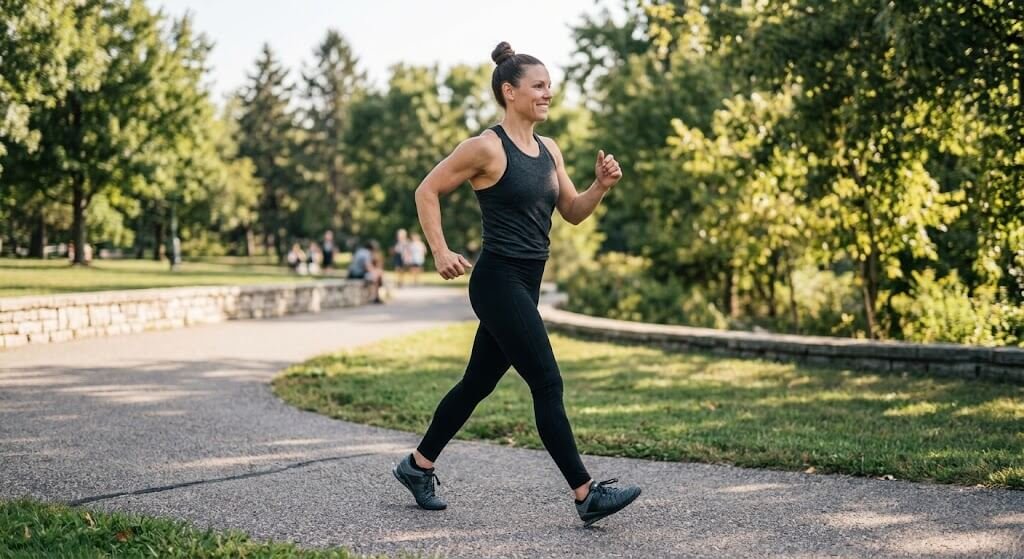
Adults need 150 minutes of moderate activity a week, such as brisk walking. That is 30 minutes a day, five days a week, and you can split it into shorter bouts. Mayo Clinic experts also stress that you need both exercise and fewer calories to lose weight and keep it off.
4. Protect Sleep and Manage Stress
The CDC lists good nutrition, regular activity, enough sleep, and stress management as the foundation of healthy weight loss. It also advises skipping caffeine in the afternoon and evening if you struggle with tiredness. Caffeine has a half-life of about six hours, so an afternoon dose can still be in your system at bedtime.
5. Track Progress and Set Specific Goals
Vague goals fail. The CDC suggests goals like walking 15 minutes, three days a week for the first week, and focusing on two or three goals at a time. It also says even modest loss helps: 5% of a 200-pound (91 kg) body weight is 10 pounds (4.5 kg), which can improve blood pressure, cholesterol, and blood sugar.
Sample Routine: A Beginner-Friendly Weekly Plan
This plan meets the CDC’s activity targets using three short strength days and plenty of walking. You need two dumbbells, a bench or sturdy chair, and a floor space about the size of a yoga mat (24 by 68 inches, or 61 by 173 cm).
| Day | Plan |
| Monday | Strength workout + 10-minute brisk walk |
| Tuesday | 30-minute brisk walk |
| Wednesday | Strength workout + 10-minute brisk walk |
| Thursday | 30-minute brisk walk |
| Friday | Strength workout + 10-minute brisk walk |
| Saturday | 45-minute walk, bike ride, or active play |
| Sunday | Rest, or an easy 15–20 minute stroll |
A brisk pace is about 3–4 miles per hour, so a 30-minute walk covers roughly 1.5–2 miles (2.4–3.2 km). You should be able to talk, but not sing.
The Strength Workout
Start with 5 minutes of easy marching and arm circles. Lower each weight for 2–3 seconds and lift it in about 1 second. Stop each set with about two reps left in the tank.
| Exercise | Sets × reps | Rest | Starting weight |
| Goblet squat | 3 × 8–12 | 90 sec | 15–25 lb (7–11 kg) |
| Dumbbell Romanian deadlift | 3 × 8–12 | 90 sec | 10–20 lb (4.5–9 kg) per hand |
| Incline push-up | 3 × 6–12 | 60–90 sec | Bodyweight |
| One-arm dumbbell row | 3 × 10 per side | 60 sec | 15–25 lb (7–11 kg) |
| Dumbbell overhead press | 2–3 × 8–10 | 90 sec | 8–15 lb (3.5–7 kg) per hand |
| Plank | 3 × 20–40 sec | 45 sec | Bodyweight |
How to Do Each Exercise
Goblet squat. Hold one dumbbell at your chest with both hands. Set your feet slightly wider than shoulder width. Sit down between your hips, keep your chest tall, and push through your whole foot to stand. You should feel it in your thighs (quadriceps) and glutes.

Dumbbell Romanian deadlift. Stand with soft knees and dumbbells in front of your thighs. Push your hips back, keep your back flat, and slide the weights down to mid-shin. Squeeze your glutes to stand. The stretch should be in your hamstrings, not your lower back.

Incline push-up. Place your hands on a bench about 17 inches (43 cm) high. Keep your body in a straight line and your elbows at roughly 45 degrees from your ribs. Lower your chest to the bench and press away.

One-arm dumbbell row. Put one hand and the same-side knee on a bench. Pull the dumbbell toward your hip, leading with your elbow, and avoid twisting. Feel your upper back (lats) do the work.
Dumbbell overhead press. Stand tall with your ribs down and glutes tight. Press the weights overhead until your arms are straight, then lower to shoulder height. Do not arch your back.
Plank. Set your elbows under your shoulders. Squeeze your glutes and brace your core as if someone might poke your stomach. Stop when your hips sag.
Coach’s Tip: Choose a weight where the last two reps feel hard but your form stays clean. If your form slips, drop 5 pounds (2.3 kg). Good technique builds muscle safely, and a lighter weight done well beats a heavy one done badly.
Common Mistake: Rushing reps and using momentum, especially on rows and presses. The fix is a count: “down two, up one.” If you cannot control the weight on the way down, it is too heavy.
Easier and Harder Versions
- Easier: Squat to a chair, use a lighter dumbbell, do wall push-ups, press from a seated position, and plank from your knees or against a bench.
- Harder: Add 5 pounds (2.3 kg) when you hit the top rep range on every set, lower for 3 seconds, pause for 2 seconds at the bottom of squats, progress to floor push-ups, and try single-leg deadlifts.
- Walking: Add 5 minutes each week, or find a hill or treadmill incline to raise the effort.
If you have joint pain, an injury, or a medical condition, check with your doctor or a physical therapist before starting. Stop any exercise that causes sharp pain or dizziness.
If You Still Want to Try a Supplement: A Safer Checklist
Some readers will try one anyway, and that is your choice. Lower the risk with these steps.
- Talk to a professional first. Bring the bottle to your doctor or pharmacist so they can check it against your medications and health conditions.
- Pick tea over extract. Brewed green tea has no reported adverse effects, while extract pills have liver concerns.
- Count all your caffeine. Healthy adults are generally told to stay under about 400 mg a day, and an 8-ounce (237 mL) cup of brewed coffee has about 85–100 mg.
- Avoid stacking stimulants. Do not combine bitter orange, yohimbe, or several caffeine sources.
- Choose products that list amounts. Skip proprietary blends and products with a very long ingredient list.
- Know when to stop. Stop and call your doctor if you notice chest pain, a racing heartbeat, or other unusual symptoms.
- Check recall notices. The FDA keeps a public list of weight-loss products found to contain hidden drugs.
Related Tips for Staying on Track
Plateaus are normal, and they are not a sign that you are failing. Mayo Clinic experts say a plateau happens as muscle and metabolism shift, and that more daily activity helps you push through it.
Consider working with a registered dietitian. The CDC says your provider can point you to dietitians, programs, and medical options, including FDA-approved medications for people who qualify.
Some readers also ask about supplements that target blood sugar rather than weight. Research on inositol and insulin sensitivity is a separate question from weight loss, but it shows how carefully each ingredient needs to be judged on its own evidence.
FAQ
Do metabolism boosters really work?
Usually only slightly. The NIH Office of Dietary Supplements found little evidence that weight-loss supplements work, and single-ingredient reviews show average differences of roughly 1–3 pounds (0.5–1.4 kg) versus placebo. Results are often weak or uncertain, and some products carry real safety risks.
Does green tea extract boost metabolism?
A little, mostly through caffeine plus catechins, but the effect on weight is tiny. A Cochrane review update found a small, non-significant weight loss. Extract pills have also been linked to liver damage, so brewed green tea is the lower-risk choice.
Is caffeine a good metabolism booster?
It gives a small, short-lived lift. NIH summaries show that 100 mg raised calorie burn by roughly 9 calories per hour, and tolerance builds with regular use. Healthy adults are generally advised to stay under about 400 mg a day, or roughly four 8-ounce cups of brewed coffee.
Are fat burners safe?
It depends on the product, and that is hard to know. Reported problems include chest pain, a racing heartbeat, and liver injury, and some products contain hidden drugs. Supplements do not need FDA approval before sale, so talk with your doctor before trying any fat burner.
Can supplements fix a slow metabolism?
No. Mayo Clinic says a slow metabolism is rarely the main reason for weight gain, and it advises against relying on supplements to burn calories. If you suspect a medical cause, your doctor can check. Daily movement and strength training are better tools.
What is the safest way to boost metabolism?
Move more and protect your muscle. The CDC recommends 150 minutes of moderate activity weekly plus strength training on two or more days. Pair that with a modest calorie gap, good sleep, and stress management. This approach has far stronger evidence than any supplement.
Bottom Line: Do Metabolism-Boosting Supplements Work for Weight Management?
The research gives a clear, if unexciting, answer. A handful of ingredients, such as caffeine, green tea, carnitine, CLA, and chromium, may nudge weight or body fat by a pound or two in short trials. Many of those studies are small or weak, and several ingredients carry real safety concerns.
So, do metabolism-boosting supplements work for weight management? Not well enough to earn a place at the center of your plan. Spend your effort where the evidence is strongest: a modest calorie gap, strength training twice or more a week, daily walking, and good sleep. If you want to try a supplement anyway, start with a conversation with your doctor.