If you are looking for natural ways to boost male vitality and endurance, you are in the right place. As a strength and conditioning coach, I see many men rely on quick fixes or synthetic shortcuts that only mask underlying fatigue. True stamina is built from the ground up. It requires a smart blend of targeted exercise, strategic nutrition, and disciplined recovery.
When you train your body correctly and support it with the right lifestyle habits, your energy levels rise, your recovery speeds up, and your overall resilience improves. This guide breaks down the exact, evidence-based steps you need to take. We will cover the best movements, the most impactful daily habits, and the nutritional foundations that drive sustainable male health. Let’s get to work.
Quick Answer
The most effective natural ways to boost male vitality and endurance combine compound strength training, Zone 2 cardio, and pelvic floor exercises with optimized sleep, stress management, and targeted micronutrient intake like zinc and magnesium. Consistency in these habits builds sustainable energy, healthy blood flow, and hormonal balance without synthetic shortcuts.
The Foundation: Understanding Male Vitality and Endurance
Vitality and endurance are not just about how long you can run on a treadmill. Vitality refers to your overall sense of energy, drive, and physiological resilience. Endurance is your body’s ability to sustain physical or mental effort over time.
For men, these two concepts are deeply tied to cardiovascular health, mitochondrial function (the energy powerhouses of your cells), and hormonal balance. Research from the American College of Sports Medicine (ACSM) emphasizes that regular physical activity directly improves cardiovascular efficiency and metabolic health, which are the bedrock of daily energy.
When you neglect strength training, skip sleep, or eat a diet high in processed foods, your cortisol (stress hormone) rises, and your natural energy production drops. By focusing on natural, foundational habits, you reverse this trend. You build a body that is not only capable of handling intense workouts but also thrives during a long workday or an active weekend.
Proven Natural Ways to Boost Male Vitality and Endurance
Here are the top ten evidence-based strategies to build lasting stamina and energy. Each section includes practical steps, coaching cues, and the science behind why it works.
1. Compound Strength Training
Lifting weights is one of the most powerful natural ways to boost male vitality and endurance. Compound movements recruit multiple large muscle groups at once, triggering a robust hormonal response and building functional strength.
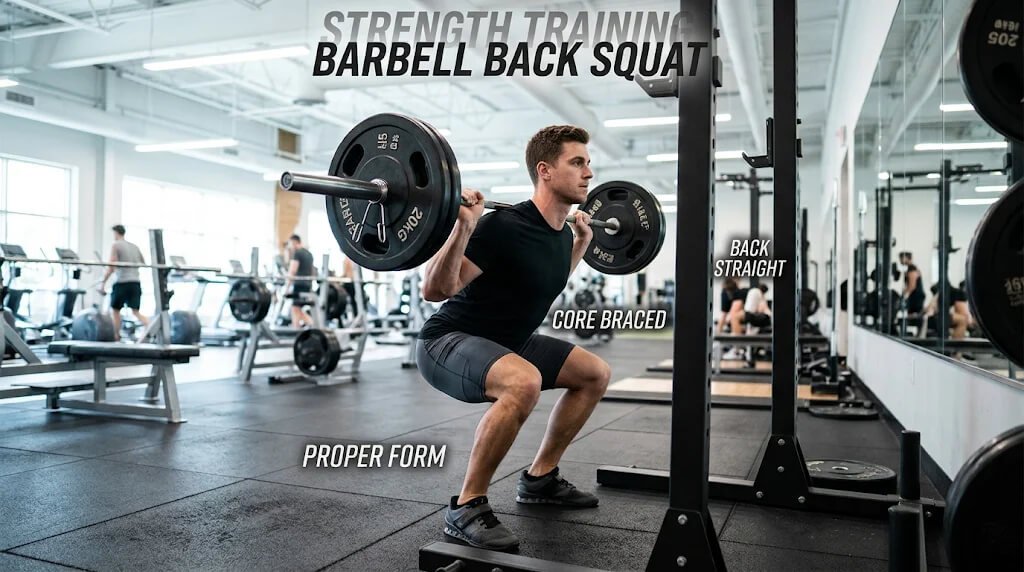
- How to do it: Focus on the barbell back squat, deadlift, and bench press. For a squat, stand with feet shoulder-width apart. Brace your core, push your hips back, and descend until your thighs are parallel to the floor. Drive through your heels to stand.
- Sets, Reps, Rest: 3 to 4 sets of 6 to 8 reps. Rest 2 to 3 minutes between sets. Tempo should be controlled: 3 seconds down, 1-second pause, 1 second up.
- Why it works: Heavy compound lifts stimulate muscle protein synthesis and support healthy testosterone production. A study published in the Journal of Strength and Conditioning Research notes that resistance training significantly improves muscular endurance and metabolic rate.
- Regression: Goblet squat holding a 35 lb (16 kg) dumbbell at chest height.
- Progression: Barbell back squat with 185 lb (84 kg) or more, adding a 1-second pause at the bottom.
2. Zone 2 Cardiovascular Training
Zone 2 cardio is steady-state exercise performed at 60% to 70% of your maximum heart rate. You should be able to hold a conversation while doing it, but you should still be sweating.
- How to do it: Jogging, cycling, or brisk walking on an incline. Aim for 45 to 60 minutes per session.
- Why it works: Zone 2 training specifically increases mitochondrial density and efficiency. More mitochondria mean your cells produce energy (ATP) more effectively, delaying fatigue during both workouts and daily life. The Cleveland Clinic highlights that consistent aerobic exercise improves heart health and oxygen delivery throughout the body.
- Coach’s Tip: Use a heart rate monitor. For a 40-year-old man, max heart rate is roughly 180 bpm. Zone 2 would be 108 to 126 bpm.
3. High-Intensity Interval Training (HIIT)
While Zone 2 builds your aerobic base, HIIT pushes your anaerobic threshold, teaching your body to clear lactic acid and recover quickly between bursts of effort.
- How to do it: After a 10-minute warm-up, sprint or cycle at maximum effort for 30 seconds. Follow this with 60 seconds of slow walking or easy pedaling. Repeat this cycle 6 to 8 times.
- Why it works: HIIT improves VO2 max (the maximum amount of oxygen your body can utilize during exercise). Higher VO2 max is directly linked to greater physical stamina and vitality.
- Common Mistake: Going too hard during the “rest” period. The recovery phase must be truly easy to allow your heart rate to drop, ensuring you can maintain high output in the next work interval.
4. Pelvic Floor and Core Stability
Male vitality is closely linked to pelvic floor health. A strong pelvic floor supports bladder control, sexual function, and core stability during heavy lifts.
- How to do it: Kegel exercises. Identify the muscles you use to stop the flow of urine. Contract these muscles for 5 seconds, then relax for 5 seconds.
- Sets and Reps: 3 sets of 10 to 15 repetitions, performed daily.
- Why it works: Strengthening these muscles improves blood flow to the pelvic region and enhances overall core rigidity, which translates to better performance in squats, deadlifts, and daily activities.
- Regression: Perform Kegels while lying on your back with knees bent to reduce gravity’s pull.
- Progression: Perform Kegels while holding a plank position or during a bodyweight squat.
5. Optimizing Sleep Hygiene and Circadian Rhythm
You cannot out-train poor sleep. Sleep is when your body repairs muscle tissue, regulates hormones, and consolidates neural pathways.
- How to apply it: Aim for 7 to 9 hours of uninterrupted sleep per night. Keep your bedroom cool (around 65°F or 18°C), completely dark, and quiet. Stop looking at screens 60 minutes before bed.
- Why it works: The majority of daily testosterone release occurs during deep, REM sleep. Chronic sleep deprivation spikes cortisol and crashes energy levels. Research from the National Institutes of Health (NIH) confirms that restricting sleep to 5 hours per night for just one week can reduce testosterone levels by 10% to 15% in healthy young men.
- Coach’s Tip: Get 10 to 15 minutes of direct sunlight in your eyes within 30 minutes of waking up. This anchors your circadian rhythm, making it easier to fall asleep at night.
6. Stress Management and Cortisol Control
Chronic stress is a silent killer of male vitality. When cortisol remains elevated, it suppresses testosterone production, increases fat storage, and drains your mental energy.
- How to apply it: Dedicate 10 minutes daily to box breathing (inhale 4 seconds, hold 4 seconds, exhale 4 seconds, hold 4 seconds). Incorporate daily walks in nature without your phone.
- Why it works: Controlled breathing activates the parasympathetic nervous system (the “rest and digest” state), lowering heart rate and cortisol. Managing stress is one of the most underrated natural ways to boost male vitality and endurance.
7. Strategic Hydration and Electrolyte Balance
Even mild dehydration (a 2% loss of body water) can significantly impair physical performance, cognitive function, and energy levels.
- How to apply it: Drink half your body weight in ounces of water daily. For a 180 lb (82 kg) man, that is 90 oz (2.6 liters) of water. Add a pinch of sea salt or an electrolyte powder if you sweat heavily during workouts.
- Why it works: Water is required for every metabolic process, including nutrient transport and temperature regulation. Proper hydration maintains blood volume, ensuring efficient oxygen delivery to working muscles.
8. Whole-Food Nutrition for Mitochondrial Health
Your diet is the fuel for your engine. Processed foods cause inflammation and energy crashes, while whole foods provide sustained power.
- How to apply it: Build every meal around a lean protein source (chicken, fish, eggs, or lean beef), a complex carbohydrate (sweet potatoes, oats, or quinoa), and healthy fats (avocado, olive oil, or nuts). Aim for at least 30 grams of protein per meal.
- Why it works: Protein provides the amino acids necessary for muscle repair. Healthy fats are the building blocks for steroid hormones, including testosterone. Complex carbs replenish muscle glycogen, which is your primary energy source during intense training.
9. Targeted Micronutrient Support
While whole foods should be your priority, certain micronutrients are critical for male energy and hormonal health.
- Zinc: Essential for testosterone production and immune function. Found in oysters, red meat, and pumpkin seeds.
- Magnesium: Involved in over 300 enzymatic reactions, including energy production and muscle relaxation. Found in spinach, almonds, and dark chocolate.
- Vitamin D: Functions more like a hormone in the body and is strongly linked to male vitality. Get 15 minutes of sun daily or consider a supplement if blood tests show a deficiency.
- Why it works: A deficiency in any of these will create a bottleneck in your body’s ability to produce energy and maintain hormonal balance. The NIH Office of Dietary Supplements notes that adequate zinc and magnesium intake is vital for maintaining normal physiological function in men.
10. Active Recovery and Cold Exposure
Rest days are not for sitting on the couch; they are for active recovery. This promotes blood flow, which delivers nutrients to damaged tissues and clears metabolic waste.
- How to apply it: On rest days, do 20 to 30 minutes of light activity, such as walking 2 miles (3.2 km) or gentle yoga. Optionally, finish your shower with 1 to 2 minutes of cold water.
- Why it works: Light movement prevents stiffness and promotes lymphatic drainage. Cold exposure has been shown to increase norepinephrine, a neurotransmitter that boosts focus, mood, and perceived energy levels.
Sample Weekly Vitality and Endurance Workout Plan
To put these natural ways to boost male vitality and endurance into action, you need a structured plan. This weekly schedule balances strength, cardiovascular health, and recovery.
| Day | Workout Focus | Exercises / Activity | Duration / Volume |
| Monday | Lower Body Strength | Barbell Squats, Romanian Deadlifts, Walking Lunges, Plank | 4 sets x 6-8 reps (Rest 2-3 min) |
| Tuesday | Zone 2 Cardio + Core | Brisk Incline Treadmill Walk or Cycling + Kegels | 45 mins cardio + 3 x 15 Kegels |
| Wednesday | Upper Body Strength | Bench Press, Bent-Over Rows, Overhead Press, Pull-ups | 4 sets x 8-10 reps (Rest 2 min) |
| Thursday | Active Recovery | Light Walking, Stretching, or Yoga | 30 mins low intensity |
| Friday | Full Body HIIT | Kettlebell Swings, Push-ups, Jump Squats, Mountain Climbers | 6 rounds: 30 sec work, 60 sec rest |
| Saturday | Zone 2 Cardio | Outdoor Jog, Hike, or Bike Ride | 45-60 mins at conversational pace |
| Sunday | Total Rest | Meal prep, sunlight exposure, prioritize 8+ hours of sleep | N/A |
How to Put It All Together: Progression and Regression
Not everyone starts at the same fitness level. The key to long-term success is meeting yourself where you are and progressing safely.
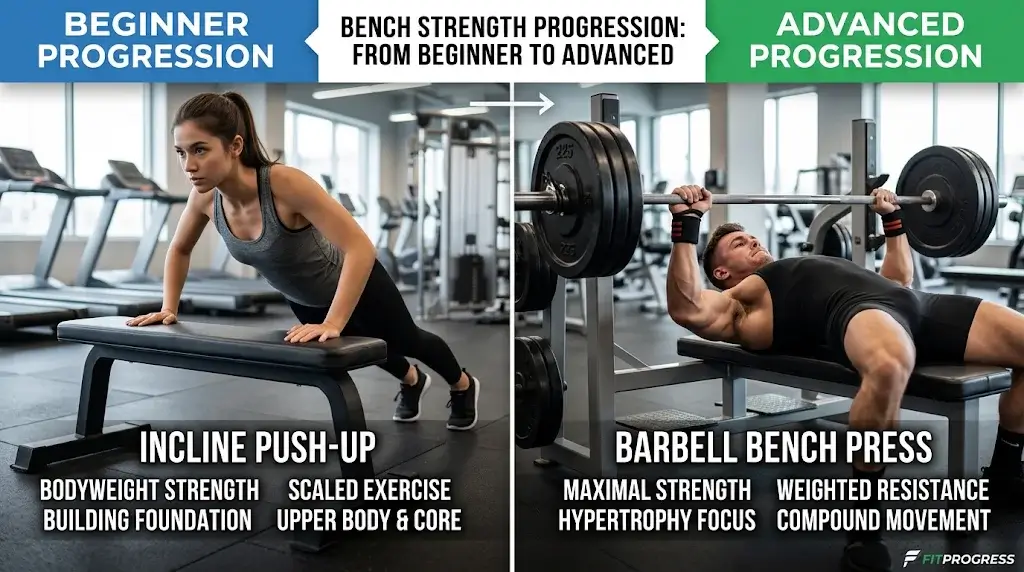
- Beginner Version: If you are new to training, start with bodyweight squats, push-ups on an incline (e.g., hands on a bench 24 inches or 61 cm high), and 20-minute walks. Focus entirely on mastering the form before adding weight.
- Advanced Version: If you have been training for over a year, introduce periodization. Alternate between hypertrophy phases (3 sets of 10-12 reps) and strength phases (5 sets of 3-5 reps). Add weighted vest walks for your Zone 2 cardio to increase the challenge without spiking your heart rate out of the target zone.
Safety Notes and Who Should Be Careful
While these natural ways to boost male vitality and endurance are highly effective, safety must come first.
- Consult a Professional: If you have a history of heart conditions, high blood pressure, joint injuries, or are over the age of 45 and have been sedentary, consult a doctor or physical therapist before starting a new exercise or supplement regimen.
- Listen to Your Body: Sharp pain is a warning sign. Muscle burn is normal; joint pain is not. If an exercise hurts your lower back or knees, regress to an easier variation or seek a form check from a certified trainer.
- Supplement Caution: While nutrients like zinc and magnesium are safe at recommended dietary allowances, megadosing can cause toxicity or interact with medications. Always stick to the upper tolerable limits established by health authorities.
Frequently Asked Questions (FAQ)
What are the absolute best natural ways to boost male vitality and endurance?
The most effective approach combines compound strength training, Zone 2 cardio, and pelvic floor exercises with optimized sleep, stress management, and a nutrient-dense whole-food diet. Consistency across these areas yields the best results.
How long does it take to see improvements in natural male vitality?
Most men notice improved daily energy and better sleep within 2 to 3 weeks of consistent habits. Measurable improvements in physical endurance and strength typically take 6 to 8 weeks of dedicated training.
Can stress management really improve male physical vitality?
Yes. Chronic stress elevates cortisol, which directly suppresses testosterone production and drains cellular energy. Practices like daily breathing exercises and nature walks lower cortisol, preserving your hormonal balance and stamina.
Does strength training improve male endurance and vitality?
Absolutely. Strength training builds muscle mass, which improves metabolic health and insulin sensitivity. It also strengthens the heart and connective tissues, making daily physical tasks feel easier and boosting overall resilience.
What foods naturally boost energy and stamina in men?
Focus on lean proteins (chicken, fish, eggs), complex carbohydrates (oats, sweet potatoes), and healthy fats (avocados, nuts, olive oil). These provide sustained energy without the blood sugar crashes associated with processed foods.
How does sleep affect male vitality and physical endurance?
Sleep is when your body repairs muscle tissue and produces the majority of its daily testosterone. Getting less than 7 hours of quality sleep regularly will impair recovery, lower energy, and decrease physical performance.
Conclusion
Building lasting stamina is not about finding a magic pill. The most effective natural ways to boost male vitality and endurance require a commitment to foundational habits. By prioritizing compound strength training, Zone 2 cardio, and pelvic floor health, you build a physically resilient body. When you pair that movement with deep sleep, stress management, and targeted whole-food nutrition, you create an environment where your energy and hormonal health can thrive.
Start with one or two changes from this guide. Master your sleep schedule, add two strength sessions to your week, or clean up your hydration habits. Small, consistent actions compound over time, leading to profound improvements in how you look, feel, and perform every single day.