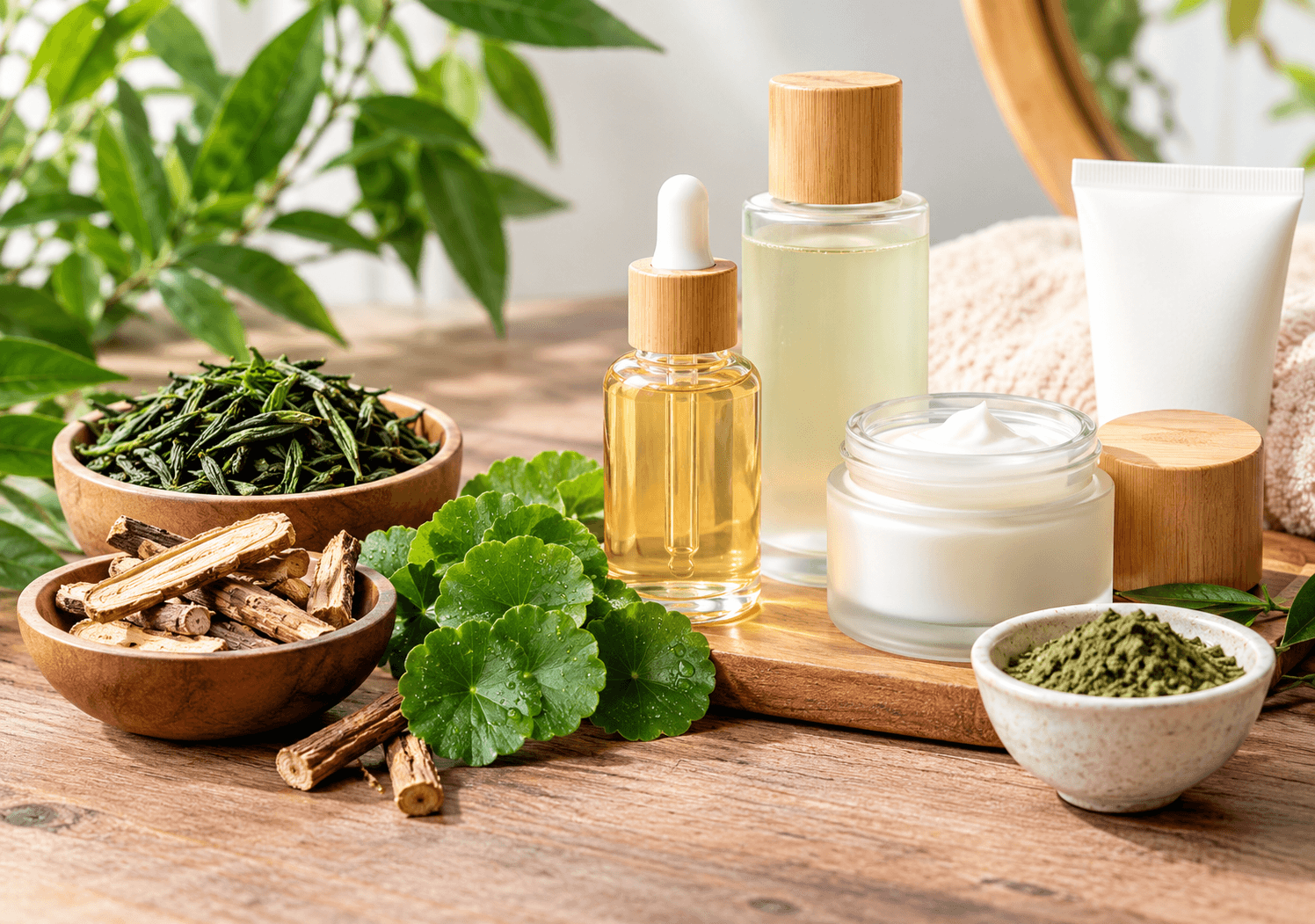
Navigating post-inflammatory hyperpigmentation or sun-induced discoloration is frustrating enough, but when your skin reacts to every potent acid or synthetic brightener with stinging, redness, and flaking, finding a solution feels nearly impossible. Many traditional hyperpigmentation treatments rely on aggressive chemicals that damage a fragile moisture barrier. However, leveraging plant-based skincare for sensitive skin dark spots offers a restorative, highly effective path toward a balanced, glowing complexion without triggering irritation.
Quick Answer: Plant-based skincare for sensitive skin dark spots uses gentle botanical extracts—such as licorice root, centella asiatica, and green tea polyphenols—to inhibit melanin production and calm inflammation simultaneously. Unlike harsh synthetics, these natural ingredients repair the skin barrier while gradually fading discoloration without stinging or redness.
Why Sensitive Skin Struggles with Traditional Dark Spot Treatments
Sensitive skin features a compromised stratum corneum, meaning its outer lipid barrier is thinner or more easily disrupted. When harsh synthetic brighteners like high-percentage hydroquinone, strong retinoids, or unbuffered glycolic acids are applied to delicate skin, they trigger microscopic inflammation.
Research indicates that any inflammatory response in the skin stimulates melanocytes—the pigment-producing cells—to manufacture more melanin Mayo Clinic. Consequently, using aggressive treatments on sensitive skin often backfires, creating darker marks instead of clearing them. Adopting a gentle, plant-powered approach breaks this inflammatory cycle by nurturing the barrier while addressing pigment at its root.
The Science of Botanical Brightening: How Plants Fight Pigment
Nature provides a rich pharmacopeia of compounds capable of regulating melanin synthesis safely. Instead of forcefully bleaching the skin, botanical active ingredients work through subtle biochemical pathways.
For instance, certain plant extracts contain active molecules that competitively bind to tyrosinase, the enzyme responsible for converting the amino acid tyrosine into dark melanin clusters. By slowing down this enzymatic reaction gently, plant-based remedies prevent new pigment formation. Simultaneously, antioxidant-rich botanicals neutralize free radicals generated by daily ultraviolet exposure, protecting cellular structures from oxidative stress Harvard Health.
Key Mechanisms of Plant-Based Brighteners
- Gentle Tyrosinase Inhibition: Botanical compounds like glabridin from licorice root block enzyme activity without causing cellular shock.
- Anti-Inflammatory Calming: Herbal extracts suppress cytokine release, reducing the redness and heat that spark post-inflammatory hyperpigmentation.
- Antioxidant Defense: Plant polyphenols scavenge reactive oxygen species, stopping UV-induced pigment escalation before it starts.
Top Plant-Based Ingredients for Sensitive Skin Dark Spots
Choosing the right botanical ingredients is essential for achieving visible results without compromising comfort. Here are the top plant-derived powerhouses tailored specifically for reactive complexions.
1. Licorice Root Extract (Glabridin)
Licorice root is widely celebrated in botanical dermatology for containing glabridin, an active compound that inhibits tyrosinase activity. It disperses melanin clusters evenly while offering powerful anti-inflammatory benefits, making it ideal for fading stubborn acne scars on easily flushed skin.
2. Centella Asiatica (Cica)
While cica is primarily known for wound healing and barrier repair, it plays a vital supporting role in dark spot management. By calming micro-inflammation and stimulating collagen synthesis, cica ensures that skin heals cleanly after a breakout, preventing future discoloration marks.
3. Green Tea Polyphenols (EGCG)
Epigallocatechin gallate (EGCG) found in green tea acts as an exceptional antioxidant. It shields the skin from environmental triggers that darken existing spots while gently normalizing cellular turnover.
4. Niacin-Rich Plant Peptides and Rice Bran Extract
Rice bran extract contains natural squalane, ferulic acid, and vitamin E. It softens the stratum corneum, allowing dull, pigmented surface cells to shed naturally while deeply hydrating the moisture barrier.
Side-by-Side Comparison: Synthetic vs. Plant-Based Brightening
| Feature / Attribute | Synthetic Brighteners (e.g., High-Dose Hydroquinone/Acids) | Plant-Based Skincare for Sensitive Skin |
| Primary Action | Aggressive chemical interruption of melanin | Gentle enzymatic modulation & barrier support |
| Irritation Potential | High; often causes peeling, burning, and redness | Very low; formulated to soothe and repair |
| Barrier Impact | Can thin or compromise the stratum corneum | Reinforces lipid matrix and boosts hydration |
| Speed of Results | Fast initial fading, with high risk of rebound pigment | Gradual, sustainable lightening over 8-12 weeks |
| Suitability | Resilient, non-reactive skin types | Sensitive, easily inflamed, or reactive skin |
Step-by-Step Daily Routine for Sensitive Skin
Building a consistent, non-irritating routine is the secret to clearing dark spots when your skin is easily overwhelmed. Follow this gentle daily framework morning and night.
The Morning Routine
- Gentle Cleansing: Wash your face with a hydrating, sulfate-free cleanser that maintains your natural pH balance.
- Botanical Essence or Toner: Pat on an alcohol-free toner infused with centella asiatica or green tea to prep the skin.
- Plant-Based Brightening Serum: Apply 3 to 4 drops of a serum containing licorice root extract or vitamin-rich botanical oils.
- Mineral Sunscreen: Finish with a broad-spectrum SPF 30+ mineral sunscreen containing zinc oxide. UV defense is crucial, as sunlight instantly darkens existing pigmentation.
The Evening Routine
- Oil or Balm Cleanser: Melt away impurities and mineral sunscreen without scrubbing or tugging at delicate facial tissue.
- Hydrating Cleanser: Follow with a mild, non-foaming wash to ensure complete cleanliness.
- Barrier Repair Treatment: Apply a nourishing moisturizer rich in plant ceramides and soothing herbal extracts.
- Spot Treatment (Optional): Dab a targeted botanical corrector directly onto stubborn dark spots.
Coach’s Tip: The Power of Gradual Consistency
Coach’s Tip: Just like building strength in the gym, consistency beats intensity every single time in skincare. Do not layer five different botanical serums on day one. Introduce one gentle product at a time, use it for two full weeks, and listen closely to how your skin responds before adding anything else.
Common Mistakes and How to Fix Them
- Mistake 1: Scrubbing the Skin to Remove Dark Spots. Using physical walnut scrubs or harsh abrasive brushes to “polish away” dark spots creates micro-tears and inflammation, worsening pigmentation. The Fix: Ditch physical scrubs entirely and rely on gentle chemical-free enzymatic sloughing or natural plant lipids.
- Mistake 2: Skipping Daily Sun Protection. Applying brightening botanicals while avoiding sunscreen is like taking two steps forward and three steps back. The Fix: Wear a mineral sunscreen every single morning, regardless of whether it is sunny or cloudy outside.
- Mistake 3: Expecting Overnight Miracles. Plant-based formulas work harmoniously with your biology, meaning they take time to show visible changes. The Fix: Commit to an 8-to-12-week window of daily application before judging whether a botanical routine is working for you.
Frequently Asked Questions
Can plant-based skincare completely remove dark spots?
Botanical brighteners can significantly fade the appearance of sun spots, acne scars, and uneven tone by regulating melanin production. While results vary based on the depth of the pigmentation, consistent use over 8 to 12 weeks yields remarkable, natural-looking improvements.
Why does sensitive skin develop more dark spots?
Sensitive skin experiences a higher frequency of micro-inflammation due to a compromised barrier. When skin becomes inflamed from irritation, allergens, or minor breakouts, melanocytes overreact and flood the surrounding tissue with excess pigment, resulting in dark marks.
Are natural plant extracts safer for sensitive skin than synthetic chemicals?
Generally, yes. Plant extracts formulated for sensitive skin contain built-in soothing agents, antioxidants, and emollients that nourish the moisture barrier while addressing discoloration, whereas harsh synthetics often strip lipids and trigger irritation.
How do I patch test new botanical skincare products?
Apply a dime-sized amount of the product to your inner forearm or behind your ear. Leave it undisturbed for 48 hours. If you notice any redness, burning, itching, or swelling, do not apply the product to your face.
Can I combine plant-based brighteners with retinol?
Some botanical brighteners pair wonderfully with mild retinoids, but sensitive skin should introduce them slowly. Alternate nights or use your plant-based brightener in the morning and a gentle retinol alternative at night to prevent barrier overload.
Conclusion
Managing discoloration on delicate complexions does not require harsh chemicals that cause stinging and redness. By choosing plant-based skincare for sensitive skin dark spots, you harness the power of gentle botanical extracts like licorice root and centella asiatica to inhibit melanin production, calm inflammation, and restore your natural moisture barrier. Embrace consistency, prioritize daily sun protection, and watch your skin achieve a clear, balanced glow.