
Noticeable changes in your skin often begin in your late twenties, but they accelerate significantly after age 40. Your body’s natural production of structural proteins slows down, leading to a loss of firmness, increased dryness, and the formation of fine lines. While topical creams only treat the surface, addressing the issue from the inside out requires targeted nutritional support. Finding the best collagen supplements for skin hydration and elasticity means looking past flashy marketing and focusing on bioavailability, amino acid profiles, and clinical evidence.
As a strength and conditioning coach, I look at tissue health the same way I look at muscle recovery: you need the right building blocks, delivered efficiently, to repair and maintain the body’s framework. Your skin is your largest organ, and its underlying support structure relies heavily on specific peptide chains. This guide breaks down the science of dermal repair, compares the top peptide powders on the market, and provides a practical protocol to help you restore a youthful, resilient glow.
Quick Answer Box
- Top Pick: Vital Proteins Collagen Peptides (Best overall blend of Types I & III with added hyaluronic acid).
- Budget Pick: NeoCell Super Collagen + C (Highly affordable, includes essential Vitamin C for absorption).
- Upgrade Pick: Sports Research Marine Collagen (Premium wild-caught marine source, ideal for pescatarians and fast absorption).
Top Collagen Products Compared
| Product Name | Collagen Type | Key Additions | Best For | Price Range |
| Vital Proteins Peptides | Bovine (I & III) | Hyaluronic Acid, Vitamin C | Everyday overall skin and joint support | $25 – $30 |
| Sports Research Marine | Marine (I) | None (Pure Peptides) | Pescatarians and fast absorption | $35 – $45 |
| Further Food Peptides | Bovine (I & III) | None (Pure Peptides) | Budget-conscious, grass-fed sourcing | $20 – $25 |
| NeoCell Super Collagen + C | Bovine (I & III) | Vitamin C, Biotin | Those needing a built-in vitamin booster | $15 – $22 |
| Physician’s Choice Multi | Multi (I, II, III, V, X) | Hyaluronic Acid, Vitamin C | Full-body support (skin, hair, joints) | $30 – $40 |
| Momentous Collagen | Bovine (I & III) | Vitamin C, Magnesium | Athletes and NSF-certified purity seekers | $40 – $50 |
6 Best Collagen Supplements for Skin Hydration and Elasticity Reviewed
1. Vital Proteins Collagen Peptides (Top Pick)
Vital Proteins has become a staple in the wellness industry for a reason. Their primary formula relies on bovine hide sourced from grass-fed, pasture-raised cows, providing a rich profile of Type I and Type III collagen. These two types are the most abundant in human skin and are directly responsible for maintaining the dermal matrix.
Who it’s for: Women over 40 looking for a reliable, daily supplement that mixes effortlessly into morning routines. Key Features:
- Contains 20g of protein per standard scoop (which weighs about 0.7 ounces or 20 grams).
- Added Hyaluronic Acid (120mg) to bind moisture to skin cells.
- Added Vitamin C (90mg) to stimulate natural fibroblast activity. Pros:
- Dissolves completely in hot or cold liquids.
- Truly unflavored; does not alter the taste of coffee or tea.
- Widely available and consistently third-party tested. Cons:
- Not suitable for vegans or pescatarians.
- Large tub takes up considerable counter space (about 8 inches or 20 cm tall).

2. Sports Research Marine Collagen (Upgrade Pick)
Marine collagen is derived from the scales and skin of wild-caught fish. It consists almost entirely of Type I collagen, which makes up about 90% of your body’s total collagen supply. Because marine peptides have a smaller molecular size (lower Dalton weight), they are absorbed slightly faster into the bloodstream.
Who it’s for: Pescatarians, those with beef allergies, or individuals seeking the highest bioavailability for targeted dermal repair. Key Features:
- Sourced from non-GMO, wild-caught deep-sea fish.
- Enzymatically hydrolyzed for maximum absorption.
- Zero additives, fillers, or artificial sweeteners. Pros:
- Superior bioavailability compared to bovine sources.
- Sustainably sourced using parts of the fish that would otherwise go to waste.
- Mixes well into cold water or smoothies. Cons:
- More expensive per serving than bovine options.
- May have a very faint marine scent when dry, though it vanishes when mixed.
3. Further Food Collagen Peptides (Budget Pick)
If you want a clean, single-ingredient product without paying a premium for added vitamins, Further Food is an excellent choice. They use a single-step enzymatic hydrolysis process to break down the long amino acid chains into easily digestible peptides.
Who it’s for: Minimalists who already take a separate Vitamin C supplement and want a pure, cost-effective peptide powder. Key Features:
- 100% grass-fed, pasture-raised bovine hide.
- Non-GMO, keto-friendly, and paleo-friendly.
- No added sugars, flavors, or preservatives. Pros:
- Highly affordable for long-term daily use.
- Transparent sourcing and manufacturing processes.
- Provides 10g of protein per standard serving. Cons:
- Lacks the added hyaluronic acid found in premium blends.
- Can clump slightly if stirred into ice-cold water without a frother.
4. NeoCell Super Collagen + C
NeoCell takes a slightly different approach by formulating their powder and tablets with a high dose of Vitamin C and Biotin. Vitamin C is not just an antioxidant; it is a mandatory cofactor for the enzymes that stabilize and cross-link collagen molecules in your body.
Who it’s for: Individuals who struggle to get enough Vitamin C from their diet and want an all-in-one skin support formula. Key Features:
- Contains BioCell Collagen, a patented form that includes naturally occurring hyaluronic acid and chondroitin sulfate.
- Available in both powder and tablet forms.
- Specifically targeted toward dermal and joint hydration. Pros:
- The inclusion of Vitamin C guarantees optimal synthesis in the body.
- Tablet form is convenient for travel or office use.
- Clinically studied proprietary blend. Cons:
- Tablets require swallowing 6 large pills per day to reach the clinical dose.
- Powder version has a slight tangy taste due to the vitamin C.
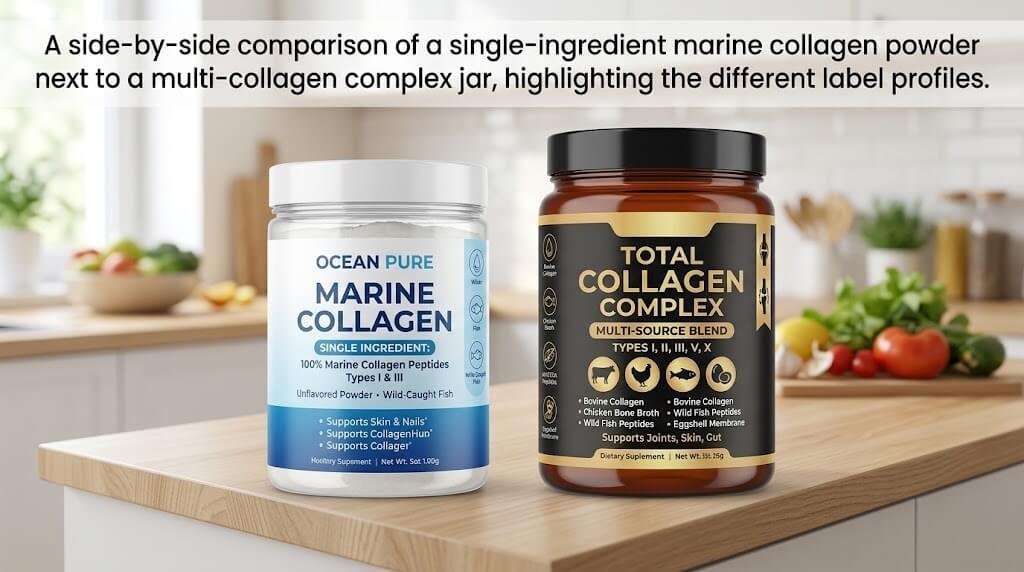
5. Physician’s Choice Multi-Collagen Complex
Not all collagen is the same. While Types I and III dominate the skin, Types II, V, and X play crucial roles in cartilage, hair follicles, and cellular membranes. Physician’s Choice combines five different types of collagen from bovine, chicken, eggshell membrane, and fish sources.
Who it’s for: Active women who want to support their skin elasticity while simultaneously protecting their joints from the wear and tear of resistance training. Key Features:
- Five distinct collagen types for full-body connective tissue support.
- Fortified with Vitamin C and Hyaluronic Acid.
- Includes a probiotic blend to support gut health and nutrient absorption. Pros:
- Comprehensive approach to total body connective tissue.
- Added probiotics improve the gut-skin axis.
- Excellent mixability in morning smoothies. Cons:
- Complex ingredient list may trigger sensitivities in those with egg or fish allergies.
- Slightly higher price point due to the multi-source extraction.
6. Momentous Collagen Peptides
Momentous is a brand heavily favored by professional athletes and dietitians because of their rigorous third-party testing. Their collagen is NSF Certified for Sport, meaning every batch is tested for over 270 banned substances and heavy metals.
Who it’s for: Competitive athletes, health optimizers, and anyone highly concerned with heavy metal contamination in dietary supplements. Key Features:
- Formulated with Vitamin C to ensure immediate utilization by fibroblasts.
- Sourced from grass-fed, pasture-raised bovine.
- NSF Certified for Sport and Informed Choice certified. Pros:
- Unmatched purity and safety testing.
- Clean, neutral taste profile.
- Trusted by sports dietitians and medical professionals. Cons:
- Premium pricing makes it a significant monthly investment.
- Primarily available through direct-to-consumer channels or specialized retailers.
The Science: How Peptides Rebuild the Dermal Matrix
To understand why these supplements work, you need to understand the biology of your skin. Your skin is composed of three primary layers: the epidermis (outer layer), the dermis (middle layer), and the hypodermis (fatty base layer). The dermis is where the magic happens. It contains a dense network of fibroblasts, the cells responsible for manufacturing collagen, elastin, and hyaluronic acid.
When you consume a protein source, your digestive system breaks it down into individual amino acids. However, hydrolyzed collagen powder is different. The enzymatic hydrolysis process pre-digests the long protein chains into short peptide sequences. Research suggests that these specific peptide chains survive digestion, enter the bloodstream, and travel to the dermis. Once there, they act as signaling molecules, tricking your fibroblasts into thinking that tissue damage has occurred. This triggers the fibroblasts to ramp up the production of new structural proteins and hyaluronic acid, leading to improved skin moisture barrier function and reduced wrinkle depth.
The Big Three Amino Acids
Collagen is unique because its amino acid profile is vastly different from muscle-building proteins like whey or casein. It is heavily concentrated in three specific amino acids:
- Glycine: Makes up about one-third of collagen. It is essential for reducing inflammation and supporting cellular repair.
- Proline: Crucial for stabilizing the triple-helix structure of the collagen molecule.
- Hydroxyproline: A rare amino acid found almost exclusively in collagen. It requires Vitamin C for its synthesis and is vital for preventing the degradation of the dermal matrix.
When evaluating your daily macros, remember that your overall protein intake plays a role in total tissue repair, but collagen provides the specific raw materials needed for connective tissue rather than skeletal muscle.
How to Choose the Best Collagen Supplements for Skin Hydration and Elasticity
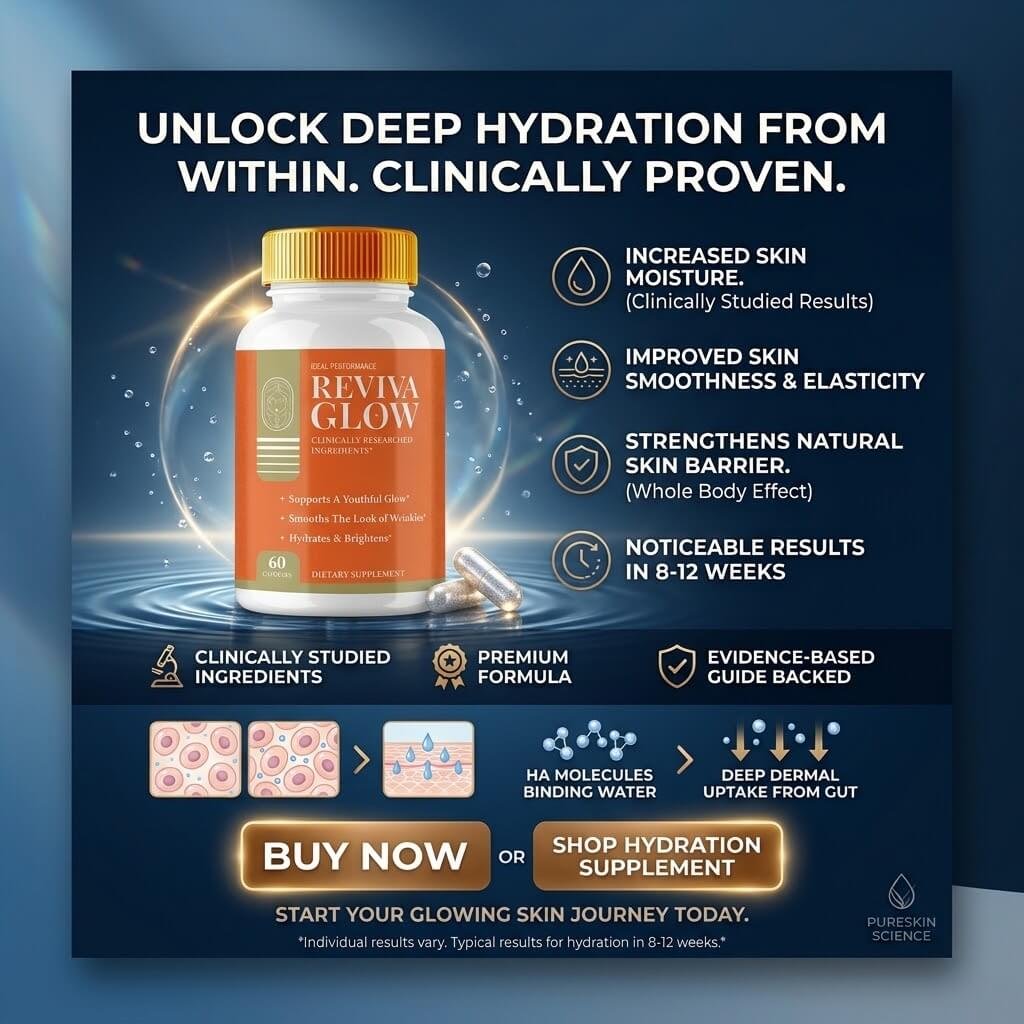
Navigating the supplement aisle can be overwhelming. Learning how to evaluate ingredients in supplements ensures you aren’t paying for fillers, artificial sweeteners, or under-dosed formulas. Use this buyer’s checklist to make an informed decision.
1. Hydrolyzed vs. Gelatin
Always choose “hydrolyzed collagen” or “collagen peptides” over plain gelatin. Gelatin is simply cooked collagen. While it is great for making healthy gummies or thickening soups, it forms a gel in cold water and is slightly harder for the body to break down. Hydrolyzed peptides are broken down into microscopic chains (measured in Daltons) that dissolve in cold water and absorb rapidly.
2. Molecular Weight (Daltons)
The smaller the peptide chain, the easier it is for your intestinal wall to absorb it into the bloodstream. Look for brands that utilize enzymatic hydrolysis to achieve a low molecular weight, ideally under 3,000 Daltons. Marine collagen naturally boasts a lower molecular weight than bovine collagen, which is why it is often cited as the superior choice for rapid dermal delivery.
3. The Vitamin C Connection
You cannot synthesize new collagen without Vitamin C. It acts as a cofactor for the enzymes prolyl hydroxylase and lysyl hydroxylase, which stabilize and cross-link the collagen molecules. If your supplement does not include Vitamin C, you must consume it alongside a source of the vitamin, such as a squeeze of lemon juice, a handful of strawberries, or a dedicated ascorbic acid capsule.
4. Sourcing and Transparency
- Bovine: Look for “grass-fed, pasture-raised.” This ensures the cows were not subjected to confined feeding operations and reduces the risk of inflammatory compounds in the tissue.
- Marine: Look for “wild-caught” and “sustainably sourced.” Avoid farm-raised fish sources due to potential antibiotic use and poor water quality.
- Third-Party Testing: The supplement industry is loosely regulated. Look for seals from NSF, USP, or Informed Choice. This guarantees that what is on the label is actually in the tub, free from heavy metals like lead and arsenic.
5. Additives and Fillers
If you are pairing this with a fat-loss phase, knowing what to look for in a supplement helps you avoid hidden sugars and artificial creamers. Many “collagen creamers” are loaded with maltodextrin, sunflower oil, and artificial flavors. Stick to single-ingredient powders or those with minimal, functional additions like hyaluronic acid and Vitamin C.
How We Picked Our Top Recommendations
As a coach, I do not rely on marketing hype. My criteria for selecting the top products are rooted in bioavailability, ingredient transparency, and practical daily use.
- Bioavailability: We prioritized brands that use advanced enzymatic hydrolysis to ensure the peptides reach the bloodstream intact.
- Ingredient Synergy: We favored products that included synergistic compounds like Vitamin C and Hyaluronic Acid, which amplify the skin-hydrating effects.
- Mixability and Taste: A supplement is only effective if you actually take it. We tested these in hot coffee, cold water, and protein shakes. Powders that clumped or left a gritty, foul aftertaste were eliminated.
- Third-Party Verification: We heavily weighted brands that invest in independent lab testing to verify their amino acid profiles and screen for contaminants.
Usage, Dosing, and Daily Protocols
Taking collagen is not like taking a pre-workout stimulant; you will not feel an immediate rush of energy. It is a structural supplement that requires consistency. According to clinical trials, visible improvements in skin elasticity and hydration typically take 8 to 12 weeks of daily use.
The Dosage Sweet Spot
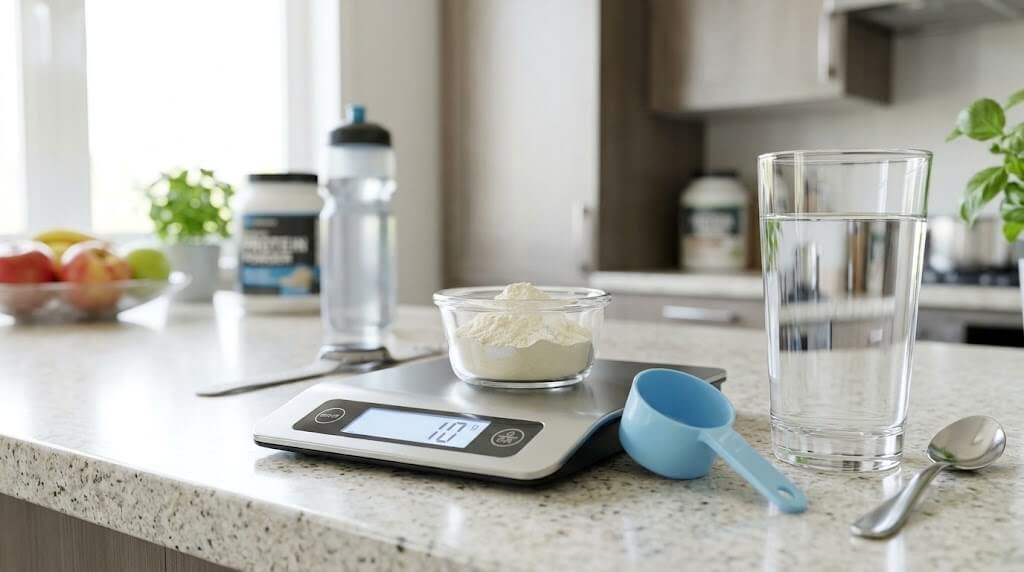
Most clinical studies showing significant improvements in dermal density use doses ranging from 2.5 grams to 15 grams per day. A standard scoop provided by most manufacturers is 10 grams (0.35 ounces). Taking one scoop daily is sufficient for most women over 40.
When to Take It
There is a persistent myth that collagen must be taken on an empty stomach or right before bed to absorb properly. This is false. Digestion is a highly efficient process. You can take your peptides in your morning coffee, blended into a post-workout shake, or stirred into evening tea. The key is daily consistency.
Beginner Protocol (Regression)
If you are new to supplementation or have a sensitive stomach, start slow.
- Weeks 1-2: Take 5 grams (half a scoop) daily mixed into a warm beverage.
- Weeks 3+: Increase to 10 grams (one full scoop) daily.
- Hydration: Drink at least 64 ounces (1.9 liters) of water daily. Peptides require adequate systemic hydration to help bind moisture to the dermal layer.
Advanced Skin-Stack Protocol (Progression)
For those looking to maximize their anti-aging and tissue-repair results, combine collagen with targeted lifestyle habits.
- The Stack: 10g Hydrolyzed Peptides + 500mg Vitamin C + 120mg Hyaluronic Acid.
- Circulation Boost: Nutrients are delivered via the bloodstream. Engaging in daily Zone 2 cardio, such as walking 3 miles (4.8 km) at a brisk pace, increases micro-capillary blood flow to the skin, delivering the amino acids directly to the fibroblasts.
- Timing: Take your stack 30 minutes before a meal to optimize amino acid uptake without competition from other dietary proteins.
Coach’s Tip: While collagen is a protein, complete proteins are better if you want to know how protein helps control hunger. Collagen is an “incomplete” protein because it lacks tryptophan. Do not use it as a meal replacement or your primary post-workout muscle builder. Use whey, casein, or whole foods for muscle synthesis, and use collagen specifically for skin, hair, and joint connective tissue.
Common Mistake: Mixing pure collagen peptides into highly acidic, boiling hot liquids for prolonged periods. While modern hydrolyzed collagen is heat stable, extreme, prolonged boiling can degrade some peptide chains. Stir it into your coffee after it has cooled slightly to a drinkable temperature.
Lifestyle Factors That Destroy Collagen
Supplementation is only half the battle. If you are actively destroying your dermal matrix through poor lifestyle choices, no powder in the world will save your skin elasticity.
1. UV Radiation (Photoaging)
Ultraviolet light penetrates the epidermis and directly damages the fibroblasts in the dermis. It triggers the production of enzymes called matrix metalloproteinases (MMPs), which actively chew up and destroy your existing collagen network. Daily use of a broad-spectrum SPF 30+ sunscreen is non-negotiable if you want your supplements to work.
2. Glycation (Sugar Damage)
When you consume excess refined sugars, the glucose molecules attach to proteins in your bloodstream in a process called glycation. This forms Advanced Glycation End-products (AGEs). When AGEs attach to collagen, they make the once-flexible fibers stiff, brittle, and prone to sagging. Reducing your intake of added sugars is just as important as taking your daily peptides.
3. Chronic Stress and Cortisol
High levels of the stress hormone cortisol break down structural proteins and inhibit fibroblast activity. Combining your supplement routine with stress-management techniques, like deep breathing or mobility work, protects your investment. If you are dealing with high stress, you might research how metabolism supplements help long-term weight management and cortisol regulation alongside your skin routine.
FAQ
1. Does collagen really help skin elasticity? Yes. Multiple double-blind, placebo-controlled studies show that daily supplementation with specific bioactive peptides significantly improves skin elasticity and dermal density. The peptides stimulate fibroblasts to produce new structural proteins and hyaluronic acid, leading to a firmer, more resilient skin matrix over 8 to 12 weeks.
2. What type of collagen is best for aging skin? Type I and Type III are the most critical for aging skin. Type I makes up the vast majority of the dermal matrix and provides tensile strength, while Type III supports the structural network of pliable tissues. Marine collagen is predominantly Type I, making it an excellent, highly bioavailable choice for targeted facial skin support.
3. How long does it take for collagen to work on skin? Because the skin cell turnover rate and dermal remodeling process are relatively slow, you will not see immediate results. Clinical trials indicate that noticeable improvements in skin hydration can occur around 4 weeks, but significant changes in elasticity, wrinkle depth, and firmness typically require 8 to 12 weeks of consistent daily use.
4. Is marine or bovine collagen better for skin? Both are highly effective, but marine collagen has a slight edge for pure skin targeting. Marine peptides are smaller (lower molecular weight), allowing for slightly faster absorption into the bloodstream. However, high-quality, grass-fed bovine collagen provides both Type I and Type III, offering excellent overall support for skin, hair, and joints.
5. Can I take collagen and vitamin C together? Not only can you, but you absolutely should. Vitamin C is a mandatory biological cofactor for the enzymes that cross-link and stabilize collagen molecules in the body. Without adequate Vitamin C, your body cannot effectively synthesize or repair the dermal matrix, regardless of how many peptides you consume.
6. How much collagen should a woman over 40 take daily? For women over 40 experiencing natural declines in structural protein synthesis, a daily dose of 10 to 15 grams of hydrolyzed collagen peptides is recommended. This provides a sufficient concentration of glycine, proline, and hydroxyproline to signal fibroblasts to ramp up dermal repair and maintain the skin moisture barrier.
Conclusion
Reclaiming your skin’s firmness and glow requires a multi-targeted approach. While a solid skincare routine and sun protection form the external shield, internal nutrition provides the actual building blocks for repair. The best collagen supplements for skin hydration and elasticity are those that prioritize bioavailability, transparent sourcing, and synergistic ingredients like Vitamin C and Hyaluronic Acid.
Whether you choose the fast-absorbing marine peptides from Sports Research, the comprehensive daily blend from Vital Proteins, or the budget-friendly purity of Further Food, consistency is your greatest asset. Treat your daily peptide intake like a core habit: mix it into your morning routine, stay hydrated, and give your body the 8 to 12 weeks it needs to rebuild the dermal matrix. Combine this internal support with a nutrient-dense diet, daily movement, and rigorous sun protection, and you will build a resilient, youthful foundation that lasts.