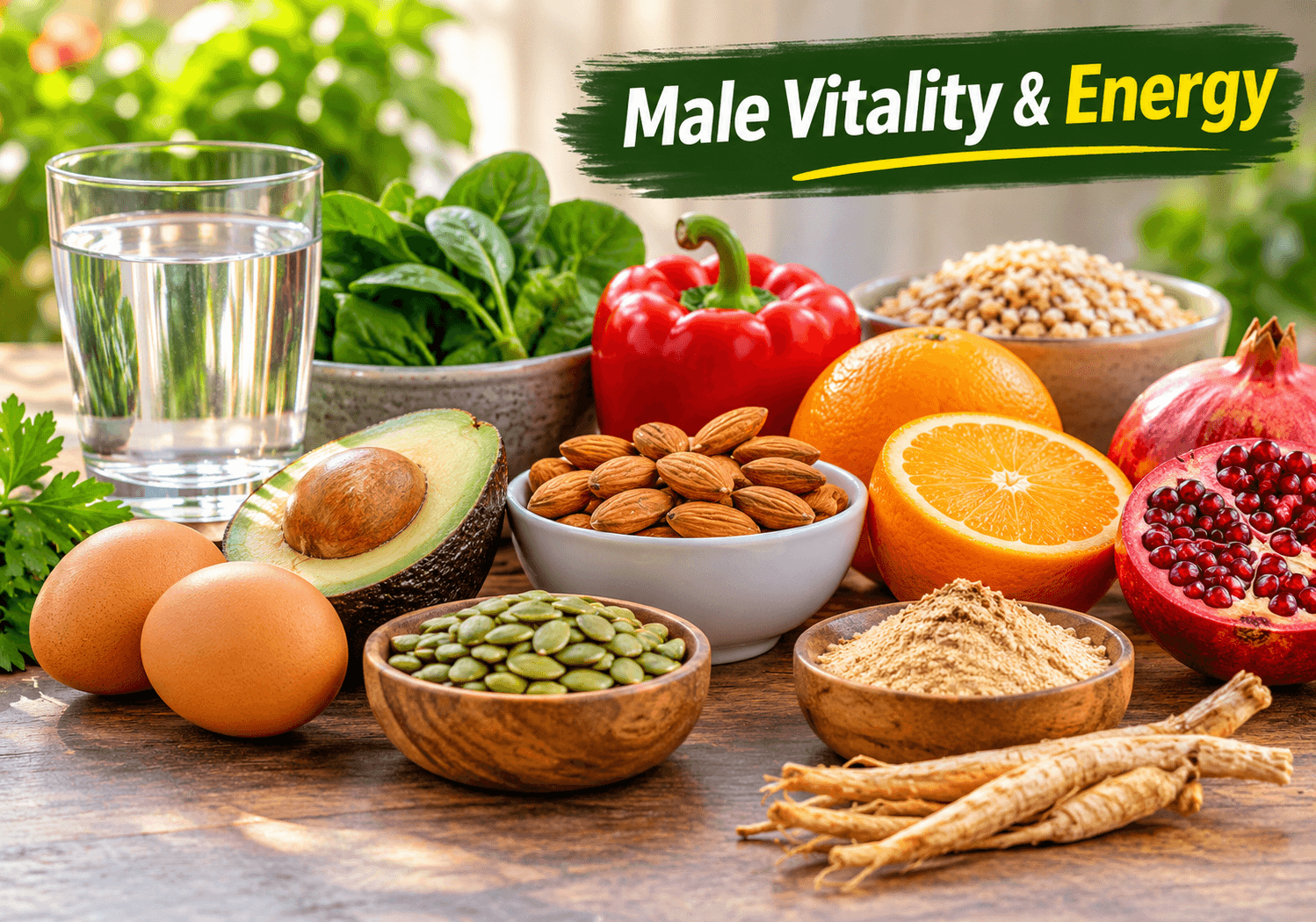
FMaintaining strong energy levels and healthy sexual function is a top priority for many men, especially as they navigate the demands of work, training, and aging. When fatigue sets in or performance dips, the first instinct is often to reach for a quick fix. However, sustainable vitality starts from within. Identifying the best vitamins for male sexual performance and energy is a proven, science-backed strategy to support hormonal balance, blood flow, and cellular energy production.
As a strength and conditioning coach, I see clients struggle with unexplained fatigue and decreased drive far too often. Before blaming age or stress, we must look at the foundation: micronutrient status. Deficiencies in key vitamins and minerals can directly impair nitric oxide production, lower testosterone, and reduce mitochondrial ATP output. This guide breaks down the most effective, research-supported nutrients to help you reclaim your stamina and confidence.
Quick Answer
The best vitamins for male sexual performance and energy include Vitamin D (for testosterone support), Zinc (for hormonal balance and sperm health), Magnesium (for muscle relaxation and ATP production), and B-Complex vitamins (for cellular energy). Amino acids like L-Citrulline and adaptogens like Ashwagandha also show strong clinical evidence for improving blood flow and reducing stress-related libido drops. Always prioritize third-party tested supplements and consult a doctor before starting a new regimen.
The Science of Energy and Sexual Performance
Sexual performance and daily energy are deeply interconnected. Both rely heavily on cardiovascular health, nervous system function, and optimal hormone levels. When you lack essential micronutrients, your body prioritizes survival functions over reproductive and high-energy demands.
For example, endothelial function—the ability of blood vessels to dilate—is critical for both physical stamina in the gym and erectile function. Nutrients that boost nitric oxide production directly support this mechanism. Similarly, the adrenal glands and testes require specific vitamins to synthesize hormones like testosterone and cortisol. Understanding what causes low libido in men after 40 often reveals underlying nutritional gaps that are easily correctable.
Nutrient Comparison at a Glance
| Nutrient | Key Benefit | Best For | Typical Daily Dose Range |
| Vitamin D3 | Supports healthy testosterone production and mood. | Men with limited sun exposure or documented deficiency. | 1,000 – 4,000 IU |
| Zinc | Crucial for sperm motility and testosterone synthesis. | Athletes with high sweat loss or low dietary zinc intake. | 15 – 30 mg |
| Magnesium | Enhances ATP production and reduces muscle cramping. | Men with poor sleep, high stress, or intense training loads. | 200 – 400 mg |
| B-Complex (B12, B6, B9) | Drives cellular energy metabolism and nerve function. | Those experiencing chronic fatigue or brain fog. | 100% Daily Value (DV) |
| Vitamin C | Fights oxidative stress and supports vascular health. | Smokers or men seeking improved blood flow and immunity. | 500 – 1,000 mg |
| L-Citrulline | Boosts nitric oxide for superior blood vessel dilation. | Men seeking natural support for erectile firmness and pumps. | 3,000 – 6,000 mg |
| Ashwagandha | Lowers cortisol and may improve semen parameters. | Men dealing with high stress, anxiety, or workout burnout. | 300 – 600 mg (KSM-66) |
| Maca Root | Traditionally used to enhance subjective libido and drive. | Men looking for a non-hormonal energy and mood boost. | 1,500 – 3,000 mg |
Top Vitamins and Minerals for Male Vitality
1. Vitamin D3: The Hormonal Foundation
Vitamin D is technically a pro-hormone, not just a vitamin. It plays a foundational role in male endocrine health. Research published in the Journal of Clinical Endocrinology & Metabolism indicates that men with sufficient vitamin D levels have significantly higher total and free testosterone compared to those with a deficiency.
How it works: Vitamin D receptors are present in the testes and are directly involved in the regulation of testosterone synthesis. It also supports immune function and bone density, which are critical for long-term physical activity. Coach’s Tip: Vitamin D is fat-soluble. Always take it with a meal containing healthy fats (like eggs, avocado, or olive oil) to maximize absorption by up to 30%. Pros: Supports immune health, bone density, and hormonal balance. Cons: Can be toxic in extremely high doses over long periods; requires blood testing for optimal dosing.
2. Zinc: The Essential Male Mineral
Zinc is arguably the most critical mineral for male reproductive health. It is highly concentrated in the prostate gland and semen. A review in the Journal of Reproduction & Infertility highlights that zinc supplementation can improve sperm quality, motility, and overall male fertility.
How it works: Zinc acts as a cofactor for over 300 enzymatic reactions, including the conversion of cholesterol into testosterone. It also helps regulate the conversion of testosterone to estrogen via aromatase inhibition. Learn more about whether zinc supports healthy testosterone levels in men. Common Mistake: Taking high-dose zinc (over 40 mg daily) on an empty stomach, which frequently causes severe nausea. Always take zinc with food, and consider a formula that includes a small amount of copper to prevent imbalance. Pros: Directly supports testosterone, immune function, and protein synthesis. Cons: High doses can cause gastrointestinal distress and copper deficiency.
3. Magnesium: The Energy and Relaxation Catalyst
Magnesium is involved in over 600 biochemical reactions, including the creation of ATP (adenosine triphosphate), the primary energy currency of your cells. Without adequate magnesium, your body cannot efficiently convert food into usable energy, leading to premature fatigue during workouts and daily activities.
How it works: Magnesium relaxes smooth muscle tissue and supports healthy nerve transmission. This dual action helps lower resting blood pressure and improves sleep quality, both of which are vital for sexual health and recovery. Pros: Improves sleep quality, reduces muscle cramps, and supports cardiovascular health. Cons: Certain forms (like magnesium oxide) have poor bioavailability and can cause loose stools. Opt for magnesium glycinate or citrate.
4. B-Complex Vitamins: The Cellular Engines
The B-vitamin family (especially B12, B6, and B9/Folate) is indispensable for energy metabolism. They do not provide energy directly like caffeine; instead, they act as coenzymes that help your body extract energy from carbohydrates, fats, and proteins.
How it works: Vitamin B12 is essential for red blood cell formation and neurological function. A deficiency leads to megaloblastic anemia, characterized by profound weakness and fatigue. Understanding which vitamins support metabolism when you’re deficient can be the key to reversing unexplained exhaustion. Pros: Enhances mental clarity, supports red blood cell production, and reduces homocysteine levels (a marker for heart disease). Cons: Water-soluble, meaning excess is excreted in urine, requiring consistent daily intake.
5. Vitamin C: The Vascular Protector
Vitamin C is a potent antioxidant that protects cells from oxidative stress. For male sexual performance, its role in vascular health is paramount. Oxidative stress damages the endothelial lining of blood vessels, impairing their ability to dilate.
How it works: By neutralizing free radicals, Vitamin C preserves nitric oxide, the molecule responsible for relaxing blood vessels and increasing blood flow to the genitals and working muscles. It also supports healthy cortisol levels, preventing the stress hormone from suppressing testosterone. Pros: Boosts immune function, enhances iron absorption, and protects vascular health. Cons: Very high doses (over 2,000 mg) can cause digestive upset or kidney stones in susceptible individuals.
6. L-Citrulline: The Nitric Oxide Amplifier
While technically an amino acid, L-Citrulline deserves a spot in any discussion about male performance. Unlike L-Arginine, which is heavily broken down by the liver before reaching the bloodstream, L-Citrulline is efficiently converted to L-Arginine in the kidneys, resulting in a more sustained and powerful boost in plasma arginine levels.
How it works: It dramatically increases nitric oxide production, leading to improved vasodilation. Clinical trials show it can improve erection hardness and reduce the time needed to achieve an erection. For a deeper dive, read about whether L-arginine supports blood flow and erectile function. Pros: Highly effective for blood flow, gym “pumps,” and cardiovascular health without the digestive issues of L-Arginine. Cons: Requires a relatively high dose (3,000–6,000 mg) to be effective, which can be costly.
7. Ashwagandha: The Stress Adaptogen
Chronic stress elevates cortisol, which directly antagonizes testosterone production and kills libido. Ashwagandha (Withania somnifera) is an adaptogenic herb that helps the body resist physiological and psychological stress.
How it works: Studies, including a randomized controlled trial in the American Journal of Men’s Health, demonstrate that Ashwagandha root extract can significantly increase testosterone levels, improve sperm parameters, and reduce perceived stress in men. Explore the data on whether ashwagandha increases testosterone and libido in men. Pros: Reduces anxiety, improves sleep quality, and supports healthy hormone profiles. Cons: Can cause mild drowsiness in some; should be cycled (e.g., 8 weeks on, 2 weeks off) to prevent receptor downregulation.
8. Maca Root: The Traditional Libido Enhancer
Maca is a cruciferous vegetable native to the Andes of Peru. Unlike Ashwagandha, Maca does not directly alter testosterone or cortisol levels. Instead, it appears to work on the central nervous system to enhance subjective feelings of energy, mood, and sexual desire.
How it works: Research suggests Maca contains unique compounds called macamides and macaenes, which may influence endocannabinoid signaling and improve mood. It is particularly noted for improving libido without affecting hormonal blood markers. Check out our guide on how to increase energy and stamina naturally for holistic context. Pros: Non-hormonal, well-tolerated, and provides a noticeable boost in subjective drive and mood. Cons: Effects are subtle and may take 4 to 8 weeks of consistent use to become apparent.
How to Choose the Right Supplements: A Buyer’s Checklist
The supplement industry is notoriously under-regulated. To ensure you are getting the best vitamins for male sexual performance and energy, use this checklist before purchasing:
- Third-Party Testing: Look for seals from NSF Certified for Sport, Informed-Choice, or USP. This guarantees the product contains what the label claims and is free from heavy metals or banned substances.
- Bioavailable Forms: Avoid cheap, poorly absorbed forms. Choose Magnesium Glycinate over Oxide, Methylcobalamin (B12) over Cyanocobalamin, and Zinc Picolinate or Bisglycinate over Zinc Oxide.
- Transparent Labeling: The label should clearly state the exact amount of each active ingredient. Beware of “proprietary blends” that hide under-dosed ingredients behind a flashy total weight.
- Appropriate Dosage: Ensure the serving size provides a clinically effective dose. For example, a product claiming to have L-Citrulline but only providing 500 mg is unlikely to yield results.
- Budget and Value: Calculate the cost per serving, not just the cost per bottle. A $20 bottle that lasts 15 days is more expensive than a $40 bottle that lasts 60 days.
How We Picked These Recommendations
Our selections are based strictly on peer-reviewed clinical evidence and established physiological mechanisms. We prioritized nutrients that have demonstrated efficacy in randomized controlled trials (RCTs) published in reputable journals like the Journal of Strength and Conditioning Research, Andrology, and the American Journal of Men’s Health. We excluded ingredients with only anecdotal support or those that carry a high risk of adverse interactions. For broader context on male reproductive health, we also referenced data regarding vitamins and nutrients for male fertility and sperm health.
Lifestyle and Maintenance Tips for Optimal Results
Supplements are exactly that: supplemental. They cannot out-work a poor lifestyle. To maximize the benefits of your vitamins, integrate these foundational habits:
- Prioritize Sleep: Aim for 7 to 9 hours of quality sleep per night. The majority of daily testosterone release occurs during REM sleep. Poor sleep rapidly degrades both energy and libido.
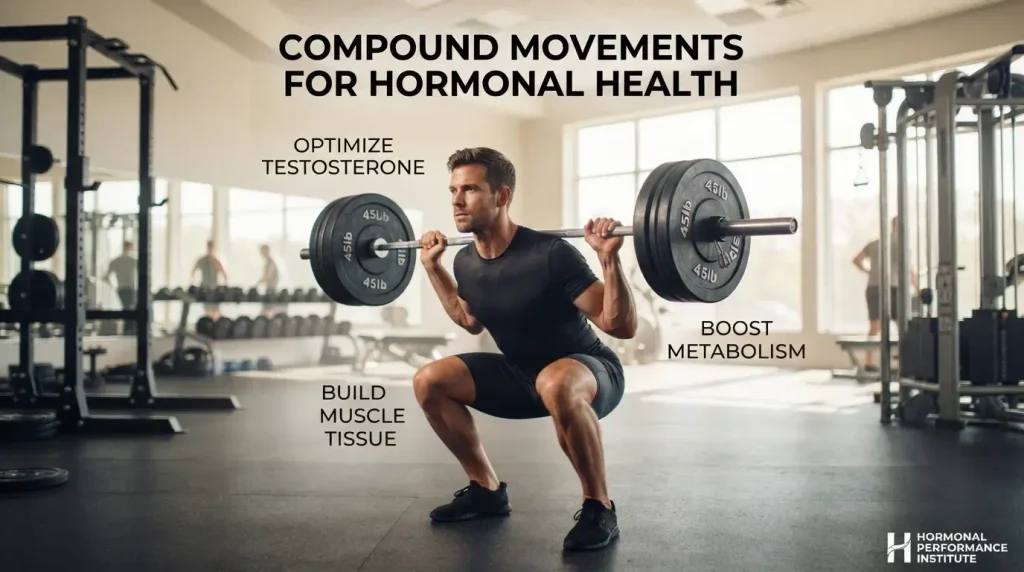
- Strength Training: Engage in resistance training 3 to 4 times per week. Compound movements like squats, deadlifts, and bench presses stimulate the largest hormonal responses and improve systemic blood flow.
- Manage Body Fat: Excess adipose tissue, particularly visceral fat, increases aromatase activity, which converts testosterone into estrogen. Maintaining a healthy body composition is one of the most effective natural ways to support hormonal balance.
- Hydration and Diet: Consume a diet rich in whole foods, lean proteins, healthy fats, and fiber. Dehydration alone can cause a significant drop in physical performance and cognitive focus.
Regression/Progression for Lifestyle:
- Regression: If you are new to training, start with 2 days a week of bodyweight or light dumbbell exercises, focusing on form and consistency. Add a daily 15-minute walk to improve baseline circulation.
- Progression: Advance to a 4-day upper/lower split, incorporating progressive overload. Add 10 minutes of dedicated pelvic floor (Kegel) exercises daily to improve muscular control and blood flow to the pelvic region.
Frequently Asked Questions (FAQ)
What are the best vitamins for male sexual performance and energy? The most evidence-backed options include Vitamin D3, Zinc, Magnesium, B-Complex vitamins, and L-Citrulline. Adaptogens like Ashwagandha and Maca Root also show strong clinical support for improving libido and reducing stress-related fatigue.
Does Vitamin D actually increase testosterone? Research suggests a strong correlation. Men with adequate Vitamin D levels typically have higher total and free testosterone than those who are deficient. Supplementing to correct a deficiency can help restore normal hormonal production.
How much zinc should a man take daily for libido? The recommended dietary allowance (RDA) for adult men is 11 mg per day. For therapeutic support, doses of 15 to 30 mg of highly bioavailable zinc (like zinc picolinate) are commonly used. Do not exceed 40 mg daily long-term without medical supervision.
Can B vitamins improve sexual stamina? Yes, indirectly. B vitamins (especially B12 and B6) are essential for converting food into cellular energy (ATP) and maintaining healthy nerve function. Correcting a B-vitamin deficiency can eliminate fatigue, thereby improving overall physical stamina.
What is the best time to take male performance vitamins? Fat-soluble vitamins (D, E) and minerals like Zinc and Magnesium are best taken with a meal containing dietary fat to enhance absorption. Magnesium is particularly effective when taken 30–60 minutes before bed to support sleep quality.
Are there side effects to male enhancement vitamins? When taken at recommended dosages, these vitamins are generally safe. However, excessive Zinc can cause nausea and copper deficiency, high-dose Vitamin C may cause digestive upset, and Ashwagandha can cause mild drowsiness in some individuals.
Conclusion
Optimizing your micronutrient intake is a powerful, evidence-based strategy for reclaiming your vitality. The best vitamins for male sexual performance and energy—including Vitamin D, Zinc, Magnesium, B-Complex, and targeted compounds like L-Citrulline and Ashwagandha—work synergistically to support hormonal balance, vascular health, and cellular energy production.
Remember that supplements are not magic pills. They work best when paired with adequate sleep, consistent strength training, and a nutrient-dense diet. Start by addressing any obvious dietary gaps, choose high-quality, third-party tested products, and give your body 4 to 8 weeks to adapt.