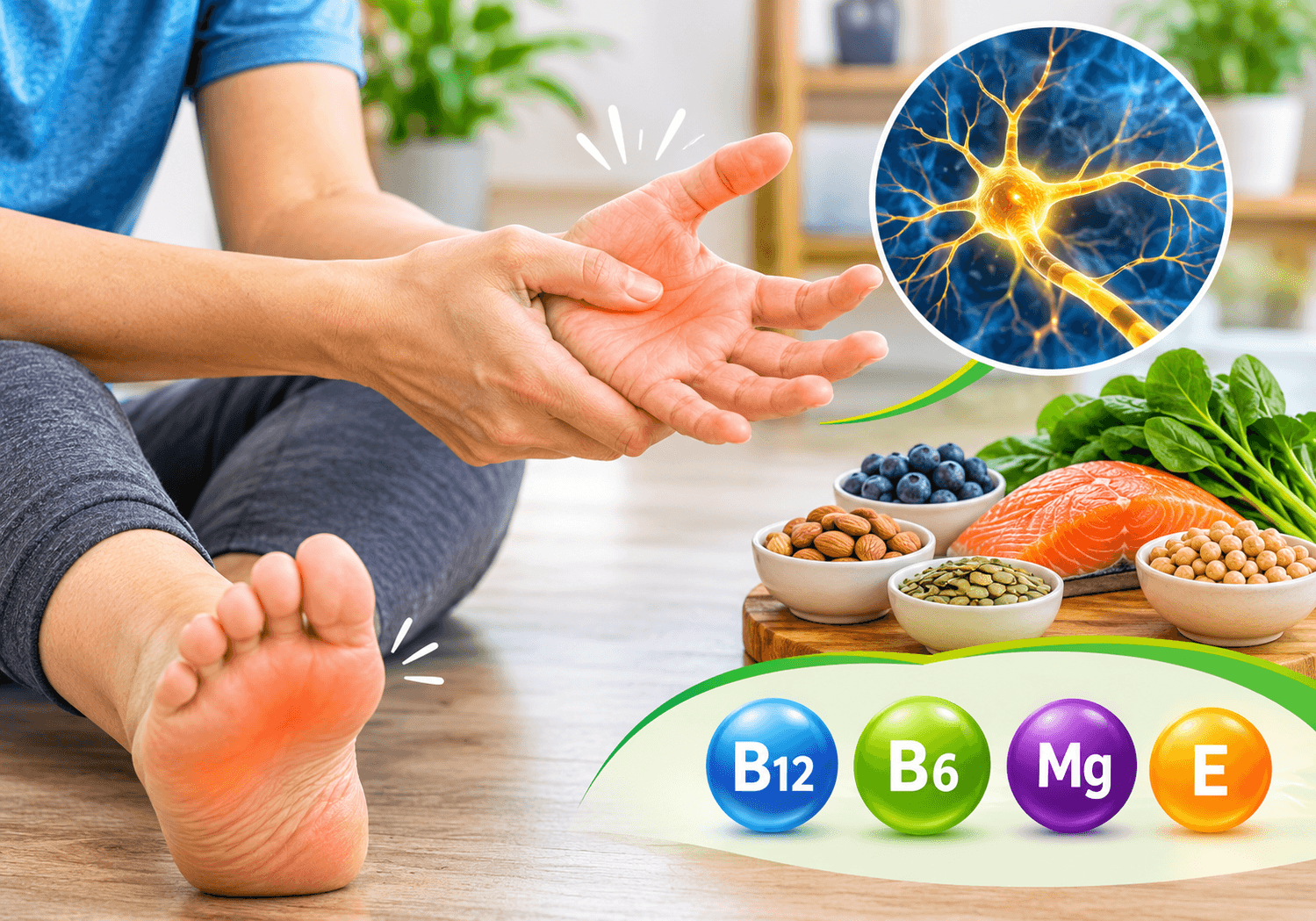
If you frequently experience tingling, numbness, or a crawling sensation, you might be searching for effective vitamins for pins and needles in hands and feet. As a strength and conditioning coach, I often hear clients describe this uncomfortable “falling asleep” feeling during or after workouts, or even while resting at night. This sensation, medically known as paresthesia, often signals that your nerves need specific nutritional support to function properly.
Nerves rely on a steady supply of micronutrients to maintain their protective coating and transmit signals efficiently. When you lack these essential nutrients, nerve communication slows down, leading to that familiar prickling feeling. This guide breaks down the exact vitamins and minerals proven to support nerve health, complete with dosages, food sources, and practical movement strategies to help you find relief.
Quick Answer
The most effective vitamins for pins and needles in hands and feet are Vitamin B12 (methylcobalamin), Vitamin B6, Alpha-Lipoic Acid (ALA), Magnesium, Vitamin E, and Vitamin B1 (Benfotiamine). These nutrients protect the myelin sheath, reduce oxidative stress, and support healthy nerve conduction. Always consult a doctor before starting high-dose supplements, as excessive Vitamin B6 can actually worsen nerve symptoms.
The Science Behind Pins and Needles
To understand how to fix tingling, you must first understand what causes it. Your nervous system is a complex network of cables. Each nerve fiber is wrapped in a protective, fatty layer called the myelin sheath. This sheath acts like the rubber coating on an electrical wire, ensuring that electrical signals travel quickly and accurately from your brain to your hands and feet.
When you experience a vitamin deficiency, the myelin sheath can become damaged or thin. This damage disrupts nerve conduction. Instead of a smooth signal, the nerve misfires, creating the sensation of pins and needles, numbness, or burning. According to the National Institute of Neurological Disorders and Stroke (NINDS), peripheral neuropathy affects millions of adults and is frequently linked to metabolic issues, dietary gaps, and physical compression.
Addressing this requires a two-pronged approach: providing the raw materials needed for nerve repair through targeted nutrition, and maintaining physical mobility to prevent nerve compression.
Top Vitamins for Pins and Needles in Hands and Feet
Not all supplements are created equal. When targeting nerve health, specific forms of vitamins are absorbed better and demonstrate stronger clinical results. Here are the most evidence-backed options.
1. Vitamin B12 (Methylcobalamin)
Vitamin B12 is arguably the most critical nutrient for nerve health. It is directly responsible for the synthesis and maintenance of the myelin sheath. A deficiency in B12 is a leading cause of peripheral neuropathy, often presenting as tingling in the fingers and toes.
Research published in the Journal of Clinical Neurology highlights that methylcobalamin, the active form of B12, is more effective at promoting nerve regeneration than the synthetic cyanocobalamin form.
- Typical Dosage: 1,000 to 2,000 mcg daily for those with a confirmed deficiency.
- Best Food Sources: Clams, beef liver, trout, salmon, and fortified nutritional yeast. A 3-ounce (85 grams) serving of cooked salmon provides over 200% of the daily value.
- Coach’s Note: If you follow a plant-based diet, B12 supplementation is non-negotiable for long-term nerve health.
2. Vitamin B6 (Pyridoxine)
Vitamin B6 plays a vital role in synthesizing neurotransmitters, the chemical messengers your nerves use to communicate. It helps regulate homocysteine levels, an amino acid that can damage blood vessels and nerves when elevated.
However, Vitamin B6 requires careful handling. While a deficiency causes tingling, toxicity from excessive supplementation can also cause severe nerve damage. The National Institutes of Health (NIH) states that the tolerable upper intake level for adults is 100 mg per day.
- Typical Dosage: 10 to 25 mg daily. Do not exceed 100 mg without strict medical supervision.
- Best Food Sources: Chickpeas, tuna, salmon, chicken breast, and potatoes.
3. Alpha-Lipoic Acid (ALA)
Alpha-Lipoic Acid is a powerful antioxidant that is both water- and fat-soluble, allowing it to protect nerve cells throughout the entire body. ALA is particularly famous for its role in managing diabetic neuropathy.
A meta-analysis in the Journal of Diabetes Investigation concluded that intravenous and oral ALA significantly reduce neuropathic symptoms, including burning and tingling, by combating oxidative stress and improving blood flow to the nerves.
- Typical Dosage: 600 mg daily.
- Best Food Sources: Spinach, broccoli, tomatoes, and organ meats, though it is difficult to reach therapeutic doses through food alone.
4. Magnesium
Magnesium is essential for proper nerve transmission and muscle relaxation. When magnesium levels are low, nerves become hyperexcitable, which can manifest as muscle twitches, cramps, and tingling sensations in the extremities.
Magnesium glycinate is the preferred form for nerve and muscle issues because it is highly bioavailable and gentle on the stomach. The NIH Office of Dietary Supplements recommends adequate daily intake to prevent neuromuscular irritability.
- Typical Dosage: 300 to 400 mg daily, preferably taken in the evening.
- Best Food Sources: Pumpkin seeds, almonds, spinach, and black beans. One ounce (28 grams) of pumpkin seeds contains about 37% of the daily value.
5. Vitamin E
Vitamin E is a fat-soluble antioxidant that protects nerve cell membranes from free radical damage. Severe Vitamin E deficiency is rare but is directly linked to a specific type of neuropathy characterized by a loss of reflexes and impaired vibration sense in the hands and feet.
According to the Mayo Clinic, maintaining adequate Vitamin E levels is crucial for preserving nerve integrity over time.
- Typical Dosage: 15 mg (22.4 IU) daily.
- Best Food Sources: Sunflower seeds, almonds, hazelnuts, and wheat germ oil.
6. Vitamin B1 (Thiamine / Benfotiamine)
Thiamine is essential for glucose metabolism, providing the energy nerves need to function. Benfotiamine is a synthetic, fat-soluble version of thiamine that achieves much higher levels in the bloodstream than standard water-soluble thiamine.
Studies, including those reviewed by the National Center for Biotechnology Information (NCBI), show that benfotiamine is highly effective at reducing pain and tingling associated with metabolic nerve damage.
- Typical Dosage: 150 to 300 mg of benfotiamine daily.
- Best Food Sources: Pork chops, black beans, lentils, and fortified cereals.
Comparison of Nerve-Supporting Nutrients
| Nutrient | Primary Role in Nerve Health | Typical Supplement Dosage | Best Whole Food Sources |
| Vitamin B12 (Methylcobalamin) | Myelin sheath synthesis and repair | 1,000 – 2,000 mcg/day | Salmon, beef liver, clams |
| Vitamin B6 (Pyridoxine) | Neurotransmitter synthesis | 10 – 25 mg/day (Max 100mg) | Chickpeas, tuna, potatoes |
| Alpha-Lipoic Acid (ALA) | Antioxidant protection, blood flow | 600 mg/day | Spinach, broccoli, tomatoes |
| Magnesium (Glycinate) | Nerve transmission, muscle relaxation | 300 – 400 mg/day | Pumpkin seeds, almonds, spinach |
| Vitamin E | Cell membrane protection | 15 mg (22.4 IU)/day | Sunflower seeds, wheat germ |
| Vitamin B1 (Benfotiamine) | Cellular energy production in nerves | 150 – 300 mg/day | Pork, black beans, lentils |
How to Apply Vitamins for Pins and Needles in Hands and Feet
Nutrition alone is only half the solution. As a coach, I always pair nutritional support with physical movement. Nerves need to glide smoothly through the surrounding tissues. If you sit at a desk all day or perform repetitive motions, nerves can become compressed, worsening the tingling.
Here is a practical, evidence-based nerve gliding routine to pair with your nutritional protocol.
Exercise 1: Median Nerve Glide (For Hands and Wrists)
This movement helps the median nerve slide freely through the carpal tunnel, reducing tingling in the fingers.
- Sets: 2 to 3 sets per arm.
- Reps: 10 slow repetitions.
- Rest: 30 seconds between sets.
- Tempo: 3 seconds out, 2-second hold, 3 seconds back.
- Form Cues: Stand tall. Extend your arm out to the side at shoulder height, palm facing up. Slowly bend your wrist backward, then gently tilt your head away from the extended arm. You should feel a mild, pain-free stretch along the inside of your arm.
- Regression: Perform seated with the arm resting on a table to reduce gravity’s pull.
- Progression: Add a very light resistance band (2 to 5 lb / 1 to 2 kg) around the fingers to gently increase tension.

Exercise 2: Sciatic Nerve Glide (For Feet and Legs)
This helps relieve tension on the sciatic nerve, which can cause tingling that radiates down to the feet.
- Sets: 2 sets per leg.
- Reps: 10 to 12 repetitions.
- Rest: 30 seconds between sets.
- Tempo: 2 seconds up, 1-second hold, 2 seconds down.
- Form Cues: Lie on your back. Hold the back of your right thigh with both hands, keeping the knee bent at a 90-degree angle. Slowly straighten your knee until you feel a gentle pull behind the leg, then point your toes toward your face. Lower the leg back down.
- Regression: Keep the knee more bent and only straighten it halfway.
- Progression: Perform the movement standing, gently kicking the leg forward while flexing the foot.

Coach’s Tip: Nerve gliding is not about forcing a deep stretch. The goal is to create a gentle, rhythmic pumping action. If you feel sharp pain, stop immediately. You should only feel a mild tension that fades as you repeat the movement.
Common Mistake: Holding the stretched position for too long. Unlike muscle stretching, holding a nerve in a stretched position can irritate it further and worsen the pins and needles sensation. Always keep the movement dynamic and fluid.
Safety Notes and Who Should Be Careful
While vitamins are natural, they are powerful compounds that can interact with medications or cause harm at high doses.
- Vitamin B6 Toxicity: As mentioned, taking more than 100 mg of Vitamin B6 daily over a long period can cause sensory neuropathy, ironically creating the exact pins and needles sensation you are trying to cure.
- Kidney Function: Individuals with compromised kidney function must consult a doctor before supplementing with magnesium or high-dose B vitamins, as the kidneys are responsible for clearing excess minerals from the blood.
- Medication Interactions: Alpha-Lipoic Acid can lower blood sugar levels. If you are taking insulin or oral diabetes medications, adding ALA requires careful blood sugar monitoring to avoid hypoglycemia.
- Blood Thinners: High doses of Vitamin E can increase the risk of bleeding, especially if you are on anticoagulant medications like warfarin.
Always consult with a healthcare provider or a registered dietitian before starting any new supplement regimen, especially if you have pre-existing health conditions.
Related Tips for Long-Term Nerve Health
Nutrition and movement work best when supported by healthy daily habits. Consider these evidence-based lifestyle adjustments to maximize your nerve repair.
Manage Blood Sugar Levels Elevated blood glucose is one of the most common causes of nerve damage. High sugar levels in the blood can injure the walls of the tiny blood vessels (capillaries) that nourish your nerves, especially in the legs and feet. Learning how to support insulin sensitivity through balanced meals and regular activity is a foundational step in preventing neuropathy.
Prioritize Quality Sleep Nerve repair and cellular regeneration happen primarily during deep sleep. Poor sleep quality disrupts the body’s natural healing processes and increases systemic inflammation. Research clearly shows how sleep affects metabolism and overall cellular repair, making 7 to 9 hours of uninterrupted sleep a non-negotiable part of nerve recovery.
Optimize Overall Metabolic Health Your nerves require constant energy to maintain their electrical gradients. Ensuring you consume adequate nutrients that support normal energy metabolism will keep your nervous system fueled. This is especially important for individuals learning how to increase metabolism naturally after 40, as metabolic efficiency naturally shifts with age.
Choose the Right Footwear If you experience tingling in your feet, your shoes might be part of the problem. Shoes that are too narrow can compress the digital nerves in your toes. Ensure your footwear has a toe box that is at least half an inch (1.27 cm) wider than your longest toe to allow for natural splay and unrestricted blood flow.
Stay Hydrated Nerves are highly sensitive to dehydration. Water is required to transport nutrients to nerve cells and flush out metabolic waste. Aim for at least half your body weight in pounds (kg) in ounces (ml) of water daily. For a 160 lb (72 kg) person, this equals roughly 80 ounces (2.3 liters) of water.

Frequently Asked Questions (FAQ)
What is the single best vitamin for pins and needles in hands and feet? Vitamin B12 (specifically in the methylcobalamin form) is widely considered the most critical vitamin for resolving tingling and numbness. It directly supports the repair and maintenance of the myelin sheath, the protective coating around your nerves. However, a comprehensive B-complex alongside magnesium often yields the best results.
Can a vitamin deficiency cause tingling in my hands and feet? Yes. Deficiencies in Vitamin B12, Vitamin B6, Vitamin B1, and Vitamin E are all clinically linked to peripheral neuropathy. When these nutrients are low, nerves cannot transmit signals properly, leading to the classic “pins and needles” sensation, numbness, or burning in the extremities.
How long does it take for B12 supplements to fix nerve tingling? The timeline varies based on the severity of the deficiency. Some individuals report a reduction in symptoms within a few weeks of starting high-dose B12 supplementation. However, significant myelin sheath repair can take three to six months of consistent, daily supplementation. Patience and consistency are key.
Is magnesium good for numbness in the fingers? Yes, magnesium is highly beneficial for nerve and muscle function. It helps regulate neurotransmitters and prevents nerve hyperexcitability. Magnesium glycinate is the recommended form, as it is easily absorbed and less likely to cause digestive upset than magnesium oxide.
Can taking too much Vitamin B6 cause tingling? Absolutely. While a lack of B6 causes nerve issues, excessive intake (typically over 100 mg per day for extended periods) is toxic to the nerves. This condition, known as sensory neuropathy, causes numbness and tingling. Always stick to the recommended daily allowance unless directed otherwise by a doctor.
What foods help repair nerve damage naturally? Foods rich in B vitamins and antioxidants are best. Focus on wild-caught salmon, beef liver, eggs, spinach, almonds, pumpkin seeds, and chickpeas. These whole foods provide the bioavailable nutrients necessary for cellular repair and myelin sheath maintenance without the risk of supplement toxicity.
Conclusion
Dealing with persistent tingling can be frustrating, but it is often a solvable problem. By targeting the root cause with the right vitamins for pins and needles in hands and feet, you can provide your nervous system with the tools it needs to heal. Prioritize Vitamin B12, manage your B6 intake carefully, and consider supportive nutrients like Alpha-Lipoic Acid and Magnesium.
Pair this nutritional strategy with gentle nerve gliding exercises, proper hydration, and quality sleep. Remember that nerve repair is a slow process. Give your body the consistent support it needs, and you will likely see a gradual return to normal, pain-free sensation.