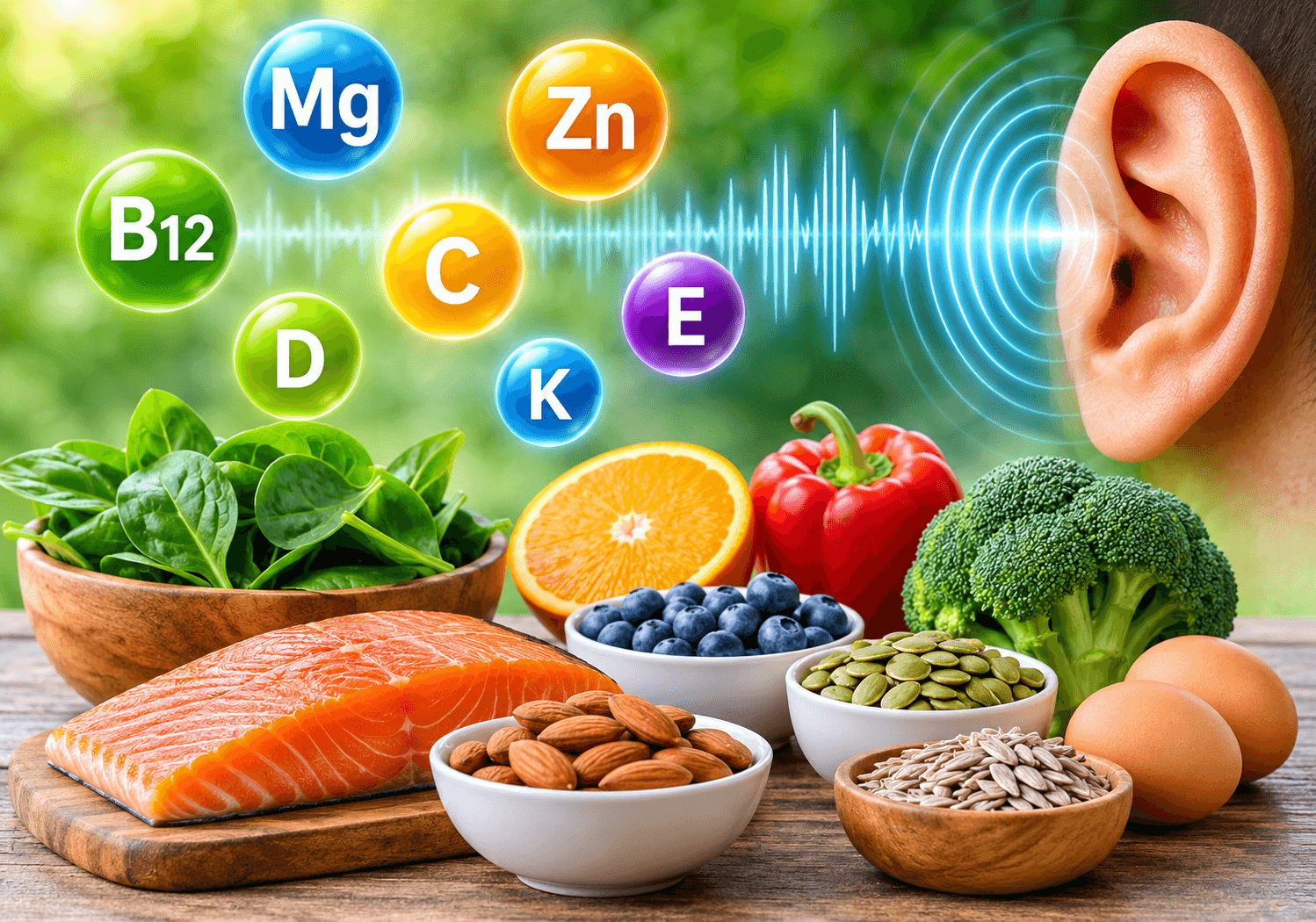
If you are experiencing persistent ringing in your ears, you are not alone. Millions of adults seek reliable, science-backed ways to support their auditory system. While there is no magic cure for tinnitus, specific vitamins for ringing in the ears and hearing health can play a crucial role in protecting the delicate structures of the inner ear. As a strength and conditioning coach, I often see clients overlook how foundational nutrition is for nerve function, blood flow, and cellular recovery. This guide breaks down the exact micronutrients that research suggests may support cochlear health and reduce auditory fatigue.
Quick Answer
The most researched vitamins and minerals for ringing in the ears and hearing health include magnesium, zinc, vitamin B12, folate, and antioxidants like vitamins C and E. These nutrients help reduce oxidative stress, support auditory nerve function, and maintain healthy blood flow to the inner ear. Always prioritize a nutrient-dense diet first, and consult a healthcare provider before starting any new supplement regimen.
How Nutrition Impacts the Auditory System
The inner ear is a highly metabolically active organ. It requires a constant supply of oxygen and nutrients to function properly. The cochlea contains thousands of tiny hair cells that translate sound waves into electrical signals for the brain. These cells are incredibly vulnerable to oxidative stress and restricted blood flow.
When you are exposed to loud noises, aging, or systemic inflammation, free radicals accumulate in the inner ear. This oxidative stress can damage the hair cells and the auditory nerve. Research shows that oxidative stress plays a major role in the pathogenesis of noise-induced hearing loss and tinnitus.
Furthermore, poor circulation can starve the cochlea of essential nutrients. The blood vessels supplying the inner ear are very small and lack collateral circulation. This means any restriction in blood flow can quickly impact hearing function. Nutritional interventions aim to protect these cells from free radical damage and support healthy vascular function.
Understanding which nutrients support normal energy metabolism is also key, as the hair cells in your ear require immense metabolic energy to process sound continuously.
Top Vitamins for Ringing in the Ears and Hearing Health
Below is a detailed breakdown of the most evidence-backed micronutrients for auditory health. Each section includes the biological mechanism, relevant research, dietary sources, and practical coaching applications.
Magnesium: The Inner Ear’s Natural Protector
Magnesium acts as a natural calcium channel blocker in the inner ear. It helps prevent glutamate excitotoxicity, which is a primary cause of hair cell death after loud noise exposure. Studies indicate that oral magnesium intake can reduce permanent hearing loss induced by noise exposure.
Magnesium therapy also presents neuroprotective and vasodilatory effects, limiting cochlear damage during acoustic trauma. You can find high levels of magnesium in spinach, pumpkin seeds, almonds, black beans, and dark chocolate.
Coach’s Application: I frequently prescribe magnesium glycinate to clients who experience muscle cramps and poor sleep. The same mechanism that relaxes skeletal muscle also relaxes the vascular smooth muscle in the inner ear, promoting better blood flow to the cochlea.
Zinc: Supporting Immune Function and Cochlear Health
The inner ear contains one of the highest concentrations of zinc in the human body. It is essential for antioxidant enzyme function and local immune regulation. Research indicates that patients with tinnitus may have low blood zinc levels, and clinical improvement can sometimes be achieved with oral zinc supplementation.
Furthermore, zinc oral supplementation has been shown to improve tinnitus handicap scores in patients with noise-induced hearing loss. Excellent dietary sources include oysters, beef, pumpkin seeds, lentils, and chickpeas.
Coach’s Application: Zinc is heavily utilized during intense training blocks to support immune function and tissue repair. Ensuring your zinc status is optimized means you are simultaneously supporting your body’s ability to recover from heavy squats and protecting the delicate enzymatic processes in your inner ear. Adequate zinc also supports healthy physiological levels across multiple bodily systems.
Vitamin B12 and Folate: Nerve Health and Homocysteine Reduction
These B vitamins are crucial for maintaining the myelin sheath that protects the auditory nerve. They also help lower homocysteine levels, an amino acid that can restrict blood flow to the inner ear when elevated. Vitamin B12 deficiency may cause the demyelination of neurons in the cochlear nerve, resulting in hearing loss and tinnitus.
Additionally, higher intake of vitamin B12 is associated with reduced odds of experiencing tinnitus in adult populations. You can get these nutrients from clams, liver, trout, salmon, eggs, and fortified nutritional yeast.
Coach’s Application: B12 is widely recognized as one of the best vitamins for energy while dieting and overall nerve health. If you follow a plant-based diet, pay close attention to your B12 intake to protect both your energy levels and your hearing. Knowing which vitamins support metabolism when you’re deficient can help you tailor your diet effectively.
Vitamins C and E: Powerful Antioxidants for Ear Health
These vitamins work synergistically to neutralize free radicals generated by loud noise, aging, or metabolic stress. They protect the delicate hair cells from oxidative damage. Antioxidants have demonstrated protective effects against hearing loss and tinnitus by counteracting reactive oxygen species production.
Several experiments show the preventive effects of antioxidants on age-related and noise-induced hearing loss. Dietary sources include citrus fruits, bell peppers, strawberries, almonds, sunflower seeds, and spinach.
Coach’s Application: Think of vitamins C and E as your cellular armor. Just as they help your muscles recover from the oxidative stress of heavy lifting, they protect your inner ear from acoustic trauma.
Potassium: Regulating Inner Ear Fluid
The fluid inside the cochlea, known as endolymph, is uniquely rich in potassium. This high potassium concentration is absolutely critical for translating sound waves into nerve impulses. As we age, potassium levels in the inner ear naturally decline, which is closely linked to age-related hearing loss.
Maintaining adequate dietary potassium supports the electrochemical gradient of the cochlea. Great sources include bananas, sweet potatoes, spinach, avocados, and coconut water.
Coach’s Application: Athletes often lose potassium through sweat during intense cardio or weightlifting sessions. Replenishing potassium post-workout not only prevents muscle cramps but also supports the electrochemical environment your ears need to function optimally.
Omega-3 Fatty Acids: Promoting Blood Flow and Reducing Inflammation
Omega-3s improve microcirculation and possess strong anti-inflammatory properties. They help maintain the health of the blood vessels supplying the auditory system. Diets rich in omega-3 fatty acids are associated with a lower risk of age-related hearing loss due to improved vascular health and reduced neural inflammation.
You can find these essential fats in wild-caught salmon, sardines, walnuts, chia seeds, and flaxseeds. Just as omega-3 fatty acids reduce inflammation systemically to aid joint recovery, they protect the microvasculature of the ear.
Coach’s Application: Aim for at least two servings of fatty fish per week. If you do not eat fish, a high-quality algae-based omega-3 supplement is a smart progression to ensure you meet your daily EPA and DHA requirements.
Vitamin D: Bone and Nerve Support
Vitamin D regulates calcium metabolism, which is vital for the tiny bones in the middle ear called ossicles. It also supports overall nerve health and immune function. Evidence exists that vitamin D deficiency may be linked to subjective tinnitus and conditions like otosclerosis, which affects middle ear bone mobility.
Dietary sources include fatty fish, egg yolks, fortified dairy or plant milks, and safe sunlight exposure.
Coach’s Application: Many trainees are deficient in vitamin D, especially those who work out indoors or live in northern climates. Getting your levels checked can improve bone density, mood, and potentially auditory health.
How to Apply It: A Practical Daily Routine for Ear Health
To get the most out of these nutrients, you need a structured approach. I recommend a “regression to progression” model. This means starting with whole foods and advancing to targeted supplementation only if necessary.
Regression: The Food-First Approach
Before buying pills, optimize your plate. A single meal can provide multiple hearing-supportive nutrients. For example, a salad with spinach, pumpkin seeds, grilled salmon, and a citrus vinaigrette delivers magnesium, zinc, omega-3s, and vitamin C in one sitting.
Aim to include at least one serving of leafy greens, one serving of fatty fish or legumes, and a handful of nuts or seeds daily. This natural matrix of nutrients is absorbed more efficiently than isolated synthetic vitamins.
Progression: Targeted Supplementation
If your diet lacks variety, or if a blood test reveals a deficiency, supplementation may be warranted. When choosing a product, it is important to know how to evaluate ingredients in supplements to avoid proprietary blends and underdosed formulas.
Look for highly bioavailable forms, such as magnesium glycinate, methylcobalamin (B12), and chelated zinc. Always take fat-soluble vitamins (like Vitamin E) with a meal containing dietary fat for optimal absorption.
| Nutrient | Approximate Daily Goal | Best Food Sources | Supplement Form (if needed) |
| Magnesium | 310-420 mg | Spinach, pumpkin seeds, almonds | Magnesium glycinate or citrate |
| Zinc | 8-11 mg | Oysters, beef, lentils | Zinc picolinate or bisglycinate |
| Vitamin B12 | 2.4 mcg | Clams, salmon, eggs | Methylcobalamin |
| Vitamin C | 75-90 mg | Bell peppers, citrus, strawberries | Ascorbic acid or whole-food C |
| Vitamin E | 15 mg (22.4 IU) | Sunflower seeds, almonds, spinach | Mixed tocopherols |
| Potassium | 2,600-3,400 mg | Sweet potatoes, bananas, avocados | Food sources preferred |
| Omega-3 | 250-500 mg (EPA/DHA) | Salmon, sardines, walnuts | High-quality fish or algae oil |
Safety Notes and Who Should Be Careful
While vitamins are essential, they are not without risks when misused. Always consult a healthcare provider before starting a new supplement regimen, especially if you take prescription medications.
Kidney Function: Individuals with chronic kidney disease must be extremely cautious with potassium and magnesium supplements. Impaired kidneys cannot clear excess minerals, leading to dangerous buildup in the bloodstream.
Zinc and Copper Imbalance: Long-term zinc supplementation above 40 mg per day can inhibit copper absorption. This can lead to copper deficiency, which ironically causes neurological issues, including auditory nerve dysfunction.
Medication Interactions: High doses of vitamin E can interact with blood thinners. Magnesium can interfere with the absorption of certain antibiotics and osteoporosis medications. Space these supplements at least two hours apart from medications.
Pregnancy and Nursing: Pregnant or breastfeeding individuals should only take supplements explicitly approved by their obstetrician. Excessive preformed vitamin A, which is sometimes bundled in multivitamins, can be harmful to fetal development.
Related Tips: Lifestyle Factors That Protect Hearing
Nutrition is only one piece of the puzzle. Your daily habits profoundly impact your auditory system. As a coach, I emphasize these three lifestyle pillars alongside dietary changes.
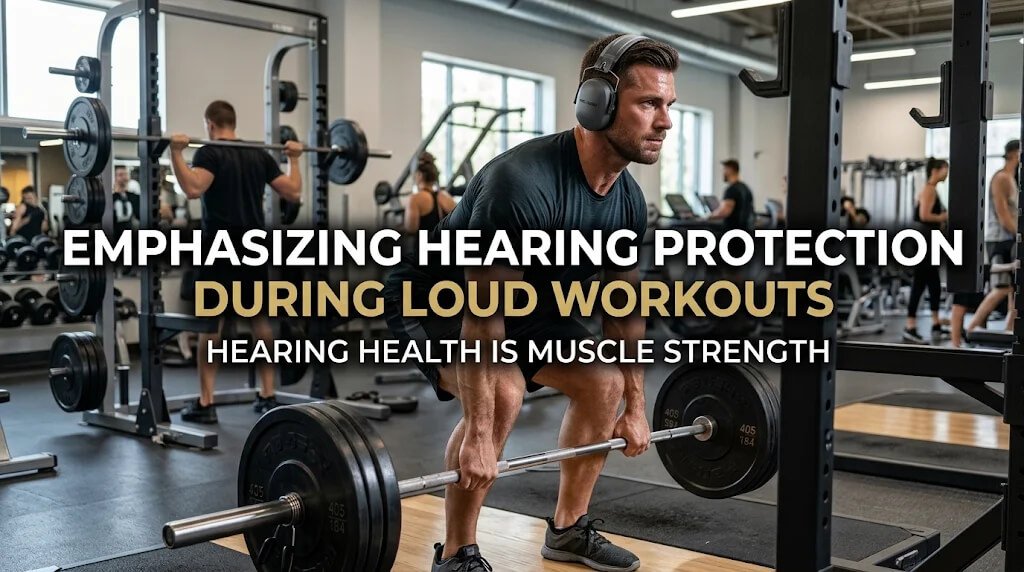
Manage Noise Exposure
Gym environments, concerts, and power tools can easily exceed 90 decibels. Prolonged exposure damages hair cells permanently. Wear high-fidelity earplugs at the gym or in loud environments. They reduce harmful decibel levels while still allowing you to hear conversations and coaching cues.
Control Stress and Cortisol
Stress does not just cause muscle tension; it exacerbates tinnitus. High cortisol levels can increase blood pressure and restrict microcirculation to the inner ear. Incorporating stress-reduction techniques is vital. Learning about managing cortisol and stress naturally can significantly improve both your mental focus and your perception of ear ringing.
Optimize Sleep and Recovery
Poor sleep increases systemic inflammation and oxidative stress, worsening tinnitus symptoms. Aim for 7-9 hours of quality sleep per night. The same nutrients that support normal energy metabolism also play a role in restorative sleep cycles. Prioritize a dark, cool room and a consistent bedtime routine.
Coach’s Tip: Track your symptoms alongside your habits. If your ear ringing spikes after high-stress workdays or loud weekend events, your lifestyle is the primary trigger. Use nutrition as a foundational shield, but do not ignore the need for behavioral changes like wearing ear protection.
Common Mistake: Assuming more is always better. Megadosing on zinc or fat-soluble vitamins will not speed up healing. In fact, it can cause toxicity, gastrointestinal distress, and nutrient imbalances that worsen your overall health. Stick to the recommended dietary allowances unless a doctor prescribes otherwise.
Frequently Asked Questions About Vitamins for Ringing in the Ears and Hearing Health
Q1: Can a vitamin deficiency cause tinnitus?
Yes, research suggests that deficiencies in vitamin B12, zinc, and magnesium are associated with a higher risk of tinnitus and sensorineural hearing loss. Correcting these deficiencies under medical supervision may help reduce symptoms over time.
Q2: How long does it take for vitamins to help with ringing in the ears?
Nutritional interventions are not quick fixes. It typically takes 8 to 12 weeks of consistent, adequate nutrient intake to observe any potential changes in tinnitus perception, as cellular repair is a slow biological process.
Q3: Is magnesium or zinc better for ear ringing?
Both serve different, complementary roles. Magnesium protects hair cells from excitotoxic damage and improves blood flow, while zinc supports antioxidant defenses and immune function in the inner ear. They are best used together through a balanced diet.
Q4: Can I get all these nutrients from food alone?
For most healthy adults, yes. A diverse, whole-food diet rich in leafy greens, nuts, seeds, legumes, and fatty fish can easily meet your daily requirements for these hearing-supportive micronutrients.
Q5: Do hearing supplements actually work for age-related hearing loss?
While no supplement can reverse permanent hair cell death, antioxidants and omega-3s may help slow the progression of age-related hearing decline. They do this by reducing ongoing oxidative stress and supporting vascular health.
Q6: Should I take a multivitamin for my hearing health?
A high-quality multivitamin can act as a nutritional safety net if your diet is inconsistent. However, it should not replace whole foods. Check the label to ensure it contains bioavailable forms of B12, magnesium, and zinc.
Conclusion
Protecting your hearing requires a proactive, multi-faceted approach. While you cannot always control environmental noise or the natural aging process, you can control what you put on your plate. Incorporating specific vitamins for ringing in the ears and hearing health, such as magnesium, zinc, B12, and antioxidants, provides your auditory system with the cellular armor it needs to function optimally.
Start with a food-first approach, prioritize sleep and stress management, and protect your ears in loud environments. If you suspect a deficiency, work with a healthcare professional to test your levels and create a targeted, safe supplementation plan. Your ears work hard to keep you connected to the world; give them the nutritional support they deserve.