
That low hum, high-pitched ring, or buzzing sound in your ears won’t quit. You’ve probably tried white noise, earplugs, and stress-management apps. Now you’re wondering whether a supplement bottle on the shelf can actually make a difference.
The honest answer: no single pill will silence tinnitus overnight. But research does suggest that certain natural compounds may support the auditory system, improve blood flow to the inner ear, reduce oxidative stress in cochlear hair cells, and ease the severity of that persistent ringing. The key is knowing which ones have evidence behind them, what dose to use, and what to pair them with for the best chance of relief.
This guide breaks down the best natural supplements for tinnitus relief, ranked by the strength of available research. You’ll get practical dosing info, what the studies found, and how to build a safe routine.
⚠️ Before you start any new supplement, talk to your doctor or an ENT specialist. Tinnitus can signal an underlying issue—earwax impaction, hearing loss, vascular problems, or medication side effects—that needs a proper diagnosis first.
Quick Answer
The best natural supplements for tinnitus relief, based on available research, are ginkgo biloba (for vascular-related tinnitus), magnesium (for noise-induced tinnitus), zinc (especially if you’re deficient), vitamin B12 (for nerve support), and melatonin (when tinnitus worsens at night). No supplement cures tinnitus, but these may reduce severity and improve quality of life when combined with sound therapy and stress management.
1. Ginkgo Biloba
What it is: An extract from the ginkgo tree leaf, used in traditional Chinese medicine for centuries. It’s the most studied herbal supplement for tinnitus.
How it may help: Ginkgo biloba is a vasodilator, meaning it can widen blood vessels and improve circulation. For people whose tinnitus is linked to reduced blood flow to the inner ear (vascular tinnitus), better microcirculation to the cochlea may reduce the ringing. It also has antioxidant properties that may protect cochlear hair cells from oxidative damage.
What the research says: Multiple randomized controlled trials have examined ginkgo for tinnitus. A systematic review published in the Cochrane Database of Systematic Reviews found that while some individual studies showed modest improvement in tinnitus severity, the overall evidence was inconsistent and did not strongly support ginkgo as a standalone treatment . However, some smaller trials reported benefit specifically in patients with vascular risk factors.
Dose used in studies: 120–240 mg of standardized extract (EGb 761) per day, split into two doses, taken for 8–12 weeks.
Who it’s for: Adults with tinnitus linked to poor circulation, high blood pressure, or vascular risk factors.
Caution: Ginkgo can thin the blood. If you take anticoagulants (warfarin, aspirin, blood thinners) or have a bleeding disorder, do not use ginkgo without medical clearance.
2. Magnesium
What it is: An essential mineral involved in over 300 enzymatic reactions, including nerve signal transmission and muscle relaxation.
How it may help: The cochlea is sensitive to calcium and magnesium balance. Magnesium helps regulate calcium channels in auditory nerve cells. When magnesium levels are low, calcium can overstimulate these cells, potentially increasing the perception of tinnitus. Magnesium also has a mild calming effect on the nervous system, which can reduce the stress-and-anxiety loop that often amplifies tinnitus.
What the research says: A small but notable body of work, including studies published in The Journal of Laryngology & Otology, has explored magnesium supplementation in noise-induced tinnitus and hearing loss. Some trials reported reduced tinnitus loudness and improved sleep in participants taking magnesium for 8–12 weeks . The evidence is not as robust as for ginkgo, but the biological rationale is strong.
Dose used in studies: 200–400 mg of elemental magnesium per day. Magnesium glycinate or magnesium citrate are well-absorbed forms that are gentler on the stomach.
Who it’s for: People with noise-induced tinnitus, those who work in loud environments, or anyone with a dietary magnesium deficiency (common in high-stress lifestyles).
Caution: Very high doses can cause diarrhea. If you have kidney disease, check with your doctor before supplementing.
3. Zinc
What it is: A trace mineral critical for immune function, cell repair, and nerve health.
How it may help: Zinc acts as an antioxidant and helps protect cells from free-radical damage. The inner ear is particularly vulnerable to oxidative stress. Some research suggests that zinc levels in the inner ear fluid are lower in people with tinnitus than in those without. Supplementing zinc may help restore that balance and reduce the inflammatory response in the cochlea.
What the research says: Several small clinical trials, including work published in The Journal of Laryngology & Otology and Auris Nasus Larynx, have tested zinc (often combined with vitamin E or ginkgo) in tinnitus patients. Results were mixed but leaned positive, particularly in participants who were zinc-deficient at baseline .
Dose used in studies: 25–50 mg of zinc picolinate or zinc gluconate per day, taken with food.
Who it’s for: Adults with tinnitus who may be zinc-deficient (poor diet, chronic illness, or high alcohol intake). A simple blood test can check your levels.
Caution: Do not exceed 40 mg of supplemental zinc per day long-term. High doses can deplete copper and cause nausea. If you’re already taking a zinc supplement for other reasons, don’t stack extra doses.
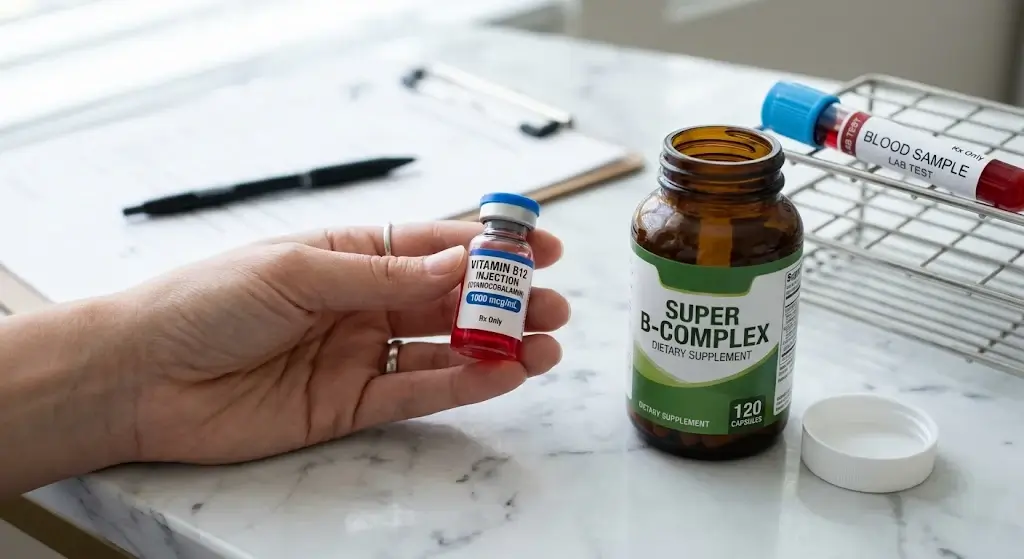
4. Vitamin B12 (Methylcobalamin)
What it is: A water-soluble B vitamin essential for nerve myelination and red blood cell production.
How it may help: The auditory nerve depends on healthy myelin sheaths to transmit signals efficiently. B12 deficiency can cause peripheral neuropathy and, in some cases, affect the vestibulocochlear nerve (the nerve that carries hearing and balance signals). If your tinnitus is tied to a B12 deficiency, correcting it may reduce the ringing.
What the research says: Case reports and small studies in The Journal of Laryngology & Otology and European Archives of Oto-Rhino-Laryngology have documented tinnitus improvement after B12 supplementation in deficient patients . The evidence is strongest when a deficiency is confirmed by blood work.
Dose used in studies: 500–1,000 mcg of methylcobalamin (the active form) per day, or as directed by your doctor based on blood levels.
Who it’s for: Vegans, older adults, people on metformin or proton-pump inhibitors (both can lower B12), and anyone with confirmed deficiency.
Caution: B12 is water-soluble and generally very safe. However, if you have a neurological condition, get levels checked before high-dose supplementation.
5. Melatonin
What it is: A hormone your brain produces to regulate the sleep-wake cycle.
How it may help: Tinnitus often gets louder at night when the environment is quiet. Poor sleep and elevated cortisol (the stress hormone) can amplify the perception of ringing. Melatonin may help by improving sleep quality and reducing the stress response, which in turn can lower tinnitus severity. It also has antioxidant properties that may support cochlear health.
What the research says: A few small randomized trials have tested melatonin in tinnitus patients, particularly those with comorbid sleep disturbance. Some reported improvements in both sleep quality and tinnitus loudness after 4–8 weeks . The evidence is preliminary but promising.
Dose used in studies: 3–10 mg taken 30–60 minutes before bedtime.
Who it’s for: People whose tinnitus worsens at night, those with insomnia or irregular sleep schedules, and shift workers.
Caution: Melatonin can cause daytime drowsiness. Avoid driving or operating machinery after taking it. If you’re on blood pressure medication or immunosuppressants, check with your doctor first.
6. Omega-3 Fatty Acids (EPA and DHA)
What it is: Long-chain polyunsaturated fats found in fatty fish, algae, and some supplements.
How it may help: Omega-3s are well-known for their anti-inflammatory effects. Chronic low-grade inflammation in the cochlea and auditory nerve may contribute to tinnitus. DHA is a structural component of cell membranes in the inner ear, so adequate intake supports the physical integrity of cochlear cells.
What the research says: While large tinnitus-specific trials are limited, the broader anti-inflammatory and neuroprotective evidence for omega-3s is strong. A review in The Journal of the American Medical Association has highlighted omega-3s’ role in reducing systemic inflammation . For tinnitus specifically, the mechanism is plausible but still being studied.
Dose to consider: 1,000–2,000 mg combined EPA + DHA per day.
Who it’s for: People who don’t eat fatty fish (salmon, mackerel, sardines) at least twice a week, and those with elevated inflammatory markers.
Caution: High-dose omega-3s (above 3,000 mg/day) can thin the blood. If you take anticoagulants, talk to your doctor. For more on how omega-3s affect inflammation in the body, see our guide on omega-3 fatty acids and inflammation.
7. Acetyl-L-Carnitine (ALCAR)
What it is: A naturally occurring amino acid derivative that helps cells produce energy (ATP) and supports nerve health.
How it may help: The cochlea is one of the most energy-hungry tissues in the body. ALCAR may support mitochondrial function in auditory nerve cells, helping them maintain the energy needed for proper signal processing. It also has some neuroprotective properties.
What the research says: A small number of open-label studies and case series have explored ALCAR (sometimes combined with other compounds) in tinnitus and hearing loss. Results were modest but positive in some participants . The evidence base is thin compared to ginkgo or magnesium.
Dose used in studies: 500–1,500 mg per day, split into two doses.
Who it’s for: Adults with tinnitus who also report low energy, brain fog, or age-related cognitive slowing.
Caution: Generally well-tolerated. Some people report mild GI upset at higher doses.
8. Quercetin
What it is: A flavonoid antioxidant found in onions, apples, berries, and green tea.
How it may help: Quercetin is a potent antioxidant and anti-inflammatory compound. It may help reduce oxidative stress in the cochlea and modulate the immune response in the inner ear. Some research suggests it can protect auditory cells from noise-induced damage.
What the research says: Animal studies and in-vitro (lab) research show quercetin’s protective effects on cochlear cells. Human trials specific to tinnitus are limited, but the antioxidant mechanism is well-supported .
Dose to consider: 500 mg per day, taken with food for absorption.
Who it’s for: People exposed to chronic noise (construction, music, industrial work) who want additional antioxidant support for their ears.
Caution: Quercetin can interact with some medications, including certain antibiotics and blood thinners. Check with your pharmacist if you’re on regular prescriptions.
9. Vitamin D
What it is: A fat-soluble vitamin produced by the skin in sunlight and obtained from fatty fish, fortified foods, or supplements.
How it may help: Vitamin D receptors are present in the inner ear. Low vitamin D levels have been correlated with increased tinnitus severity in observational studies. Vitamin D supports immune regulation and may reduce the inflammatory environment in the cochlea.
What the research says: Several cross-sectional studies have found an association between low serum vitamin D and tinnitus. A study published in The Laryngoscope noted that tinnitus patients had significantly lower vitamin D levels than controls . This is correlational, not causal, but it suggests that correcting a deficiency may help.
Dose to consider: 1,000–2,000 IU per day if your levels are in the “insufficient” range (20–30 ng/mL). Get a blood test first.
Who it’s for: People with limited sun exposure, darker skin tones, older adults, and those with confirmed low vitamin D.
Caution: Do not exceed 4,000 IU/day without medical supervision. Excess vitamin D can raise calcium levels dangerously.
10. N-Acetylcysteine (NAC)
What it is: A precursor to glutathione, the body’s master antioxidant.
How it may help: NAC boosts glutathione production, which helps cells neutralize free radicals. Since oxidative stress is a key contributor to cochlear hair cell damage, NAC may offer a protective effect. It also has mild anti-inflammatory and mucolytic (mucus-thinning) properties.
What the research says: NAC has been studied in noise-induced hearing loss and ototoxicity (hearing damage from medications like chemotherapy or aminoglycoside antibiotics). Some trials showed it reduced the severity of hearing loss and tinnitus when taken before and after noise or drug exposure . As a standalone tinnitus treatment, the evidence is still emerging.
Dose used in studies: 600–1,200 mg per day, taken on an empty stomach for best absorption.
Who it’s for: People at risk for noise-induced or medication-induced hearing damage, and those looking for additional antioxidant support.
Caution: NAC can cause nausea on an empty stomach in some people. If you have a history of ulcers or GI issues, take it with a small snack.
How to Build a Supplement Routine for Tinnitus
You don’t need to take all ten. Start with what matches your specific situation. Here’s a practical framework:
Step 1: Get a proper diagnosis. See an ENT or audiologist to rule out earwax, infection, vascular issues, or medication side effects. Get blood work for zinc, B12, vitamin D, and magnesium if you haven’t had it recently.
Step 2: Pick 2–3 supplements based on your profile.
- Vascular tinnitus → Ginkgo biloba + omega-3s
- Noise-induced tinnitus → Magnesium + NAC + quercetin
- Nighttime worsening → Melatonin + magnesium glycinate
- Suspected deficiency → Zinc + B12 + vitamin D (based on blood work)
Step 3: Give it 8–12 weeks. Tinnitus supplements are not instant. Most studies used 8 to 12 weeks of consistent use before measuring outcomes. Track your tinnitus severity daily (a simple 1–10 scale in a notes app works).
Step 4: Combine with non-supplement strategies. Supplements work best alongside:
- Sound therapy (white noise, nature sounds, or a tinnitus masker at night)
- Tinnitus retraining therapy (TRT) with an audiologist
- Stress management (mindfulness, deep breathing, regular exercise)
- Limiting caffeine, alcohol, and very loud environments
- Consistent sleep schedule
🏋️ Coach’s Tip: Think of supplements as one layer of a multi-layer strategy, not a magic fix. The single most effective “supplement” for tinnitus is reducing the stress and anxiety that make the ringing feel louder. A 20-minute daily walk, a breathing exercise before bed, and a consistent sleep schedule will do more for your perceived tinnitus severity than any pill. Pair your supplement routine with these habits, and you’ll give yourself the best shot at meaningful improvement.
Common Mistake: Stacking Everything at Once
⚠️ Common Mistake: Buying five or six tinnitus supplements on the same day and taking them all at full dose. This makes it impossible to tell which one (if any) is helping, increases the risk of interactions, and can strain your budget.
Fix: Start with one or two supplements for 4–6 weeks. Track your symptoms. Then add a third if needed. Space your intake: take magnesium and melatonin in the evening, ginkgo and zinc in the morning with food, and omega-3s with your largest meal. This also reduces GI side effects.
Safety Tips and What to Avoid
- Check for interactions. If you take blood thinners, antidepressants, blood pressure meds, or immunosuppressants, run your supplement list past your pharmacist. Ginkgo, omega-3s, and NAC all have mild blood-thinning effects.
- Avoid “tinnitus miracle” blends. Many products on the market combine 8–12 ingredients at sub-therapeutic doses and market themselves as cures. If a label promises to “cure” or “stop” tinnitus, walk away. Legitimate supplements use language like “supports” or “may help.”
- Quality matters. Look for third-party testing (NSF, USP, or ConsumerLab verification) to ensure the product contains what the label says and is free of heavy metals.
- Don’t skip the doctor. Tinnitus that is sudden, one-sided, pulsatile (matches your heartbeat), or accompanied by hearing loss or dizziness needs prompt medical evaluation. These can signal conditions that require treatment beyond supplements.
- Be patient and realistic. The goal is reduction in severity and improved quality of life, not total silence for most people. Track progress over months, not days.

What to Look for When Evaluating Any Supplement
Before you buy, run through this quick checklist:
- Is the ingredient dose in the research range? (e.g., ginkgo at 120–240 mg, not 25 mg)
- Is it third-party tested? (NSF, USP, or ConsumerLab seal)
- Are there hidden fillers, artificial colors, or excessive calories?
- Does the manufacturer provide a GMP (Good Manufacturing Practice) statement?
- Is the expiration date reasonable? (At least 12 months out)
For a deeper dive into how to read supplement labels and verify ingredient quality, our guide on evaluating supplement ingredients walks through the process step by step.
Tinnitus Triggers That Supplements Can’t Fix
Supplements support the auditory system, but they can’t undo the triggers that make tinnitus worse. Be honest about these:
- Chronic stress and anxiety: Cortisol keeps your nervous system in a heightened state, making the ringing more noticeable. If stress is a major trigger, consider talking to a therapist about cognitive behavioral therapy (CBT) for tinnitus. Stress-management strategies, including the use of adaptogens, are covered in our article on adaptogens and cortisol management.
- Loud noise exposure: Concerts, power tools, earbuds at high volume. Use ear protection.
- Caffeine and alcohol: Both can temporarily worsen tinnitus in sensitive individuals.
- Medications: Aspirin (high dose), certain antibiotics, diuretics, and chemotherapy drugs are ototoxic. Review your medication list with your doctor.
- Poor sleep: Creates a feedback loop—tinnitus disrupts sleep, poor sleep worsens tinnitus.
FAQ
What is the single best natural supplement for tinnitus?
There is no one-size-fits-all answer. Ginkgo biloba has the most research behind it for vascular-related tinnitus, while magnesium and zinc show promise for noise-induced and deficiency-related tinnitus. The “best” supplement depends on the underlying cause, which is why a proper ENT evaluation matters first.
Can supplements actually stop tinnitus completely?
No supplement has been proven to eliminate tinnitus entirely in clinical trials. Research suggests certain compounds may reduce tinnitus severity, improve sleep, and lower the emotional distress associated with ringing. Think of supplements as a support tool, not a cure.
How long do tinnitus supplements take to work?
Most studies used 8 to 12 weeks of consistent daily use before measuring changes. Some people report subtle improvements within 3–4 weeks, especially with magnesium or melatonin. Give any supplement at least two months before deciding it isn’t working.
Are there any supplements I should avoid with tinnitus?
High-dose aspirin (above 325 mg regularly) is a known tinnitus trigger and is not a “supplement” to add. Also, avoid products with very high caffeine doses. If you’re on blood thinners, be cautious with ginkgo, omega-3s, and NAC. Always check with your pharmacist.
Should I take a multivitamin instead of individual supplements?
A quality multivitamin can cover basic needs (B vitamins, zinc, vitamin D at low doses), but it won’t provide the therapeutic doses used in tinnitus research. For example, a multivitamin might have 15 mg of zinc, while studies use 25–50 mg. If you want targeted support, individual supplements at research-backed doses are more effective.
Do tinnitus supplements work for pulsatile tinnitus?
Pulsatile tinnitus (a whooshing or thumping that matches your heartbeat) is often caused by a vascular issue, not a cochlear one. Supplements are unlikely to help. This type needs prompt medical evaluation to rule out vascular malformations, high blood pressure, or other structural causes.
Conclusion
The best natural supplements for tinnitus relief aren’t a magic switch. They’re tools that, used correctly and consistently, may take the edge off that persistent ringing and help you sleep better, feel calmer, and focus less on the sound. Ginkgo biloba, magnesium, zinc, B12, melatonin, omega-3s, ALCAR, quercetin, vitamin D, and NAC each have a piece of the puzzle, and the right combination depends on your specific tinnitus profile.
Start with a medical evaluation. Get your bloodwork. Pick two or three evidence-backed supplements at the right dose. Pair them with sound therapy, stress management, and good sleep hygiene. Give it 8 to 12 weeks. Track your progress. And be kind to yourself—the goal is not silence, but a life where the ringing is a quiet background note instead of the loudest thing in the room.
You’ve got this. One small, consistent step at a time.