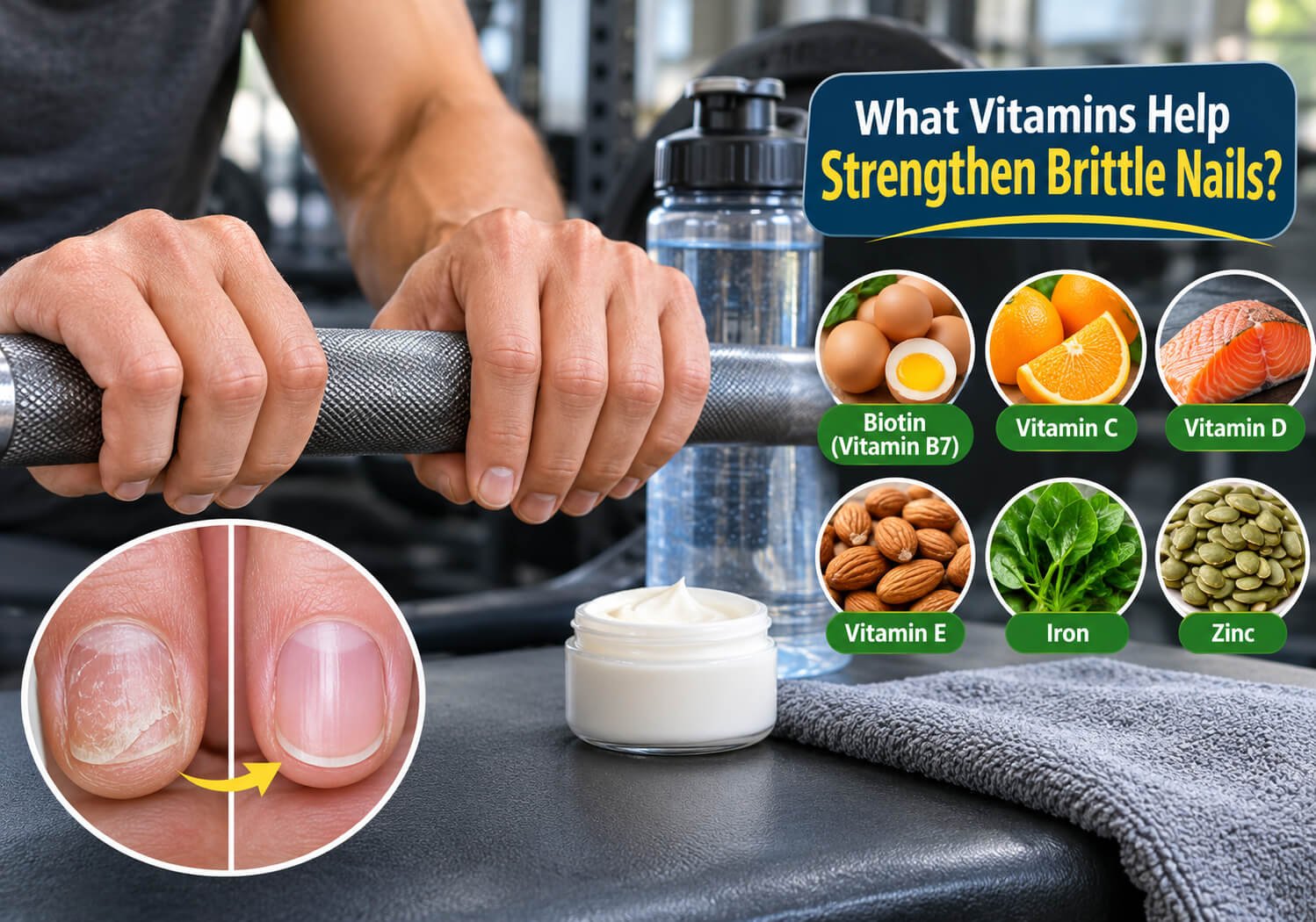
As a strength and conditioning coach, I see athletes and gym-goers gripping barbells, dumbbells, and pull-up bars daily. While calluses are a normal adaptation to lifting, brittle, peeling, or splitting nails are not. They can snag on aggressive knurling, cause painful tears, and ultimately hinder your grip strength. If you are wondering what vitamins help strengthen brittle nails, the answer lies in targeted nutrition that supports keratin production and protects the nail matrix.
External factors like gym chalk, frequent hand washing, and mechanical friction play a role. However, the foundation of nail resilience is built from the inside out through specific micronutrients. This guide breaks down the exact vitamins, minerals, and practical habits you need to build thicker, more resilient nails.
Quick Answer
The most effective nutrients to strengthen brittle nails include biotin (Vitamin B7), vitamin C, vitamin D, and vitamin E, alongside essential minerals like iron and zinc. These compounds support keratin production, improve nail hydration, and protect the nail matrix from oxidative stress. For optimal results, pair targeted supplementation with adequate protein intake and proper topical nail care.
The Science Behind Brittle Nails
Brittle nails, medically referred to as onychoschizia, affect a significant portion of the population, particularly women over 40 and individuals who frequently expose their hands to moisture or abrasive materials. The nail plate is primarily composed of keratin, a tough, fibrous protein. This plate is generated by the nail matrix, a specialized area of tissue located just beneath the cuticle.
When the nail matrix lacks essential building blocks, the resulting keratin cells are structurally weak. This leads to dehydration, splitting at the free edge, and peeling layers. According to the Cleveland Clinic, brittle nails are often a direct reflection of internal nutritional gaps or external environmental damage.
For fitness enthusiasts, the environment is uniquely harsh. Magnesium carbonate (gym chalk) is highly desiccating, meaning it pulls moisture directly out of the skin and nail plate. Combined with the shearing force of a rolling barbell, this creates a perfect storm for nail damage. Addressing this requires a two-pronged approach: fortifying the internal structure with the right vitamins and mitigating external damage through smart gym habits.
Key Vitamins and Minerals for Nail Strength
To understand what vitamins help strengthen brittle nails, we must look at the specific roles each micronutrient plays in cellular division, protein synthesis, and antioxidant defense. Below is a detailed breakdown of the most evidence-backed nutrients for nail health.
Biotin (Vitamin B7)
Biotin is widely considered the cornerstone vitamin for nail health. It acts as a coenzyme in the metabolism of fatty acids, amino acids, and glucose, all of which are critical for keratin infrastructure. Research published in the Journal of Clinical and Aesthetic Dermatology indicates that biotin supplementation can increase nail plate thickness by up to 25% in individuals with brittle nails, while also reducing splitting.
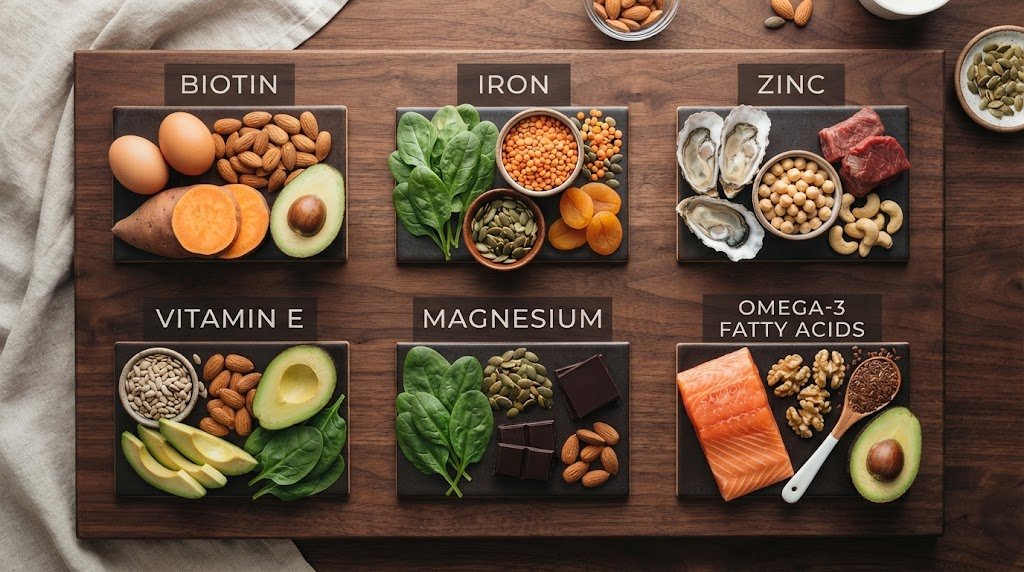
The adequate intake (AI) for biotin is 30 micrograms (mcg) per day for adults. However, therapeutic doses for brittle nails often range from 1,000 to 2,500 mcg daily under medical supervision. Excellent food sources include egg yolks, almonds, sweet potatoes, and organ meats.
Vitamin C
Vitamin C is a powerful water-soluble antioxidant that is absolutely essential for collagen synthesis. Collagen provides the structural framework for the connective tissue surrounding the nail bed and cuticle. Without adequate vitamin C, this supporting tissue weakens, making the nail plate more susceptible to lifting and breaking.
Furthermore, vitamin C enhances the absorption of non-heme iron (the type of iron found in plant foods), creating a synergistic effect for nail health. The recommended daily allowance (RDA) is 75 mg for women and 90 mg for men. Citrus fruits, bell peppers, strawberries, and broccoli are exceptional dietary sources.
Vitamin D
Vitamin D plays a pivotal role in calcium absorption and cellular growth. The nail matrix is one of the fastest-growing tissues in the human body, requiring constant cellular division. A deficiency in vitamin D can disrupt this process, leading to slow growth, thinning, and increased brittleness.
The NIH Office of Dietary Supplements notes that many adults are deficient in vitamin D, especially those who train indoors. The RDA is 600–800 International Units (IU) daily, though some clinicians recommend 1,000–2,000 IU for optimal maintenance. Fatty fish, fortified dairy, and safe sun exposure are primary sources.
Vitamin E
As a fat-soluble antioxidant, vitamin E protects the lipid membranes of the cells in the nail matrix from oxidative stress caused by free radicals. This protection helps maintain the moisture barrier of the nail plate, preventing the dry, flaky peeling characteristic of brittle nails.
The RDA for vitamin E is 15 milligrams (mg) per day. Nuts, seeds, spinach, and avocado are rich in this nutrient. It is important to note that because vitamin E is fat-soluble, it is stored in the body, making excessive supplementation potentially risky without medical guidance.
Iron
Iron deficiency is one of the most common systemic causes of brittle nails. Severe iron deficiency can lead to koilonychia, or “spoon nails,” where the nails become thin and concave. Even mild deficiency can reduce the oxygen supply to the nail matrix, stunting growth and weakening the keratin structure.
The NIH emphasizes that premenopausal women and endurance athletes are at a higher risk for iron deficiency. The RDA ranges from 8 mg for adult men to 18 mg for premenopausal women. Red meat, lentils, spinach, and fortified cereals are excellent sources. Pairing these with vitamin C maximizes absorption.
Zinc
Zinc is a trace mineral that plays a direct role in protein synthesis and cell division. Because the nail matrix is constantly producing new cells, a zinc deficiency can manifest as white spots (leukonychia), slow growth, and brittle, easily fractured nails.
The RDA for zinc is 8 mg for women and 11 mg for men. Oysters, beef, pumpkin seeds, and chickpeas are highly bioavailable sources. Like iron, zinc competes with other minerals for absorption, so it is best consumed in a balanced diet rather than in isolation.
Collagen and Dietary Protein
While not a vitamin, dietary protein is the literal building block of your nails. Keratin is a protein, and collagen supplements provide the specific amino acids (like glycine and proline) required to synthesize it. Ensuring you meet your daily protein requirements is a non-negotiable step in nail fortification. For more on how adequate protein intake supports overall tissue repair and metabolic health, reviewing your daily macros is a great first step.
| Nutrient | Primary Role in Nail Health | Adult RDA / AI | Top Food Sources |
| Biotin (B7) | Keratin infrastructure, reduces splitting | 30 mcg | Egg yolks, almonds, sweet potatoes |
| Vitamin C | Collagen synthesis, enhances iron absorption | 75–90 mg | Bell peppers, citrus, strawberries |
| Vitamin D | Cellular division in the nail matrix | 600–800 IU | Fatty fish, fortified milk, sunlight |
| Vitamin E | Antioxidant protection, moisture retention | 15 mg | Sunflower seeds, spinach, avocado |
| Iron | Oxygen delivery to the nail matrix | 8–18 mg | Red meat, lentils, spinach |
| Zinc | Protein synthesis, cell division | 8–11 mg | Oysters, beef, pumpkin seeds |
How to Apply This Knowledge: A Practical Protocol
Knowing what vitamins help strengthen brittle nails is only half the battle. Implementing a structured protocol ensures you actually see results. Nail growth is slow; the fingernail takes about 4 to 6 months to fully replace itself. Consistency is your most powerful tool.
Step 1: Establish the Dietary Foundation
Before reaching for a pill bottle, audit your diet. Aim for a colorful plate that includes lean proteins, healthy fats, and a variety of vegetables. If you are actively managing your body composition, ensure you are not inadvertently restricting the micronutrients that vitamins support your body when deficient. A simple addition of a daily handful of pumpkin seeds and a serving of berries can cover your zinc and vitamin C bases.
Step 2: Smart Supplementation
If dietary intake is insufficient, supplementation can bridge the gap. When selecting a product, it is crucial to evaluate supplement ingredients for third-party testing (like NSF or USP verification) to ensure purity and accurate dosing. Look for a dedicated “hair, skin, and nails” formula that contains at least 1,000 mcg of biotin, alongside balanced amounts of vitamin C, E, and zinc. Always remember to choose supplements safely by checking for potential interactions with any medications you currently take.
Step 3: Topical Care and Gym-Specific Habits
Internal nutrition must be protected by external care.
- Post-Workout Hygiene: Immediately after training, wash your hands with a gentle, pH-balanced soap to remove magnesium carbonate chalk. Do not use harsh, antibacterial soaps, as they strip natural oils.
- Moisturize: Apply a thick hand cream or cuticle oil containing jojoba oil or shea butter immediately after washing.
- Proper Trimming: Keep your nails trimmed to about 1/8 inch (3 mm) above the fingertip. File the edges smoothly in one direction to prevent micro-tears that can catch on gym equipment.
Coach’s Tip
If you lift heavy, invest in a high-quality liquid chalk or use lifting grips for high-rep pulling movements. This reduces the direct abrasive friction of dry chalk and knurling on your nail beds, giving your internal nutritional efforts a chance to actually build strength without immediate mechanical destruction.
Common Mistake
Over-supplementing fat-soluble vitamins, particularly Vitamin A. While vitamin A is necessary for cell growth, excessive intake (often from high-dose multivitamins or retinol supplements) is actually linked to nail dryness, peeling, and brittleness. More is not always better. Stick to the RDA unless directed otherwise by a healthcare provider.
Safety Notes and When to Consult a Professional
While optimizing your vitamin intake is generally safe, it is not a substitute for medical diagnosis. Brittle nails can sometimes be an early warning sign of underlying systemic issues, such as thyroid dysfunction (hypothyroidism), anemia, or psoriasis.
If your brittle nails are accompanied by other symptoms like extreme fatigue, hair loss, unexplained weight changes, or changes in nail color (such as yellowing or dark streaks), you should request a comprehensive blood panel from your doctor. This panel should ideally check ferritin (stored iron), vitamin D, zinc, and thyroid-stimulating hormone (TSH).
Furthermore, if you are pregnant, nursing, or managing a chronic health condition, always consult your physician or a registered dietitian before starting any new supplement regimen. Addressing a specific vitamin deficiency should always be done with professional oversight to avoid toxicity or adverse interactions.
Related Tips for Gym-Goers and Daily Life
To maximize the benefits of the vitamins you are consuming, adopt these supportive habits:
- Hydration is Non-Negotiable: The nail plate contains about 18% water. Dehydration makes nails rigid and prone to snapping. Aim for at least half your body weight in pounds (lb) in ounces (oz) of water daily. For a 150 lb (68 kg) individual, that is roughly 75 oz (2.2 liters) of water.
- Wear Gloves for Chores: Exposure to dish soap, household cleaners, and cold weather rapidly degrades the nail’s lipid barrier. Wear rubber gloves when washing dishes or cleaning.
- Give Your Nails a Break: If you use gel manicures or acrylics, the acetone removal process and UV exposure can severely damage the nail matrix. Take a 2 to 3-month break between applications to allow the nail to regenerate.
- Progressive Overload for Nail Care: Think of nail care like training. Regression: Start by simply improving your diet and drinking more water. Progression: Add a targeted biotin supplement, switch to a gentle soap, apply cuticle oil nightly, and use lifting grips during high-volume gym sessions.
Frequently Asked Questions (FAQ)
What is the single best vitamin for brittle nails?
Biotin (Vitamin B7) is widely recognized as the most effective single vitamin for strengthening brittle nails. Clinical observations show it can increase nail thickness and reduce splitting. However, it works best when combined with adequate dietary protein and other supportive nutrients like iron and zinc.
How long does it take for vitamins to strengthen nails?
Fingernails grow at an average rate of 3 to 4 millimeters per month. Because the nail must grow out from the matrix, it typically takes 3 to 6 months of consistent vitamin supplementation and proper care to see a noticeable improvement in nail strength and appearance.
Can a vitamin D deficiency cause brittle nails?
Yes. Vitamin D is crucial for calcium absorption and healthy cellular division in the nail matrix. A deficiency can lead to slow nail growth, thinning, and increased brittleness. Ensuring adequate sun exposure or supplementation can help mitigate this issue.
Do collagen supplements actually help with brittle nails?
Yes, research suggests they can. Collagen provides specific amino acids like glycine and proline, which are the building blocks of keratin. Studies have shown that daily collagen peptide supplementation can improve nail growth rate and reduce the frequency of broken nails.
Can taking too many vitamins cause brittle nails?
Yes, specifically fat-soluble vitamins. Excessive intake of Vitamin A (hypervitaminosis A) is clinically linked to dry, brittle, and peeling nails. Always adhere to the recommended daily allowances and avoid doubling up on multiple multivitamins without medical supervision.
What blood tests should I ask for if my nails won’t stop breaking?
Ask your healthcare provider for a comprehensive metabolic panel that includes ferritin (to check iron stores), a complete blood count (CBC), vitamin D (25-hydroxyvitamin D), zinc, and a thyroid panel (TSH, Free T3, Free T4) to rule out systemic causes of brittleness.
Conclusion
Figuring out what vitamins help strengthen brittle nails requires looking beyond quick fixes and focusing on foundational biology. By prioritizing biotin, vitamin C, vitamin D, vitamin E, iron, and zinc, you provide your nail matrix with the exact tools it needs to produce thick, resilient keratin.
However, supplements alone cannot outwork a harsh environment. Pair your nutritional strategy with smart gym habits, proper hydration, and gentle topical care. Just as you would not expect to build muscle without consistent training and proper recovery, you cannot build strong nails without consistent, holistic care. If you are making these changes and still struggling, do not hesitate to seek professional medical advice to rule out underlying conditions.