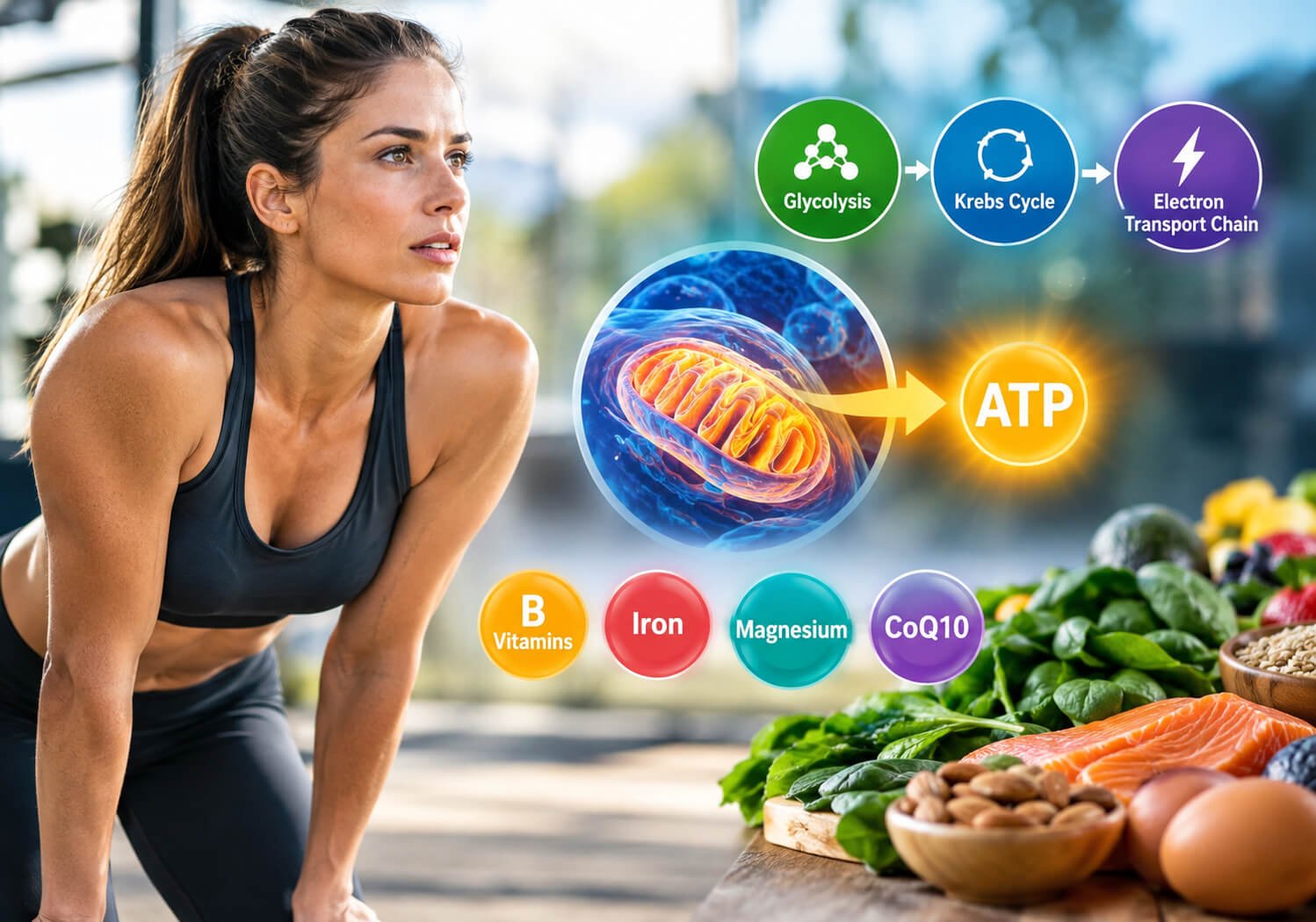
As a strength and conditioning coach, I constantly see dedicated athletes hit a performance wall. They have the perfect training program, they sleep well, and they push hard in the gym. Yet, they still feel sluggish, recover poorly, and lack that explosive drive. More often than not, the issue is not their workout routine, but their cellular fuel. Understanding exactly which nutrients support normal energy metabolism is the foundation of sustained physical performance and daily vitality.
Your body is a highly efficient biological engine. Just like a high-performance car requires specific types of fuel and oil to run, your cells require specific vitamins and minerals to convert the food you eat into usable energy. Without these critical micronutrients, the metabolic pathways that power your muscles and brain simply cannot function at their peak.
This guide breaks down the exact science of cellular energy, identifies the most critical vitamins and minerals for ATP production, and provides actionable, evidence-based strategies to optimize your diet and training.
Quick Answer
The primary nutrients that support normal energy metabolism include the B-complex vitamins (B1, B2, B3, B5, B6, B7, and B12), iron, magnesium, and coenzyme Q10. These micronutrients act as essential enzymatic cofactors in the Krebs cycle and electron transport chain, directly enabling your body to convert carbohydrates, fats, and proteins into adenosine triphosphate (ATP), your cells’ primary energy currency.
The Science Behind Cellular Energy Production
To understand why specific nutrients are non-negotiable, we must first look at how your body makes energy. Every time you lift a weight, go for a run, or even just think, your cells use a molecule called adenosine triphosphate (ATP).
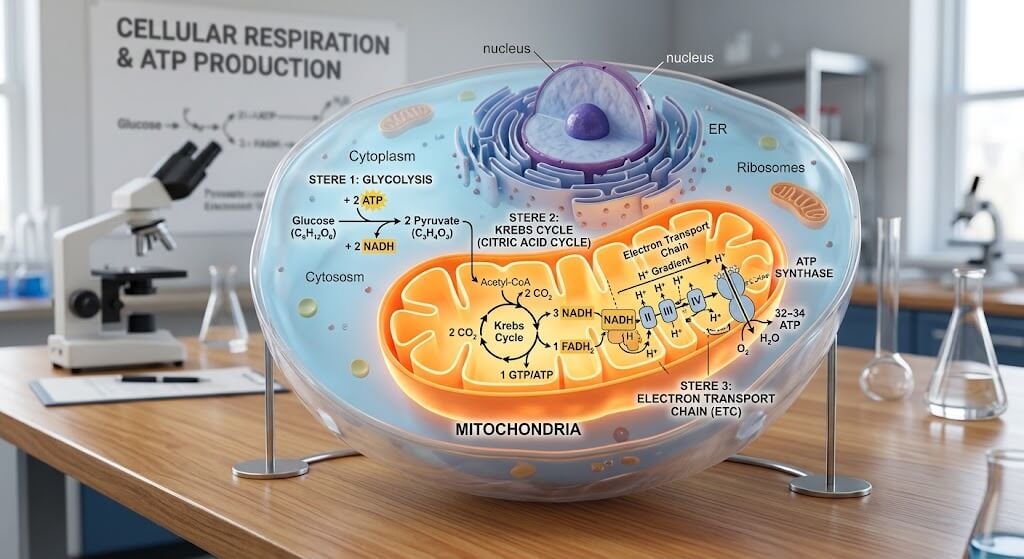
The production of ATP happens primarily inside the mitochondria, often called the “powerhouses” of the cell. This process occurs in three main stages:
- Glycolysis: The breakdown of glucose into pyruvate in the cell’s cytoplasm.
- The Krebs Cycle (Citric Acid Cycle): A series of chemical reactions in the mitochondria that generate high-energy electron carriers.
- The Electron Transport Chain (ETC): The final stage where these electrons are used to produce a massive amount of ATP, requiring oxygen.
None of these stages can happen without specific micronutrients acting as “cofactors.” A cofactor is a non-protein chemical compound that binds to an enzyme and is required for the enzyme’s biological activity. Think of enzymes as the workers on an assembly line, and cofactors as the specialized tools they need to do their jobs. If you lack the tools, the assembly line stops, and energy production drops.
Furthermore, metabolic flexibility—the ability to efficiently switch between burning carbs and fats—relies heavily on these nutrients. Understanding how certain minerals interact with macronutrients, such as exploring whether does chromium picolinate support glucose metabolism, can provide deeper insight into how your body manages fuel utilization during intense training blocks.
Which Nutrients Support Normal Energy Metabolism? The Essential List
When clients ask me which nutrients support normal energy metabolism, I point directly to this core group of micronutrients. They are the undisputed champions of cellular energy.
1. The B-Complex Vitamins: The Spark Plugs of Metabolism
The B vitamins are water-soluble and must be replenished regularly through diet. They work synergistically, meaning a deficiency in one can bottleneck the entire energy production process.
- Thiamine (Vitamin B1): Thiamine is converted into thiamine pyrophosphate (TPP), a crucial cofactor for the enzyme that converts pyruvate into acetyl-CoA, the entry point for the Krebs cycle. Without B1, carbohydrate metabolism stalls.
- Riboflavin (Vitamin B2): This vitamin is a precursor to flavin adenine dinucleotide (FAD). FAD is a critical electron carrier in the electron transport chain. It literally shuttles the energy needed to create ATP.
- Niacin (Vitamin B3): Niacin forms nicotinamide adenine dinucleotide (NAD+). NAD+ is arguably the most important electron carrier in cellular respiration, participating in hundreds of redox reactions that extract energy from food.
- Pantothenic Acid (Vitamin B5): B5 is the central building block of Coenzyme A (CoA). As mentioned, acetyl-CoA is required to feed the Krebs cycle. No B5 means no CoA, and a severe drop in energy yield.
- Pyridoxine (Vitamin B6): While heavily involved in amino acid metabolism and neurotransmitter synthesis, B6 also assists in the breakdown of glycogen (stored carbohydrates) into glucose, making it vital for sustained workout energy.
- Biotin (Vitamin B7): Biotin is essential for carboxylase enzymes, which are required for gluconeogenesis (making new glucose) and fatty acid synthesis. It helps your body access fat stores for energy during longer, lower-intensity efforts.
- Cobalamin (Vitamin B12): B12 works closely with folate to produce red blood cells, which carry the oxygen required for aerobic energy production. It is also vital for nerve function, ensuring the mind-muscle connection remains sharp during heavy lifts.
2. Iron: The Oxygen Transporter
Iron is a trace mineral that plays a dual role in energy metabolism. First, it is the central component of hemoglobin, the protein in red blood cells that binds to oxygen in your lungs and delivers it to your working muscles. Second, iron is a key component of cytochromes, the proteins in the electron transport chain that actually pass electrons along to generate ATP.
When iron stores are low, a condition known as iron-deficiency anemia can develop. As a coach, I can always tell when an athlete is iron-deficient: they experience heavy, sluggish legs, elevated heart rates at low intensities, and prolonged recovery times.
3. Magnesium: The ATP Stabilizer
Magnesium is involved in over 300 enzymatic reactions in the human body, but its role in energy is paramount. Here is a biochemical fact many overlook: ATP does not exist in the body as a free molecule. To be biologically active, ATP must be bound to a magnesium ion, forming a complex known as Mg-ATP.
If you are deficient in magnesium, your body literally cannot utilize the ATP it produces. Magnesium also supports muscle relaxation and nerve transmission, preventing the cramps and spasms that can derail a good training session.
4. Coenzyme Q10 (CoQ10): The Electron Transport Chain Hero
CoQ10 is a vitamin-like compound found in almost every cell in your body, with the highest concentrations in the heart, liver, kidneys, and pancreas—organs with massive energy demands. In the electron transport chain, CoQ10 acts as a mobile electron carrier, shuttling electrons between Complex I/II and Complex III.
While the body can synthesize CoQ10, production naturally declines with age and can be depleted by certain medications, like statins. Supplemental CoQ10 (specifically in the ubiquinol form) has been shown in clinical settings to support mitochondrial efficiency and reduce exercise-induced oxidative stress.
5. Zinc and Copper: The Supporting Cast
These trace minerals work in tandem. Zinc is a cofactor for numerous enzymes involved in carbohydrate and lipid metabolism. Copper is essential for the function of cytochrome c oxidase, the final enzyme in the electron transport chain that transfers electrons to oxygen to form water. A balance of both is required for optimal oxidative phosphorylation.

Nutrient Reference Table: Daily Needs and Food Sources
To help you build meals that fuel your metabolism, here is a quick-reference guide based on the National Institutes of Health (NIH) Office of Dietary Supplements data for average adults.
| Nutrient | Adult RDA / AI | Top 3 Whole Food Sources | Primary Metabolic Role |
| Thiamine (B1) | 1.1–1.2 mg | Pork chops, black beans, sunflower seeds | Converts pyruvate to acetyl-CoA for the Krebs cycle. |
| Riboflavin (B2) | 1.1–1.3 mg | Beef liver, almonds, fortified dairy | Forms FAD, a critical electron carrier in the ETC. |
| Niacin (B3) | 14–16 mg | Chicken breast, tuna, peanuts | Forms NAD+, essential for hundreds of redox reactions. |
| Pantothenic Acid (B5) | 5 mg (AI) | Shiitake mushrooms, chicken, avocados | Core component of Coenzyme A (CoA). |
| Vitamin B6 | 1.3–1.7 mg | Chickpeas, salmon, potatoes | Aids in glycogen breakdown and amino acid metabolism. |
| Biotin (B7) | 30 mcg (AI) | Eggs (cooked), almonds, sweet potatoes | Supports gluconeogenesis and fatty acid metabolism. |
| Vitamin B12 | 2.4 mcg | Clams, beef liver, nutritional yeast | Red blood cell formation and oxygen transport. |
| Iron | 8 mg (men), 18 mg (women) | Oysters, spinach, lentils, red meat | Hemoglobin oxygen transport and cytochrome function. |
| Magnesium | 310–420 mg | Pumpkin seeds, spinach, black beans | Binds to ATP to make it biologically active (Mg-ATP). |
| CoQ10 | No official RDA | Beef heart, sardines, spinach, peanuts | Mobile electron carrier in the mitochondrial ETC. |
How to Apply This to Your Training and Diet
Knowing the science is only half the battle. As a coach, my job is to translate biochemistry into practical, daily habits. Here is how you apply this knowledge to optimize your energy metabolism.
1. Prioritize Nutrient Density Over Empty Calories
A calorie is not just a calorie when it comes to micronutrients. 300 calories of sugary cereal will spike your blood sugar but provide zero B-vitamins or magnesium. 300 calories of oatmeal with pumpkin seeds and berries provides complex carbohydrates alongside a massive dose of magnesium, B1, and B6. Build your meals around whole, single-ingredient foods.
2. Time Your Nutrients Around Your Workouts
Your body’s demand for energy substrates and their cofactors peaks around your training session.
- Pre-Workout (1–2 hours before): Consume a meal with complex carbohydrates and B-vitamins. For example, 4 to 6 ounces (113 to 170 grams) of lean chicken breast with 1 cup (about 130 grams) of cooked quinoa. This provides B3, B6, and magnesium to prep the Krebs cycle.
- Post-Workout (within 2 hours): Focus on replenishing glycogen and providing the building blocks for repair. A smoothie with 1 cup (240 ml) of milk (or fortified plant milk), 1 banana, and a scoop of protein powder delivers B12, potassium, and magnesium.
3. Support Nutrient Delivery with Healthy Blood Flow
You can eat all the right nutrients, but they are useless if they cannot reach your muscle cells. Efficient energy production requires robust circulation. Learning about how L-citrulline helps produce nitric oxide can show you how to improve blood delivery of these vital nutrients to working muscles during your lifts. For those looking to optimize vascular delivery, exploring nitric oxide benefits for men’s health, blood flow, and more highlights the direct connection between systemic circulation and cellular energy output.
4. Maintain Metabolic Flexibility
Metabolic flexibility is your body’s ability to seamlessly switch between burning glucose and burning fat. This prevents the dreaded “bonk” or energy crash mid-workout. Supporting this requires balanced insulin responses. Research into inositol insulin sensitivity studies demonstrates how optimizing cellular signaling supports sustained energy output and prevents the sluggishness associated with blood sugar spikes and crashes.
5. Hydrate with Electrolytes
Water is the medium in which all metabolic reactions occur. Furthermore, magnesium and other minerals are lost through sweat. If you train hard for more than 60 minutes, or in a hot environment, consider an electrolyte supplement containing magnesium and a pinch of sea salt to maintain the osmotic balance required for cellular energy.

Safety Notes and Coach’s Guidelines
While optimizing your nutrition is powerful, it must be done safely and strategically.
COACH’S TIP:
Do not rely on high-stimulant pre-workouts to mask a poor diet. Caffeine blocks adenosine receptors to make you feel alert, but it does not create actual cellular ATP. If you are chronically fatigued, fix your foundational nutrition (B-vitamins, iron, magnesium) and sleep hygiene before reaching for another 300mg caffeine pill.
COMMON MISTAKE:
Megadosing water-soluble vitamins. Many athletes assume that if one B-vitamin supplement is good, three must be better. This is false. Because B-vitamins are water-soluble, your body will simply excrete the excess in your urine. You are literally flushing your money down the toilet. Stick to the Recommended Dietary Allowance (RDA) or an upper limit advised by a healthcare professional.
When to Seek Professional Guidance
Certain populations are at a much higher risk for nutrient deficiencies that impact energy metabolism:
- Vegans and Vegetarians: At high risk for Vitamin B12, iron, and zinc deficiencies. Supplementation is often necessary.
- Women of Childbearing Age: Due to monthly blood loss, premenopausal women require nearly double the iron (18 mg) compared to men (8 mg).
- Older Adults: Stomach acid production decreases with age, impairing the absorption of Vitamin B12 and magnesium from food.
- Endurance Athletes: High sweat rates and foot-strike hemolysis (the destruction of red blood cells from repetitive impact) can deplete iron and magnesium stores rapidly.
If you suspect a deficiency, do not guess. Request a comprehensive blood panel from your doctor, including a Complete Blood Count (CBC), Ferritin (stored iron), Vitamin B12, and a Magnesium RBC test (which is more accurate than standard serum magnesium).

Frequently Asked Questions (FAQ)
What vitamins help with energy metabolism the most?
The B-complex vitamins (B1, B2, B3, B5, B6, B7, and B12) are the most critical. They act as essential coenzymes in the Krebs cycle and electron transport chain, directly facilitating the conversion of macronutrients into cellular ATP.
Can nutrient deficiencies cause low energy during workouts?
Yes. Deficiencies in iron, magnesium, or B-vitamins directly impair ATP production and oxygen delivery. This often manifests as premature fatigue, heavy limbs, elevated heart rate, and prolonged recovery times after training sessions.
Does magnesium help with cellular energy production?
Absolutely. ATP must bind to a magnesium ion to become biologically active (Mg-ATP). Without adequate magnesium, your cells cannot effectively utilize the energy they produce, leading to muscle cramps and systemic fatigue.
What is the role of coenzyme Q10 in metabolism?
CoQ10 is a vital antioxidant and electron carrier located in the inner mitochondrial membrane. It shuttles electrons during the final stages of the electron transport chain, making it essential for efficient oxidative phosphorylation and ATP synthesis.
How does iron affect energy levels in athletes?
Iron is a core component of hemoglobin, which transports oxygen to muscles, and cytochromes, which drive the electron transport chain. Low iron reduces oxygen delivery and ATP production, causing significant drops in aerobic capacity and endurance.
Which foods provide the best nutrients for energy metabolism?
Focus on nutrient-dense whole foods: lean meats and eggs (B12, iron), leafy greens and nuts (magnesium), legumes and whole grains (B1, B6), and fatty fish like salmon (B3, CoQ10). A varied, colorful diet covers most bases.
Conclusion
When you ask which nutrients support normal energy metabolism, the answer lies in a synergistic network of micronutrients. The B-complex vitamins, iron, magnesium, and CoQ10 are not optional extras; they are the fundamental building blocks of cellular respiration.
As a coach, I encourage you to look beyond the surface of “feeling tired.” Evaluate your diet. Are you getting enough leafy greens for magnesium? Enough quality protein for B-vitamins and iron? By prioritizing nutrient-dense whole foods and understanding the biochemical demands of your training, you can ensure your metabolic engine is fully fueled.
Remember, no supplement can replace a poor diet, and no amount of caffeine can fix a broken metabolic foundation. Build your nutrition wisely, support your blood flow and nutrient delivery, and watch your energy, strength, and recovery reach new heights. For further reading on optimizing vascular health to support this metabolic process, understanding nitric oxide healthy blood vessel function is a highly recommended next step.