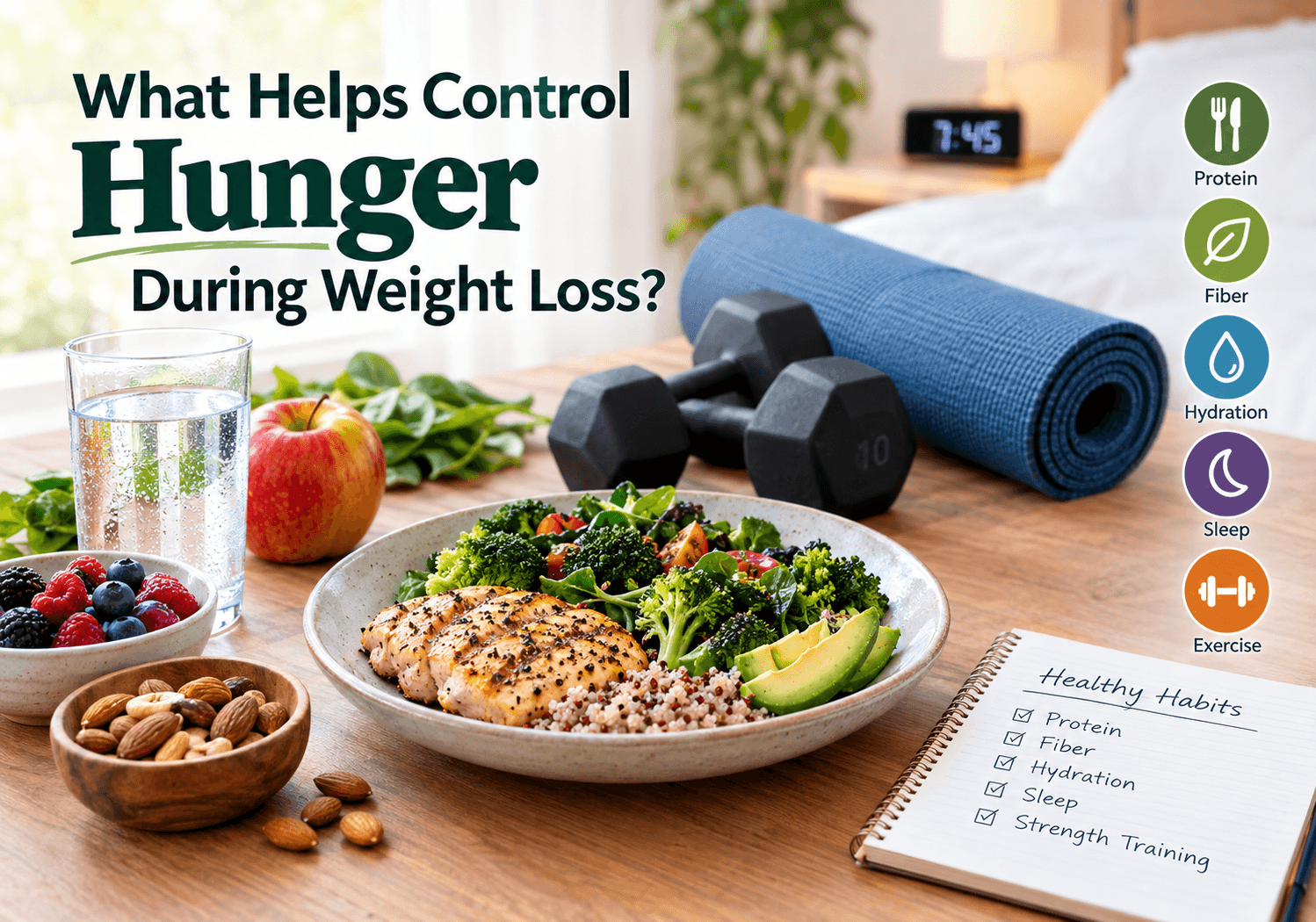
If you are wondering what helps control hunger during weight loss, you are not alone. Managing appetite is often the hardest part of shedding body fat. When you eat fewer calories, your body naturally fights back by increasing hunger signals. However, you do not have to white-knuckle your way through constant cravings. By leveraging specific nutritional strategies, targeted exercise, and lifestyle adjustments, you can manage your appetite effectively. This guide breaks down the science of satiety and provides actionable, coach-approved steps to keep you full, energized, and on track with your goals.
Quick Answer
The most effective ways to control hunger during weight loss include eating high-protein meals, increasing dietary fiber, staying consistently hydrated, prioritizing 7-9 hours of sleep, and engaging in regular resistance training. These strategies balance hunger hormones like ghrelin and leptin, keeping you full and energized while in a caloric deficit.
The Science Behind Hunger: What Helps Control Hunger During Weight Loss?
To beat hunger, you must first understand it. Hunger is not a sign of weak willpower; it is a complex biological survival mechanism. Your brain constantly monitors your energy stores and adjusts your appetite accordingly.
Two primary hormones drive this process: ghrelin and leptin. Ghrelin is often called the “hunger hormone.” It is produced mainly in the stomach and signals your brain that it is time to eat. Ghrelin levels typically rise before a meal and fall after you eat. Leptin, on the other hand, is the “satiety hormone.” It is produced by your fat cells and tells your brain that you have enough energy stored and do not need to eat.
When you enter a caloric deficit to lose weight, your body perceives this as a threat to its energy reserves. In response, it increases ghrelin production and decreases leptin sensitivity. This is why you feel hungrier when dieting.
However, research shows that certain dietary and lifestyle interventions can blunt this response. For example, the Harvard T.H. Chan School of Public Health notes that protein has a high thermic effect and strongly stimulates the release of satiety hormones like Peptide YY and GLP-1. Similarly, dietary fiber slows gastric emptying, physically keeping your stomach fuller for longer periods, as supported by data from the National Institutes of Health (NIH).
By manipulating these biological levers, you can answer the question of what helps control hunger during weight loss with concrete, scientific actions rather than guesswork.
Hunger Control Factors at a Glance
| Factor | Mechanism of Action | Practical Target |
| Protein Intake | Increases satiety hormones (GLP-1, PYY); highest thermic effect of food. | 0.8–1.0 grams per lb (1.8–2.2 g per kg) of body weight daily. |
| Dietary Fiber | Slows gastric emptying; adds physical volume to meals without calories. | 25–38 grams daily, focusing on soluble fiber. |
| Hydration | Distinguishes thirst signals from hunger; expands stomach volume temporarily. | 0.5–1.0 oz per lb (30–60 ml per kg) of body weight daily. |
| Sleep Quality | Regulates ghrelin and leptin balance; poor sleep spikes appetite. | 7–9 hours of uninterrupted sleep per night. |
| Resistance Training | Preserves lean muscle mass, maintaining metabolic rate and improving insulin sensitivity. | 2–4 sessions per week, targeting all major muscle groups. |

Practical Steps: What Helps Control Hunger During Weight Loss?
Knowing the science is only half the battle. As a strength and conditioning coach, I give my clients specific, actionable protocols to implement daily. Here is exactly how to apply these principles to your routine.
1. Prioritize Protein at Every Meal
Protein is the most satiating macronutrient. It requires more energy to digest than fats or carbohydrates, a phenomenon known as the thermic effect of food (TEF). More importantly, protein directly triggers the release of fullness hormones.
How to apply it: Aim for 0.8 to 1.0 grams of protein per pound (1.8 to 2.2 grams per kg) of your target body weight. If you weigh 150 lb (68 kg), aim for 120 to 150 grams of protein daily. Distribute this evenly across 3 to 4 meals. A meal containing 30 to 40 grams of protein is the sweet spot for maximizing satiety.
Coach’s Tip: Start your day with a high-protein breakfast. Studies show that a protein-rich breakfast reduces late-night snacking and overall daily calorie intake compared to a carb-heavy breakfast.
2. Maximize Dietary Fiber and Volume Eating
Fiber is a type of carbohydrate that your body cannot digest. It absorbs water and expands in your stomach, creating a physical sensation of fullness. Soluble fiber, in particular, forms a gel-like substance that slows down digestion and the absorption of nutrients, preventing rapid blood sugar spikes and crashes.
How to apply it: Target 25 to 38 grams of fiber per day. Incorporate high-volume, low-calorie foods into every meal. Examples include leafy greens, broccoli, berries, apples, oats, and legumes.
Common Mistake: Increasing fiber intake too quickly. This can cause bloating and gas. Increase your fiber intake gradually over 2 to 3 weeks, and drink plenty of water to help it move through your digestive tract.
3. Master Your Hydration Strategy
The brain’s hypothalamus regulates both thirst and hunger. These signals are very similar, and it is common to misinterpret mild dehydration as hunger pangs.
How to apply it: Drink 0.5 to 1.0 ounces of water per pound of body weight (30 to 60 ml per kg) daily. For a 160 lb (72 kg) individual, this equals 80 to 160 ounces (2.3 to 4.7 liters) of water. Additionally, drink 16 ounces (470 ml) of water 30 minutes before each meal. Research published in the Journal of the Academy of Nutrition and Dietetics indicates that pre-meal water consumption can enhance weight loss by promoting early satiety.
4. Stabilize Blood Sugar Levels
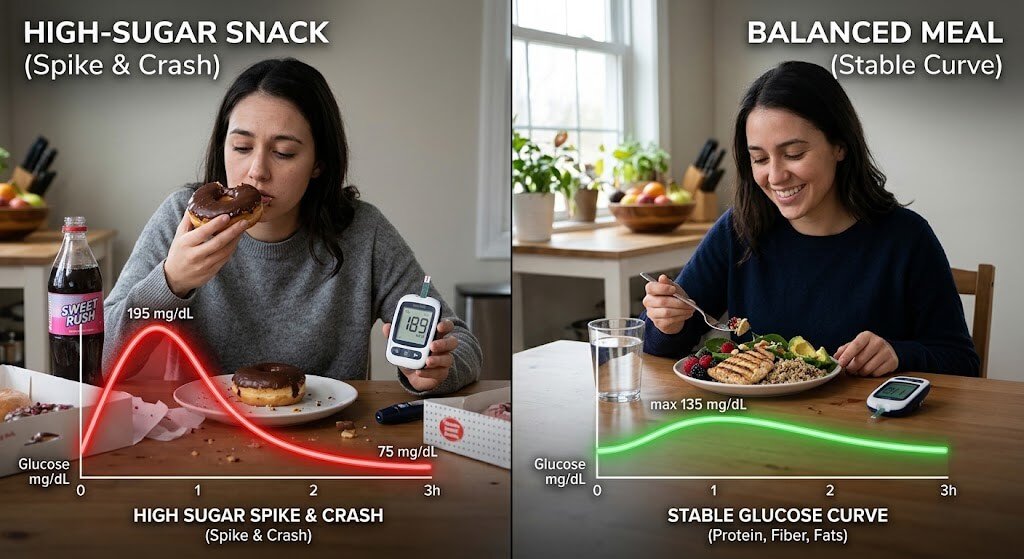
When you eat refined carbohydrates or sugary foods, your blood sugar spikes rapidly. Your body responds by releasing a large amount of insulin to clear the sugar from your blood. This often leads to a reactive hypoglycemia (a blood sugar crash), which triggers intense cravings and psychological hunger shortly after eating.
How to apply it: Pair carbohydrates with protein, healthy fats, or fiber to slow their absorption. For example, eat an apple with a handful of almonds, rather than the apple alone. Furthermore, improving insulin sensitivity through regular movement and whole foods can prevent the sharp crashes that trigger intense cravings. Certain trace minerals also play a role; for instance, supporting healthy glucose metabolism may help reduce sudden sugar urges when your diet is under stress.
The Role of Exercise in Appetite Regulation
Many people fear that exercise will make them hungrier. While acute, high-intensity cardio can temporarily spike appetite in some individuals, regular resistance training and moderate aerobic activity are powerful tools for long-term appetite control.
Exercise improves your body’s metabolic flexibility, allowing it to switch between burning carbohydrates and fats more efficiently. It also reduces stress, which lowers cortisol levels. High cortisol is strongly linked to abdominal fat storage and increased cravings for comfort foods.
Sample Hunger-Crushing Resistance Workout
Preserving lean muscle mass is critical during weight loss. Muscle tissue is metabolically active and helps maintain your resting metabolic rate. This full-body routine is designed to be performed 2 to 3 times per week, with at least one rest day between sessions.
| Exercise | Sets | Reps | Rest | Tempo |
| Goblet Squat | 3 | 8–12 | 90 sec | 3-1-1-0 |
| Dumbbell Romanian Deadlift (RDL) | 3 | 10–12 | 90 sec | 3-1-1-0 |
| Incline Dumbbell Press | 3 | 8–12 | 90 sec | 2-1-1-0 |
| Seated Cable Row | 3 | 10–15 | 60 sec | 2-1-1-0 |
| Plank | 3 | 30–60 sec | 60 sec | Hold |
Tempo Guide: 3 seconds lowering, 1 second pause, 1 second lifting, 0 seconds pause at the top.
How to Do the Key Movements
Goblet Squat: Hold a dumbbell or kettlebell vertically against your chest with both hands. Stand with feet shoulder-width apart. Push your hips back and bend your knees, keeping your chest up and back straight. Descend until your elbows touch the inside of your knees. Drive through your mid-foot to stand.
- Regression: Bodyweight squat down to a chair, tapping your glutes lightly before standing.
- Progression: Barbell front squat with a loaded barbell resting on your anterior deltoids.
Dumbbell Romanian Deadlift (RDL): Hold a dumbbell in each hand in front of your thighs. Keep a slight bend in your knees. Hinge at your hips, pushing them straight back as if trying to touch a wall behind you. Lower the weights along your legs until you feel a deep stretch in your hamstrings (usually just below the knee). Squeeze your glutes to return to the starting position.
- Regression: Kettlebell RDL using a single, lighter weight to master the hip hinge pattern.
- Progression: Barbell RDL with heavier loads, ensuring strict form.

Coach’s Tip: Focus on the mind-muscle connection. Do not just move the weight from point A to point B. Feel the target muscle working. This mindful approach not only improves results but also shifts your focus away from post-workout food cravings.
Common Mistake: Rounding the lower back during the RDL. This shifts the tension away from the hamstrings and places dangerous shear force on the lumbar spine. Keep your chest proud and your core braced throughout the movement.
For those looking to maximize their training sessions, understanding how L-citrulline helps produce nitric oxide can enhance workout performance, allowing you to train harder and preserve muscle mass while losing fat. Furthermore, maintaining healthy blood vessel function supports overall metabolic efficiency, ensuring your body utilizes energy effectively during a caloric deficit.
Lifestyle Factors: Sleep and Mindful Eating
Diet and exercise are only two pieces of the puzzle. Lifestyle factors often dictate whether your hunger hormones work for you or against you.
Prioritize Sleep Quality
The Centers for Disease Control and Prevention (CDC) explicitly links chronic sleep deprivation to weight gain and obesity. When you sleep less than 7 hours a night, your ghrelin levels surge, and your leptin levels plummet. A landmark study showed that sleep-deprived individuals consumed an average of 300 to 500 extra calories the following day, primarily from high-carbohydrate, high-fat snacks.
How to apply it:
- Aim for 7 to 9 hours of sleep per night.
- Keep your bedroom cool, around 65°F (18°C).
- Avoid screens (phones, TVs) for at least 60 minutes before bed to prevent blue light from suppressing melatonin production.
- Establish a consistent sleep and wake time, even on weekends.
Practice Mindful Eating
It takes approximately 20 minutes for your stomach to send fullness signals to your brain. If you inhale your food in 5 minutes while scrolling on your phone, you will likely overeat before your brain realizes you are full.
How to apply it:
- Sit down at a table to eat, without distractions.
- Chew each bite 15 to 20 times.
- Put your fork down between bites.
- Check in with your hunger scale halfway through the meal. Ask yourself, “Am I still physically hungry, or am I just eating because the food tastes good?”
Safety Notes and Medical Considerations
While the strategies outlined above are safe for the general population, weight loss and dietary changes can affect individuals differently.
- Pre-existing Conditions: If you have diabetes, hypoglycemia, or a history of eating disorders, consult a physician or registered dietitian before making significant changes to your macronutrient intake or caloric deficit.
- Joint Health: When increasing physical activity, such as adding daily walking or resistance training, ensure your joints are prepared. Understanding how many joints are in the human body and their functions can help you appreciate the need for proper warm-ups and form to prevent injury.
- Supplements: Be cautious with over-the-counter “appetite suppressants.” Many contain high levels of stimulants that can cause jitteriness, elevated heart rate, and sleep disruption. Always prioritize whole foods and lifestyle habits first.
This article is for general information and is not a substitute for advice from a doctor or physical therapist.
Frequently Asked Questions (FAQ)
Why am I so hungry when trying to lose weight?
Hunger during weight loss is a natural biological response. When you eat fewer calories, your body increases the production of ghrelin (the hunger hormone) and decreases leptin (the fullness hormone) to encourage you to eat more and protect its energy stores.
Does drinking water help with hunger pangs?
Yes. Thirst and hunger signals originate in the same part of the brain and are easily confused. Drinking 16 ounces of water before meals can stretch the stomach, triggering stretch receptors that signal fullness to the brain, thereby reducing overall calorie intake.
How does protein affect appetite during a diet?
Protein is the most satiating macronutrient. It requires more energy to digest (thermic effect) and directly stimulates the release of satiety hormones like GLP-1 and Peptide YY, which signal to your brain that you are full, reducing overall daily calorie consumption.
What are the best exercises to reduce cravings?
Resistance training is highly effective. It preserves lean muscle mass, which maintains your metabolic rate. Additionally, moderate-intensity steady-state cardio, like a 30-minute brisk walk (about 2 miles or 3.2 km), can reduce stress and lower cortisol, which is a major driver of emotional eating and sugar cravings.
Can lack of sleep cause increased hunger?
Absolutely. Sleeping less than 7 hours disrupts the balance of appetite-regulating hormones. It causes a spike in ghrelin and a drop in leptin. Studies show that sleep-deprived individuals naturally crave more high-calorie, carbohydrate-dense foods the following day.
Are natural appetite suppressants safe to use?
Whole-food “suppressants” like black coffee, green tea, and high-fiber foods are generally safe and effective. However, be cautious with concentrated supplement pills marketed as appetite suppressants, as they often contain unregulated stimulants that can cause anxiety, digestive issues, or heart palpitations.
Conclusion
Understanding what helps control hunger during weight loss is the key to long-term success. You do not need to rely on sheer willpower or starve yourself. By strategically increasing your protein and fiber intake, staying properly hydrated, prioritizing quality sleep, and engaging in consistent resistance training, you can work with your body’s biology rather than against it.
Implement these evidence-based strategies one at a time. Start by adding a serving of protein to your breakfast, or commit to drinking a glass of water before your next meal. Small, sustainable changes compound over time, leading to lasting fat loss without the misery of constant hunger.