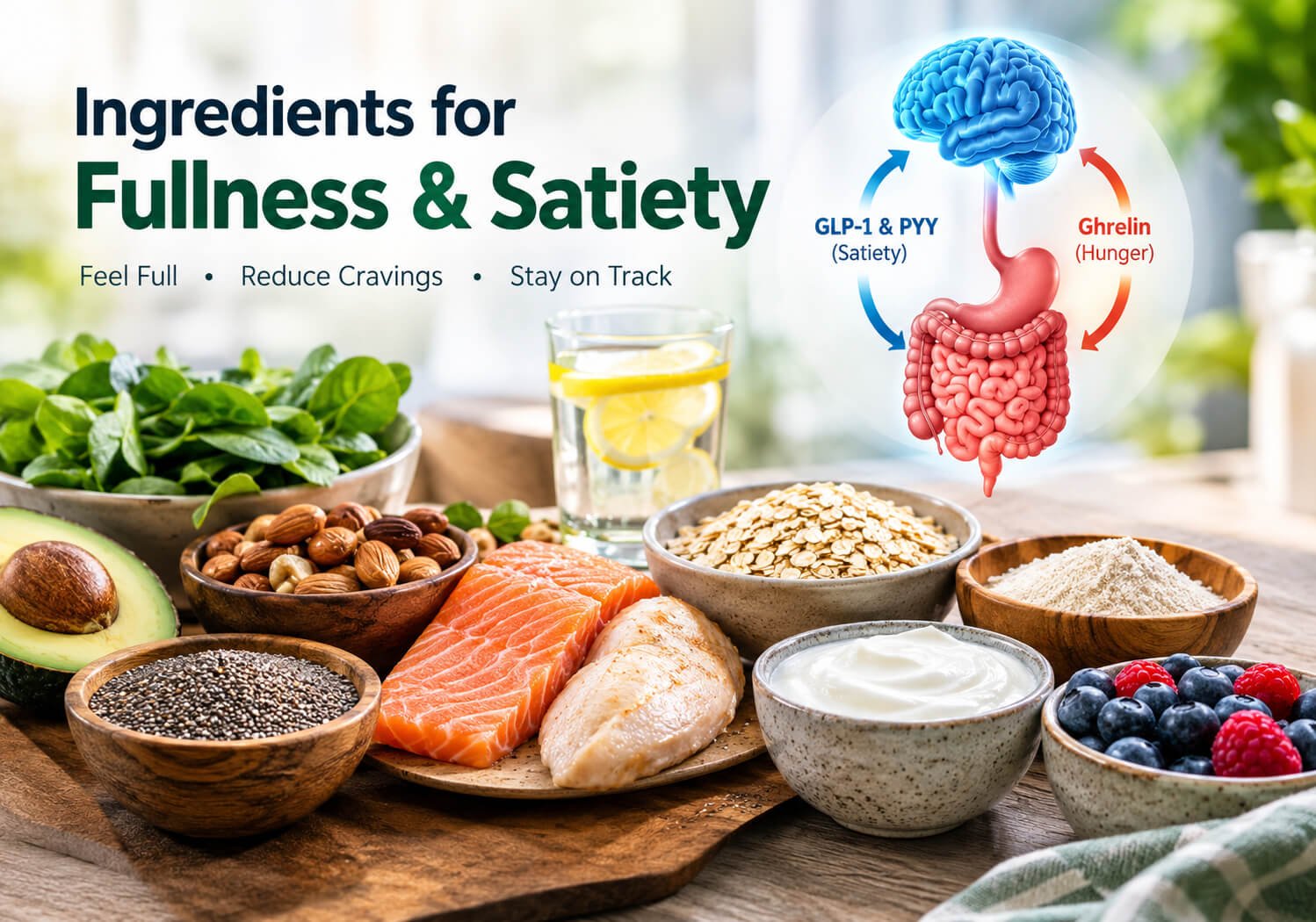
Determining which ingredients support fullness and satiety is the most critical step for anyone trying to manage their weight without feeling starved. As a strength and conditioning coach, I see clients struggle not with knowing what exercises to do, but with managing hunger while in a calorie deficit. The secret is not willpower. The secret is biology. By choosing the right nutrients, you can hack your body’s natural hunger signals to stay satisfied, energized, and on track with your fitness goals.
This guide breaks down the exact science of appetite regulation. We will explore the top evidence-based ingredients that keep you full. You will learn how to apply them to your daily meals, how exercise interacts with your hunger hormones, and how to avoid common dietary pitfalls. Let us build a sustainable, hunger-free approach to your body composition goals.
Quick Answer:
The most effective ingredients for fullness and satiety are high-quality proteins (like whey and casein), soluble fibers (such as psyllium husk and glucomannan), and healthy fats (including omega-3s and MCT oil). These nutrients slow gastric emptying, stabilize blood sugar, and trigger the release of satiety hormones like GLP-1 and peptide YY, helping you naturally reduce calorie intake without feeling deprived.
The Science of Satiety: How Your Body Signals Fullness
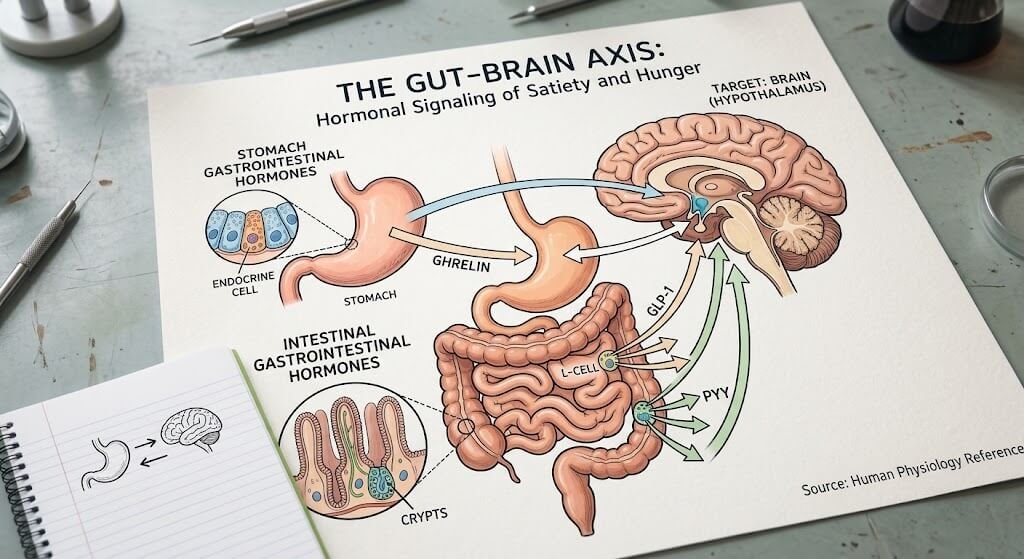
To understand which ingredients support fullness and satiety, you must first understand the gut-brain axis. Your digestive system and your brain are in constant communication. This conversation is managed by a complex network of hormones that either stimulate hunger or promote fullness.
The primary “hunger hormone” is ghrelin. It is produced mainly in the stomach and increases before meals, signaling your brain that it is time to eat. After you consume food, ghrelin levels should drop. Conversely, “satiety hormones” like leptin, cholecystokinin (CCK), glucagon-like peptide-1 (GLP-1), and peptide YY (PYY) are released in response to nutrient intake. Leptin is produced by fat cells and signals long-term energy stores to the brain. CCK, GLP-1, and PYY are released by the intestines when food, particularly protein and fiber, enters the digestive tract.
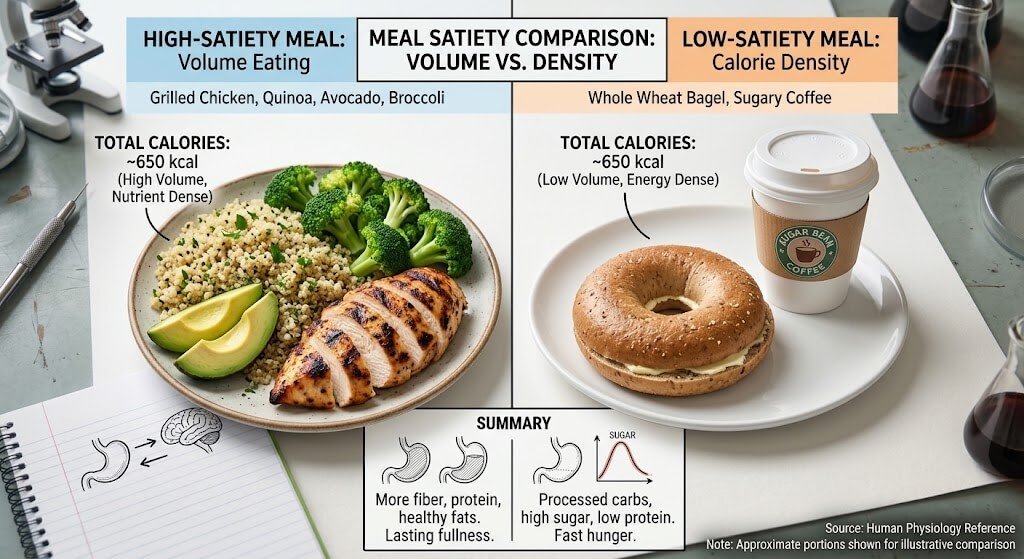
When you eat foods with high energy density but low nutrient density (like sugary snacks), they digest rapidly. This causes a quick spike in blood sugar, followed by a sharp crash. This crash triggers a surge in ghrelin, making you feel hungry again within an hour.
On the other hand, ingredients that promote satiety work through three main mechanisms:
- Slowing Gastric Emptying: They physically delay the rate at which food leaves your stomach, keeping you feeling physically full.
- Hormonal Modulation: They stimulate the release of CCK, GLP-1, and PYY while suppressing ghrelin.
- Blood Sugar Stabilization: They prevent rapid spikes and crashes in glucose and insulin, which are primary drivers of false hunger signals. Supporting healthy glucose metabolism is a key piece of this puzzle, as stable blood sugar prevents sudden, intense cravings.
Top Ingredients That Support Fullness and Satiety
Based on clinical research and practical coaching experience, these are the most powerful ingredients you can add to your diet to control appetite.
1. High-Quality Protein (Whey, Casein, and Lean Meats)
Protein is universally recognized as the most satiating macronutrient. Research consistently shows that protein reduces hunger and increases feelings of fullness more effectively than carbohydrates or fats. This is largely due to the Thermic Effect of Food (TEF). Your body burns 20% to 30% of the calories in protein just to digest and metabolize it, compared to 5% to 10% for carbs and 0% to 3% for fats.
- Whey Protein: A fast-digesting protein that rapidly spikes amino acid levels in the blood, strongly stimulating the release of satiety hormones like GLP-1.
- Casein Protein: A slow-digesting protein that forms a gel in the stomach, providing a prolonged feeling of fullness. It is ideal for nighttime or between meals.
- Practical Application: Aim for 20 to 30 grams of protein per meal. For example, 4 oz (113 g) of chicken breast or one scoop of protein powder provides this amount.
2. Soluble and Viscous Fiber (Psyllium, Glucomannan, Oats)
Not all fiber is created equal. Soluble fiber dissolves in water to form a thick, viscous gel in your digestive tract. This gel physically slows down the digestion and absorption of nutrients, extending the time your stomach remains distended and full.
- Glucomannan: Derived from the konjac root, this is one of the most viscous dietary fibers known. It can absorb up to 50 times its weight in water.
- Psyllium Husk: A gentle, highly effective soluble fiber that promotes regularity and sustained fullness.
- Beta-Glucan: Found abundantly in oats and barley, this fiber is proven to enhance satiety and improve metabolic health.
- Practical Application: Start with 5 grams of soluble fiber per day and gradually increase to 10–15 grams, always consumed with at least 16 oz (473 ml) of water to prevent gastrointestinal blockage.

3. Healthy Fats (Omega-3s and MCT Oil)
While fat is calorie-dense, the right kinds of fat are powerful appetite suppressants. Dietary fat stimulates the release of cholecystokinin (CCK) from the small intestine. CCK is a potent hormone that signals the brain to stop eating.
- Medium-Chain Triglycerides (MCTs): Found in coconut oil, MCTs are unique because they are rapidly absorbed and transported to the liver, where they can be converted into ketones. Studies suggest MCT oil increases the release of peptide YY and leptin more than longer-chain fats.
- Omega-3 Fatty Acids: Found in fatty fish, chia seeds, and walnuts, omega-3s help reduce systemic inflammation, which is often linked to leptin resistance (a state where the brain ignores fullness signals).
- Practical Application: Include 1 to 2 tablespoons of healthy fats per meal. For example, add half an avocado (approx. 150 g) or 1 oz (28 g) of almonds to your lunch.
4. Water and Hydration
Often overlooked, water is a critical ingredient for satiety. Drinking water before and during meals increases gastric distension. This physical stretching of the stomach wall activates stretch receptors that send immediate fullness signals to the brain via the vagus nerve.
- Practical Application: Drink 16 to 20 oz (473 to 591 ml) of water 30 minutes before your main meals. This simple habit has been shown in clinical trials to reduce subsequent calorie intake by up to 13%.
5. Blood Sugar Regulators (Inositol and Chromium)
While not macronutrients, certain compounds play a vital supportive role in appetite control by managing the insulin response. When your blood sugar crashes, your body panics and demands quick energy, usually in the form of sugar or refined carbs.
Improving overall metabolic health through better insulin sensitivity can help regulate the hormones that control your appetite, preventing these destructive hunger cycles. Furthermore, adequate hydration and compounds that assist in producing nitric oxide can enhance circulation, aiding in both workout performance and the efficient delivery of these satiety-promoting nutrients to your tissues.
Satiety-Boosting Ingredients Comparison Table
| Ingredient | Primary Mechanism | Best Food Sources | Estimated Satiety Impact | Coach’s Note |
| Whey Protein | Rapid GLP-1 release, high TEF | Greek yogurt, whey isolate powder | Very High (Short-term) | Best for post-workout or breakfast to stop mid-morning snacking. |
| Casein Protein | Slow gastric emptying, gel formation | Cottage cheese, casein powder | High (Long-term) | Ideal as a睡前 snack to prevent late-night hunger. |
| Glucomannan | Extreme water absorption, viscous gel | Konjac root supplements, shirataki noodles | Very High | Must be taken with plenty of water to avoid choking or blockage. |
| Oats (Beta-Glucan) | Slows carbohydrate digestion | Steel-cut oats, rolled oats | Moderate to High | Pair with protein to maximize the fullness effect. |
| MCT Oil | Stimulates CCK and PYY release | Coconut oil, pure MCT oil supplements | Moderate | Start with 1 tsp to avoid digestive upset; do not cook at high heat. |
| Water | Gastric distension, stretch receptors | Plain water, herbal tea, water-rich veggies | Moderate | Drink 16 oz (473 ml) 30 minutes before eating for best results. |
How to Apply These Ingredients in Your Daily Routine
Knowing the science is only half the battle. As a coach, I need you to know how to build these ingredients into real, practical meals. Here is a step-by-step guide to structuring your day for maximum satiety.
Step 1: Anchor Every Meal with Protein
Never eat a carbohydrate by itself. Always pair it with a protein source. If you are having an apple, pair it with 1 oz (28 g) of almonds or a string cheese. This blunts the insulin spike and keeps you full.
Step 2: Prioritize Fiber at Breakfast
Breakfast sets the tone for your hunger hormones all day. A breakfast high in refined carbs (like cereal or toast) guarantees a mid-morning crash. Instead, opt for ½ cup (40 g) of rolled oats cooked with water, mixed with one scoop of whey protein and a tablespoon of chia seeds.
Step 3: Use Volume Eating for Lunch and Dinner
Volume eating means choosing foods that are large in physical size but low in calories. Vegetables are your best friend here. Fill half your plate with non-starchy vegetables like spinach, broccoli, or zucchini. These foods are high in water and fiber, physically filling your stomach without blowing your calorie budget.
Coach’s Tip:
Pre-load your meals with a glass of water and a small, fiber-rich appetizer, like a side salad with vinegar dressing. The acetic acid in vinegar has been shown to further slow gastric emptying, while the water and fiber physically stretch the stomach, leading you to eat less of the main course without feeling deprived.
Common Mistake:
Drinking your calories. Smoothies and juices can be healthy, but blending or juicing breaks down the fiber matrix of the food. This allows the calories to pass through the stomach much faster than chewing whole food. If you drink a smoothie, ensure it is packed with protein powder, chia seeds, and spinach, and treat it as a meal, not a beverage.
The Role of Exercise in Enhancing Satiety Signals
Nutrition does not exist in a vacuum. Your physical activity levels directly influence your hunger hormones. While it is a myth that exercise universally “makes you hungrier,” the type and timing of your exercise matter greatly.
Resistance Training and Appetite
Acute bouts of resistance training (weight lifting) have been shown to temporarily suppress ghrelin (the hunger hormone) while increasing peptide YY and GLP-1. A standard hypertrophy workout—such as 3 sets of 8 to 12 reps on compound movements like squats, deadlifts, and bench presses—takes about 45 to 60 minutes. This type of training not only burns calories but also signals your body to preserve lean muscle mass.
When you are in a calorie deficit, preserving muscle is critical. Muscle tissue is metabolically active and helps maintain a healthy resting metabolic rate. Furthermore, engaging in regular resistance training helps maintain robust joint anatomy and function, which is vital for long-term mobility and your ability to stay active as you manage your weight.
Cardiovascular Exercise and Appetite
Steady-state cardio (like jogging or cycling for 30 to 45 minutes) can sometimes increase appetite in the hours following the workout, as the body attempts to replenish glycogen stores. To mitigate this, ensure you consume a protein-rich snack within 60 minutes post-cardio.
For beginners, a simple progression plan works best:
- Regression (Easier): Start with 20 minutes of brisk walking (3 miles or 4.8 km per hour) three times a week. Focus on consistency.
- Progression (Harder): Advance to 30–40 minutes of moderate-intensity cycling or rowing, incorporating 1-minute high-intensity intervals every 5 minutes to boost metabolic demand without excessively spiking hunger.
Maintaining robust healthy blood vessel function ensures that nutrients are efficiently delivered to your tissues during these workouts, supporting your overall fitness and recovery goals.

Safety Notes and Who Should Be Careful
While increasing satiety-boosting ingredients is generally safe and highly beneficial, there are important safety considerations to keep in mind.
- Gastrointestinal Distress: Rapidly increasing your fiber intake, especially from supplements like glucomannan or psyllium husk, can cause severe bloating, gas, and constipation. Always increase fiber gradually over a period of 2 to 3 weeks.
- Hydration is Mandatory: Soluble fiber acts like a sponge. If you consume high fiber without adequate water, it can harden in the digestive tract and cause a blockage. For every 5 grams of added fiber, drink an additional 8 oz (236 ml) of water.
- Food Allergies and Intolerances: Whey protein contains dairy. If you are lactose intolerant, opt for a whey isolate (which has most lactose removed) or a plant-based alternative like pea protein, which also offers strong satiety benefits.
- Medical Conditions: If you have a history of gastrointestinal disorders (like IBS or gastroparesis), diabetes, or are taking medications that affect blood sugar, consult your healthcare provider before making significant changes to your fiber or supplement intake.
Related Tips for Sustainable Weight Management
Controlling hunger is about more than just the food on your plate. Your lifestyle habits profoundly impact your hunger hormones.
- Prioritize Sleep: Sleep deprivation is a proven appetite stimulant. When you sleep less than 7 hours a night, your body produces more ghrelin and less leptin. A single night of poor sleep can increase cravings for high-calorie, sugary foods by up to 30%. Aim for 7 to 9 hours of quality sleep per night.
- Manage Stress: Chronic stress elevates cortisol levels. High cortisol is directly linked to increased appetite and a specific craving for “comfort foods” high in fat and sugar. Incorporate 10 minutes of daily deep breathing, meditation, or light walking to keep cortisol in check.
- Practice Mindful Eating: It takes approximately 20 minutes for the satiety signals from your gut to reach your brain. If you eat quickly, you can easily consume 500 extra calories before your brain realizes you are full. Put your fork down between bites, chew thoroughly, and eliminate distractions like phones or television during meals.
Frequently Asked Questions (FAQ)
What is the most filling macronutrient?
Protein is the most filling macronutrient. It has the highest Thermic Effect of Food (TEF), meaning your body burns more calories digesting it. It also directly stimulates the release of satiety hormones like GLP-1 and peptide YY while suppressing the hunger hormone ghrelin more effectively than carbs or fats.
How does fiber increase feelings of fullness?
Soluble fiber absorbs water in the digestive tract to form a thick, viscous gel. This gel physically slows down the rate of gastric emptying, meaning food stays in your stomach longer. This prolonged stomach distension sends continuous fullness signals to the brain via the vagus nerve.
Does drinking water before meals help with satiety?
Yes. Drinking 16 to 20 oz (473 to 591 ml) of water about 30 minutes before a meal increases gastric distension. This physical stretching of the stomach activates stretch receptors that signal the brain to reduce appetite, often leading to a natural reduction in calorie intake during the meal.
Which protein powder keeps you full the longest?
Casein protein keeps you full the longest. Unlike whey, which digests rapidly, casein coagulates in the stomach to form a slow-digesting gel. This provides a steady, prolonged release of amino acids and sustains feelings of fullness for several hours, making it an excellent choice for a bedtime snack.
Are healthy fats good for appetite control?
Yes, healthy fats are excellent for appetite control. Dietary fats stimulate the small intestine to release cholecystokinin (CCK), a potent hormone that signals the brain to stop eating. Fats like MCT oil and omega-3s also help stabilize blood sugar, preventing the crashes that trigger sudden hunger.
How long does it take for satiety signals to reach the brain?
It takes approximately 20 minutes for satiety signals from the gut to reach the brain. Hormones like CCK, GLP-1, and PYY must be released, travel through the bloodstream, and interact with the hypothalamus. This is why eating slowly is a highly effective strategy for portion control.
Conclusion
When asking which ingredients support fullness and satiety, remember that the answer lies in a strategic combination of protein, soluble fiber, and healthy fats. These are not magic pills; they are fundamental biological tools. By prioritizing high-quality protein to boost your metabolic rate, adding viscous fiber to slow digestion, and including healthy fats to trigger hormonal fullness signals, you can easily manage your appetite.
Pair these nutritional strategies with consistent resistance training, adequate hydration, and quality sleep. You will find that managing your weight is no longer a battle of willpower against hunger, but a sustainable, energizing lifestyle. Build your meals around these principles, and your body will naturally guide you toward your fitness goals.