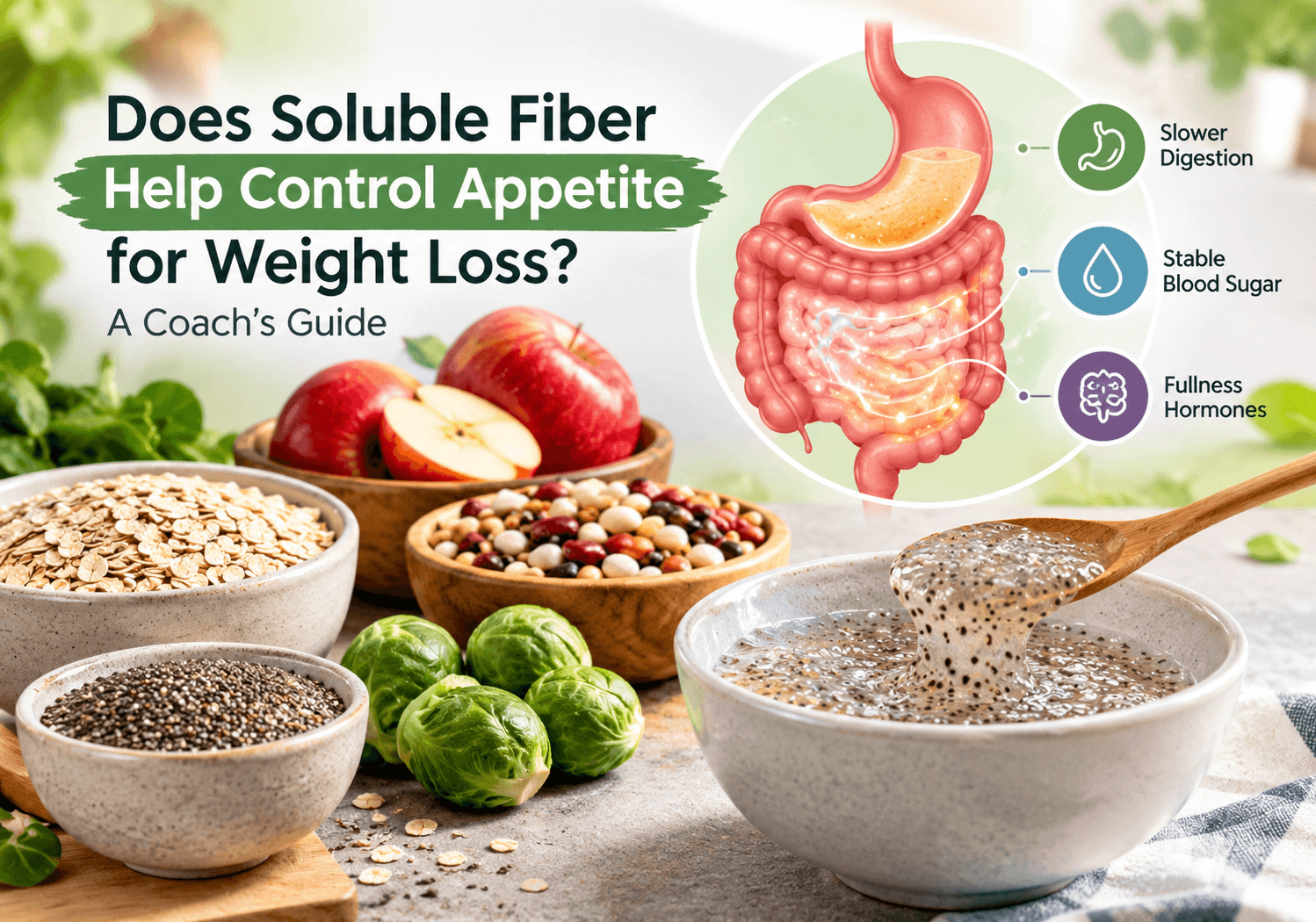
Managing hunger is often the hardest part of any weight loss journey. When you reduce calories, your body naturally signals that it wants more food. This is where dietary strategy becomes your most powerful tool. If you are wondering, “Does soluble fiber help control appetite for weight loss?” the short answer is a definitive yes. Soluble fiber is a proven, science-backed nutrient that slows digestion, stabilizes blood sugar, and triggers powerful satiety hormones in your gut.
As a strength and conditioning coach, I see clients struggle with hunger pangs that derail their progress. Adding the right types of fiber to your meals is not about starvation; it is about working with your body’s biology to feel full, energized, and satisfied. This guide breaks down exactly how soluble fiber works, which foods deliver the best results, and how to build a practical, sustainable eating and training plan around it.
Quick Answer
Yes, soluble fiber helps control appetite for weight loss. It dissolves in water to form a thick, gel-like substance in your digestive tract. This slows gastric emptying, stabilizes blood sugar spikes, and increases the release of fullness hormones like GLP-1 and peptide YY. Aim for 5 to 10 grams of soluble fiber daily as part of a total 25 to 38 grams of total fiber to support sustainable weight management.
The Science Behind Soluble Fiber and Satiety
To understand why fiber works, we must look at what happens inside your digestive system. Dietary fiber is a type of carbohydrate that your body cannot fully digest. Unlike sugars and starches, which break down into glucose and absorb into the bloodstream, fiber passes through the stomach and intestines relatively intact.
Soluble fiber, specifically, dissolves in water. When it mixes with fluids in your gut, it forms a viscous, gel-like matrix. According to research published by the National Institutes of Health (NIH), this viscosity is the primary mechanism behind appetite suppression. The gel physically slows down the rate at which your stomach empties its contents into the small intestine.
Because digestion is slowed, nutrients are absorbed more gradually. This prevents the rapid spikes and subsequent crashes in blood glucose that typically trigger intense cravings and hunger shortly after eating. Furthermore, when soluble fiber reaches the large intestine, it acts as a prebiotic. Your gut bacteria ferment this fiber, producing short-chain fatty acids (SCFAs) like acetate, propionate, and butyrate. These SCFAs directly communicate with your brain to signal that you are full, effectively turning down your body’s hunger drive.
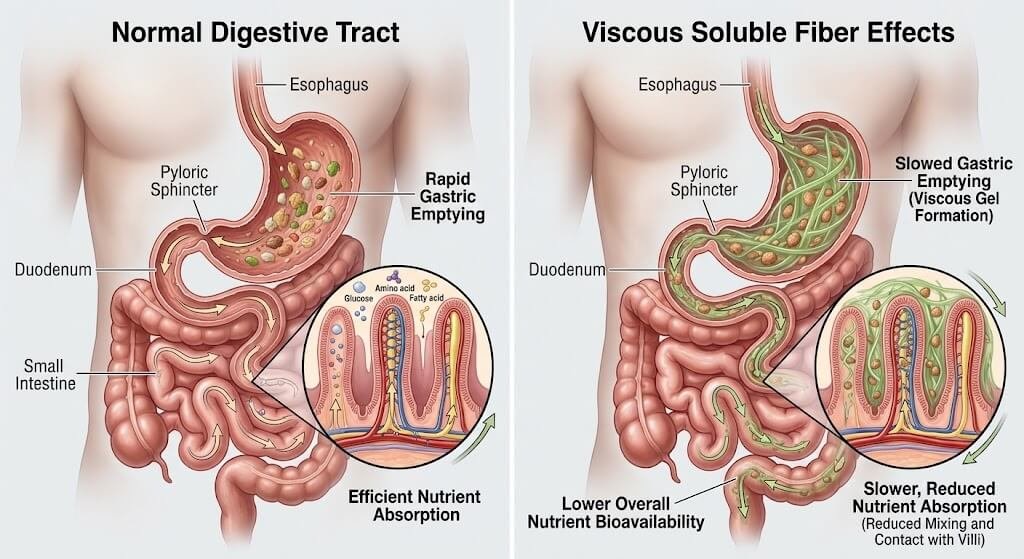
How Soluble Fiber Controls Appetite: 3 Key Mechanisms
Understanding the biological levers fiber pulls can help you apply this knowledge more effectively to your daily routine. Here are the three primary ways soluble fiber manages hunger:
1. Mechanical Stretch and Gastric Emptying
The gel formed by soluble fiber increases the volume of the food in your stomach without adding significant calories. This physical stretch activates mechanoreceptors in the stomach wall, sending immediate “fullness” signals via the vagus nerve to the brain. A study in the Journal of the American College of Nutrition notes that higher viscosity fibers significantly delay gastric emptying, keeping you satisfied for hours after a meal.
2. Hormonal Regulation (GLP-1 and PYY)
Your gut is an endocrine organ. When fermented soluble fiber produces short-chain fatty acids, it stimulates the L-cells in your intestines to release peptide YY (PYY) and glucagon-like peptide-1 (GLP-1). GLP-1 is the same hormone targeted by popular weight loss medications, though fiber achieves this naturally and gently. These hormones slow digestion further and directly act on the hypothalamus to reduce appetite.
3. Blood Sugar Stabilization
Rapidly digested carbohydrates cause a surge in blood sugar, followed by a sharp drop (reactive hypoglycemia). This drop is a major trigger for cravings, especially for sugary or high-fat foods. By slowing carbohydrate absorption, soluble fiber keeps blood glucose levels steady. For individuals also focusing on metabolic health, combining fiber with strategies that support glucose metabolism can create a highly effective, multi-layered approach to managing energy and hunger throughout the day.
Soluble vs. Insoluble Fiber: What’s the Difference?
Not all fiber is created equal when it comes to appetite control. While both types are essential for overall health, they serve different functions.
| Feature | Soluble Fiber | Insoluble Fiber |
| Reaction to Water | Dissolves and forms a gel. | Does not dissolve; absorbs water and adds bulk. |
| Primary Benefit | Slows digestion, lowers cholesterol, controls appetite. | Prevents constipation, promotes regular bowel movements. |
| Effect on Hunger | High (delays gastric emptying). | Moderate (adds physical bulk to meals). |
| Best Food Sources | Oats, chia seeds, apples, beans, Brussels sprouts. | Whole wheat bran, nuts, cauliflower, green beans. |
| Fermentation | Highly fermentable by gut bacteria. | Less fermentable (varies by source). |
For weight loss and appetite control, soluble fiber is the star player. However, a healthy diet requires both. The Academy of Nutrition and Dietetics recommends a total daily fiber intake of 25 grams for women and 38 grams for men, with a healthy mix of both types.

Top Soluble Fiber Foods for Appetite Suppression
You do not need expensive supplements to get the benefits of soluble fiber. Whole foods provide a matrix of vitamins, minerals, and phytonutrients that work synergistically. Here are the most effective, evidence-based sources.
| Food Source | Serving Size | Soluble Fiber (approx.) | Total Fiber | Coach’s Note |
| Black Beans | 1 cup (172g) cooked | 5.4 g | 15 g | Excellent for meal prep; pairs well with lean proteins. |
| Brussels Sprouts | 1 cup (156g) cooked | 2.0 g | 4 g | Roast at 400°F (200°C) for 25 mins to improve taste. |
| Avocado | 1 medium (150g) | 2.1 g | 10 g | Also provides healthy monounsaturated fats for satiety. |
| Chia Seeds | 1 oz (28g / 2 tbsp) | 5.0 g | 10 g | Absorbs 10x its weight in water; perfect for puddings. |
| Oats (Rolled) | 1 cup (81g) dry | 2.0 g | 8 g | Choose old-fashioned or steel-cut over instant varieties. |
| Flaxseeds | 1 tbsp (7g) ground | 0.6 g | 2 g | Must be ground to access the fiber and omega-3s. |
| Apples (with skin) | 1 medium (182g) | 1.0 g | 4.5 g | Pectin in apples is a highly viscous, effective fiber. |
| Psyllium Husk | 1 tbsp (5g) | 4.0 g | 5 g | A potent supplement; must be taken with ample water. |
Coach’s Tip: Start small. If you currently eat 10 grams of fiber a day, do not jump to 30 grams tomorrow. Add one high-fiber food per day (like a half-cup of black beans to your lunch) and increase your intake by 3 to 5 grams per week. This prevents severe bloating and gas.
How to Apply It: A Practical Daily Routine
Knowing the science is only half the battle. As a coach, I design actionable plans for my clients. Here is a sample daily routine designed to maximize soluble fiber intake, control appetite, and support an active lifestyle.
Sample High-Fiber Day for Weight Loss
Note: Portions are based on an average adult. Adjust total calories to match your specific basal metabolic rate and activity level.
- Breakfast (7:30 AM):
- 1/2 cup (40g) dry rolled oats cooked in water or unsweetened almond milk.
- 1 tbsp (7g) ground flaxseed stirred in.
- 1/2 cup (75g) fresh blueberries.
- Why it works: Oats and flax provide a viscous gel that slows morning digestion, preventing mid-morning cravings.
- Mid-Morning Snack (10:30 AM):
- 1 medium apple with 1 tbsp (16g) natural peanut butter.
- Why it works: The pectin in the apple combines with the fat and protein in peanut butter for sustained energy.
- Lunch (1:00 PM):
- Large mixed greens salad with 1/2 cup (80g) cooked chickpeas, 1/4 avocado, and grilled chicken breast (4 oz / 113g).
- Why it works: Chickpeas and avocado deliver a double dose of soluble fiber and healthy fats, keeping you full through the afternoon.
- Pre-Workout Snack (3:30 PM):
- 1 small banana and a hard-boiled egg.
- Why it works: Easily digestible carbs for energy, with minimal fiber right before training to avoid gastrointestinal distress.
- Dinner (6:30 PM):
- 5 oz (140g) baked salmon.
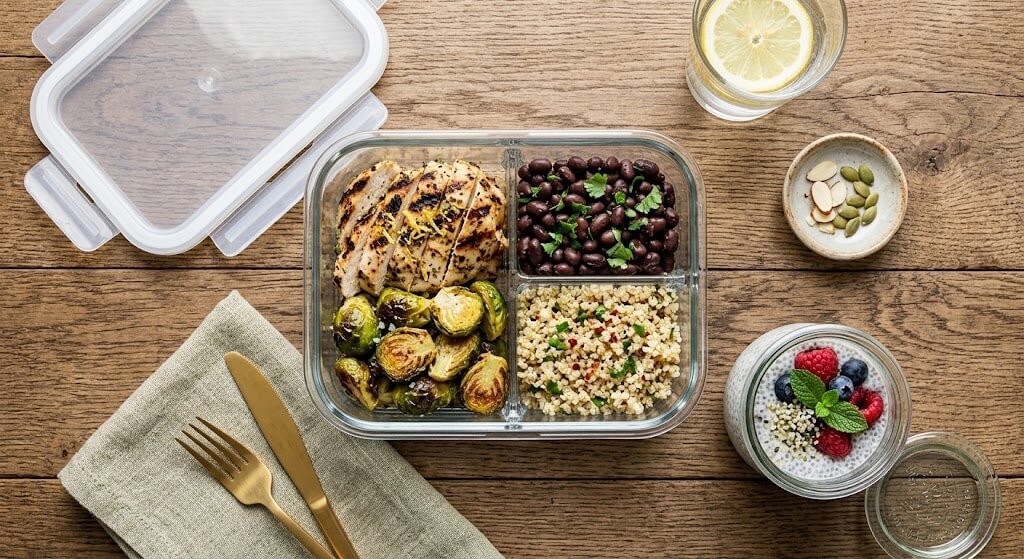
- 1 cup (156g) roasted Brussels sprouts.
- 1/2 cup (90g) cooked quinoa.
- Why it works: Brussels sprouts provide evening soluble fiber, promoting overnight gut fermentation and morning regularity.
Hydration and Safety Notes: The Non-Negotiable Rules
Fiber is not a magic pill; it requires specific conditions to work safely and effectively. The most critical factor is water.
The Hydration Math
Soluble fiber acts like a sponge. If you eat high-fiber foods without drinking enough water, the fiber can harden in your digestive tract, leading to severe constipation, cramping, and bloating.
- Rule of Thumb: Aim for at least 0.5 to 1 fluid ounce of water per pound of body weight daily. For a 150 lb (68 kg) individual, this equals 75 to 150 fluid ounces (about 9 to 18 cups) of water per day.
- Supplement Rule: If you use a fiber supplement like psyllium husk, always mix it with at least 8 to 12 ounces (240 to 350 ml) of water and drink an additional glass of water immediately afterward.
Common Mistake: Ignoring the “Fiber Gap” Transition
Many people experience stomach pain when starting a high-fiber diet because they increase their intake too rapidly. Your gut microbiome needs time to adapt and populate the specific bacteria required to ferment new fibers.
- The Fix: Increase your intake by no more than 5 grams per week. If you experience bloating, scale back to the previous tolerated amount for a few days before trying again.
Who Should Be Careful?
While fiber is beneficial for most, individuals with certain gastrointestinal conditions (such as Irritable Bowel Syndrome (IBS), Small Intestinal Bacterial Overgrowth (SIBO), or strictures) may tolerate high-FODMAP soluble fibers poorly. If you have a diagnosed digestive disorder, consult a registered dietitian or gastroenterologist before making drastic dietary changes. Furthermore, fiber can bind to certain medications, reducing their absorption. Take prescription medications at least one hour before or two to four hours after consuming high-fiber meals or supplements.
Workout Integration and Metabolic Synergy
Diet and exercise are not separate entities; they work together. When you combine a high-soluble-fiber diet with a structured strength training program, you create a powerful metabolic environment for fat loss.
Preserving Muscle While Losing Fat
A caloric deficit is required for weight loss, but it can also lead to muscle loss. Strength training signals your body to retain lean mass. Soluble fiber supports this by ensuring you feel full on fewer calories, making it easier to maintain the deficit without bingeing.
Timing Fiber Around Workouts
While fiber is great for satiety, it slows digestion. Eating a massive, high-fiber meal immediately before a workout can cause cramping, nausea, and sluggish performance because blood is diverted to your gut instead of your working muscles.
- Pre-Workout (1–2 hours before): Keep fiber low (under 5 grams). Focus on simple carbs and lean protein (e.g., a banana and a scoop of whey protein).
- Post-Workout: This is an excellent time to introduce soluble fiber. Your body is primed to replenish glycogen, and the fiber will help moderate the insulin response, providing steady energy recovery. A post-workout smoothie with spinach, a small apple, and protein powder is an ideal choice.
The Cardiovascular Connection
Weight loss and high-fiber diets are well-known to improve cardiovascular markers, such as lowering LDL cholesterol. Cardiovascular health is deeply tied to overall metabolic function and circulation. While dietary fiber works systemically to improve heart health, maintaining optimal circulation is also vital for workout recovery and performance. Understanding how certain compounds contribute to healthy blood vessel function can complement your dietary strategy, ensuring your body efficiently delivers oxygen and nutrients to working muscles during your training sessions.
Additionally, research into metabolic health often explores various nutritional aids. For example, while fiber naturally helps regulate blood sugar, some individuals explore how inositol and insulin sensitivity interact to further optimize metabolic responses to diet and exercise.

Frequently Asked Questions (FAQ)
1. How much soluble fiber should I eat daily to lose weight? Aim for 5 to 10 grams of soluble fiber per day as part of a total daily fiber intake of 25 grams (women) or 38 grams (men). Research suggests that every 14-gram increase in total daily fiber is linked to a 10% decrease in calorie intake and modest weight loss over time.
2. Does fiber make you feel full faster? Yes. Soluble fiber absorbs water and expands in your stomach, creating physical bulk. This stretches the stomach walls, triggering mechanoreceptors that send immediate satiety signals to your brain, helping you feel full faster and eat less overall.
3. Can too much soluble fiber cause weight gain? Fiber itself has negligible calories and cannot directly cause fat gain. However, if you consume high-fiber foods that are also very calorie-dense (like large amounts of nuts, avocados, or sugary high-fiber bars), the total caloric surplus can lead to weight gain. Always monitor total portion sizes.
4. How long does it take for fiber to suppress appetite? The mechanical effects of soluble fiber begin within 30 to 60 minutes of eating as it forms a gel in the stomach. The hormonal effects (release of GLP-1 and PYY) peak a few hours after digestion reaches the large intestine, providing sustained fullness for 3 to 5 hours post-meal.
5. What is the best time of day to eat soluble fiber for weight loss? The most strategic times are at breakfast and lunch. Consuming viscous fiber early in the day stabilizes blood sugar and prevents the mid-morning and afternoon cravings that typically derail diet plans. Keep pre-workout meals lower in fiber to avoid GI distress.
6. Are soluble fiber supplements as effective as whole foods? Supplements like psyllium husk or glucomannan can be effective tools for reaching daily fiber goals and have been shown to aid appetite control. However, whole foods are superior because they provide a complex matrix of vitamins, minerals, and phytonutrients that supplements lack. Use supplements to fill gaps, not replace meals.
Related Tips for Long-Term Success
- Read Nutrition Labels: Look at the “Dietary Fiber” line. While labels do not separate soluble and insoluble fiber, foods with higher total fiber (like beans and oats) are generally rich in soluble fiber.
- Beware of “Fiber-Enriched” Junk Food: Some processed snacks add isolated fibers (like inulin or chicory root) to boost the fiber count. These can cause severe gas and bloating in some people and do not offer the same satiety benefits as whole-food matrices.
- Track Your Progress: Use a food tracking app for one week to establish your baseline fiber intake. Most adults consume only 15 grams per day, well below the recommended amount.
- Synergistic Nutrients: While fiber is foundational, a holistic approach to metabolic health may include evaluating other supportive nutrients. For instance, understanding the differences between supplements like L-arginine vs L-citrulline can be useful for athletes looking to optimize blood flow and recovery alongside their nutritional foundation.
Conclusion
So, does soluble fiber help control appetite for weight loss? Absolutely. It is one of the most reliable, scientifically validated tools available for managing hunger. By forming a viscous gel in your gut, slowing digestion, stabilizing blood sugar, and triggering natural fullness hormones, soluble fiber makes maintaining a caloric deficit feel effortless rather than punishing.
Focus on incorporating whole-food sources like oats, chia seeds, legumes, and vegetables into your daily meals. Increase your intake gradually, prioritize your hydration, and pair your nutrition with a consistent strength training routine. Sustainable weight loss is not about enduring constant hunger; it is about making smart, biological choices that work in your favor.