Does berberine support weight management and metabolism? Possibly, but only a little, and mostly in people whose blood sugar, blood fats, or waist size are already above healthy ranges. Berberine became a social media favorite, and NCCIH notes that much of the buzz centers on its supposed weight-loss power. The hype is bigger than the evidence.
This guide covers what the trials measured, how big the changes were, and why the studies disagree. You’ll also get the safety facts that supplement ads skip, plus a coach-style plan for the training and daily habits that should anchor any approach. Check with your doctor before trying berberine, especially if you take prescription medicine.
Quick Answer
Berberine may modestly support weight management and metabolism, mostly in adults with blood sugar or cholesterol problems. Pooled trials show small drops in BMI, waist size, and fasting glucose, but results vary, and one analysis found no weight change. It is not a fat-burner. Talk with your doctor first, especially if you take medicine.
What Is Berberine and Where Does It Come From?
Berberine is a yellow plant compound found in European barberry, goldenseal, goldthread, Oregon grape, phellodendron, and tree turmeric. Plants that contain it have been used for thousands of years in Ayurvedic and traditional Chinese medicine, mainly for infections, wound healing, and stomach complaints.
Today it’s sold as capsules and tablets. In the placebo-controlled trials pooled in a 2025 meta-analysis in Frontiers in Pharmacology, doses ranged from 300 to 1,500 mg per day (0.3 to 1.5 g). Those trials ran 84 to 140 days, or 12 to 20 weeks.
One detail matters for shoppers. That analysis counted only purified berberine and excluded whole-plant extracts and berberine combined with other compounds. So trial results on berberine pills don’t automatically apply to barberry tea or a goldenseal blend. Our guide on how to evaluate supplement ingredients shows how to read a label with that in mind.
How Might Berberine Affect Metabolism?
Metabolism is the chemistry that turns food into energy and decides how fuel is used or stored. Many things shape it, and our breakdown of what affects metabolism covers the main ones.
In the lab, berberine’s best-known target is AMPK, an enzyme that works like a cell’s fuel gauge. Work in diabetic rats and cultured cells suggests that berberine boosts glucose use by increasing glycolysis. The same work suggests the AMPK activation likely follows partial mitochondrial inhibition, which shifts the cell’s energy balance.
The story isn’t settled. Another research group reported that berberine and metformin both raised glucose consumption independently of AMPK, probably by blocking complex I in the mitochondria.
What does this mean for you? Berberine appears to nudge how cells handle sugar. Most of that evidence comes from cells and rodents, so it’s a clue, not proof of what happens in your body. Nothing in the human trial summaries covered here shows that it raises your resting calorie burn.
Does Berberine Support Weight Management and Metabolism? What the Trials Show
Several meta-analyses pool the human trials, and they don’t tell identical stories. Here is the range, one outcome at a time.
Body weight and BMI
A 2020 meta-analysis in Clinical Nutrition ESPEN found an average weight drop of 2.07 kg (about 4.6 lb) and a BMI drop of 0.47 points. A 2020 dose-response analysis found no significant change in body weight (−0.11 kg, about 0.2 lb). That same analysis still reported BMI and waist reductions that varied with treatment duration.
A newer 2026 analysis in the International Journal of Obesity landed in between: −0.88 kg (about 1.9 lb) for weight and −0.48 for BMI. Its authors also called for better reporting of purity, potency, and gram amounts, and for fixing common problems like missing blinding and randomization.
The placebo-controlled analysis added a caution. It found a small BMI drop of 0.435, but once two low-quality trials were removed, the BMI result was no longer statistically significant. So the weight and BMI evidence runs from “nothing” to roughly 4.6 lb (2.1 kg), and even the high end is modest.
If appetite is what you’re really asking about, our guide on berberine and appetite covers that angle separately.
Waist circumference
Waist size is where the signal looks most consistent. The placebo-controlled analysis found an average waist reduction of 3.27 cm (about 1.3 in) across four trials with 396 people. The result stayed similar (3.04 cm, about 1.2 in) after the two low-quality trials were excluded.
Other analyses found smaller drops: 1.08 cm (about 0.4 in) in the 2020 ESPEN review, and 1.32 in the 2026 review . Only four trials fed the largest waist estimate, so treat it as promising, not final.
Waist size matters because abdominal obesity is one of the five risk factors used to define metabolic syndrome, as the placebo-controlled analysis explains.
Blood sugar and insulin
The strongest human data are for people with type 2 diabetes. A 2022 meta-analysis of 37 studies with 3,048 patients concluded that berberine lowers glucose, and that the effect is related to the patient’s starting fasting glucose and HbA1c.
In the placebo-controlled analysis, berberine lowered fasting glucose by 0.515 mmol/L (roughly 9 mg/dL) and 2-hour glucose tolerance by 1.606 mmol/L (roughly 29 mg/dL). The 2-hour result rested on just three trials, and one small pilot study heavily influenced it.
Blood fats
In the same placebo-controlled pool, berberine lowered triglycerides by 0.367 mmol/L (roughly 32 mg/dL) and LDL cholesterol by 0.495 mmol/L (roughly 19 mg/dL). It had no significant effect on HDL cholesterol or blood pressure. Heterogeneity was high for these outcomes, meaning the individual trials disagreed a lot.

Key meta-analyses at a glance
| Analysis | What was pooled | Weight | BMI | Waist | Notes |
| Clin Nutr ESPEN 2020 | Randomized trials | −2.07 kg (−4.6 lb) | −0.47 | −1.08 cm (−0.4 in) | CRP also fell; no effect on ALT/AST |
| Complement Ther Clin Pract 2020 | Dose-response review | −0.11 kg (−0.2 lb), not significant | Reduced by duration | Reduced by duration | Weight result was null |
| Front Pharmacol 2025 | 12 placebo-controlled trials, 889 people | Not reported | −0.435 (fragile) | −3.27 cm (−1.3 in) | Fasting glucose and triglycerides improved |
| Int J Obes 2026 | Randomized trials in adults | −0.88 kg (−1.9 lb) | −0.48 | −1.32 | Authors flagged reporting and blinding problems |
| Front Pharmacol 2022 | 37 studies, 3,048 people with type 2 diabetes | Not reported | Not reported | Not reported | Glucose effect tied to baseline levels |
Why the studies disagree
- Different populations. Trials enrolled people with dyslipidemia, prediabetes, type 2 diabetes, PCOS, and metabolic syndrome, so averages blend very different groups.
- Different products. Some trials used purified berberine, while others used plant extracts or combinations.
- Small, imperfect trials. The placebo-controlled analysis rated only two of its 12 trials as low risk of bias across the board.
- Short follow-up. Those trials ran 12 to 20 weeks, so long-term effects remain unclear.
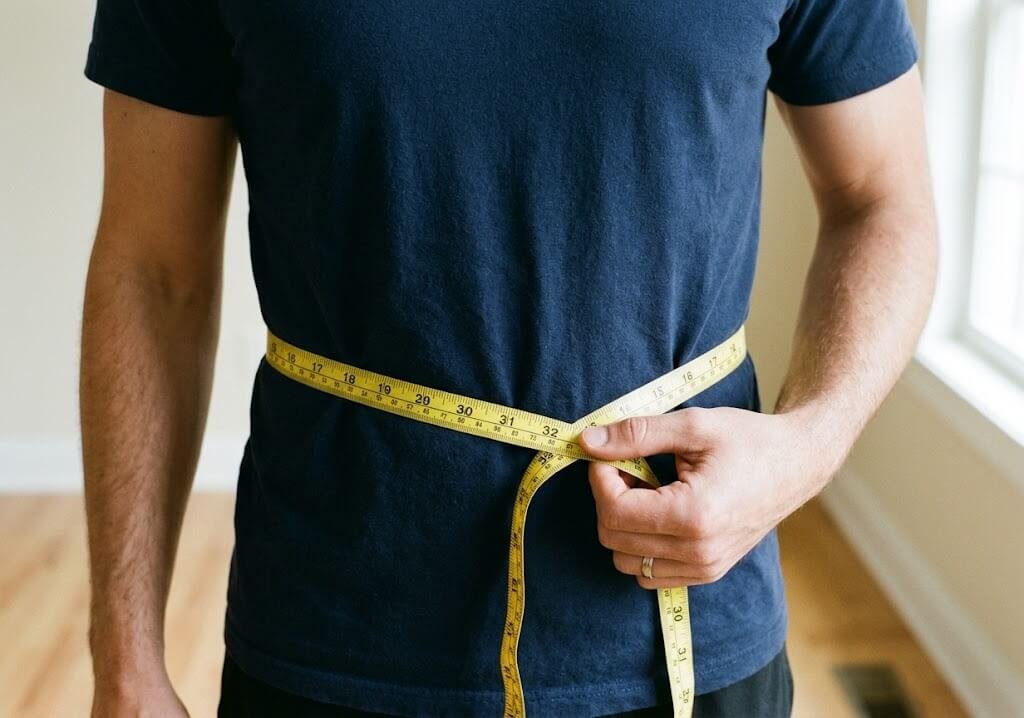
Coach’s Tip: Don’t judge any plan by the scale alone. Measure your waist at navel level once a week in inches (cm), and ask your clinician about lab work. Berberine’s best-supported changes are in waist size and blood markers, and those can move even when the scale barely does.
Who Might Benefit Most From Berberine?
The pattern across studies is that berberine seems to work mainly on numbers that start out abnormal. The placebo-controlled authors noted that it mostly affects abnormal indicators and may do less for normal ones. The diabetes analysis likewise tied the glucose effect to baseline fasting glucose and HbA1c.
In practical terms, the best evidence is for adults with elevated glucose or blood fats who are working with a clinician. The evidence is thin for metabolically healthy people hoping to drop a few pounds. Our overview of whether metabolism supplements help with long-term weight management puts this in a wider context.
Two more points deserve honesty. The authors of the placebo-controlled analysis said the evidence is insufficient to claim reversal of metabolic syndrome as a whole. They also saw larger LDL and HDL effects in trials of 90 days or less than in longer ones, and they suggested drug tolerance or metabolic adaptation as possible reasons. That is a hypothesis, not a finding.
Berberine Safety: Side Effects, Interactions, and Who Should Avoid It
Most reported problems are digestive. NCCIH lists abdominal pain, constipation, diarrhea, nausea, and vomiting as the most common, and MedlinePlus adds gas and upset stomach. In the placebo-controlled pool, adverse events did not differ significantly from placebo. But two of the 12 trials reported no safety data, so the authors called for further validation.
On the liver, the 2020 ESPEN review found no significant effect on ALT or AST, two common liver enzyme tests.
Pregnancy and infants are the clearest red flags. NCCIH says people who are pregnant or breastfeeding should not use berberine, and it should not be given to infants. It can cause or worsen jaundice in newborns and may lead to a life-threatening condition called kernicterus. MedlinePlus likewise calls it likely unsafe in pregnancy.
Medication interactions are the other big issue. MedlinePlus lists possible interactions with cyclosporine, tacrolimus, midazolam, dextromethorphan, and losartan. It also notes that berberine might lower blood sugar and blood pressure and might slow blood clotting. If you take any prescription drug, ask your pharmacist before starting.
Common Mistake: Adding berberine on top of diabetes medicine or other glucose-lowering supplements without telling your doctor. MedlinePlus warns that stacking supplements with similar effects might lower blood sugar too much. “Natural” doesn’t mean “interaction-free.”
Does Berberine Support Weight Management and Metabolism Better Than Lifestyle Changes?
The trials can’t answer that, because they compared berberine with a placebo, not with training or diet. In the placebo-controlled pool, five trials gave diet and exercise advice to everyone, one gave dietary advice only, and two changed nothing about lifestyle. So the studies can’t show whether berberine adds anything on top of a strong routine.
What we do know is the baseline recommendation. The CDC says adults need at least 150 minutes of moderate-intensity activity a week, plus muscle-strengthening work on two or more days that covers all major muscle groups. Build that foundation first. Then, if your doctor thinks a supplement fits, you can discuss it from a stable starting point.
A Coach’s Metabolism-First Weekly Plan
This is general fitness guidance, not a treatment plan. Check with your doctor or physical therapist before starting a new program, especially if you have a medical condition.
Weekly structure
- Two strength days (for example, Monday and Thursday), using the table below.
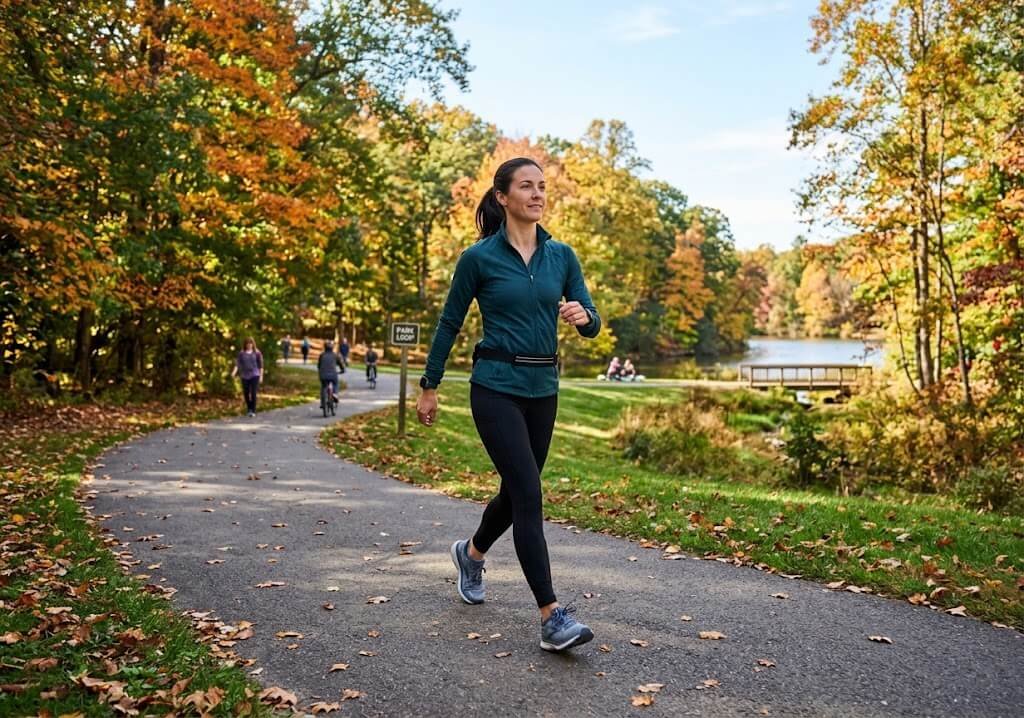
- Five brisk walks of about 30 minutes, covering roughly 1.5 to 2 miles (2.4 to 3.2 km) at a pace where you can talk but not sing.
- Daily habits that support the work: build meals around protein intake you can sustain, add more dietary fiber from whole foods, and protect your schedule for sleep and metabolism.
Strength workout (full body, about 40 minutes)
| Exercise | Sets × reps | Rest | Easier version | Harder version |
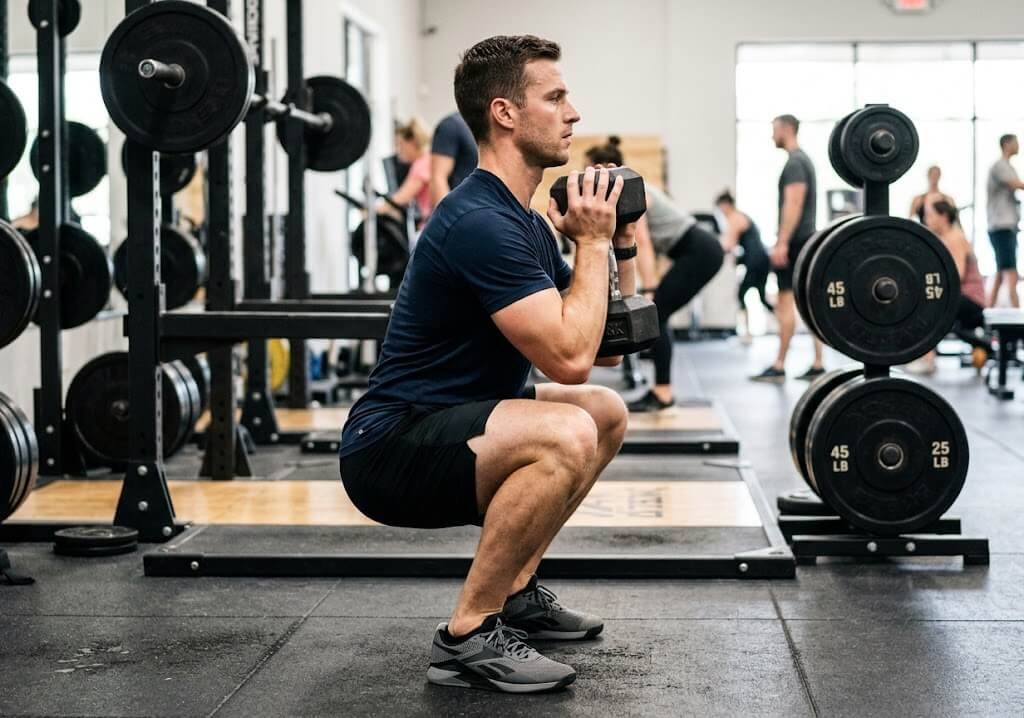
| Goblet squat | 3 × 8–12 | 60–90 sec | Squat to a 17–18 in (43–46 cm) bench | Slow 3-second lowering, or heavier dumbbell |
| One-arm dumbbell row | 3 × 8–12 per side | 60 sec | Chest-supported row | Pause 2 seconds at the top |
| Romanian deadlift | 3 × 8–10 | 90 sec | Bodyweight hip hinge | Heavier dumbbells or single-leg version |
| Incline push-up | 3 × 8–12 | 60 sec | Hands on a wall or counter | Floor push-up |
| Farmer’s carry | 3 × 30–40 sec | 60 sec | Lighter dumbbells | Heavier load or one-hand carry |
Starting weights. Try 15–25 lb (7–11 kg) for the goblet squat, 15–30 lb (7–14 kg) for the row, 20–35 lb (9–16 kg) total for the deadlift, and 20–30 lb (9–14 kg) in each hand for the carry. Pick a load that leaves about two reps in reserve at the end of each set.
Form cues
- Goblet squat: Hold the dumbbell at your chest, feet shoulder-width apart. Sit down between your hips, keep your chest tall, and let your knees track over your toes.
- Dumbbell row: Hinge forward with a flat back and pull your elbow toward your hip. You should feel your upper back working, not your neck.
- Romanian deadlift: Keep soft knees, push your hips back, and slide the weights down your thighs until you feel a hamstring stretch.
- Incline push-up: Keep a straight line from head to heels, with elbows at roughly 45 degrees from your ribs.
- Farmer’s carry: Stand tall, ribs down, and take short, controlled steps.
Progression. When you hit the top of the rep range on every set for two sessions in a row, add the smallest weight jump available.
Tracking. Log three things weekly: waist (inches and cm), your average scale weight, and your strength numbers. Share any lab results with your clinician and let them decide what they mean.
Related Tips and Questions for Your Doctor
If you’re weighing berberine against other options, our guides on chromium picolinate and cravings and supplements without stimulants lay out what the research shows for those.
Before starting any supplement, bring these questions to your doctor or pharmacist:
- Could berberine interact with any medicine I take?
- Do my lab results suggest a reason to consider it?
- Which product, and what dose range, fits my situation?
- Do I need to monitor my blood sugar or blood pressure more closely?
- What symptoms mean I should stop and call you?
FAQ
Does berberine really help you lose weight?
Berberine may help a little. Pooled trials show small average drops in weight, BMI, and waist size, but one dose-response analysis found no significant weight change. Results depend on trial quality and who was studied. It isn’t a proven fat-burner, so treat it as a possible add-on, not a plan.
How much weight can you lose with berberine?
In pooled trials, average changes ranged from about 0.2 lb (0.11 kg) with no significant effect to about 4.6 lb (2.07 kg) lost. Individual results vary, and many trials involved people with metabolic problems. Expect modest changes at best, and track waist size too.
Does berberine speed up metabolism?
Lab studies show berberine changes how cells handle glucose, possibly through AMPK or mitochondrial effects, and the mechanism is still debated. The human trials covered here didn’t show higher resting calorie burn. Better-supported effects are on fasting glucose, waist size, and some blood fats.
Is berberine safe to take every day?
Short-term trials report mostly mild stomach effects such as diarrhea, constipation, nausea, and gas. Long-term safety data are limited, and berberine can interact with several medicines. Avoid it in pregnancy and breastfeeding, and never give it to infants. Ask your doctor or pharmacist before daily use.
Who should not take berberine?
Pregnant or breastfeeding women and infants should avoid it. People taking diabetes, blood pressure, blood-thinning, or transplant medicines need medical guidance first, because berberine may change how those drugs work. Anyone with a health condition should talk with a doctor before starting.
Can berberine replace diet and exercise?
No. Trials compared berberine with placebo, often alongside lifestyle advice, so they don’t show it can replace healthy habits. CDC guidelines call for 150 minutes of moderate activity and two strength days weekly. Build that base first, then ask your doctor whether a supplement fits.
Conclusion
So, does berberine support weight management and metabolism? The honest answer is a cautious “somewhat.” Trials show modest improvements in waist size, fasting glucose, and some blood fats, mostly in people who start with abnormal numbers. The evidence on body weight is mixed, from no change to about 4.6 lb (2.1 kg), and the studies are small, short, and uneven in quality.
Berberine also carries real cautions: stomach upset, drug interactions, and clear warnings for pregnancy, breastfeeding, and infants. Put your effort into the proven base first: two strength sessions, regular brisk walks, enough protein and fiber, and good sleep. If you’re still curious about berberine after that, take your questions and your medication list to your doctor or pharmacist.