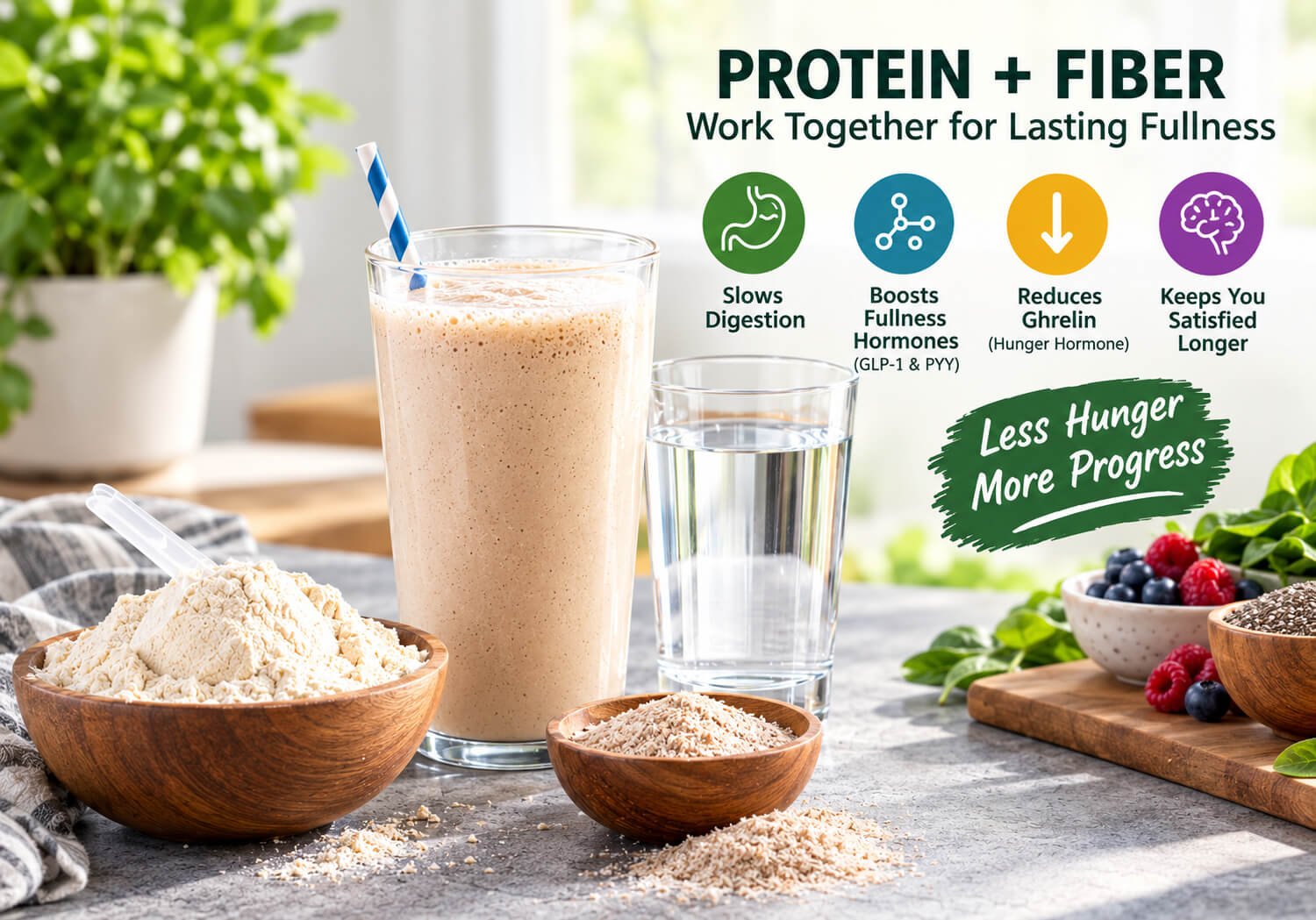
Mid-morning stomach growls and late-afternoon snack cravings are two of the biggest roadblocks to sticking to a healthy nutrition plan. When energy drops between meals, it is easy to reach for quick-fix ultra-processed snacks that spike blood sugar and leave you hungry again an hour later. Many lifters, busy professionals, and fitness enthusiasts wonder: can protein and fiber supplements reduce hunger between meals?
The short answer is yes. Research shows that combining supplemental protein with dietary fiber creates a powerful synergistic effect on satiety by slowing gastric emptying, expanding stomach volume, and triggering key appetite-suppressing hormones. However, timing, dosage, and supplement selection dictate whether you get lasting fullness or digestive discomfort.
In this evidence-based guide, we will unpack how supplemental protein and fiber work in your body, how to stack them safely, and how to build a routine that keeps hunger under control all day long.
Quick Answer
Yes, protein and fiber supplements reduce hunger between meals by slowing digestion and signaling fullness to your brain. Protein stimulates gut hormones like GLP-1 and PYY while reducing ghrelin, while soluble fiber forms a gel that slows gastric emptying. Taking 20–30g of protein with 5–10g of soluble fiber between meals significantly improves satiety and helps control calorie intake.
The Physiology of Satiety: How Your Body Signals Fullness
To understand why supplemental nutrients work, you first need to understand how your gut communicates with your brain. Hunger is controlled by a delicate network of hormonal signals and mechanical stomach stretch receptors.
1. Mechanical Signals (Gastric Distension)
When food or liquid enters your stomach, physical volume stretches the stomach wall. Mechanoreceptors send direct electrical impulses via the vagus nerve to the hypothalamus in the brain, signalling that nourishment has arrived.
2. Hormonal Signals
As nutrients pass from the stomach into the small intestine, specialized enteroendocrine cells release specific satiety peptides into your bloodstream:
- Peptide YY (PYY): Released in the ileum and colon, PYY slows gut motility and reduces appetite.
- Glucagon-Like Peptide-1 (GLP-1): Delays stomach emptying and enhances insulin sensitivity, signaling the brain that you are fed.
- Cholecystokinin (CCK): Released in response to fats and proteins, stimulating digestive enzymes and signaling short-term fullness.
- Ghrelin: Known as the “hunger hormone,” ghrelin is secreted by the stomach when it is empty. Effective satiety interventions drop ghrelin levels rapidly and keep them down.
Understanding how protein intake affects hunger and fullness hormones gives you a clear advantage when structuring your daily nutrition.
How Protein Supplements Suppress Appetite
Protein is well established as the most satiating macronutrient. Gram for gram, dietary protein produces a greater sense of fullness and lower subsequent energy intake than either carbohydrates or fats.
When you consume a liquid protein supplement—such as whey isolate, micellar casein, or a high-quality pea/rice blend—your body breaks down the peptide chains into amino acids. Research published in American Journal of Clinical Nutrition demonstrates that protein consumption stimulates GLP-1 and PYY secretion while suppressing circulating ghrelin levels for hours after ingestion (Leidy et al., 2015).

Whey vs. Casein vs. Plant Protein
Different protein powders exhibit distinct digestion kinetics:
- Whey Protein: Fast-digesting. It causes a rapid spike in plasma amino acids and an immediate surge in CCK and GLP-1. It works exceptionally well for immediate post-workout hunger suppression.
- Micellar Casein: Slow-digesting. Casein forms a gel matrix in the acidic environment of the stomach, releasing amino acids slowly over 5 to 7 hours. This makes casein an excellent option for preventing late-afternoon or late-night appetite spikes.
- Plant-Based Blends (Pea/Rice): Intermediate digestion rate. High-quality pea protein has been shown in clinical trials to match whey protein in promoting fullness and satiety hormones when dosed appropriately.
Using protein powder to help control hunger during weight loss can prevent mindless snacking and keep your daily caloric balance on track.
How Fiber Supplements Control Hunger
Dietary fiber refers to non-digestible carbohydrates found in plant foods. While insoluble fiber adds bulk to stool, soluble viscous fiber is the primary driver of appetite control.
| 1. Water absorption creates heavy, thick gel in the gastric pouch |
| 2. Delays stomach emptying (keeps food in stomach longer) |
| 3. Blunts post-meal glucose spikes and insulin crashes |
| 4. Short-chain fatty acid (SCFA) production via intestinal fermentation|
When soluble fibers like psyllium husk, glucomannan (konjac root), or beta-glucan mix with fluids in your stomach, they absorb water and swell into a thick, viscous gel matrix.
Key Satiety Mechanism: Viscous fiber increases the viscosity of stomach contents, which physically delays gastric emptying. The stomach empties its contents into the duodenum at a significantly slower rate, keeping stretch receptors activated long after ingestion.
According to a comprehensive review in Nutrition Reviews, viscous soluble fibers consistently reduce appetite ratings and acute energy intake compared to non-viscous fibers or control treatments (Clark & Slavin, 2013).
To dive deeper into the specific mechanisms, read our analysis on how soluble fiber helps control appetite.
Furthermore, gut bacteria ferment soluble fiber in the large intestine, producing short-chain fatty acids (SCFAs) such as acetate, propionate, and butyrate. These SCFAs bind to specific gut receptors (FFAR2 and FFAR3), triggering a second wave of PYY and GLP-1 release hours after consumption. Research shows that psyllium husk can help you feel full before meals, providing a simple pre-meal strategy for weight management.
The Power of Synergy: Combining Protein and Fiber
While both nutrients manage hunger through separate pathways, combining protein and soluble fiber creates a powerful synergistic effect.
| Metric / Mechanism | Protein Alone | Fiber Alone | Combined Protein + Fiber |
| Primary Satiety Pathway | Hormonal (GLP-1, PYY, Ghrelin drop) | Physical (Gastric emptying delay) | Dual-Action (Physical delay + Hormonal boost) |
| Digestion Speed | Fast to Moderate (1–3 hours) | Moderate (Delays contents) | Slow & Sustained (3–5 hours) |
| Stomach Volume Impact | Low to Moderate | High (Gel formation) | Very High (Thick viscous matrix) |
| Glycemic Impact | Low / Stabilizing | Blunts glucose spikes | Superior glycemic control |
| Typical Satiety Duration | 2–3 hours | 2–3 hours | 3–5 hours |
When you take protein and fiber supplements together, the viscous fiber thickens the fluid in your stomach, slowing down the rate at which the protein leaves the stomach. This extended gastric transit time exposes gut cells to protein peptides over a longer duration, prolonging the release of PYY and GLP-1 while keeping ghrelin suppressed far longer than protein or fiber could achieve alone.
Studies examining how dietary fiber helps with appetite and weight management confirm that macronutrient co-ingestion is one of the most effective non-pharmacological tools for appetite control.
Evidence-Based Comparison: Common Supplements
Not all protein powders and fiber supplements perform equally when it comes to controlling appetite. The table below compares common options across key satiety metrics:
| Supplement Type | Primary Mechanism | Recommended Serving | Satiety Duration | Digestive Comfort |
| Whey Protein Isolate | Fast amino acid surge; high GLP-1/CCK trigger | 25–30g | 2 hours | Very High |
| Micellar Casein | Slow stomach gelling; steady amino release | 25–30g | 4–5 hours | High |
| Pea/Rice Blend | Moderate digestion; strong intestinal peptide response | 25–30g | 3 hours | High |
| Psyllium Husk | Highly viscous gel; delays gastric emptying | 5–10g | 3–4 hours | Moderate (requires water) |
| Glucomannan | Extreme expansion; high water binding | 1–2g | 3–4 hours | Needs abundant fluids |
| Inulin / Prebiotic Fiber | Fermentation; SCFA production | 3–5g | 2–3 hours | Variable (may cause gas) |
For maximum hunger control between meals, pairing a slow-digesting protein like micellar casein or a pea blend with a viscous soluble fiber like psyllium husk yields optimal outcomes.

Practical Application: How to Use Protein and Fiber Supplements for Satiety
Knowing the science is step one; building an effective routine is step two. Here is a practical, step-by-step coaching guide to integrating these supplements into your day.
Step 1: Establish Your Ideal Dosage
- Protein Target: Aim for 20–30 grams of protein per supplement serving. This dose supplies enough essential amino acids (particularly leucine) to trigger intestinal satiety pathways.
- Fiber Target: Start with 5 grams of soluble fiber per serving. Gradually increase to 8–10 grams over 2 to 3 weeks as your digestive system adapts.
Step 2: Hydration Is Non-Negotiable
Soluble fiber functions like a sponge. If you take viscous fiber supplements without enough fluid, the fiber can cause gastrointestinal distress or constipation.
Coach’s Rule: Consume at least 12 to 16 fluid ounces (350–470 ml) of water with every scoop of fiber supplement, and maintain steady fluid intake throughout the day.

Coach’s Tip: The “Mix-and-Wait” Rule
When mixing psyllium husk or glucomannan into a protein shake, drink it immediately after mixing. If you let the shaker sit on your desk for 10 minutes, the fiber will transform your liquid shake into a thick, unpalatable pudding. Let the gelling process happen inside your stomach, not inside your shaker cup!
Common Mistake: Jumping to High Fiber Overnight
Going from a low-fiber diet to taking 15–20 grams of fiber supplements on day one will likely cause bloating, severe gas, and abdominal cramping. Your gut microbiome needs time to adjust to increased fiber levels. Increase your fiber intake by 2 to 3 grams per day each week, and always pair it with extra water.
Modifying Strategy by Goal: Regressions and Progressions
Whether you are trying to cut fat, maintain performance, or adjust for sensitive digestion, tailor your protein and fiber supplement strategy using these adjustments:
The Beginner / Sensitive Digestion Version (Regression)
If you experience bloating easily or are new to supplements:
- Protein: 15–20g Whey Isolate or Hydrolyzed Collagen.
- Fiber: 3g Acacia Fiber or Inulin (milder on the intestinal tract).
- Fluid: 16 oz (470 ml) water.
The Advanced Satiety Version (Progression)
For aggressive calorie deficits or high-hunger phases:
- Protein: 30g Micellar Casein or Multi-Source Vegan Blend.
- Fiber: 7g Psyllium Husk powder + 1g Glucomannan.
- Fluid: 20 oz (600 ml) cold water.
Daily Schedule: Timing Your Supplements for Maximum Satiety
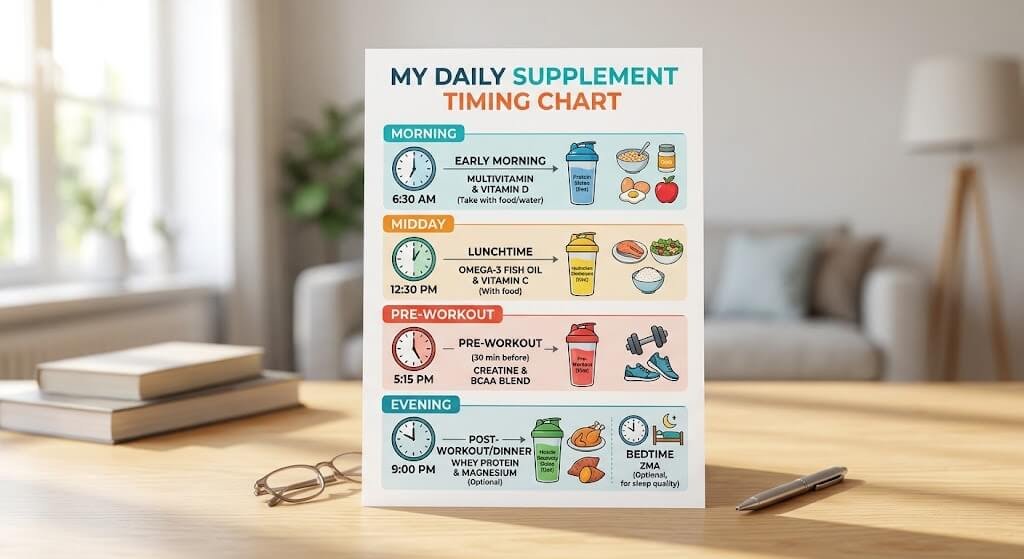
To prevent appetite spikes, time your protein and fiber intake to bridge your longest gaps between meals.
| Time of Day | Target Goal | Recommended Shake Formula | Satiety Target Window |
| 10:30 AM (Mid-Morning) | Prevent pre-lunch snack cravings | 25g Whey/Plant + 5g Psyllium Husk | Keeps you full until 1:30 PM lunch |
| 3:30 PM (Mid-Afternoon Slump) | Eliminate evening overeating risk | 25g Casein + 5g Soluble Fiber Blend | Keeps you satisfied until 7:00 PM dinner |
| 9:00 PM (Late Evening) | Stop late-night pantry raids | 25g Casein + 3g Acacia Fiber | Supports muscle synthesis & overnight satiety |
Integrating these options with broader strategies like supporting metabolism naturally for weight management creates a complete approach to energy balance.
Safety Notes and Contraindications
While protein and fiber supplements are safe for most healthy adults, keep these safety precautions in mind:
- Medication Interaction: Viscous fibers like psyllium husk and glucomannan can delay or reduce the absorption of oral medications. Take oral medications at least 1 hour before or 2 to 4 hours after consuming fiber supplements.
- Esophageal Obstruction Risk: Never swallow fiber powders dry. Always mix fiber with sufficient fluid to prevent choking or blockage in the throat.
- Pre-existing Digestive Conditions: Individuals with active Crohn’s disease, ulcerative colitis flares, gastroparesis, or bowel strictures should consult a medical professional before adding bulk fiber supplements.
- Kidney Concerns: Individuals with pre-existing chronic kidney disease (CKD) should consult their nephrologist regarding daily protein intake limits.
Frequently Asked Questions
Do protein and fiber supplements keep you full longer than protein alone?
Yes. While protein stimulates satiety hormones like GLP-1 and PYY, fiber swells in the stomach to delay gastric emptying. Combining both creates a dual physical and hormonal effect that extends fullness significantly longer than protein alone.
How much protein and fiber should I take between meals to stop hunger?
A combination of 20–30 grams of protein powder and 5–10 grams of soluble fiber (such as psyllium husk) dissolved in 12–16 ounces of water provides strong appetite suppression for 3 to 5 hours.
Is it safe to combine whey protein and psyllium husk in one shake?
Yes, combining whey protein and psyllium husk is safe and effective for appetite control. Drink the mixture immediately after shaking, as psyllium thickens rapidly once mixed with liquids.
Which supplement is better for hunger control: protein or fiber?
Both work through distinct mechanisms. Protein is superior for triggering satiety hormones (GLP-1, PYY) and suppressing ghrelin, whereas soluble fiber is superior for expanding stomach volume and slowing digestion. Combining them provides the best results.
When is the best time to take fiber and protein for appetite control?
The best times are during your longest gaps between meals—typically mid-morning (10:00 AM) or mid-afternoon (3:30 PM)—or 30 to 45 minutes before a meal where you tend to overeat.
Can protein and fiber supplements cause bloating?
If you increase fiber intake too rapidly or fail to drink enough water, bloating and gas can occur. Start with a low dose (3–5 grams of fiber) and gradually increase it over several weeks while drinking plenty of water.
Conclusion
Can protein and fiber supplements reduce hunger between meals? Absolutely. By combining the gut-hormone-stimulating power of protein with the gastric-delaying properties of soluble viscous fiber, you create a effective tool for appetite control.
To get the best results without digestive upset, remember these simple rules:
- Aim for 20–30g of protein paired with 5–10g of soluble fiber.
- Drink at least 12–16 oz of water with every serving.
- Introduce fiber gradually to allow your stomach time to adjust.
- Time your supplement shakes during your trickiest daily hunger windows.
By supporting your body’s natural satiety signals, you can control between-meal hunger and stay on track with your fitness and body composition goals.