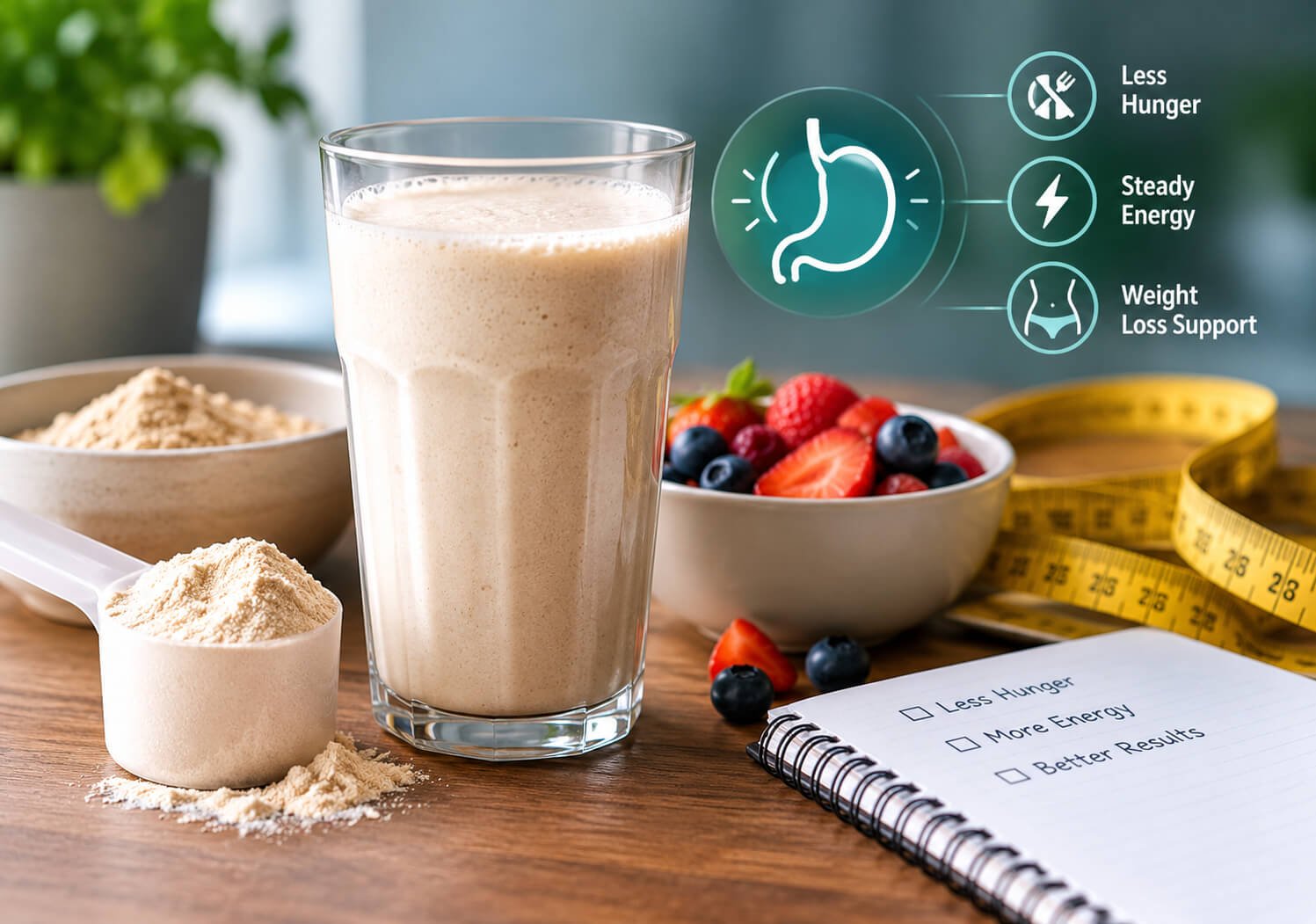
Can protein powder help control hunger during weight loss? The short answer is yes, but how you use it matters. When you are in a calorie deficit, your body naturally increases hunger signals to conserve energy. Adding a high-quality protein supplement can counteract this by stabilizing blood sugar, slowing digestion, and triggering the release of fullness hormones. As a strength coach, I see clients struggle most with late-night cravings and mid-afternoon slumps. Strategically using protein powder is one of the most effective, evidence-based tools to manage appetite while preserving lean muscle mass.
Quick Answer
Yes, protein powder can help control hunger during weight loss. Protein increases the release of satiety hormones like GLP-1 and peptide YY while reducing ghrelin. Choosing a high-quality whey or casein protein shake between meals or as a partial meal replacement can stabilize blood sugar and keep you full longer.
The Science: Can Protein Powder Help Control Hunger During Weight Loss?
To understand why protein is so effective at managing appetite, we have to look at how your body processes macronutrients. Hunger is not just a lack of willpower; it is a complex biological response driven by hormones, digestion speed, and energy expenditure. When you consume protein, three specific mechanisms work together to keep you full.
First, protein directly influences your hunger hormones. Ghrelin is often called the “hunger hormone” because its levels rise before meals and fall after eating. Research published in the American Journal of Clinical Nutrition demonstrates that high-protein diets significantly suppress ghrelin levels compared to high-carbohydrate diets. Simultaneously, protein stimulates the release of peptide YY (PYY) and glucagon-like peptide-1 (GLP-1). These are “satiety hormones” produced in the gut that signal to your hypothalamus that you are full.
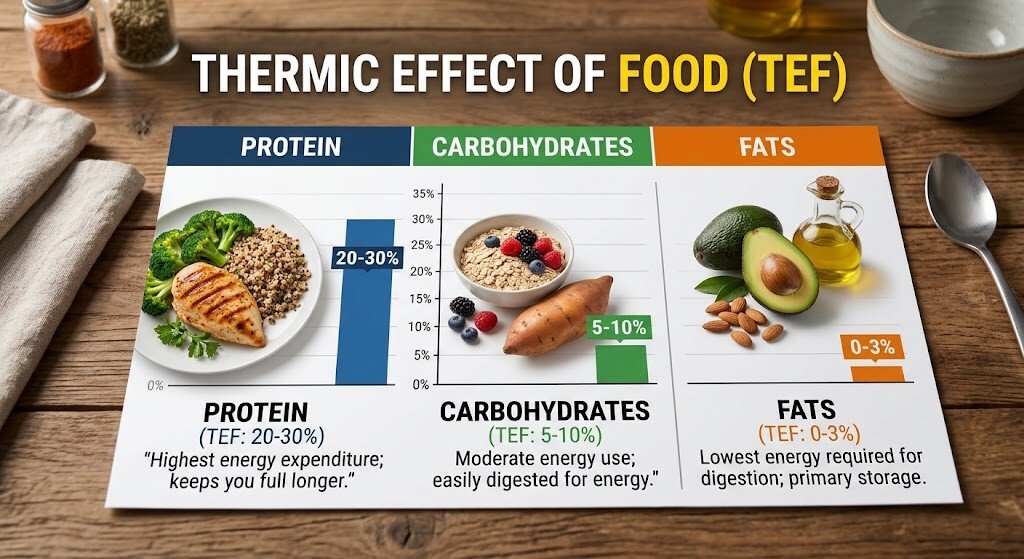
Second, protein has the highest Thermic Effect of Food (TEF). TEF refers to the energy your body expends to digest, absorb, and process nutrients. Your body uses 20% to 30% of the calories in protein just to break it down. In contrast, it only uses 5% to 10% for carbohydrates and 0% to 3% for fats. This means a 100-calorie serving of protein powder effectively provides fewer net calories to your body while keeping your metabolic rate elevated.
Third, protein slows gastric emptying. When you mix protein powder with liquid, especially if you add fiber or healthy fats, it forms a thicker consistency in the stomach. This physical volume stretches the stomach walls, triggering mechanoreceptors that send immediate fullness signals to the brain.
Supporting your metabolic health during a calorie deficit is also crucial. For example, maintaining stable blood sugar prevents the sharp crashes that trigger intense cravings. Some individuals find that combining protein intake with nutrients known for supporting healthy glucose metabolism can further smooth out these energy fluctuations. Additionally, compounds like inositol are frequently studied for improving insulin sensitivity, which helps your body utilize nutrients efficiently rather than storing them, making your weight loss efforts more sustainable.
Protein Types and Satiety Comparison
Not all protein powders are created equal when it comes to appetite control. The source of the protein dictates how fast it digests and how long it keeps you satisfied. Below is a breakdown of the most common types to help you choose the right one for your goals.
| Protein Type | Digestion Speed | Satiety Rating | Best Time to Use | Approx. Calories per Scoop (30g) |
| Whey Isolate | Fast (1–2 hours) | High (Immediate) | Morning, post-workout | 100–120 kcal |
| Micellar Casein | Slow (4–7 hours) | Very High (Prolonged) | Before bed, long gaps between meals | 110–130 kcal |
| Pea Protein | Moderate (2–3 hours) | High (Due to fiber) | Mid-day snack, vegan diets | 100–120 kcal |
| Soy Protein | Moderate (2–3 hours) | High | Meal replacement, vegan diets | 110–120 kcal |
| Collagen Peptides | Fast (1–2 hours) | Moderate | Joint support, mixed into coffee | 90–100 kcal |
Whey isolate is excellent for immediate hunger relief because it spikes amino acid levels in the blood rapidly. However, if you struggle with nighttime hunger, micellar casein is superior. Casein forms a gel-like clot in the stomach, providing a slow, steady drip of amino acids that can keep you full for up to seven hours. Plant-based proteins like pea and soy are also highly effective, often containing naturally occurring dietary fiber that further enhances the feeling of fullness.
How to Apply It: Practical Steps for Maximum Satiety
Knowing the science is only half the battle. As a coach, I teach my clients that how you consume your protein powder determines its effectiveness for hunger control. Follow these practical steps to integrate it into your routine.
Step 1: Calculate Your Daily Protein Needs
Before adding supplements, establish your baseline. For weight loss while preserving muscle, the American College of Sports Medicine (ACSM) recommends consuming 0.8 to 1.0 grams of protein per pound of body weight (1.8 to 2.2 g per kg). If you weigh 160 lb (72.5 kg), aim for 128 to 160 grams of protein daily. Protein powder should fill the gap between what you get from whole foods and this target.
Step 2: Master Strategic Timing
Timing your protein intake prevents hunger from ever taking control.
- Morning: If you skip breakfast or eat a carb-heavy one, you will likely crash by 10:30 AM. A morning shake stabilizes blood sugar.
- Mid-Afternoon (3:00 PM): This is when cortisol dips and cravings peak. A shake here bridges the gap to dinner.
- Evening: A casein shake 30 minutes before bed prevents late-night snacking and supports overnight muscle repair.
Step 3: Build the “Satiety Shake” Formula
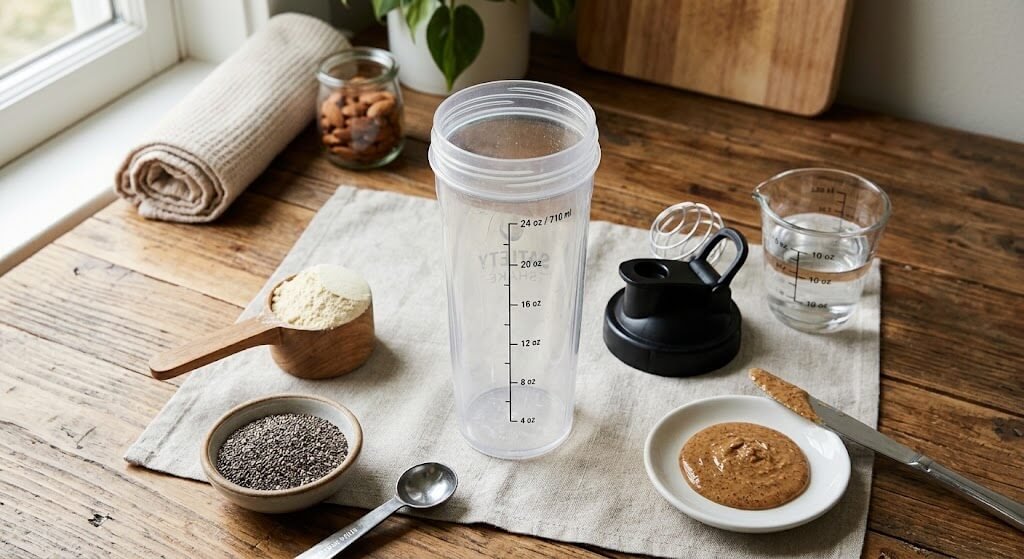
Drinking protein powder with just water is fine post-workout, but it will not keep you full for long. To maximize satiety, use this formula in a standard 24 oz (700 ml) shaker bottle:
- Liquid Base (8–12 oz / 240–350 ml): Unsweetened almond milk or water.
- Protein (1 scoop / ~30g): Whey, casein, or plant-based.
- Fiber (1 tbsp / 15g): Chia seeds, flaxseed, or psyllium husk. This adds volume and slows digestion.
- Healthy Fat (1 tbsp / 15g): Natural peanut butter or MCT oil. Fat triggers additional satiety hormones.
Step 4: Pair with Movement
Consuming protein is most effective when paired with physical activity. Resistance training increases your body’s demand for amino acids, making the protein you consume more likely to be used for muscle repair rather than stored. Even light activity, such as walking 1 to 2 miles (1.6 to 3.2 km) after a meal, improves nutrient partitioning. If you are new to exercise, remember that protecting your joints during new workout routines is essential, so start with low-impact movements while your body adapts to the calorie deficit.
Furthermore, maintaining good circulation ensures that nutrients are delivered efficiently to your muscles. Enhancing blood flow during exercise can improve your workout performance, allowing you to train harder and burn more calories without feeling overly fatigued. Understanding the broader picture of nitric oxide benefits for men’s health, blood flow, and more can also be relevant for those looking to optimize their overall metabolic and cardiovascular health during a weight loss phase.
Safety Notes and Who Should Be Careful
While protein powder is safe for the vast majority of people, there are important safety considerations to keep in mind.
Kidney Health: A persistent myth is that high protein intake damages healthy kidneys. Extensive research shows that high-protein diets do not harm renal function in healthy individuals. However, if you have pre-existing chronic kidney disease (CKD), you must consult a nephrologist before increasing your protein intake, as your kidneys may struggle to filter the additional nitrogen waste.
Heavy Metals and Additives: Not all supplements are regulated equally. Some plant-based proteins have been found to contain trace amounts of heavy metals like lead or arsenic due to soil absorption. Always choose brands that are third-party tested by organizations like NSF Certified for Sport or Informed Choice. Avoid products loaded with artificial sweeteners (like sucralose) or sugar alcohols (like maltitol), which can cause bloating, gas, and digestive distress, ironically making you feel uncomfortably full rather than satisfied.
Lactose Intolerance: Whey concentrate contains lactose. If you experience stomach rumbling or diarrhea after drinking it, switch to whey isolate (which has most lactose removed) or a plant-based alternative.
Disclaimer: This article is for general information and is not a substitute for advice from a doctor or physical therapist. Always consult a healthcare provider before making significant changes to your diet, especially if you have underlying health conditions.
Related Tips for Weight Loss Success
Coach’s Tip: Pre-Measure Your Portions
Keep a single-serving portion of protein powder (about 1.5 inches or 4 cm deep in a standard scoop) pre-measured in a small, sealed container in your gym bag or desk. This prevents “eyeballing” the powder, which often leads to over-pouring. An extra half-scoop can add 60–80 unnecessary calories, which can disrupt your calorie deficit over time.
Common Mistake: Replacing All Whole Foods
Relying solely on protein powder instead of eating solid food is a major error. Chewing solid food triggers cephalic phase responses that signal fullness to the brain more effectively than drinking liquids. Use protein powder to supplement your diet, not to replace more than one whole meal per day.
Hydration is Non-Negotiable: Metabolizing protein requires more water than metabolizing carbs or fats. For every 20 grams of protein you consume, aim to drink an additional 8 oz (240 ml) of water. Dehydration is frequently mistaken for hunger, so if you feel a craving, drink a glass of water first and wait 15 minutes.
Frequently Asked Questions (FAQ)
1. Does whey protein reduce appetite better than plant protein?
Whey protein is rapidly absorbed, triggering a sharp, immediate spike in satiety hormones like GLP-1. However, plant proteins like pea or soy often contain more dietary fiber, which slows gastric emptying. Both effectively control hunger, but whey acts faster, while fiber-rich plant proteins provide longer-lasting fullness.
2. Can I replace a whole meal with a protein shake for weight loss?
Yes, occasionally. A well-formulated shake with protein, fiber, and healthy fats can serve as a 300–400 calorie meal replacement. However, do not replace more than one meal daily. Whole foods provide essential micronutrients, chewing satisfaction, and diverse phytonutrients that powders cannot fully replicate.
3. How much protein powder should I take daily to control hunger?
Most adults benefit from 1 to 2 scoops (30–60 grams) of protein powder per day. This should be used to fill the gap between your whole-food protein intake and your daily target of 0.8 to 1.0 grams per pound of body weight. More is not always better for hunger control.
4. Will drinking a protein shake break my intermittent fast?
Yes. Any intake of calories, including protein powder, breaks a fast because it triggers an insulin response and halts autophagy. If you are practicing intermittent fasting, consume your protein shake only during your designated eating window to maintain the metabolic benefits of the fast.
5. Does casein protein keep you full longer than whey?
Yes. Micellar casein coagulates in the stomach, forming a gel that slows digestion significantly. While whey is absorbed in 1 to 2 hours, casein releases amino acids steadily over 4 to 7 hours. This makes casein the superior choice for preventing nighttime hunger or bridging long gaps between meals.
6. Can protein powder cause weight gain if I am not hungry?
Yes, if it pushes you into a calorie surplus. Protein powder contains calories (typically 100–150 per scoop). If you add it to your diet on top of your normal meals without reducing calories elsewhere, or if you mix it with high-calorie ingredients like whole milk and peanut butter, it can lead to weight gain.
Conclusion: Can Protein Powder Help Control Hunger During Weight Loss?
Can protein powder help control hunger during weight loss? Absolutely, when used strategically. By leveraging protein’s ability to lower ghrelin, boost GLP-1 and PYY, and increase the thermic effect of food, you can navigate a calorie deficit with far less discomfort. Choose the right type of protein for your schedule, build your shakes with fiber and healthy fats, and use them to supplement—not replace—a nutrient-dense whole-food diet. Pair this approach with consistent resistance training, and you will protect your lean muscle mass while shedding unwanted body fat. Remember, sustainable weight loss is a marathon, and managing your hunger is the key to staying on the path.