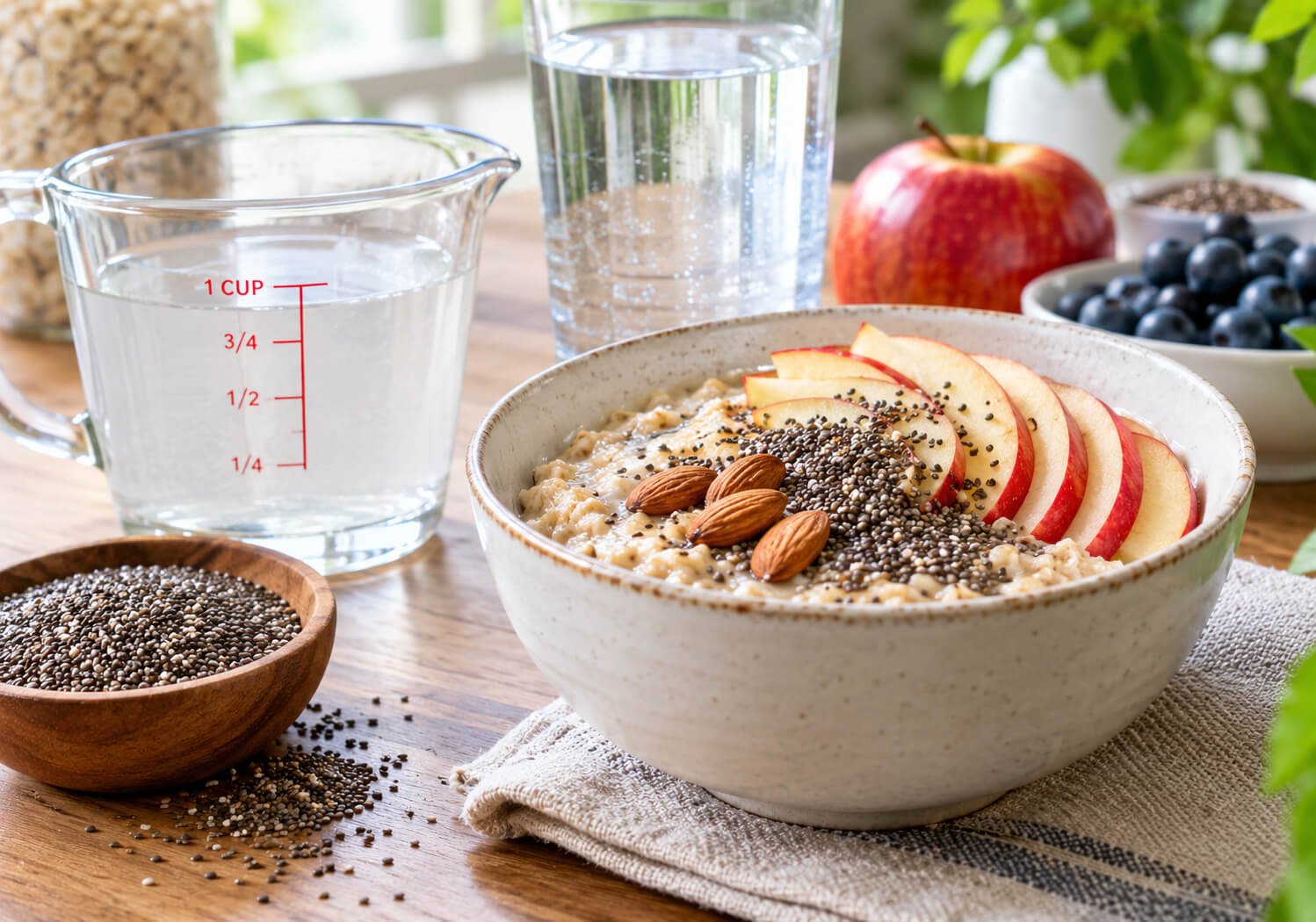
If you are trying to manage your weight, constant hunger is often the biggest roadblock. You might be wondering: does soluble fiber reduce hunger and help with weight loss? The short answer is yes. However, the real magic lies in understanding exactly how it works and how to use it correctly in your daily routine.
As a strength and conditioning coach, I work with gym beginners, busy professionals, and women over 40 who want sustainable, science-backed ways to manage their weight without extreme dieting. Soluble fiber is one of the most reliable, natural tools available. It is not a magic pill, but when paired with smart nutrition and movement, it creates a powerful environment for your body to shed excess fat while keeping you satisfied. Let us break down the science, the best sources, and exactly how to apply this knowledge to your life.
Quick Answer
Yes, soluble fiber reduces hunger and supports weight loss. It absorbs water to form a thick gel in your gut, which slows digestion and gastric emptying. This process triggers fullness hormones like GLP-1 and PYY, helping you eat fewer calories naturally. Aim for 5 to 10 grams of soluble fiber daily alongside adequate hydration for the best results.
What the Research Says: How Soluble Fiber Works
To understand why fiber works, we have to look at what happens inside your digestive tract. Soluble fiber is unique because it dissolves in water. When it mixes with fluids in your stomach and intestines, it forms a viscous, gel-like substance. This simple physical change drives three major biological responses that support weight management.
1. Viscosity and Slowed Gastric Emptying
When you eat a meal rich in viscous, soluble fiber, the resulting gel slows down the rate at which your stomach empties its contents into the small intestine. This delayed gastric emptying means food stays in your stomach longer. Because your stomach remains physically stretched for a longer period, it sends continuous “I am full” signals to your brain. This directly reduces your total caloric intake throughout the day without requiring you to white-knuckle through intense cravings.
2. The Hormonal Response
Your digestive system is lined with specialized cells that detect the presence of nutrients and fiber. When soluble fiber slows digestion, it gives these cells more time to release satiety hormones. Research shows that viscous fibers significantly boost the release of peptide YY (PYY) and glucagon-like peptide-1 (GLP-1). At the same time, this delayed digestion helps suppress ghrelin, which is widely known as the “hunger hormone.” Lower ghrelin levels mean you experience fewer sudden, intense urges to snack between meals.
3. Gut Microbiome and Short-Chain Fatty Acids
Not all soluble fiber is digested in the upper gastrointestinal tract. Much of it travels down to the large intestine, where it acts as a prebiotic. Your gut bacteria ferment this fiber, producing beneficial metabolites called short-chain fatty acids (SCFAs), such as acetate, propionate, and butyrate. These SCFAs do more than just support gut health. They have anti-inflammatory effects and play a direct role in regulating glucose metabolism and fat storage, further supporting a healthy body mass index over time.
Top Soluble Fiber Sources Comparison
Not all fiber is created equal. The weight loss and appetite-suppressing benefits are heavily tied to a fiber’s “water-binding capacity” and viscosity. Below is a comparison of the most effective, research-backed soluble fiber sources.
| Fiber Source | Typical Serving Size | Soluble Fiber (approx. g) | Total Calories | Satiety Rating (1-5) | Best Used For |
| Psyllium Husk | 1 tablespoon (5 g) | 4.5 g | 15 | 5 | Pre-meal appetite suppression |
| Glucomannan | 1 teaspoon (3 g) | 3 g | 3 | 5 | Extreme volume expansion in stomach |
| Oats (Beta-Glucan) | 1/2 cup dry (40 g) | 2 g | 150 | 4 | Breakfast meals and heart health |
| Chia Seeds | 2 tablespoons (28 g) | 5 g | 138 | 4 | Sustained energy and meal prep |
| Black Beans | 1/2 cup cooked (86 g) | 3.5 g | 114 | 4 | Lunch/dinner bulk and muscle fuel |
Note: Satiety rating is based on clinical observations of gastric emptying delay and subjective fullness scores in controlled trials.
How to Apply It: Practical Steps for Weight Loss
Knowing the science is only half the battle. As a coach, I see many people buy a bag of psyllium husk, take it incorrectly, get bloated, and quit. To get real results, you need a structured approach. Follow these four practical steps to integrate soluble fiber into your routine safely and effectively.
Step 1: Calculate Your Baseline
The general recommendation for total daily fiber intake is 25 grams for women and 38 grams for men. However, for targeted appetite control, research suggests aiming for an additional 5 to 10 grams of viscous soluble fiber specifically per day
www.ncbi.nlm.nih.gov
. Do not jump to this number on day one. Start by tracking your current intake for three days using a simple food journal or app to find your baseline.
Step 2: Choose Your Source (Food First, Supplements Second)
Whole foods should always be your primary source of nutrients. A half-cup of black beans or a bowl of oatmeal provides fiber alongside protein, vitamins, and minerals. However, if you struggle to hit your numbers through food alone, a high-quality supplement like psyllium husk or glucomannan is a highly effective tool. If you choose a supplement, look for products with minimal added sugars or artificial fillers.
Step 3: Timing Matters
If your goal is appetite suppression, timing is critical. Taking soluble fiber randomly throughout the day will help with bowel regularity, but it will not maximize hunger control. For the best results, consume your soluble fiber source 15 to 30 minutes before your largest meals. This gives the fiber time to mix with stomach acids and begin forming its viscous gel before the food arrives, effectively blunting the blood sugar spike and enhancing fullness.
Step 4: The Hydration Math
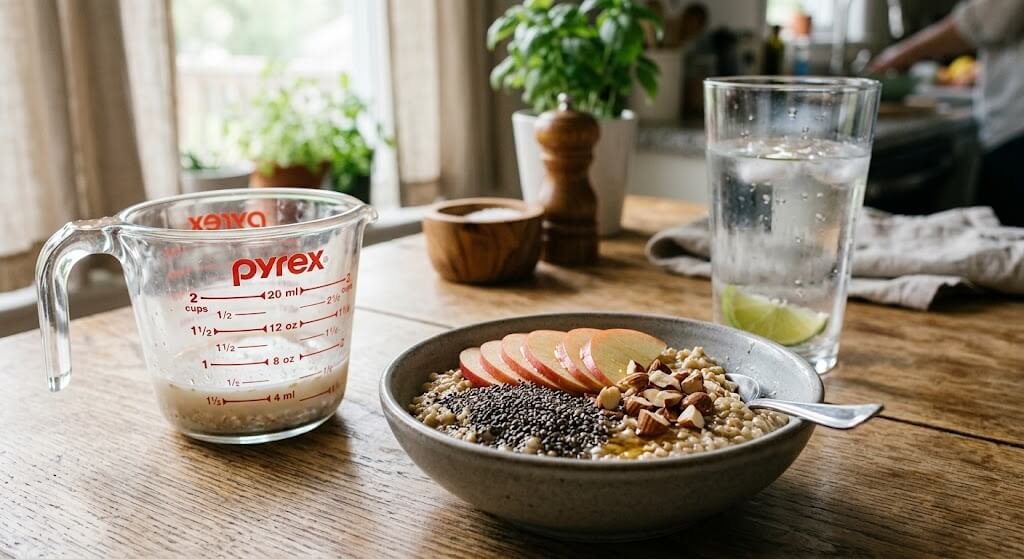
Soluble fiber acts like a sponge. If you do not provide enough water, it cannot expand properly, and it may cause severe constipation. A good rule of thumb is to drink at least 8 to 12 fluid ounces (240 to 350 ml) of water for every 5 grams of soluble fiber you consume. If you are a 150 lb (68 kg) individual, your baseline daily water intake should be around 100 ounces (3 liters), increasing further on workout days or in hot climates.
Regression and Progression for Fiber Intake
- Regression (Easier Version): If you are new to high-fiber diets or have a sensitive stomach, start with just 1/4 teaspoon of psyllium husk or 1 tablespoon of chia seeds soaked in water daily. Maintain this for one full week before increasing the dose.
- Progression (Harder Version): Once your digestive system adapts, work up to 10 grams of supplemental soluble fiber daily, split into two doses (e.g., one before lunch, one before dinner). Pair this with a high-protein diet to maximize the satiety hormone response.
Safety Notes and Side Effects
While soluble fiber is incredibly safe for most people, introducing it too quickly or incorrectly can lead to uncomfortable side effects. Being aware of these pitfalls will keep you consistent and comfortable.
Bloating and Gas
Because your gut bacteria ferment soluble fiber, a sudden increase in intake can cause temporary bloating, gas, and abdominal cramping. This is a normal sign that your microbiome is adjusting, but it can be highly uncomfortable. The only way to prevent this is to increase your intake very gradually over a period of two to four weeks.
Common Mistake: Taking a full tablespoon of dry psyllium husk powder and immediately chasing it with a small sip of water. This causes the fiber to clump in the esophagus or stomach, leading to choking hazards, severe bloating, and abdominal pain. Always mix powdered fiber thoroughly into at least 8 ounces (240 ml) of liquid and stir vigorously until fully dissolved.
Hydration is Non-Negotiable
As mentioned earlier, fiber needs water to function. If you are chronically dehydrated, adding soluble fiber will worsen constipation rather than fix it. Make it a habit to carry a 32 oz (950 ml) water bottle with you throughout the day.
Coach’s Tip: Set a hydration anchor. Every time you prepare your soluble fiber drink, immediately fill your water bottle back up and place it on your desk or in your car. This visual cue ensures you continue drinking water long after the fiber is consumed.
Medication Interactions
The same gel-forming property that slows down food digestion can also slow down the absorption of prescription medications. To be safe, always take soluble fiber supplements at least two hours before or two hours after taking any oral medications. If you are on medication for diabetes, thyroid issues, or heart conditions, consult your doctor before adding a daily fiber supplement to your routine.
Related Tips for Maximum Results
Soluble fiber is a powerful tool, but it works best as part of a broader, synergistic lifestyle strategy. To maximize your weight loss and hunger control, combine your fiber intake with these evidence-based habits.
Pair Fiber with Adequate Protein
While fiber slows gastric emptying, protein directly stimulates the release of satiety hormones and has a high thermic effect, meaning your body burns more calories digesting it. Combining a viscous fiber source with a lean protein source (like Greek yogurt with chia seeds, or a chicken salad with black beans) creates a dual-action fullness effect that is highly effective for weight management. Learn more about how protein helps control hunger during your weight loss journey.
Prioritize Quality Sleep
You cannot out-fiber a bad night of sleep. Poor sleep disrupts the delicate balance of appetite-regulating hormones, specifically raising ghrelin and lowering leptin, which drives intense cravings for high-calorie, low-nutrient foods. Aim for 7 to 9 hours of quality sleep per night. Understanding how sleep affects metabolism and weight management is just as critical as your diet.
Support Your Natural Metabolism
Fiber helps manage caloric intake, but maintaining a healthy metabolic rate ensures your body efficiently uses the energy you do consume. Engaging in regular resistance training (lifting weights 2–3 times per week) preserves lean muscle mass, which is the primary driver of your resting metabolic rate. You can also explore evidence-based ways to increase metabolism naturally to support your long-term goals.

Frequently Asked Questions (FAQ)
1. How much soluble fiber should I take daily for weight loss?
For targeted appetite control, research suggests aiming for 5 to 10 grams of viscous soluble fiber per day, ideally consumed before meals. This should be part of a total daily fiber intake of 25–38 grams from all food sources. Always increase this amount gradually to avoid digestive distress.
2. Does soluble fiber block carb absorption?
Soluble fiber does not completely “block” carb absorption, but it significantly slows it down. By forming a gel in the intestines, it delays the breakdown of carbohydrates into glucose. This results in a slower, smaller rise in blood sugar and insulin after meals, which helps prevent energy crashes and subsequent hunger cravings.
3. What is the best time to take soluble fiber for appetite suppression?
The optimal time to take soluble fiber for hunger control is 15 to 30 minutes before your largest meals of the day (typically lunch and dinner). This timing allows the fiber to mix with stomach fluids and begin expanding before food arrives, maximizing the feeling of fullness.
4. Can soluble fiber cause bloating or temporary weight gain?
Yes, initially. When you first increase your fiber intake, your gut bacteria produce more gas as they ferment the new fiber, which can cause temporary bloating. Additionally, fiber holds water, which may cause a slight, temporary increase on the scale. This is water weight, not fat, and it will normalize as your body adapts over 2 to 4 weeks.
5. Does psyllium husk help you lose belly fat specifically?
Psyllium husk cannot target “belly fat” specifically, as spot reduction is a myth. However, by promoting overall caloric deficit through increased satiety and improving blood sugar regulation, psyllium husk supports general fat loss. Over time, this overall fat loss will naturally include visceral belly fat.
6. Can I get enough soluble fiber from food alone?
Yes, it is entirely possible to meet your soluble fiber needs through whole foods. Excellent sources include oats, barley, legumes (like black beans and lentils), Brussels sprouts, avocados, apples, and flaxseeds. Supplements are only necessary if you struggle to consistently eat these foods or need targeted pre-meal appetite control.
Conclusion
So, does soluble fiber reduce hunger and help with weight loss? The evidence is clear: yes, it does. By slowing gastric emptying, triggering satiety hormones, and supporting a healthy gut microbiome, viscous soluble fiber is a highly effective, natural tool for managing appetite.
However, it is not a standalone miracle. For the best results, start with a low dose, prioritize aggressive hydration, time your intake before meals, and pair it with adequate protein and quality sleep. Whether you choose to get your fiber from a bowl of oatmeal or a simple psyllium husk supplement, consistency is the key to unlocking its benefits.