Many people eat carefully, exercise regularly, and still feel stuck on the scale. When that happens, the usual explanation is a “slow metabolism.” Metabolism is the set of chemical processes your body uses to turn food and stored energy into the fuel that keeps you alive, from breathing and circulating blood to repairing cells and moving through your day. Because everyone’s body size, muscle mass, age, sleep, activity level, and health history differ, two people can follow nearly identical routines and see different results.
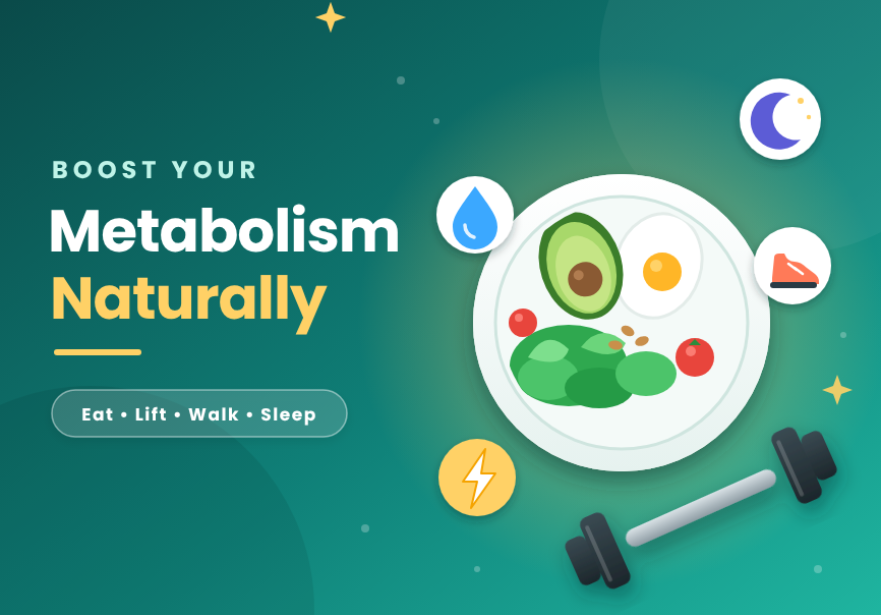
Here is the short answer to the question most readers ask: you can support your metabolism naturally by eating enough protein, doing strength training, walking and moving more throughout the day, sleeping well, staying hydrated, managing stress, and following a sustainable eating pattern. There is no reliable shortcut that dramatically speeds up metabolism, and no food, drink, or pill that guarantees it.
This guide explains how metabolism works, how it connects to weight loss, and which natural strategies are actually worth your time. You will also find a sample meal plan, a myth-busting section, an honest look at supplements, a seven-day starter plan, and answers to common questions. The goal is to help you build habits that support healthy weight management without extreme diets or unproven fat-burning products.
What Is Metabolism, and How Does It Affect Weight Loss?
Before trying to boost metabolism for weight loss, it helps to understand what you are working with. Metabolism is not a single switch you can flip. It is a collection of processes, and only some of them are within your control.
What does metabolism mean?
Metabolism describes how your body converts the food and drink you consume, along with stored energy such as body fat, into usable energy. That energy powers everything from your heartbeat and brain activity to muscle contractions during a workout. Some processes build tissue, such as repairing muscle after exercise, while others break down nutrients for fuel. Together, they determine how many calories your body uses each day.
What is metabolic rate?
Your total daily energy expenditure has four main parts. Basal metabolic rate (BMR) is the energy your body needs at complete rest to keep vital functions running. Resting metabolic rate (RMR) is a similar measurement taken under less strict conditions, and it usually accounts for the largest share of daily calories burned. The thermic effect of food is the energy your body uses to digest, absorb, and process what you eat. Finally, physical activity includes both planned exercise and everyday movement such as cooking, cleaning, and walking to the car. Most people can influence the last two far more easily than the first.
Does a faster metabolism help you lose weight?
A higher metabolic rate means your body burns more energy, which can make it easier to maintain or lose weight. But metabolism is only one piece. Weight loss also depends on food intake, physical activity, sleep, stress, medications, health conditions, and genetics. Someone with an average metabolic rate who eats a balanced diet and stays active can lose weight steadily, while someone with a higher rate can still gain weight if intake consistently exceeds output. In other words, you do not need an unusually fast metabolism to succeed. You need habits that you can maintain.
Why does metabolism change with age?
Metabolic needs often decline gradually over adulthood, mostly because many people lose muscle mass and become less active over time. Muscle tissue uses more energy at rest than fat tissue, so a change in body composition can lower daily calorie needs slightly. Hormonal changes and lifestyle shifts also play a role. None of this makes weight loss impossible later in life. Strength training, adequate protein, and regular movement can offset much of the change, and many people in their forties, fifties, and beyond lose weight successfully.
15 Natural Ways to Increase Metabolism for Weight Loss
The habits below are ranked by practical value, not by hype. Some genuinely support your body’s energy needs, while others mainly help you eat well, stay active, and stick with a plan. Where a popular claim is exaggerated, we will say so.
1. Eat More Protein to Support Metabolism
Protein has the highest thermic effect of the three macronutrients, meaning your body spends more energy digesting it than it does fats or carbohydrates. The difference is modest, but protein also keeps you full and helps preserve muscle while you eat fewer calories. Include a lean protein source at each meal, such as eggs, fish, poultry, Greek yogurt, tofu, beans, or lentils. A protein-rich breakfast can make it easier to avoid mid-morning snacking. People with kidney disease or other medical conditions should check with a clinician before raising protein intake significantly.
2. Build Muscle With Strength Training
Strength training is one of the most useful tools for protecting your metabolism during weight loss. When you cut calories, your body can lose muscle along with fat, and resistance exercise helps preserve lean mass. Aim for two or three sessions a week using bodyweight moves, resistance bands, free weights, or machines. Start with squats, push-ups, rows, and lunges, and add weight or repetitions gradually. Do not expect dramatic jumps in resting metabolism, but do expect better strength, body composition, and long-term results.
3. Walk More Throughout the Day
Walking is simple, low-impact, and sustainable for most people. A brisk walk raises your heart rate and burns calories without the recovery demands of intense workouts. Build up toward a daily step goal that suits you, such as 7,000 to 10,000 steps, rather than jumping straight into a big number. A ten-minute walk after meals is an easy habit, and short movement breaks can interrupt long periods of sitting.
4. Combine Cardio With Strength Training
Cardio and strength training complement each other. Aerobic activities such as walking, cycling, swimming, and jogging improve heart health and burn calories, while resistance exercise builds and maintains muscle. Current U.S. physical activity guidance recommends 150 to 300 minutes of moderate-intensity aerobic activity per week for adults, plus muscle-strengthening activity at least twice a week. Beginners should build up gradually and choose activities they enjoy, since consistency matters more than intensity.
5. Drink Enough Water Throughout the Day
Staying hydrated supports energy, exercise performance, and appetite awareness. Drinking water can cause a small, short-lived rise in energy expenditure, but it is not a meaningful fat-burning trick. The more practical benefit is replacing sugary drinks such as soda, sweetened coffee, and juice with water, which can reduce daily calorie intake without effort. Carry a bottle, drink a glass with meals, and let thirst and urine color guide you.
6. Get Enough Quality Sleep
Poor sleep can affect hunger hormones, cravings, energy, and decision-making, which makes healthy eating and exercise harder. Short sleep is associated with higher appetite and greater preference for calorie-dense foods. Sleep itself will not burn substantial fat, but good sleep makes every other habit easier. Aim for seven or more hours, keep a consistent schedule, limit screens before bed, and keep your bedroom cool and dark.
7. Eat Balanced Meals With Enough Fiber
Fiber from vegetables, fruit, beans, whole grains, nuts, and seeds slows digestion and helps you feel full. It does not directly speed up metabolism, but it improves diet quality and can make a modest calorie deficit more comfortable. Build plates around a protein source, plenty of produce, and fiber-rich carbohydrates, with some healthy fat. Increase fiber gradually and drink water to avoid digestive discomfort.
8. Manage Stress With Sustainable Daily Habits
Chronic stress can disrupt sleep, increase emotional eating, and make it harder to stay consistent with exercise. Cortisol is often blamed for weight gain, but the bigger issue is usually behavior: skipped workouts, late-night snacking, and poor sleep. Try outdoor walks, breathing exercises, time with friends, hobbies, or short mindfulness breaks. Small, regular stress-management habits tend to work better than occasional big efforts.
9. Understand Green Tea and Caffeine
Caffeine and green tea compounds may cause a small, short-term increase in energy expenditure in some people. Results vary widely, and studies do not show that these drinks produce meaningful long-term weight loss on their own. Enjoy unsweetened green tea or coffee if you like them and tolerate caffeine well, but do not expect a metabolic transformation. Avoid caffeine late in the day if it disrupts your sleep, since poor sleep works against you.
10. Avoid Extreme Calorie Restriction
Crash diets are hard to sustain and often lead to fatigue, muscle loss, and rebound eating. As you lose weight, your body needs fewer calories, and your energy expenditure can fall further through metabolic adaptation. A moderate, individualized calorie deficit paired with adequate protein and strength training is generally more practical. If you are unsure how much to eat, a registered dietitian can help you set a reasonable target.
11. Choose Meal Timing That Fits Your Routine
Three meals, five small meals, or an intermittent fasting schedule can all work for different people. Eating more often does not automatically raise metabolism, and skipping breakfast is not automatically harmful. What matters most is total nutrition, calorie intake, and whether the pattern is easy to maintain. Choose a schedule that keeps you satisfied, fits your work and family life, and does not lead to overeating later.
12. Increase Non-Exercise Activity (NEAT)
Non-exercise activity thermogenesis, or NEAT, covers the calories you burn through everyday movement that is not formal exercise, such as chores, gardening, taking stairs, pacing during phone calls, and running errands on foot. For many people, NEAT varies a great deal and can add up to more calories than a workout. Stand up every hour, park farther away, take the stairs, and do light housework. These small choices are among the easiest ways to burn more calories daily.
13. Build an Exercise Routine You Can Maintain
The best workout plan is the one you will still follow in six months. Start with a realistic schedule, such as three or four sessions a week, mixing walking, strength work, and something you enjoy. Include rest days, increase intensity slowly, and focus on consistency over perfection. Home workouts with bodyweight exercises or resistance bands can be just as effective as a gym membership for beginners.
14. Track Progress Beyond the Bathroom Scale
Scale weight can swing by several pounds from water, salt, hormones, and digestion, so a single reading means little. Look at weekly averages, waist measurements, strength gains, energy levels, sleep quality, and how your clothes fit. These markers show progress even when the scale stalls, especially if you are building muscle while losing fat. Tracking food habits and workouts can also reveal patterns you can adjust.
15. Check for Medical Factors That May Affect Weight
Thyroid conditions, hormonal changes, sleep disorders, and certain medications can influence weight and energy. If you have persistent, unexplained weight gain, unusual fatigue, or difficulty losing weight despite consistent habits, talk with a healthcare professional. They can run appropriate tests and review your medications. Do not stop a prescribed medication on your own or self-diagnose a hormonal problem.
Best Foods to Support Metabolism and Natural Weight Loss
No single food melts fat, but a nutrient-dense pattern makes weight management easier. The foods below support muscle, fullness, and overall health.
High-protein foods that support muscle maintenance
Eggs, fish, poultry, Greek yogurt, cottage cheese, tofu, tempeh, beans, and lentils all provide quality protein. Spreading protein across meals helps with fullness and muscle maintenance. Fatty fish such as salmon also provides omega-3 fats, while legumes add fiber.
Whole grains, vegetables, and high-fiber foods
Oats, brown rice, quinoa, whole-wheat bread, leafy greens, berries, broccoli, carrots, and beans provide fiber, vitamins, and minerals. They add volume to meals for relatively few calories, which can help you feel satisfied while eating less.
Healthy fats and nutrient-dense foods
Nuts, seeds, olive oil, avocado, and fish provide healthy fats that support heart health and make meals more satisfying. Because they are calorie-dense, portion sizes still matter. A small handful of nuts or a drizzle of olive oil is usually enough.
Do spicy foods, green tea, or coffee boost metabolism?
Capsaicin in chili peppers, caffeine in coffee, and catechins in green tea may slightly increase energy expenditure for a short time. These effects are small and inconsistent, and they do not replace a sound diet and regular activity. Enjoy them for flavor and routine, not as fat burners.
Sample One-Day Meal Plan to Support Healthy Weight Loss
This is a flexible example, not a prescription. Portions and calorie needs vary by person.
| Meal | Example | Main purpose |
|---|---|---|
| Breakfast | Eggs or Greek yogurt, oats, and fruit | Protein and fiber |
| Lunch | Chicken, tofu, or beans with vegetables and whole grains | Balanced nutrition |
| Snack | Fruit with nuts or plain yogurt | Convenient, satisfying food |
| Dinner | Fish, lentils, or tofu with vegetables and brown rice | Protein and nutrient variety |
| Drinks | Water, unsweetened tea, or coffee if tolerated | Hydration without excess added sugar |
How to customize the meal plan
Adjust the plan for your food preferences, cultural traditions, allergies, dietary requirements, and activity level. Swap ingredients freely, such as using chickpeas for chicken or rice for another whole grain. Portion sizes should reflect your hunger, size, and goals. Because calorie needs differ widely, a registered dietitian can help set a target if you need one.
What Slows Down Metabolism or Makes Weight Loss Harder?
Feeling that you have a slow metabolism does not necessarily mean something is medically wrong. Several ordinary factors can make weight loss harder.
Does metabolism slow down during weight loss?
Yes, somewhat. A smaller body needs less energy, and the body may also reduce energy expenditure further during a calorie deficit, a process called metabolic adaptation. This is one reason plateaus happen and one reason extreme dieting often backfires.
Can aging affect metabolism?
Aging can lower energy needs, mainly through loss of muscle and reduced activity. Strength training, enough protein, and daily movement help counter this.
Can thyroid problems affect body weight?
Thyroid disorders can contribute to weight changes, fatigue, and temperature sensitivity. If you have these symptoms, ask a clinician about testing instead of assuming the cause.
Do medications, hormones, or poor sleep affect weight?
Some medications, hormonal conditions, and sleep problems can affect appetite and weight. Review them with a healthcare professional rather than self-diagnosing or changing prescriptions on your own.
Metabolism-Boosting Myths You Should Stop Believing
| Common claim | Balanced explanation |
|---|---|
| Eating six small meals automatically speeds up metabolism. | Meal frequency does not guarantee increased weight loss. |
| Drinking ice water burns significant body fat. | Any additional energy expenditure is not a reliable weight-loss shortcut. |
| Certain foods melt belly fat. | No single food selectively removes abdominal fat. |
| Detox teas reset metabolism. | Detox marketing does not establish effective or safe fat loss. |
| Metabolism supplements guarantee fast results. | Evidence and safety vary; some products can cause harmful side effects. |
| Skipping meals always damages metabolism. | The effects depend on overall eating pattern, energy intake, and individual circumstances. |
| Everyone with excess weight has a slow metabolism. | Weight regulation involves many factors, not just metabolic rate. |
Mayo Clinic cautions against relying on supplements marketed to speed up metabolism because their claims may be unsupported and some products can cause adverse effects. Be skeptical of any product promising fast, effortless results.
Do Metabolism-Boosting Supplements Work?
What are metabolism booster supplements?
These include caffeine-containing products, green tea extracts, and multi-ingredient weight-management formulas. Many combine stimulants with herbs and vitamins, and labels may not clearly state amounts.
Are natural fat burners safe?
“Natural” does not mean safe. Stimulant-heavy products can cause jitteriness, fast heartbeat, anxiety, sleep problems, and digestive upset, and some can interact with medications. Supplement evidence is often limited, and products are not reviewed for effectiveness before sale.
What should you check before buying a metabolism supplement?
Read the full ingredient list, confirm that amounts are disclosed, and check for interactions with your medications. Look for third-party quality testing, be wary of dramatic promises, review refund terms, and remember that consumer reviews can be misleading or sponsored. Talk with a pharmacist or doctor first.
Can you lose weight without metabolism supplements?
Absolutely. Balanced eating, regular movement, strength training, good sleep, and sustainable habits support weight management without any booster.
How Long Does It Take to Improve Metabolism Naturally?
There is no universal timeline. Progress depends on your starting point, consistency, health, and goals.
What changes can you notice first?
Many people notice better energy, improved exercise tolerance, and early strength gains within a few weeks, along with a steadier routine. These changes vary from person to person.
How quickly can healthy weight loss happen?
Gradual loss is generally more sustainable than rapid loss. Early drops on the scale are often water, not fat, so do not be discouraged by uneven progress.
What if weight loss stalls?
Review portions, daily activity, sleep, consistency, and possible medical factors before cutting calories further. Small adjustments often help more than drastic ones.
A Practical 7-Day Plan to Support Metabolism and Weight Loss
- Day 1: Build a balanced plate. Include a protein source, vegetables or fruit, and fiber-rich carbohydrates.
- Day 2: Add a walking habit. Begin with a comfortable walk and build gradually.
- Day 3: Try beginner strength training. Choose safe, manageable resistance exercises.
- Day 4: Improve hydration. Replace some sugar-sweetened drinks with water.
- Day 5: Support better sleep. Create a consistent bedtime and waking routine.
- Day 6: Reduce prolonged sitting. Take brief movement breaks during the day.
- Day 7: Review your progress. Identify two or three habits to maintain in the coming week.
When Should You See a Healthcare Professional?
Consider professional guidance if you have:
- Persistent, unexplained weight gain or difficulty managing weight despite consistent lifestyle changes.
- Symptoms that could indicate an underlying condition, such as unusual fatigue or significant temperature sensitivity.
- Questions about medications that may affect body weight.
- Plans to begin an intensive exercise program or restrictive diet with existing health conditions.
- Concerns about disordered eating or repeated cycles of extreme dieting.
Consult a qualified healthcare professional rather than stopping prescribed medication, self-diagnosing a hormonal disorder, or taking supplements to treat an unexplained symptom.
Frequently Asked Questions (FAQs)
How can I increase my metabolism naturally for weight loss? Eat enough protein, strength train, walk daily, sleep well, and keep a sustainable eating pattern.
What is the fastest natural way to boost metabolism? There is no fast fix. Strength training and daily movement offer the most reliable support.
Which foods help support a healthy metabolism? Protein foods, vegetables, fruit, beans, and whole grains support muscle and fullness.
Does drinking water increase metabolism? Only slightly and briefly. Its main benefit is replacing sugary drinks.
Does eating more protein help burn calories? Yes, modestly, because digesting protein uses more energy. It also protects muscle.
What is the best exercise to increase metabolism? Combining strength training with aerobic activity works best.
Does walking every day help with weight loss? It can, especially alongside healthy eating, because it adds steady calorie burn.
Can you increase metabolism after age 40? You can support it by maintaining muscle and staying active.
How does sleep affect metabolism and body weight? Poor sleep affects appetite, cravings, and energy, making weight control harder.
Does green tea help increase metabolism? It may have a small effect, but not enough to drive major weight loss.
Do small, frequent meals boost metabolism? Not reliably. Total intake and consistency matter more.
Can you lose weight with a slow metabolism? Yes, through sustainable habits and, when needed, medical support.
Why am I not losing weight even when I eat less? Portions may be underestimated, activity may have dropped, or sleep, stress, or medical factors may play a role.
Are natural metabolism booster supplements safe? Not necessarily. Talk with a clinician before use.
How long does it take to improve metabolic health? Many people notice energy and fitness changes within weeks, but timelines vary.
Can thyroid problems affect metabolism and weight loss? Yes. Ask a clinician about testing if symptoms fit.
Does intermittent fasting slow down metabolism? Evidence suggests it does not inherently, but results depend on the individual.
Can you increase metabolism without exercising? You can raise daily calorie burn through NEAT, such as walking, standing, and chores.
What is the difference between BMR and metabolic rate? BMR is energy used at complete rest, while metabolic rate can include all daily energy use.
Do metabolism boosters help burn belly fat? No product targets belly fat specifically.
Conclusion
Learning how to increase metabolism naturally for weight loss comes down to consistent, practical habits rather than tricks. Prioritize a balanced eating pattern with adequate protein, strength training, daily movement, enough sleep, and a routine you can maintain for the long term. These habits support muscle, energy, and appetite control, which in turn support healthy weight management.
No food, drink, workout, or supplement can guarantee a dramatically faster metabolism, and extreme dieting often works against you. Begin with a few manageable changes, track progress in ways that go beyond the scale, and adjust gradually. If you experience unexplained symptoms or persistent weight concerns, speak with a qualified healthcare professional for personalized guidance.