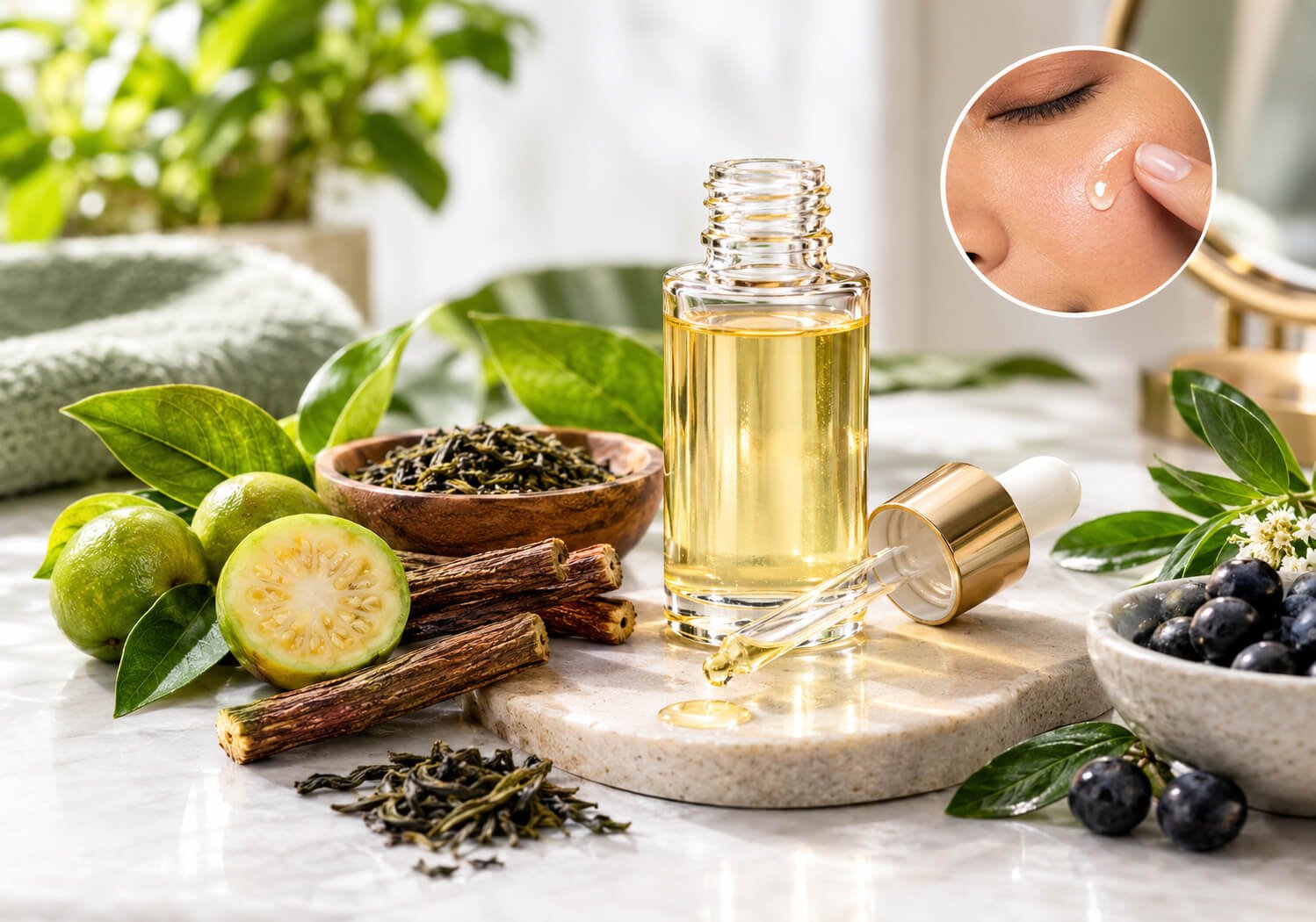
Dealing with stubborn dark spots, sun damage, and uneven skin tone can feel like an uphill battle. Many traditional brightening treatments rely on harsh synthetic chemicals that trigger irritation, redness, and compromised skin barriers, especially for sensitive complexions. Finding the best plant-based serum for hyperpigmentation allows you to harness potent botanical antioxidants and natural tyrosinase inhibitors to fade discoloration safely. This comprehensive guide explores top-tier botanical formulations, active ingredients, skin type considerations, and evidence-based application strategies to help you achieve a radiant, even complexion.
Quick Answer
The best plant-based serum for hyperpigmentation balances high-potency botanical extracts like vitamin C from kakadu plum, licorice root, and alpha-arbutin with soothing hydrators. Top picks include TruSkin Vitamin C Facial Serum for budget-friendly brightening, Sunday Riley C.E.O. 15% Vitamin C Serum for advanced clinical performance, and Biossance Squalane + 10% Vitamin C Dark Spot Serum for sensitive skin repair.
Understanding Hyperpigmentation: Causes and Biological Mechanisms
Hyperpigmentation occurs when specialized cells in the epidermis called melanocytes overproduce melanin, the pigment responsible for skin, hair, and eye color. This overproduction is primarily triggered by ultraviolet (UV) radiation, hormonal fluctuations, skin trauma, and inflammation from acne blemishes. When an injury or inflammatory response occurs, chemical messengers stimulate melanocytes to transfer excess melanin granules to surrounding keratinocytes, resulting in visible dark spots or patches.
To effectively correct hyperpigmentation, topical treatments must interrupt the melanin synthesis pathway at various stages. The key enzyme responsible for melanin production is tyrosinase. Botanical brighteners work by competitively inhibiting tyrosinase activity, neutralizing reactive oxygen species (ROS) caused by environmental pollutants, and accelerating cellular turnover in the stratum corneum. According to Harvard Health Publishing, combining targeted topical antioxidants with diligent daily sun protection is the gold standard for managing stubborn skin discoloration without inducing chronic irritation.
Key Plant-Based Active Ingredients to Look For
When shopping for a plant-derived dark spot corrector, scanning the ingredient deck for clinically backed botanicals ensures you invest in a formula that delivers tangible results. Unlike synthetic bleaching agents, botanical formulations work synergistically with your skin’s natural biology.
- Natural Vitamin C (Kakadu Plum & Acerola Cherry): Ascorbic acid derived from bio-fermented botanicals neutralizes free radicals, brightens dull surface cells, and inhibits tyrosinase activity.
- Licorice Root Extract (Glabridin): A time-tested botanical powerhouse that disperses melanin clusters and calms inflammatory pathways linked to post-inflammatory hyperpigmentation (PIH).
- Alpha-Arbutin: Sourced naturally from bearberry plants, this gentle glycoside releases hydroquinone slowly into the skin, blocking melanin synthesis with minimal risk of irritation.
- Bakuchiol: A plant-derived retinol alternative that promotes gentle cellular turnover, helping shed pigmented surface cells while reinforcing collagen integrity.
- Green Tea Polyphenols (EGCG): Powerful antioxidants that protect melanocytes from UV-induced oxidative stress and soothe active redness.
Comparison Table of Top Plant-Based Serums
| Product Name | Key Botanical Active | Best Suited For | Price Range |
| TruSkin Vitamin C Facial Serum | Botanical Vitamin C, Hyaluronic Acid, Vitamin E | All skin types, beginners | Budget (–$) |
| Sunday Riley C.E.O. 15% Vitamin C | THD Ascorbate, Turmeric, Safflower Extract | Dullness, stubborn dark spots | Premium ($$$) |
| Biossance Squalane + 10% Vitamin C | White Shiitake Mushroom, Squalane, Vitamin C | Sensitive skin, dehydration | Mid-Range ($$) |
| Mad Hippie Vitamin C Serum | Sodium Ascorbyl Phosphate, Ferulic Acid, Konjac Root | Oily & acne-prone skin | Budget (–$) |
| Caudalie Vinoperfect Anti-Dark Spot Serum | Grapevine Sap Viniferine | Melasma, pregnancy-safe care | Mid-Range ($$) |
| Youth To The People 15% Vitamin C Energy | Super-leaf Antioxidants, Caffeine, Vitamin C | Morning fatigue, uneven tone | Premium ($$$) |
| Paula’s Choice 25% Vitamin C + Glutathione | Botanical Glutathione, Vitamin C Blend | Advanced discoloration | Premium ($$$) |
| Herbivore Prism 20% AHA + BHA Glow | Natural Fruit Acids, Willow Bark, Bilberry | Texture refinement, dullness | Mid-Range ($$) |
In-Depth Product Reviews: The Best Plant-Based Serums for Hyperpigmentation
1. TruSkin Vitamin C Facial Serum
- Who it’s for: Budget-conscious shoppers and beginners looking for a gentle daily antioxidant boost.
- Key Features: Combines plant-based vitamin C with botanical hyaluronic acid, witch hazel, and organic aloe vera to hydrate while brightening.
- Pros: Highly affordable, lightweight texture, absorbs rapidly without greasy residue, excellent user satisfaction ratings.
- Cons: Lower concentration of active brightening agents means results take longer to manifest.
2. Sunday Riley C.E.O. 15% Vitamin C Brightening Serum
- Who it’s for: Individuals tackling stubborn sun spots and severe post-inflammatory hyperpigmentation who want fast clinical results.
- Key Features: Utilizes 15% oil-soluble THD ascorbate paired with antioxidant-rich turmeric root extract and saccharide isomerate.
- Pros: Highly stable formula, deeply moisturizing emulsion texture, visibly illuminates dull skin within weeks.
- Cons: Higher price point; rich texture may feel heavy for extremely oily skin types.
3. Biossance Squalane + 10% Vitamin C Dark Spot Serum
- Who it’s for: Those with reactive, sensitive skin who typically experience stinging from standard vitamin C serums.
- Key Features: Features unique white shiitake mushroom extract combined with plant-derived squalane and stable vitamin C.
- Pros: Exceptionally gentle barrier support, non-comedogenic, clinically tested to reduce dark spots without irritation.
- Cons: Dropper dispenser can sometimes dispense inconsistent amounts.
4. Mad Hippie Vitamin C Serum
- Who it’s for: Oily, acne-prone, and budget-conscious skincare enthusiasts seeking clean, cruelty-free formulas.
- Key Features: Formulated with sodium ascorbyl phosphate (a stable vitamin C salt), ferulic acid, hyaluronic acid, and konjac root.
- Pros: Natural ingredient deck, excellent for blemish-prone complexions, non-sticky matte finish.
- Cons: Pump packaging can occasionally clog if product crystallizes at the tip.
5. Caudalie Vinoperfect Anti-Dark Spot Serum
- Who it’s for: Expecting mothers and those struggling with stubborn melasma or hormonal pigmentation.
- Key Features: Powered by Viniferine, a patented natural extract derived from grapevine sap that is shown to be significantly more effective than standard brightening agents.
- Pros: Oil-free fluid, highly effective on hormonal melasma, gentle and clean formulation.
- Cons: Distinct herbal fragrance may not appeal to fragrance-sensitive users.
6. Youth To The People 15% Vitamin C + Clean Caffeine Energy Serum
- Who it’s for: Busy professionals looking to instantly revive tired, dull morning skin while fading pigmentation.
- Key Features: Blends 15% vitamin C with super-leaf extracts (kale, spinach) and energizing plant caffeine.
- Pros: Supercharges morning radiance, refreshing lightweight gel texture, ethical and sustainable brand ethos.
- Cons: Fast evaporation rate requires quick application upon dispensing.
7. Paula’s Choice 25% Vitamin C + Glutathione Clinical Serum
- Who it’s for: Advanced skincare users seeking multi-pathway correction for deep, entrenched sun damage.
- Key Features: Pairs a high-potency 25% vitamin C blend with antioxidant glutathione and soothing plant extracts.
- Pros: Multi-targeted approach to stubborn discoloration, elegant lotion texture, dermatologist-tested.
- Cons: High potency may cause mild tingling for first-time users.
8. Herbivore Prism 20% AHA + BHA Exfoliating Glow Serum
- Who it’s for: Those whose hyperpigmentation is accompanied by rough texture, clogged pores, and dead cell buildup.
- Key Features: A cocktail of natural fruit acids (AHAs), willow bark (BHA), and bilberry extract that exfoliates while hydrating with rosewater and aloe.
- Pros: Instantly smooths surface texture, clarifies congested pores, imparts a natural botanical scent.
- Cons: Requires diligent daytime SPF application due to active exfoliation.
How to Choose the Right Plant-Based Serum for Your Skin Type
Selecting the appropriate brightening serum requires understanding your skin’s unique physiological traits and barrier tolerance. According to clinical guidance from the Cleveland Clinic, matching your active ingredients to your skin type prevents adverse reactions and accelerates melanin clearance.
- For Sensitive Skin: Opt for gentle botanical brighteners like licorice root, white shiitake mushroom, and sodium ascorbyl phosphate. Avoid high concentrations of aggressive fruit acids that compromise the lipid barrier.
- For Oily and Acne-Prone Skin: Choose lightweight, water-based serums incorporating niacinamide alternatives, green tea extract, and gentle natural BHAs like willow bark to keep pores clear while fading acne scars.
- For Dry and Mature Skin: Look for emulsion-based serums infused with nourishing plant squalane, hyaluronic acid, and vitamin E to lock in moisture and support cellular turnover and aging skin.
How We Picked and Tested These Serums
Our editorial and skincare testing protocol prioritizes empirical evidence, ingredient safety, and real-world performance. We evaluate every product against rigorous standards to ensure our readers receive unbiased, high-value recommendations.
- Ingredient Transparency: We verify that every formula relies primarily on clinical-grade botanical extracts, avoiding synthetic parabens, phthalates, and unnecessary artificial fragrances.
- Concentration & Stability: We assess whether active ingredients like vitamin C and arbutin are present in effective concentrations and housed in opaque, airless packaging to prevent oxidation.
- User Experience & Tolerance: We analyze consumer feedback and patch-test formulas across diverse skin tones and sensitivities to evaluate texture, absorption, and layering compatibility.
- Brand Reputation: We review manufacturing standards, cruelty-free certifications, and adherence to clean beauty guidelines.
Application Guide, Layering, and Storage Tips
Maximizing the efficacy of your botanical brightening serum requires proper application technique and consistent daily habits. Skincare science shows that active ingredients perform best when integrated into a structured routine supported by restorative sleep and skin repair.
- Step 1: Cleanse: Wash your face with a gentle, non-stripping cleanser and pat dry with a clean towel.
- Step 2: Apply Serum: Dispense 3 to 4 drops of your plant-based serum onto your fingertips. Gently press and pat the product into clean skin, focusing on areas with pronounced dark spots.
- Step 3: Moisturize: Lock in the active botanicals by applying a nourishing moisturizer containing ceramides or essential antioxidant nutrients.
- Step 4: Protect: Every single morning, finish your routine with a broad-spectrum sunscreen of SPF 30 or higher. Without UV protection, melanin production will reactive instantly, neutralizing your serum’s progress.
Frequently Asked Questions
What is the best plant-based serum for hyperpigmentation?
The best plant-based serum depends on your specific skin type and budget. Top-rated options include TruSkin Vitamin C for daily maintenance, Sunday Riley C.E.O. for powerful spot-fading, and Biossance Squalane + Vitamin C for sensitive skin. Look for formulations containing stable botanical antioxidants and natural tyrosinase inhibitors.
How long does it take for plant-based serums to fade dark spots?
Because botanical brighteners work in harmony with your skin’s natural regeneration cycle, visible improvements typically take between four to eight weeks of consistent daily application. Stubborn hyperpigmentation or deep dermal melasma may require up to twelve weeks of continuous use alongside strict daily sun protection.
Can I use a botanical brightening serum every day?
Yes, most plant-based serums are formulated for daily use, typically once or twice per day depending on the concentration of active ingredients. If your serum contains natural exfoliating fruit acids (AHAs), start by applying it two to three times a week and gradually increase frequency as your skin builds tolerance.
Are plant-based serums safe for sensitive skin?
Many plant-based serums are exceptionally well-tolerated by sensitive skin because they avoid harsh synthetic bleaching agents. However, natural plant extracts and essential oils can occasionally trigger sensitivities. Always perform a patch test on your inner forearm 24 hours before applying any new active serum to your face.
Do natural dark spot correctors work on acne scars?
Yes, botanical serums containing ingredients like licorice root, vitamin C, and green tea extract are highly effective at fading post-inflammatory hyperpigmentation left behind by acne blemishes. They work by soothing residual micro-inflammation and dispersing accumulated melanin clusters within the upper dermal layers.
How should I store my botanical vitamin C serum?
Natural and plant-based serums lacking heavy synthetic preservatives are sensitive to light, heat, and air oxidation. Store your serum in a cool, dark place—such as a skincare refrigerator or a closed bathroom cabinet—and ensure the dropper cap is tightly sealed after every single use to maintain potency.
Conclusion and Expert Safety Notes
Fading hyperpigmentation naturally is a rewarding journey that requires patience, consistency, and respect for your skin’s delicate barrier. By choosing high-quality botanical formulations rich in proven tyrosinase inhibitors like licorice root, alpha-arbutin, and natural vitamin C, you can safely restore an even, luminous complexion without relying on harsh synthetic chemicals. Always pair your targeted routine with comprehensive sun protection and green tea extract benefits for optimal antioxidant defense. When evaluating active ingredients or introducing new products, remember that gentle, consistent care always outperforms aggressive irritation. Always follow proper patch testing and product safety guidelines to ensure healthy, glowing skin for years to come.