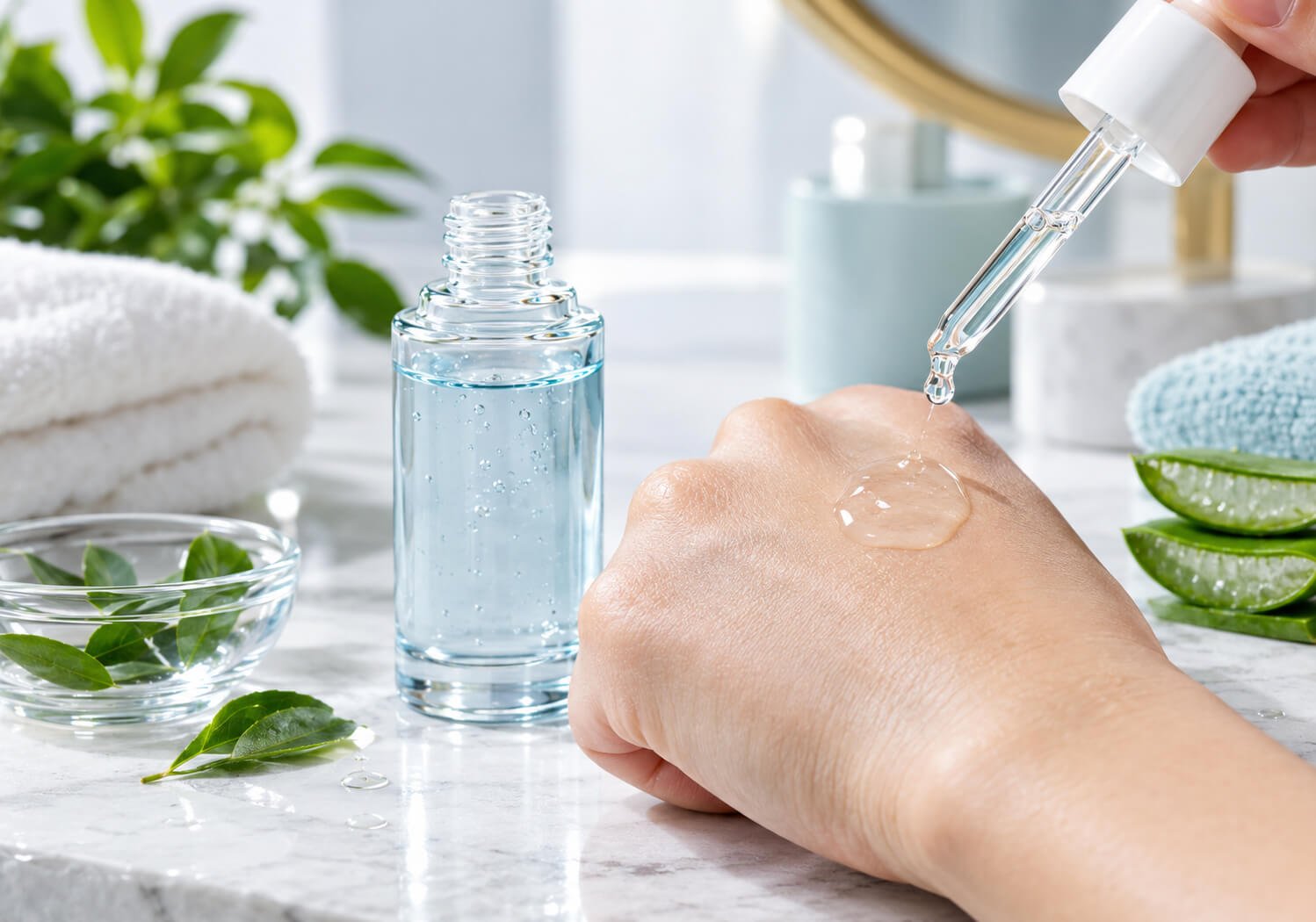
Sweating through a tough workout is a badge of honor, but the post-gym shine on your face is a different story. If you have oily or combination skin, finding the right post-workout skincare can feel like a losing battle. Heavy creams clog your pores, while skipping moisture entirely triggers your skin to produce even more oil. The solution is a lightweight hydrating serum for oily or combination skin. This type of product delivers essential moisture without the greasy residue, keeping your skin barrier intact and your complexion matte. As a strength coach, I teach my clients that recovery happens both inside the body and on its largest organ: your skin.
Quick Answer
The best lightweight hydrating serum for oily or combination skin contains humectants like hyaluronic acid or glycerin, paired with sebum-regulating ingredients like niacinamide. Look for oil-free, non-comedogenic formulas in a 1 fl oz (30 ml) bottle. Apply 2 to 3 drops to damp skin immediately after cleansing, followed by an oil-free moisturizer or sunscreen.
The Science of Oily and Combination Skin
Many people with oily skin believe they should strip their face of all moisture. This is a critical error. Your skin has a protective outer layer called the stratum corneum. When this barrier is stripped of water, it experiences transepidermal water loss (TEWL). According to the American Academy of Dermatology (AAD), when the skin barrier is compromised, it signals the sebaceous glands to overproduce sebum (oil) to compensate for the perceived dryness.
Combination skin features an oily T-zone (forehead, nose, chin) and normal or dry cheeks. A heavy moisturizer will suffocate the T-zone, while a harsh astringent will parch the cheeks. A water-based, lightweight hydrating serum for oily or combination skin bridges this gap. Humectants draw water into the skin without adding lipids (fats) that can clog pores. Research published in the Journal of Clinical and Aesthetic Dermatology confirms that humectants like glycerin and hyaluronic acid improve skin hydration and barrier function without exacerbating acne or oiliness.
Furthermore, managing your overall health impacts your skin. When you support metabolism naturally, your body’s systemic inflammation decreases, which can positively influence sebum production and skin clarity.
Comparison Table: Top Lightweight Hydrating Serums
| Product Name | Key Active Ingredients | Best For | Price Range |
| The Ordinary Hyaluronic Acid 2% + B5 | Hyaluronic Acid, Vitamin B5 | Budget-conscious, basic hydration | −−$ |
| La Roche-Posay Hyalu B5 Pure HA Serum | Hyaluronic Acid, Vitamin B5, Madecassoside | Sensitive combination skin, barrier repair | −−$ |
| Vichy Minéral 89 Hyaluronic Acid Serum | Hyaluronic Acid, Volcanic Water | Daily post-workout refresh, minimalism | $$ |
| Good Molecules Hyaluronic Acid Serum | Hyaluronic Acid, Sodium Hyaluronate | Layering under sunscreen, oily T-zones | $ |
| Geek & Gorgeous Jelly Joker | Hyaluronic Acid, Glycerin, Allantoin | Texture lovers, humid climates | −−$ |
| Paula’s Choice CLEAR Oil-Free Moisturizer | Hyaluronic Acid, Niacinamide, Licorice Root | Acne-prone combination skin, redness | −−$ |
(Note: Price ranges are relative. = Under $15, =15–35, $$ = Over $35. Prices may vary by retailer.)
In-Depth Product Reviews
1. The Ordinary Hyaluronic Acid 2% + B5
Who it’s for: Beginners and budget-conscious athletes who need straightforward, no-frills hydration.
Key Features: This formula uses three forms of hyaluronic acid at different molecular weights to hydrate multiple layers of the skin. Vitamin B5 (panthenol) enhances surface hydration. It is entirely free of oils, silicones, and fragrance.
Pros: Highly affordable, typically around $8 to $10 for a 1 fl oz (30 ml) bottle. Vegan, cruelty-free, and plays well under sunscreen.
Cons: The texture can feel slightly tacky if you apply too much or layer it incorrectly. It does not contain niacinamide, so it does not actively regulate oil production on its own.
2. La Roche-Posay Hyalu B5 Pure Hyaluronic Acid Serum
Who it’s for: Individuals with combination skin who also experience sensitivity, redness, or a compromised skin barrier from harsh acne treatments.
Key Features: Combines pure hyaluronic acid with vitamin B5 and madecassoside (a centella asiatica derivative). This trio actively repairs the skin barrier while plumping the skin with water.
Pros: Dermatologist-tested and suitable for sensitive skin. The texture is a true, lightweight gel that absorbs in under 30 seconds.
Cons: Priced at the higher end ($40 to $50 for 1 fl oz / 30 ml). Contains a small amount of fragrance, which may irritate highly reactive skin types.
3. Vichy Minéral 89 Hyaluronic Acid Face Serum
Who it’s for: Active individuals who want a minimalist, refreshing post-workout splash of hydration.
Key Features: Formulated with 89% Vichy Volcanic Water, rich in 15 minerals, and fortified with hyaluronic acid. It strengthens the skin barrier and neutralizes free radicals generated by sweat and environmental stress.
Pros: Extremely lightweight, water-like consistency. Fragrance-free, paraben-free, and non-comedogenic. Absorbs instantly without any sticky residue.
Cons: Lacks additional active ingredients like niacinamide or salicylic acid, meaning it purely hydrates without addressing active breakouts.
4. Good Molecules Hyaluronic Acid Serum
Who it’s for: Those who wear heavy, sweat-resistant sunscreen and need a serum that layers invisibly underneath.
Key Features: Features a blend of hyaluronic acid and sodium hyaluronate. The formula is designed to be exceptionally thin, mimicking the consistency of water rather than a traditional gel.
Pros: Very affordable (around $12 for 1 fl oz / 30 ml). Zero pilling under makeup or mineral sunscreen. Cruelty-free and vegan.
Cons: The watery texture can drip if you are not careful during application. It provides surface-level hydration but may not be enough for the dry cheeks of combination skin in winter.
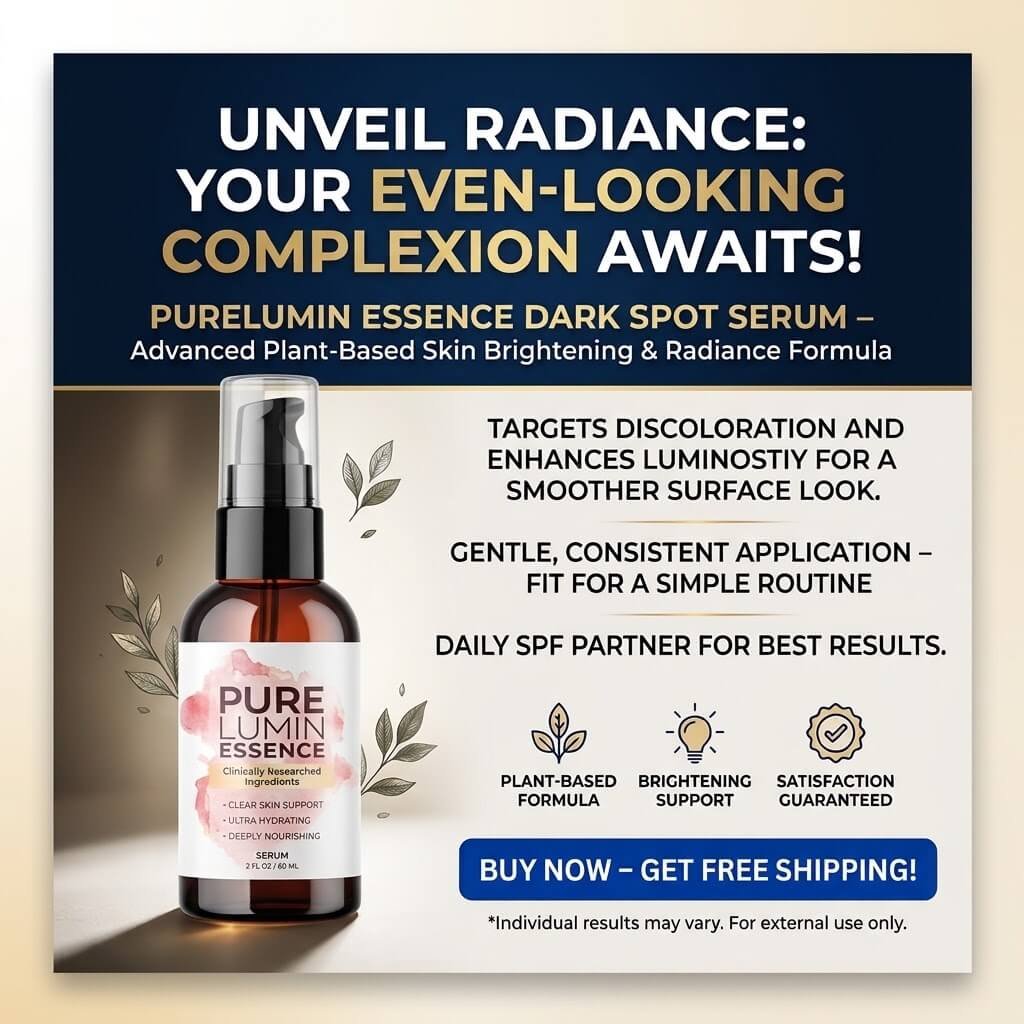
5. Geek & Gorgeous Jelly Joker Lightweight Hydrating Serum
Who it’s for: People living in humid climates or those who despise the feeling of any product sitting on their skin.
Key Features: A bouncy, jelly-like serum packed with hyaluronic acid, glycerin, and allantoin. It focuses on delivering a massive hit of hydration with a completely matte, skin-like finish.
Pros: Exceptional texture that feels cooling on hot, post-workout skin. Free of essential oils and fragrance. Highly cost-effective.
Cons: The brand is primarily available online, which may delay shipping. The jelly texture requires patting into the skin rather than rubbing.
6. Paula’s Choice CLEAR Oil-Free Moisturizer (Serum-Like Treatment)
Who it’s for: Athletes with combination skin who struggle with post-workout breakouts and redness.
Key Features: While technically a lightweight moisturizer, its gel-serum hybrid texture functions exactly like a hydrating serum. It contains hyaluronic acid for moisture, niacinamide to regulate sebum, and licorice root extract to calm redness.
Pros: Actively fights the root causes of oily skin and acne while hydrating. Non-comedogenic and fragrance-free.
Cons: More expensive ($33 for 2 fl oz / 60 ml). The inclusion of multiple active ingredients means a slightly higher risk of irritation for those with extremely sensitive skin.
How to Choose: Buyer’s Checklist
Selecting the right lightweight hydrating serum for oily or combination skin requires checking a few non-negotiable boxes. Use this checklist before you buy.
- Ingredient Profile: Look for humectants (hyaluronic acid, glycerin, sodium PCA) and sebum regulators (niacinamide, zinc). Avoid heavy occlusives like mineral oil, coconut oil, or shea butter high in the ingredient list.
- Non-Comedogenic Label: This ensures the product has been formulated and tested not to clog pores. This is critical for preventing post-workout breakouts.
- Texture: Opt for “water gel,” “essence,” or “serum” formulations. Avoid anything labeled “cream,” “balm,” or “oil.”
- Fragrance-Free: Synthetic fragrances and essential oils (like citrus or lavender) are common irritants that can trigger inflammation and excess oil production.
- Bottle Size and Value: A standard 1 fl oz (30 ml) bottle dispenses about 600 drops. Using 3 drops twice daily means one bottle should last roughly 3 to 4 months.
- Return Policy: Skincare is highly individual. Purchase from retailers with a 30- to 60-day return policy in case the formula causes purging or irritation.
Understanding how internal factors affect your body is just as important as topical care. For instance, learning how sleep affects metabolism is crucial, as poor sleep elevates cortisol. Elevated cortisol directly stimulates sebaceous glands, making your skin oilier and more prone to breakouts.
How We Picked
Our selection criteria are rooted in evidence-based dermatology and practical gym-bag usability. We prioritized products that are explicitly labeled non-comedogenic and fragrance-free. We cross-referenced ingredient lists with data from the Mayo Clinic regarding the safety and efficacy of topical hyaluronic acid. Finally, we evaluated value, ensuring each recommendation provides a cost-per-ounce that makes sense for consistent, long-term use.
Setup and Maintenance: The Post-Workout Application Routine
Using a serum correctly is just as important as the ingredients inside it. A poor application technique can render even the best product ineffective. Follow this step-by-step routine.
Step 1: Cleanse Immediately
Within 30 minutes of finishing your workout, wash your face with a gentle, water-based cleanser. This removes sweat, dirt, and excess sebum. Pat your face dry with a clean towel, leaving it slightly damp.
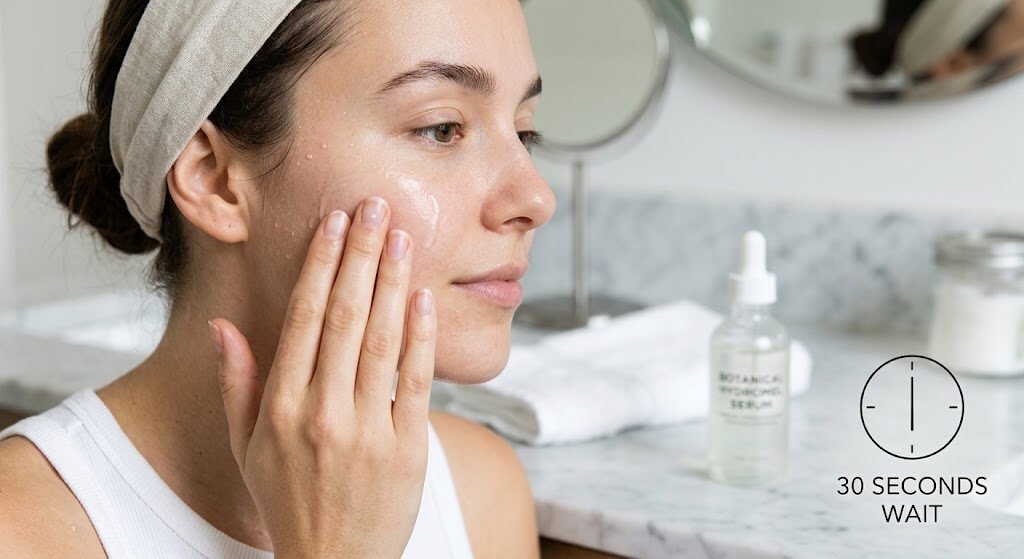
Step 2: Apply to Damp Skin
Hyaluronic acid can hold up to 1,000 times its weight in water. If you apply it to dry skin, it may pull moisture from the deeper layers of your skin, causing dehydration. Dispense 2 to 3 drops (about 0.5 ml, or the size of a small pea) into your palm. Press and pat the serum gently into your damp face and neck.
Step 3: Wait 30 to 60 Seconds
Allow the serum to fully absorb. Your skin should feel supple and slightly tacky, but not wet.
Step 4: Lock It In
A serum is not a standalone moisturizer. You must seal the hydration with a lightweight, oil-free moisturizer or a broad-spectrum SPF 30+ sunscreen if you are heading outdoors.
Coach’s Tip: Keep your serum in a cool, dry place, or even in a gym bag cooler pouch during summer. A chilled hyaluronic acid serum provides an immediate vasoconstrictive effect, reducing post-workout facial redness and puffiness.
Common Mistake: Using too much product. A 1 fl oz (30 ml) bottle is highly concentrated. Applying more than 3 to 4 drops will not increase hydration; it will simply evaporate or pill under your sunscreen, wasting your money.
Routine Regression (For Sensitive Skin)
If your skin is easily irritated, simplify the routine. Use a hydrating cleanser, apply 2 drops of a basic hyaluronic acid serum (like Vichy Minéral 89), and follow with a plain ceramide moisturizer. Skip all active ingredients like niacinamide or exfoliating acids until your barrier is healed.
Routine Progression (For Active Acne and Oily Skin)
If you are managing active breakouts alongside oiliness, introduce a chemical exfoliant. On alternate nights, replace the hydrating serum with a 2% salicylic acid (BHA) liquid exfoliant. On the other nights, use your lightweight hydrating serum for oily or combination skin, followed by a niacinamide treatment. Ensure your protein intake is adequate, as amino acids are the building blocks for skin tissue repair and collagen synthesis.
Frequently Asked Questions (FAQ)
What is the best lightweight hydrating serum for oily or combination skin?
The best choice depends on your specific needs. For pure hydration on a budget, The Ordinary Hyaluronic Acid 2% + B5 is excellent. For combination skin with redness or breakouts, Paula’s Choice CLEAR Oil-Free Moisturizer offers hydration plus niacinamide to regulate oil.
Can oily skin use a hydrating serum?
Yes, absolutely. Oily skin is often dehydrated. Skipping hydration signals your skin to produce more oil to compensate. A water-based, non-comedogenic hydrating serum provides necessary moisture without adding pore-clogging fats.
Does hyaluronic acid make oily skin worse?
No. Hyaluronic acid is a humectant, meaning it draws water into the skin. It is oil-free and non-comedogenic. It will not increase sebum production. However, it must be applied to damp skin and sealed with a moisturizer to prevent it from drawing moisture out of your skin.
How do I layer a hydrating serum with sunscreen?
Apply your hydrating serum to clean, damp skin first. Wait 30 to 60 seconds for it to absorb. Then, apply a broad-spectrum, oil-free sunscreen as the final step in your morning routine. The serum will actually help your sunscreen apply more smoothly.
Is niacinamide good for oily and combination skin?
Yes. Clinical studies, including those noted by the National Institutes of Health (NIH), show that topical niacinamide (at 2% to 5% concentrations) significantly reduces sebum excretion rates and improves skin barrier function, making it ideal for oily and combination skin types.
Can a hydrating serum replace moisturizer for oily skin?
Generally, no. Serums are designed to deliver active ingredients and hydration, but they lack the occlusive properties needed to prevent transepidermal water loss (TEWL). Even oily skin needs a lightweight, oil-free moisturizer to lock the serum’s benefits in place.
Conclusion
Finding the right lightweight hydrating serum for oily or combination skin transforms your post-workout recovery. It stops the cycle of dehydration and oil overproduction, leaving your complexion balanced, clear, and healthy. Remember to prioritize water-based formulas with proven humectants like hyaluronic acid and glycerin. Apply them to damp skin, keep the dosage to 2 or 3 drops, and always seal the deal with an oil-free moisturizer or sunscreen.
Your skin works as hard as you do in the gym. Give it the precise, evidence-based care it needs to recover and thrive. If you are unsure about persistent skin conditions, consulting a professional is always the best next step. This article is for general information and is not a substitute for advice from a doctor or physical therapist.