As a strength and conditioning coach, I train athletes who push their limits outdoors and in the gym. Intense training, sweat, and prolonged sun exposure can lead to skin discoloration and damage. Finding the best serum ingredients for uneven skin tone is just as important as choosing the right recovery protocol for your muscles. Your skin is your largest organ, and it requires targeted, evidence-based care to heal and thrive. This guide breaks down the science, practical application, and routine-building strategies you need to achieve a clear, even complexion.
Quick Answer
The best serum ingredients for uneven skin tone include vitamin C, niacinamide, alpha arbutin, and tranexamic acid. These compounds work by inhibiting melanin production, accelerating cell turnover, and reducing inflammation. For active individuals, pairing these targeted ingredients with daily SPF 30+ sunscreen is non-negotiable for lasting, safe results.
Understanding Uneven Skin Tone in Active Individuals
Uneven skin tone, clinically known as hyperpigmentation, occurs when your skin produces excess melanin. This can manifest as dark spots, sun damage, melasma, or post-inflammatory hyperpigmentation (PIH) from acne or minor training scrapes.
For runners, cyclists, and outdoor athletes, ultraviolet (UV) radiation is the primary trigger. UV rays stimulate melanocytes to overproduce melanin as a defense mechanism. Additionally, intense physical stress can increase systemic inflammation, which may exacerbate conditions like melasma. Just as you would evaluate ingredients effectively in your nutrition plan, you must apply the same scrutiny to topical skincare. Understanding the root cause allows you to select ingredients that interrupt the pigmentation pathway safely and effectively.
Comparison Table: Top Serum Ingredients
Before diving into the details, here is a quick reference guide to the most effective active compounds.
| Ingredient | Key Benefit | Best For | Ideal Concentration |
| Vitamin C (L-Ascorbic Acid) | Antioxidant, blocks tyrosinase | Sun damage, overall dullness | 10% – 20% |
| Niacinamide (Vitamin B3) | Stops melanin transfer, strengthens barrier | Sensitive skin, acne marks (PIH) | 2% – 5% |
| Alpha Arbutin | Safe tyrosinase inhibitor | Stubborn dark spots, melasma | 1% – 2% |
| Tranexamic Acid | Interferes with melanin synthesis | Hormonal pigmentation, redness | 2% – 5% |
| Glycolic Acid (AHA) | Exfoliates dead surface cells | Rough texture, surface discoloration | 5% – 10% |
| Retinol (Vitamin A) | Boosts cell turnover and collagen | Aging skin, deep hyperpigmentation | 0.25% – 1% |
| Kojic Acid | Fungal-derived brightening agent | Age spots, sun damage | 1% – 4% |
| Licorice Root Extract | Anti-inflammatory, gentle brightening | Highly sensitive, redness-prone skin | 0.5% – 1% (Glabridin) |
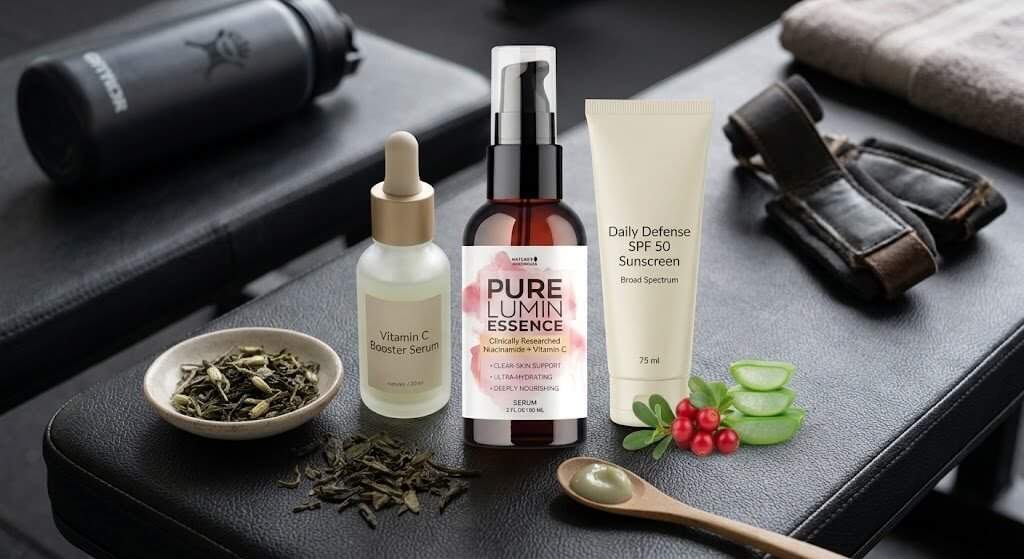
Deep Dive into the Best Serum Ingredients for Uneven Skin Tone
To get real results, you need to know how each ingredient works, who it is for, and how to apply it. Think of your skin barrier like your joint cartilage: it needs the right nutrients to stay resilient under stress. Ensuring you consume essential nutrients that support skin health from the inside out will amplify your topical efforts.
1. Vitamin C (L-Ascorbic Acid)
Vitamin C is a powerhouse antioxidant. It neutralizes free radicals generated by UV exposure and intense exercise. More importantly, it inhibits tyrosinase, the enzyme responsible for melanin production, while simultaneously boosting collagen synthesis.
- Who it’s for: All skin types, especially those with sun damage or dullness.
- Key Features: Look for L-ascorbic acid paired with ferulic acid and vitamin E for maximum stability and efficacy.
- Pros: Brightens overall complexion, protects against environmental damage, boosts collagen.
- Cons: Can be unstable (oxidizes quickly), may cause mild tingling or irritation in sensitive skin.
- Coach’s Application Tip: Apply a pea-sized amount (about 0.04 oz or 1 g) to clean, dry skin in the morning. Wait 2–3 minutes before applying your moisturizer and sunscreen.
2. Niacinamide (Vitamin B3)
Niacinamide does not stop melanin production; instead, it prevents the transfer of melanin packets (melanosomes) from melanocytes to the visible skin cells (keratinocytes). It also reinforces the skin barrier by increasing ceramide production.
- Who it’s for: Sensitive, acne-prone, or barrier-compromised skin.
- Key Features: Highly stable, water-soluble, and plays well with almost all other ingredients.
- Pros: Reduces redness, minimizes pore appearance, fades PIH, strengthens the skin barrier.
- Cons: High concentrations (over 10%) can cause temporary flushing or irritation.
- Common Mistake: Using a 10% or 20% niacinamide serum thinking “more is better.” Research shows that 2% to 5% is highly effective for pigmentation with a much lower risk of irritation.
3. Alpha Arbutin
Alpha arbutin is a naturally occurring derivative of hydroquinone, found in bearberry, cranberry, and mulberry plants. It is a highly effective tyrosinase inhibitor but lacks the severe safety concerns associated with prescription hydroquinone.
- Who it’s for: Individuals with stubborn dark spots, melasma, or those who cannot tolerate stronger acids.
- Key Features: Gentle, stable, and often combined with hyaluronic acid for hydration.
- Pros: Very low irritation risk, safe for long-term use, highly targeted for specific dark spots.
- Cons: Works slower than prescription alternatives; requires consistent use over 8–12 weeks.
- Coach’s Application Tip: Apply directly to hyperpigmented areas after cleansing. It pairs beautifully with vitamin C in the morning for a synergistic brightening effect.
4. Tranexamic Acid
Originally used orally to prevent excessive bleeding, topical tranexamic acid has emerged as a breakthrough treatment for melasma and post-inflammatory hyperpigmentation. It works by inhibiting the interaction between melanocytes and keratinocytes, specifically targeting the inflammatory pathways that trigger pigmentation.
- Who it’s for: Those with hormonal pigmentation (melasma) or persistent redness and PIH.
- Key Features: Often formulated at 2% to 5% in lightweight serums.
- Pros: Highly effective for melasma, reduces redness, generally well-tolerated.
- Cons: Can be expensive; results take 8–12 weeks of consistent use.
- Common Mistake: Expecting overnight results. Tranexamic acid is a marathon, not a sprint. Consistency over three months is required to see significant fading.
5. Glycolic Acid (AHA)
Glycolic acid is an alpha-hydroxy acid derived from sugar cane. It has the smallest molecular size of all AHAs, allowing it to penetrate deeply and dissolve the “glue” holding dead, pigmented skin cells together.
- Who it’s for: Those with rough texture, dullness, and surface-level discoloration.
- Key Features: Available in toners (5%) or serums (10%). Requires a low pH (around 3.5–4) to be effective.
- Pros: Rapidly improves skin texture, enhances the penetration of other serums, promotes a radiant glow.
- Cons: Increases sun sensitivity, can cause dryness or stinging if overused.
- Coach’s Application Tip: Start with a 5% concentration, 2–3 times per week at night. Never use glycolic acid right before a long outdoor run without applying heavy sunscreen the next day.
6. Retinol (Vitamin A)
Retinol is the gold standard for anti-aging and cellular turnover. It accelerates the shedding of pigmented cells and stimulates new, evenly toned cells to rise to the surface. It also thickens the deeper layers of the skin, improving overall resilience.
- Who it’s for: Mature skin, deep hyperpigmentation, and those seeking anti-aging benefits.
- Key Features: Start with low concentrations (0.25% or 0.3%) and gradually build tolerance.
- Pros: Fades deep spots, smooths fine lines, improves overall skin density.
- Cons: High risk of irritation, peeling, and sun sensitivity during the initial “retinization” phase.
- Common Mistake: Applying retinol to damp skin. Always apply retinol to completely dry skin to minimize irritation and control the rate of absorption.
7. Kojic Acid
Derived from fungi (specifically mushrooms used in sake fermentation), kojic acid is another potent tyrosinase inhibitor. It is often used as a gentler alternative to hydroquinone in over-the-counter brightening products.
- Who it’s for: Individuals with sun damage, age spots, or scar discoloration.
- Key Features: Often combined with glycolic acid or vitamin C to enhance penetration and efficacy.
- Pros: Effective at fading established dark spots, natural origin.
- Cons: Can be unstable and oxidize (turn brown) in the bottle; may cause contact dermatitis in sensitive individuals.
- Coach’s Application Tip: Look for serums in opaque, airless pump bottles to prevent the kojic acid from degrading.
8. Licorice Root Extract (Glabridin)
Licorice root extract contains glabridin, a compound that inhibits tyrosinase while providing strong anti-inflammatory benefits. It is one of the gentlest brightening agents available.
- Who it’s for: Highly sensitive skin, rosacea-prone skin, or those who react to acids and retinols.
- Key Features: Often found in “calming” or “redness relief” serums alongside centella asiatica.
- Pros: Soothes inflammation while brightening, zero exfoliation, safe for daily use.
- Cons: Milder than other ingredients, so it may not be strong enough for severe melasma on its own.
- Synergy Note: Pairing licorice root with gentle, non-irritating support for your body aligns with a holistic, low-stress approach to both fitness and skincare recovery.
How to Choose the Right Serum (Buyer’s Checklist)
Navigating the skincare aisle can feel as overwhelming as reading a complex periodized training program. Use this checklist to make an informed decision:
- Identify Your Skin Type: Oily skin benefits from lightweight, water-based serums (like niacinamide). Dry skin needs serums with added humectants like hyaluronic acid or glycerin.
- Assess Sensitivity: If your skin stings easily, avoid high-percentage glycolic acid or retinol. Start with licorice root extract or low-dose niacinamide.
- Check the Packaging: Vitamin C and kojic acid degrade in light and air. Always choose dark amber glass bottles or opaque, airless pump dispensers.
- Review the Concentration: More is not always better. A 5% niacinamide serum will yield better long-term results than a 15% serum that destroys your skin barrier.
- Set a Realistic Budget: Effective ingredients do not require a luxury price tag. Many evidence-based, dermatologist-recommended brands offer high-quality serums in the 15–40 range.
- Consider the Full Picture: Remember that factors that affect your body’s overall health, including stress, hydration, and diet, directly impact your skin’s ability to heal and maintain an even tone.
How We Picked These Ingredients
As a coach committed to evidence-based practice, I do not recommend trends or influencer hype. The ingredients listed above were selected based on strict criteria:
- Clinical Backing: Each ingredient has multiple peer-reviewed studies demonstrating its efficacy in reducing hyperpigmentation.
- Safety Profile: We prioritized ingredients with a low risk of severe adverse effects, making them suitable for long-term use.
- Synergy with Active Lifestyles: These ingredients address the specific skin stressors faced by athletes, such as UV exposure, sweat-induced irritation, and inflammation.
- Accessibility: All recommended ingredients are widely available in over-the-counter formulations without requiring a prescription.
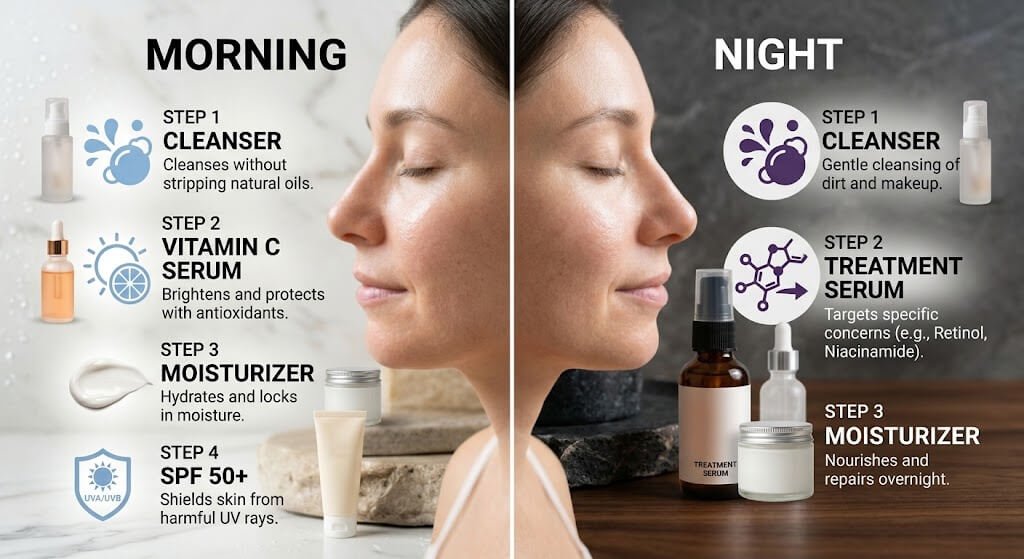
Setup and Maintenance: Building an Athlete’s Skincare Routine
Consistency is the most critical variable in both fitness and skincare. You cannot do one heavy squat session and expect permanent strength gains, just as you cannot apply a brightening serum once and expect dark spots to vanish. Here is a practical, sustainable routine.
Morning Routine (Protection and Prevention)
- Cleanse: Use a gentle, hydrating cleanser to remove overnight sweat and sebum.
- Treat: Apply a Vitamin C or Alpha Arbutin serum to clean, dry skin.
- Moisturize: Lock in hydration with a lightweight, non-comedogenic moisturizer.
- Protect: Apply a broad-spectrum sunscreen (SPF 30 or higher). This is the most crucial step. Without SPF, any brightening serum is rendered useless, as UV rays will continuously trigger melanin production.
Night Routine (Repair and Renewal)
- Cleanse: Use a double-cleanse method (oil-based cleanser followed by a water-based cleanser) to thoroughly remove sunscreen, sweat, and environmental pollutants.
- Treat: Apply your active treatment serum. Note: Alternate nights between exfoliating acids (Glycolic) and cell-communicating ingredients (Retinol) to prevent barrier damage.
- Support: Apply a Niacinamide serum or a barrier-repair moisturizer containing ceramides.
- Recover: Prioritize quality sleep, which is crucial for cellular repair. Growth hormone peaks during deep sleep, aiding in the regeneration of both muscle tissue and skin cells.
Weekly Maintenance
- Exfoliate with a glycolic acid product 1–2 times per week, skipping retinol on those nights.
- Ensure you are hydrating adequately. Just as you support your metabolism naturally through proper hydration and nutrition, your skin requires adequate water intake to maintain plumpness and facilitate the shedding of pigmented cells.
- Consider incorporating antioxidants like green tea extract, which also offers antioxidant benefits, either topically or through diet, to further combat exercise-induced oxidative stress.
Frequently Asked Questions (FAQ)
What is the absolute best serum ingredient for uneven skin tone?
There is no single “best” ingredient, as it depends on your skin type. However, Vitamin C and Niacinamide are the most universally effective and well-tolerated starting points for general sun damage and post-inflammatory hyperpigmentation.
How long does it take for niacinamide to fade dark spots?
Clinical studies show that consistent, twice-daily use of 2% to 5% niacinamide yields visible improvements in hyperpigmentation within 8 to 12 weeks. Patience and daily sunscreen use are required for these results.
Can I use vitamin C and retinol together?
It is generally recommended to separate them. Use Vitamin C in the morning for its antioxidant and protective benefits, and Retinol at night for cellular renewal. This prevents irritation and maximizes the efficacy of both ingredients.
Are these serum ingredients safe for sensitive skin?
Yes, but you must choose carefully. Niacinamide, Alpha Arbutin, and Licorice Root Extract are highly soothing and safe for sensitive skin. Avoid high-percentage Glycolic Acid or Retinol until your skin barrier is fully strengthened.
Does sunscreen really make a difference when using brightening serums?
Absolutely. Brightening ingredients make your skin more susceptible to UV damage, and UV rays directly trigger the melanin production you are trying to stop. Skipping sunscreen will reverse any progress made by your serums.
Can tranexamic acid be used with alpha arbutin?
Yes, they work synergistically. Tranexamic acid targets the inflammatory pathways of pigmentation, while alpha arbutin inhibits the tyrosinase enzyme. Using them together can provide a comprehensive approach to stubborn melasma.
Conclusion
Achieving an even complexion requires the same dedication, consistency, and evidence-based approach as your strength and conditioning program. By selecting the best serum ingredients for uneven skin tone—such as vitamin C, niacinamide, alpha arbutin, and tranexamic acid—you can effectively target hyperpigmentation at its source. Remember to introduce new products slowly, respect your skin barrier, and never skip your daily SPF. Your skin is working hard to protect you during every workout; it is time to return the favor with smart, targeted care.