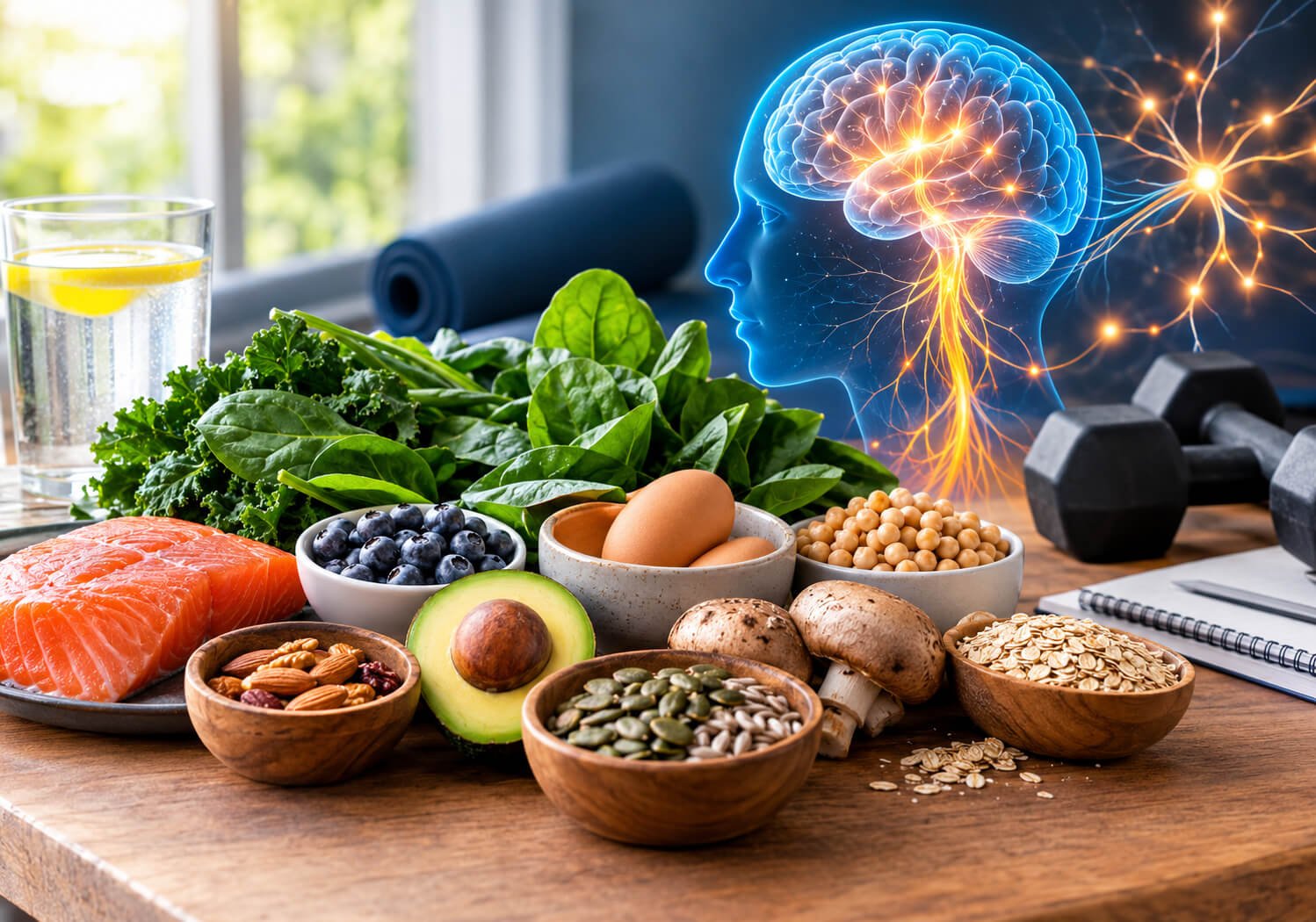
When you step into the gym, you probably think about your muscles, your lungs, and maybe your joints. But as a strength and conditioning coach, I focus on the system that runs it all: your nervous system. Every squat you perform and every strategy you plan during a pickleball match depends on your nerves communicating clearly with your brain. To keep that communication fast and accurate, you need the right vitamins for nerve health and cognitive function. Without these essential nutrients, your “internal wiring” can start to fray, leading to slower reaction times, brain fog, and even physical discomfort.
Quick Answer: Essential Vitamins for Your Nerves and Brain
The most critical vitamins for nerve health and cognitive function include the B-complex family (specifically B1, B6, and B12), Vitamin D, and Vitamin E. These nutrients help maintain the myelin sheath (nerve insulation), support neurotransmitter production, and protect brain cells from oxidative stress. A balanced diet supplemented by high-quality vitamins can support sharper focus and better physical coordination.
The Connection Between Your Nerves and Your Gains
Most people think of “fitness” as something that happens in the muscle fibers. In reality, fitness starts in the motor cortex of your brain. When you decide to lift a weight, your brain sends an electrical signal down your spinal cord, through your peripheral nerves, and into your muscles.
If your nerve health is compromised, that signal gets “staticky.” You might feel weaker than you actually are, or you might find your balance is off. This is why I tell my clients that nutrition isn’t just about protein for muscles; it’s about fuel for the nervous system. As we age, especially for women over 40 and seniors, maintaining this neural drive is the key to staying independent and active.
The Role of Cognitive Function in Exercise
Cognitive function isn’t just about doing crossword puzzles. It’s about “executive function”—the ability to focus, plan, and react. In sports like pickleball or even high-intensity interval training, your brain has to process information quickly. Research shows that certain vitamins support the “synaptic plasticity” required for learning new movements and staying mentally sharp during physical stress.

The B-Vitamin Powerhouse: The Foundation of Nerve Health
If we were to rank the vitamins for nerve health and cognitive function, the B-complex family would be at the top of the podium. These water-soluble vitamins are essential for energy production and the maintenance of your nervous system’s structure.
1. Vitamin B12 (Cobalamin)
Vitamin B12 is the most famous for a reason. It is responsible for maintaining the myelin sheath. Think of myelin as the rubber coating on an electrical wire. If the coating wears away, the wire shorts out. In your body, damaged myelin leads to peripheral neuropathy—tingling, numbness, and weakness.
According to the National Institutes of Health (NIH), B12 deficiency is a common cause of cognitive decline and nerve damage, especially in older adults. Since B12 is primarily found in animal products, vegetarians and vegans must be extra careful.

2. Vitamin B6 (Pyridoxine)
B6 is a busy worker. It helps your body create neurotransmitters like dopamine and serotonin. These chemicals regulate your mood and your ability to focus. From a physical standpoint, B6 is also involved in which nutrients support normal energy metabolism, helping you turn food into the fuel your nerves need to fire.
3. Vitamin B1 (Thiamine)
Thiamine is often called the “anti-stress” vitamin. It helps the body produce energy and is crucial for nerve conduction. Without enough B1, your nerves can’t effectively send the electrical signals required for muscle contraction.
- Coach’s Tip: If you feel chronically fatigued even when your calories are high, check your B-vitamin intake. These vitamins help unlock the energy in your food.
Vitamin D: The “Sunshine Vitamin” for Brain Health
Vitamin D acts more like a hormone than a vitamin. Almost every cell in your brain has a Vitamin D receptor. This suggests that it plays a massive role in how our brains function.
Research published in the journal Nutrients suggests that low levels of Vitamin D are linked to an increased risk of cognitive decline and dementia. For my clients who train indoors or live in northern climates, Vitamin D is a non-negotiable supplement. It doesn’t just support bone health; it supports the very architecture of your thoughts.

Antioxidants: Protecting the Brain and Nerves
Exercise is great, but it does create “oxidative stress.” This is a natural byproduct of using oxygen to create energy. However, if you don’t have enough antioxidants, this stress can damage your nerve cells and lead to inflammation.
Vitamin E
Vitamin E is a powerful fat-soluble antioxidant. It sits in the membranes of your nerve cells and protects them from damage. Some studies, like those found on PubMed, have looked at how Vitamin E might slow the progression of cognitive decline in people with existing memory issues.
Vitamin C
While we usually think of Vitamin C for the immune system, it is also found in high concentrations in the brain. It helps with the maturation of neurons and the formation of the myelin sheath.
Magnesium and Minerals: The Supporting Cast
While they aren’t vitamins, minerals like magnesium are essential for vitamins for nerve health and cognitive function to work correctly. Magnesium acts as a “gatekeeper” for NMDA receptors, which are involved in brain development, memory, and learning. It also helps your muscles relax after the nerves tell them to contract.
I often recommend magnesium to athletes who experience muscle cramps or have trouble winding down at night. Improving your sleep quality is one of the best ways to support metabolism naturally and keep your brain sharp the next day.
A Strength Coach’s Nerve-Health Workout
You can eat all the vitamins in the world, but you also need to “challenge” your nerves to keep them healthy. This is called neuromuscular training. It improves the connection between your brain and your body.
Here is a sample routine I use with my senior and beginner clients to improve nerve conduction and cognitive focus.
The Neuromuscular Efficiency Routine
| Exercise | Sets | Reps/Time | Rest | Why it works |
| Single-Leg Balance | 3 | 30 sec per leg | 30 sec | Challenges proprioception (nerve feedback) |
| Wall Slides | 2 | 12 reps | 60 sec | Improves upper body nerve pathways |
| Tandem Walk | 3 | 20 feet (6m) | 45 sec | Enhances coordination and balance |
| Ball Drops (Reaction) | 2 | 10 catches | 60 sec | Sharpens cognitive processing speed |
Form Cues for Single-Leg Balance:
- Stand near a wall or sturdy chair for safety.
- Lift one foot off the ground, keeping your hips level.
- Coach’s Tip: “Root” your standing foot into the floor like a tree. Imagine your toes grabbing the ground.
- Keep your gaze fixed on a spot about 5 feet (1.5m) in front of you.
- Regression (Easier): Keep the toes of your non-standing foot lightly touching the ground (kickstand).
- Progression (Harder): Perform the balance while slowly turning your head left to right or closing your eyes.

How to Get These Vitamins Through Diet
Before reaching for a pill bottle, I always suggest looking at your plate. Whole foods provide a matrix of nutrients that are often absorbed better than isolated supplements.
Best Foods for Nerve and Brain Health:
- Vitamin B12: Beef, clams, sardines, eggs, and fortified nutritional yeast.
- Vitamin B6: Chickpeas, tuna, salmon, and bananas.
- Folate (B9): Dark leafy greens (spinach, kale), asparagus, and avocado.
- Vitamin D: Fatty fish, egg yolks, and UV-exposed mushrooms. (Note: It is very hard to get enough Vitamin D from food alone).
- Vitamin E: Almonds, sunflower seeds, and spinach.
For those focusing on weight management, these foods are excellent because they are nutrient-dense, meaning they provide a lot of “bang for your buck” in terms of health benefits per calorie.
Common Mistake: Overdoing the B6
While B-vitamins are generally safe, Vitamin B6 is one you shouldn’t over-supplement. Extremely high doses of B6 over a long period can actually cause peripheral neuropathy, the very thing you are trying to prevent. Always stick to the recommended daily allowance (RDA) unless a doctor tells you otherwise.
The Role of Metabolic Health in Nerve Function
There is a huge overlap between metabolic health and nerve health. Conditions like high blood sugar can damage small blood vessels that supply oxygen to your nerves. This is why people with diabetes often suffer from neuropathy.
Using strategies to increase metabolism naturally—like strength training and eating enough protein—helps keep your blood sugar stable. This protects your nerves from the “caramelization” effect that high sugar can have on tissues.
Furthermore, how you sleep plays a role. We know that sleep affects metabolism and weight management, but sleep is also when your brain’s “glymphatic system” clears out metabolic waste. If you don’t sleep, your brain stays “cluttered,” leading to poor cognitive function the next day.
Evaluating Supplements for Nerve and Brain Health
If you decide to supplement, you need to know what to look for. The supplement market is full of “brain boosters” that don’t have enough of the active ingredients to make a difference.
- Check for Active Forms: For B12, look for methylcobalamin rather than cyanocobalamin. Methylcobalamin is the form naturally found in the body and is often better absorbed.
- Look for Third-Party Testing: Since supplements aren’t tightly regulated, look for seals from NSF or USP. This ensures that what is on the label is actually in the bottle.
- Avoid “Proprietary Blends”: You want to know exactly how many milligrams of each vitamin you are getting. This is a key part of how to evaluate ingredients in weight management supplements as well.
FAQ: Your Questions About Nerve Vitamins Answered
What vitamins are best for nerve health?
The most important vitamins for nerve health are the B-complex vitamins, especially B1, B6, and B12. These support the myelin sheath and nerve signaling. Additionally, Vitamin D and Vitamin E provide neuroprotective benefits that help prevent damage to nerve cells over time.
Can vitamins stop cognitive decline?
While vitamins cannot “cure” diseases like Alzheimer’s, they are essential for maintaining brain health. Research suggests that maintaining optimal levels of Vitamin B12, Folate, and Vitamin D can help slow the rate of age-related cognitive decline and keep your memory sharper for longer.
How much B12 do I need for nerves?
The RDA for Vitamin B12 for most adults is 2.4 micrograms. However, older adults or those with digestive issues may need higher doses because absorption becomes more difficult with age. Always have your levels tested by a doctor before starting a high-dose supplement.
Do I need Vitamin D for brain health?
Yes, Vitamin D is crucial for cognitive function. It helps regulate neurotransmitters and protects against inflammation in the brain. Low levels of Vitamin D have been linked to “brain fog” and a higher risk of developing cognitive impairments later in life.
Can B-vitamins help with neuropathy?
In cases where neuropathy is caused by a deficiency, B-vitamin supplementation (especially B12) can be very effective at reducing symptoms like tingling and numbness. However, if the nerve damage is caused by trauma or other medical conditions, vitamins may only provide partial support.
Are there side effects to taking nerve vitamins?
Most nerve-health vitamins are safe at standard doses. However, excessive Vitamin B6 can cause nerve damage, and fat-soluble vitamins (A, D, E, K) can build up in the body. It is important to follow dosage guidelines and consult with a healthcare professional.
Conclusion: Putting it All Together
Taking care of your internal “wiring” is just as important as building your external muscles. By ensuring you get enough vitamins for nerve health and cognitive function, you are protecting your ability to move well, react quickly, and stay focused. Focus on a diet rich in B-vitamins, fatty fish, and leafy greens. Combine this with regular balance and coordination training, and you will be miles (km) ahead of the average person.
Your nervous system is the commander of your body. Treat it with the respect it deserves, and it will keep you performing at your best for decades to come.