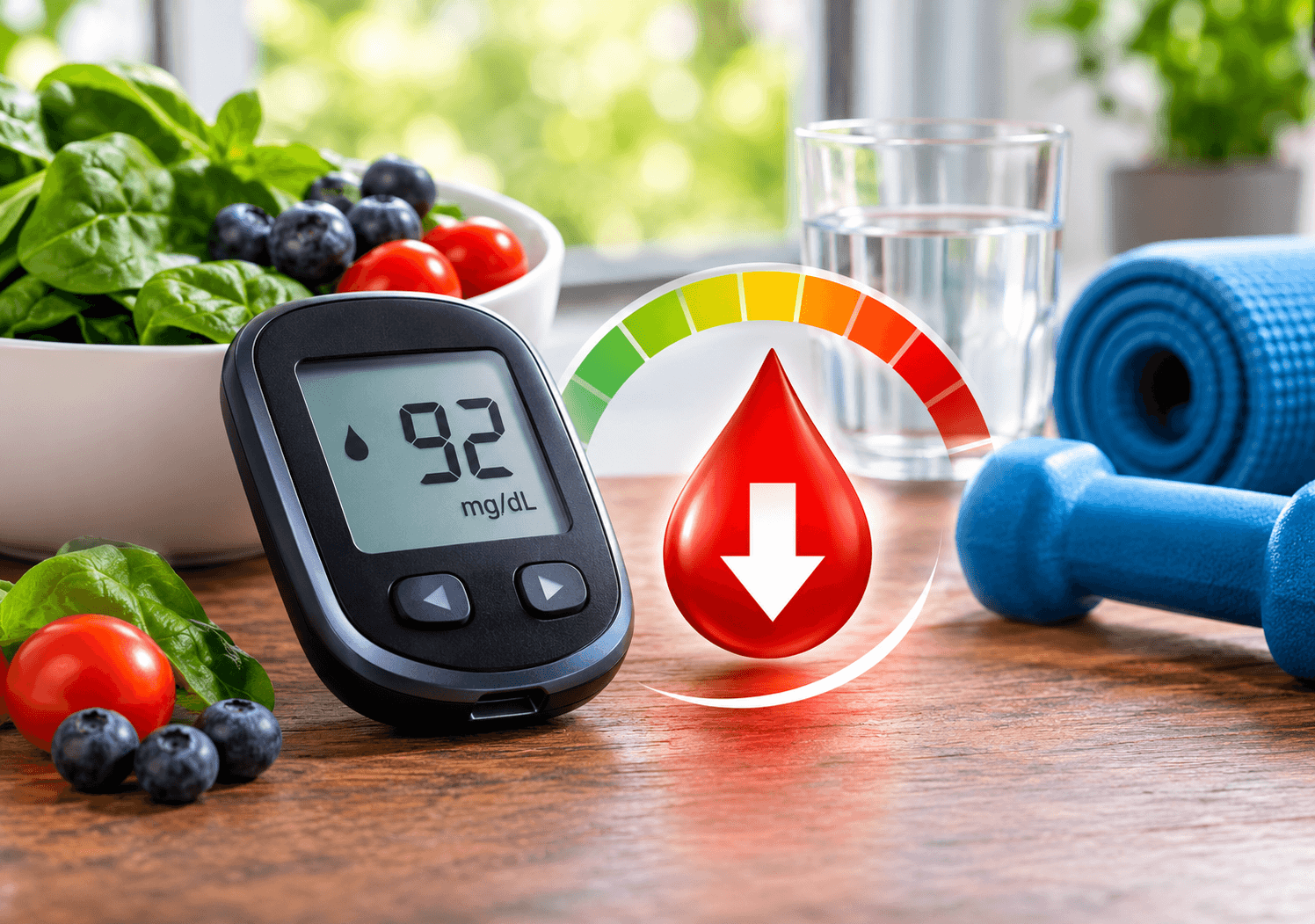
Many clients ask me, “Does berberine help lower fasting blood sugar?” when they start noticing their morning glucose numbers creeping up. It is a very fair question. You wake up, test your blood sugar, and see a number that feels too high even though you have not eaten for ten hours. As a strength and conditioning coach, I look at metabolic health through the lens of daily habits, movement, and smart supplementation. Berberine is a plant compound that has gained massive attention in the wellness space. But before you spend your money, you need to know what the science actually says. In this guide, we will break down the clinical evidence, explain how this compound works inside your cells, and show you how to pair it with the right lifestyle habits for the best results. If you want to support overall metabolic health, understanding this tool is a great first step.
Quick Answer Yes, research shows berberine can help lower fasting blood sugar. It works by activating an enzyme called AMPK, which acts like a metabolic master switch. This helps your cells absorb glucose more efficiently and reduces the sugar your liver releases overnight. Most clinical trials show benefits after 8 to 12 weeks of consistent use at doses of 1,000 to 1,500 mg per day.
What Is Fasting Blood Sugar and Why Does It Matter?
Fasting blood sugar (FBS), also known as fasting blood glucose, is a snapshot of how your body manages energy after a long break from food. Normally, you test this first thing in the morning before eating or drinking anything except water. According to the American Diabetes Association, a normal fasting blood sugar level is under 100 mg/dL. If your number sits between 100 and 125 mg/dL, it suggests prediabetes. A reading of 126 mg/dL or higher on two separate tests points toward type 2 diabetes.
Why does this number matter so much? Because it tells us about your baseline insulin sensitivity. When you eat, your body breaks carbohydrates down into glucose. Your pancreas releases insulin, a hormone that acts like a key, unlocking your cells so glucose can enter and be used for energy. Over time, poor sleep, chronic stress, and a lack of muscle mass can cause your cells to ignore that key. This is called insulin resistance. To compensate, your pancreas pumps out even more insulin. Eventually, your liver starts overproducing glucose overnight, leading to high morning numbers.
The Dawn Phenomenon vs. The Somogyi Effect
When clients see high morning numbers, they often blame their last meal. But the culprit is usually your liver. There are two main reasons your fasting glucose might be high in the morning:
- The Dawn Phenomenon: In the early hours of the morning (usually between 4:00 AM and 8:00 AM), your body releases a surge of hormones like cortisol, glucagon, and growth hormone. These signals tell your liver to dump stored glucose into your bloodstream to give you the energy to wake up. In a healthy body, insulin quickly sweeps this sugar into the cells. In an insulin-resistant body, the sugar stays in the blood, resulting in a high fasting reading.
- The Somogyi Effect: This happens when your blood sugar drops too low in the middle of the night (hypoglycemia). Your body panics, assuming it is starving, and releases a massive rescue dose of glucagon and cortisol to force the liver to release glucose. This overcompensation leads to a rebound high by the time you wake up.
High fasting blood sugar over time leads to the formation of Advanced Glycation End-products (AGEs). These are harmful compounds that form when sugar binds to proteins or fats in your bloodstream. AGEs damage blood vessels, accelerate aging, and increase the risk of cardiovascular disease. This is why finding ways to manage morning glucose is so critical for long-term health.
How Berberine Works in the Body (The Science)
Berberine is a bioactive alkaloid compound extracted from several plants, including goldenseal, barberry, and Oregon grape. It has a bright yellow color and a long history of use in traditional medicine. But modern science has isolated exactly how it influences glucose metabolism at the cellular level. It is not just a simple herbal remedy; it acts on specific biological pathways much like a pharmaceutical drug.
Activating the AMPK Pathway
The primary way berberine works is by activating an enzyme called AMP-activated protein kinase (AMPK). You can think of AMPK as your body’s internal fuel gauge. It is found in the cells of your muscles, brain, and liver. When cellular energy is low, AMPK turns on to stimulate glucose uptake and fat burning. Research published in Nature Medicine shows that berberine activates AMPK by mildly inhibiting mitochondrial complex I. This creates a slight, temporary energy stress in the cell—similar to the stress caused by exercise.
This activation triggers GLUT4 translocation. GLUT4 is a protein transporter that lives inside your muscle cells. When AMPK is activated, GLUT4 moves to the surface of the cell membrane and acts like a door, pulling sugar out of your bloodstream and into the muscle to be burned for fuel. If you are trying to improve insulin sensitivity, this pathway is exactly what you want to target.
Modulating the Gut Microbiome
Your gut bacteria play a massive role in metabolic syndrome and systemic inflammation. Interestingly, studies show that berberine has a very low oral bioavailability, meaning very little of the actual compound enters your bloodstream. Instead, it stays in your digestive tract where it alters your gut microbiota. According to a comprehensive review in Frontiers in Pharmacology, berberine promotes the growth of beneficial bacteria that produce short-chain fatty acids (SCFAs).
These SCFAs help reduce systemic inflammation, strengthen the gut lining, and stimulate the release of glucagon-like peptide-1 (GLP-1). GLP-1 is the same satiety hormone targeted by modern injectable weight-loss medications, though berberine’s effect is much milder and natural. Because of this unique action in the digestive tract, berberine for metabolism works from the inside out, starting in your gut before it ever reaches your liver.
Slowing Carbohydrate Breakdown and Liver Output
Your liver naturally produces glucose while you sleep through a process called hepatic gluconeogenesis. In people with insulin resistance, this process runs in overdrive, dumping excess sugar into your blood by 6:00 AM. Berberine has been shown to suppress the specific enzymes responsible for this liver glucose production. Additionally, it slows down the breakdown of carbohydrates in your gut by inhibiting enzymes like alpha-glucosidase. This blunts the postprandial glucose spike that happens immediately after meals, which in turn reduces the amount of insulin your pancreas needs to produce.
Does Berberine Help Lower Fasting Blood Sugar Better Than Diet Alone?
Diet and exercise are the undisputed foundation of metabolic health. But does adding a supplement move the needle further? The clinical evidence suggests it absolutely does, especially for those who have hit a plateau with lifestyle changes alone.
One of the most cited and groundbreaking studies on this topic was published in the journal Metabolism: Clinical and Experimental. Researchers divided patients with newly diagnosed type 2 diabetes into two groups. One group took 500 mg of berberine three times a day, while the other took the standard first-line diabetes drug, metformin. After three months, both groups saw significant drops in fasting blood sugar and HbA1c levels. The berberine group actually showed a slightly better improvement in their blood lipid profiles, with notable reductions in triglycerides and total cholesterol.
Another massive meta-analysis published in Frontiers in Endocrinology reviewed multiple randomized controlled trials involving thousands of patients. The researchers concluded that berberine consumption significantly reduces fasting blood sugar (FBS) and glycated hemoglobin (HbA1C). The compound was found to be especially effective when baseline glucose levels were already elevated.
A third study focusing on the gut microbiome found that berberine significantly increased the abundance of Akkermansia muciniphila, a bacteria linked to lean body mass and healthy glucose tolerance. However, berberine is not a magic eraser for a bad diet. If you eat highly processed foods, consume liquid sugars, and avoid movement, the supplement cannot outwork those habits. It acts as an amplifier. When you pair it with a whole-food diet and daily walking, the results compound over time.
Berberine Dosage and Timing Chart
Getting the dose and timing right is crucial for success and for avoiding an upset stomach. Berberine has a very short half-life in the body, meaning it clears your system quickly. Taking one massive 1,500 mg dose in the morning will not keep your levels stable throughout the day and will likely cause severe digestive distress.
| Goal / Protocol | Daily Dosage | Dosing Schedule | Timing & Context |
| Beginner / Sensitive Stomach | 500 mg | Once daily | Take 15 mins before your largest meal. |
| Standard Glucose Control | 1,000 mg | Twice daily (500 mg x 2) | Take 15-30 mins before breakfast and dinner. |
| Advanced / High Insulin Resistance | 1,500 mg | Three times daily (500 mg x 3) | Take 15-30 mins before breakfast, lunch, and dinner. |
| Dihydroberberine (DHB) Form | 100 – 200 mg | Once or twice daily | DHB is up to 5x more bioavailable. Take with meals. |
Important Note on Forms: The most heavily researched form is Berberine Hydrochloride (HCl). It is effective and affordable. However, because standard berberine has poor absorption, some newer phytosome formulations bind the compound to a lipid (fat) matrix, and dihydroberberine is a reduced form that absorbs much easier in the gut. If you struggle with stomach cramps on the HCl form, switching to a phytosome or DHB version is a smart upgrade.
How to Apply This: A Daily Routine for Blood Sugar Control
As a coach, I never hand a client a supplement without a plan. Berberine works best when stacked with targeted lifestyle interventions. Here is how I structure a daily protocol for clients looking to manage their fasting glucose.
The Morning Protocol
Wake up and drink a large glass of water (about 16 oz or 500 ml) with a pinch of sea salt to rehydrate your cells. Test your fasting blood sugar if you have a monitor. Take your first 500 mg dose of berberine 20 minutes before breakfast.
Make sure your breakfast is high in protein and healthy fats. A great example is three whole eggs with spinach and half an avocado. This prevents a massive morning insulin spike and keeps your energy stable. Avoid starting your day with oatmeal, toast, or sugary cereals, as these will overwhelm the berberine’s capacity to manage the glucose load.
The Movement Prescription
Muscle is your body’s largest glucose sink. The more active muscle you have, the more places your body has to store sugar safely as glycogen. I prescribe daily movement to pair with your supplementation.

Coach’s Tip: The 10-Minute Post-Meal Walk If you do nothing else, commit to a 10-minute walk (about 0.5 miles or 0.8 km) immediately after your largest meal. This simple habit blunts the glucose spike by forcing your leg muscles to use the circulating sugar for fuel without even needing much insulin. It is one of the most effective, zero-cost tools for glycemic control.
Regression (Easier): If you are just starting or dealing with joint pain, start with 5 minutes of gentle walking after dinner. Focus on a comfortable pace where you can easily breathe through your nose. Progression (Harder): Build up to 45 minutes of Zone 2 cardio (roughly 2.5 miles or 4 km) four times a week. Zone 2 means you are breathing heavily but can still hold a conversation. Add two days of heavy resistance training to build muscle mass.
Sample Resistance Training Day (Glucose Depletion Focus):
- Goblet Squats: 3 sets of 10-12 reps. Hold a 35 lb (16 kg) to 50 lb (23 kg) dumbbell at your chest. Rest 90 seconds.
- Romanian Deadlifts: 3 sets of 10 reps. Use 40 lb (18 kg) kettlebells. Focus on the hamstring stretch. Rest 90 seconds.
- Push-ups: 3 sets to failure. Modify on your knees or an elevated box if needed. Rest 60 seconds.
- Dumbbell Rows: 3 sets of 12 reps per arm. Use a 25 lb (11 kg) dumbbell. Rest 60 seconds.
Common Mistake: Taking Berberine on an Empty Stomach Many people take their supplements right when they wake up with just black coffee. Berberine is highly irritating to an empty gastric lining. This frequently leads to severe cramping, nausea, and urgent trips to the bathroom. Always take it within 15 minutes of eating solid food.
The Nutrition Stack
Supplements do not work in isolation. Pairing berberine with soluble fiber can trap sugars in the digestive tract and slow their absorption. If you want to boost metabolic flexibility, focus on eating 30 grams of fiber a day from vegetables, chia seeds, and legumes.
Practice Meal Sequencing. Eat your fiber (vegetables) first, your protein and fats second, and your starchy carbohydrates last. This physical layering in the stomach can reduce the post-meal glucose spike by up to 40%, making the berberine’s job much easier.
Safety Notes: Side Effects and Drug Interactions
Berberine is generally safe for most adults, but it is a potent compound that acts much like a pharmaceutical drug. You must respect its power and understand the risks before adding it to your routine.
Common Digestive Issues
The most frequent complaint I hear from clients is stomach upset. Because berberine alters gut bacteria and slows digestion, it can cause cramping, diarrhea, constipation, or flatulence. According to a safety review in Pharmacological Research, these gastrointestinal side effects are usually dose-dependent.
If you experience this, drop your dose to 500 mg once a day and slowly build up over two weeks. Taking it with food heavily reduces stomach distress. If symptoms persist, switch to a dihydroberberine or phytosome formulation, which bypasses much of the gut irritation.
The CYP450 Enzyme Warning
This is the most critical safety note in this entire guide. Berberine inhibits cytochrome P450 enzymes in the liver, specifically CYP2D6, CYP3A4, and CYP2C9. These are the exact enzymes your liver uses to clear many prescription medications from your bloodstream.
If you take statins for cholesterol, blood thinners, immunosuppressants, or certain blood pressure medications, berberine can block the enzymes that break those drugs down. This causes the prescription drugs to build up to toxic levels in your body. Always check with your pharmacist or doctor before starting this supplement if you take prescription medications.
Furthermore, if you are already taking glucose-lowering medications like insulin or sulfonylureas, adding berberine can push your blood sugar too low, causing hypoglycemia. Symptoms include dizziness, shaking, sweating, and confusion.
Contraindications: Berberine is strictly contraindicated during pregnancy and breastfeeding. It can displace bilirubin from proteins in the blood, which can cause severe brain damage (kernicterus) in developing fetuses and newborn infants.
Related Tips for Long-Term Metabolic Health
Fasting blood sugar is just one piece of the puzzle. True health requires a 24-hour approach to your environment and habits.
First, prioritize your sleep architecture. A single night of poor sleep (under 6 hours) can induce temporary insulin resistance the very next day. Your cells become “deaf” to insulin when you are sleep-deprived. Aim for 7 to 9 hours of quality rest in a cool, dark room. If you want to increase metabolism naturally, protecting your circadian rhythm is non-negotiable.
Second, manage your daily stress. Chronic psychological stress keeps cortisol levels high. Cortisol signals your liver to release stored glucose into your bloodstream so you can “fight or flight.” If you are just sitting at a desk all day stressing over emails, that sugar has nowhere to go and stays in your blood. Try 5 minutes of box breathing (inhale 4 seconds, hold 4, exhale 4, hold 4) before meals to shift your nervous system into a “rest and digest” state, which optimizes digestion and glucose disposal.
Finally, look at your overall supplement stack. If you are sensitive to caffeine, you might prefer supplements without stimulants to avoid artificial cortisol spikes. Magnesium glycinate (200-400 mg) before bed is an excellent addition, as magnesium is a required cofactor for insulin receptors to function properly. High-quality omega-3 fatty acids also help reduce the systemic inflammation that drives insulin resistance. Keep an eye on your waist circumference; aim for a measurement under 40 inches (102 cm) for men and 35 inches (88 cm) for women, as visceral belly fat is the primary driver of liver insulin resistance.
Frequently Asked Questions
How long does it take for berberine to lower blood sugar? You will not see changes overnight. Clinical trials typically measure significant results after 8 to 12 weeks of consistent daily use. Your fasting numbers might start to trend downward around week four, but the real improvements in HbA1c take about three months because that is how long red blood cells live in your body. Track your weekly trends, not daily fluctuations.
Can I take berberine if I am on metformin? You must consult your prescribing doctor first. Both compounds target the AMPK pathway and lower blood glucose through similar mechanisms. Taking them together without medical supervision significantly increases your risk of hypoglycemia (dangerously low blood sugar) and severe gastrointestinal distress. Your doctor may need to adjust your prescription dosage if they approve the combination.
Does berberine cause low blood sugar (hypoglycemia) on its own? In healthy individuals with normal glucose regulation, berberine rarely causes clinical hypoglycemia. It works by improving insulin sensitivity rather than forcing the pancreas to secrete more insulin. However, if you are fasting for extended periods, exercising intensely, or taking other glucose-lowering drugs, your risk of a low blood sugar event increases. Always carry a fast-acting carb source like fruit juice just in case.
What is the best form of berberine to buy? Look for berberine hydrochloride (HCl) or berberine phytosome. The standard HCl form is the most heavily researched and cost-effective. However, because standard berberine has poor bioavailability, some newer phytosome formulations bind the compound to a lipid (fat) matrix. This can increase absorption rates significantly, allowing you to take a smaller dose with far fewer stomach side effects.
Should I cycle berberine or take it continuously? Many functional medicine practitioners recommend cycling berberine to prevent your gut microbiome from adapting too heavily to its antimicrobial effects. A common protocol is taking it for eight weeks, followed by a two to four week break. During the off weeks, focus heavily on prebiotic fibers and fermented foods to maintain a diverse and resilient gut environment.
Does berberine help with weight loss and cravings? Yes, indirectly. By stabilizing your blood sugar and preventing massive insulin spikes, you avoid the subsequent blood sugar crashes that trigger intense sugar cravings. Many clients find that their appetite normalizes and they can stick to a calorie deficit much easier. If you are curious about the broader effects of berberine and weight management, the research shows promising secondary benefits for body composition and fat oxidation.
Conclusion
So, does berberine help lower fasting blood sugar? The clinical evidence overwhelmingly points to yes. By activating the AMPK enzyme, modulating your gut bacteria, and reducing liver glucose output, this plant compound offers a powerful tool for metabolic health. However, it is not a replacement for the hard work of building muscle, eating whole foods, and sleeping deeply. Treat it as an amplifier of your good habits, not a shortcut. Start with a low dose, watch your digestion, and always clear it with your doctor if you take prescription medications. Consistency is your best friend on this journey.