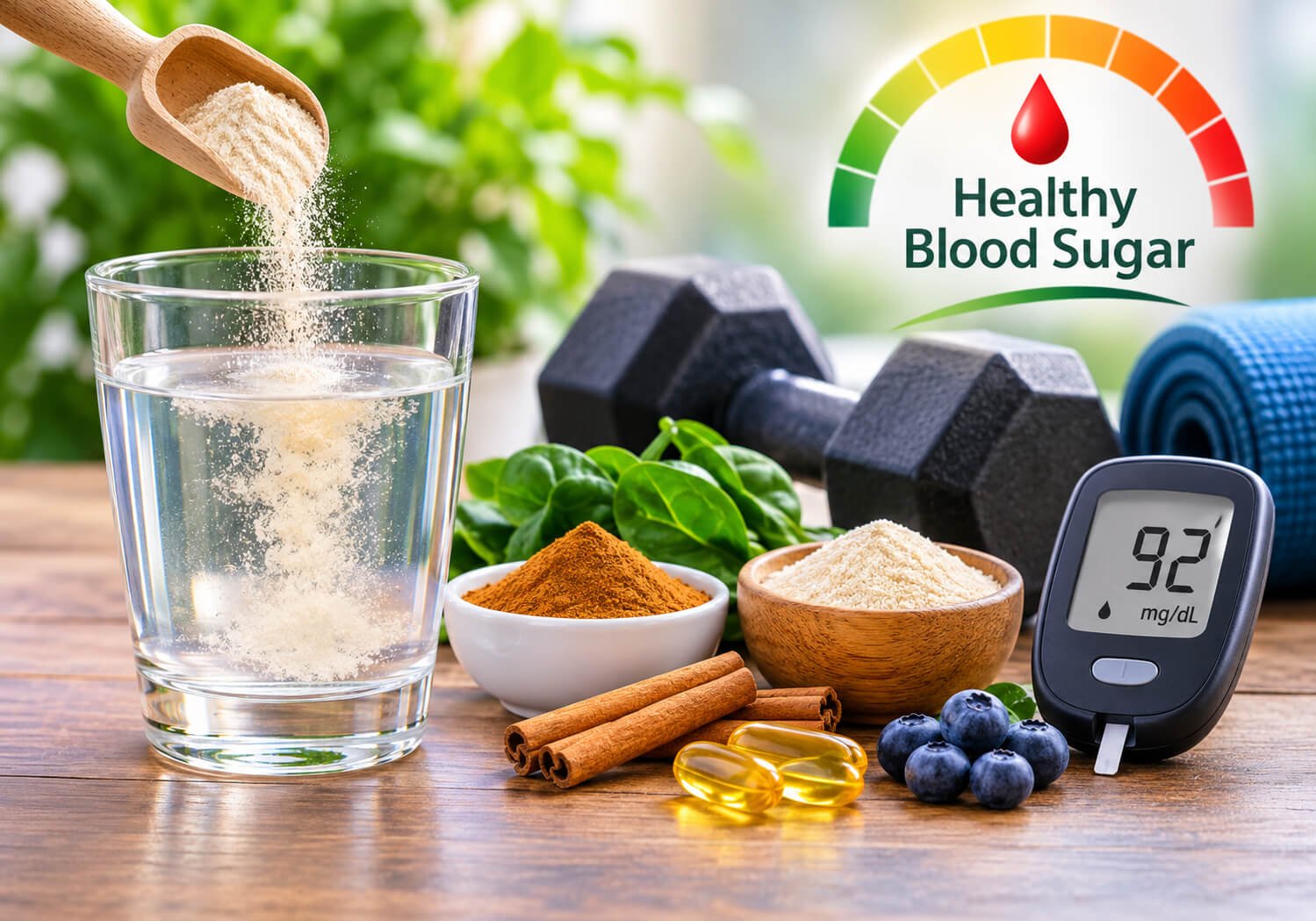
If you are wondering what supplements support healthy blood sugar levels, you are asking the right question. Managing glucose metabolism is a cornerstone of overall metabolic health, energy stability, and long-term wellness. Whether you are a gym beginner trying to fuel your workouts properly, a home gym owner optimizing recovery, or someone over 40 noticing changes in how your body handles carbohydrates, blood sugar management matters.
While no pill can replace a balanced diet and consistent movement, specific, research-backed compounds can act as powerful adjuncts to your routine. As a strength and conditioning coach, I often see clients struggle with mid-afternoon energy crashes or stubborn body composition plateaus. Frequently, the missing link is optimized glycemic control.
This guide breaks down the science, safety, and practical application of the most effective nutrients for metabolic support. We will cover exact dosages, timing strategies, and how to pair these supplements with your training for maximum benefit.
Quick Answer
What supplements support healthy blood sugar levels? The most evidence-based supplements for glycemic control include berberine (500 mg, 2–3 times daily), chromium picolinate (200–1,000 mcg daily), magnesium (300–400 mg daily), alpha-lipoic acid (300–600 mg daily), and soluble fiber like glucomannan (3–5 grams before meals). These compounds work by improving insulin sensitivity, slowing carbohydrate absorption, and supporting pancreatic beta-cell function. Always consult a healthcare provider before starting, especially if you take prescription medications.
The Science of Blood Sugar and Metabolic Health
Before diving into specific compounds, it is crucial to understand how your body manages glucose. When you eat carbohydrates, they break down into glucose, which enters your bloodstream. In response, your pancreas releases insulin. Insulin acts like a key, unlocking your cells—particularly skeletal muscle and liver cells—so they can absorb glucose for energy or storage.
Over time, poor dietary habits, chronic stress, and physical inactivity can lead to insulin resistance. This means your cells stop responding effectively to insulin, forcing your pancreas to produce more. Elevated fasting blood glucose and higher HbA1c levels are common markers of this dysfunction.
Research consistently shows that lifestyle interventions are the first line of defense. For example, the CDC physical activity guidelines recommend muscle-strengthening activities at least two days a week, which directly improves skeletal muscle glucose uptake. However, when lifestyle changes need an extra boost, targeted supplementation can help bridge the gap.
Understanding what supplements support healthy blood sugar levels allows you to make informed decisions rather than falling for marketing hype. The compounds listed below have been studied in peer-reviewed journals and clinical trials for their ability to modulate carbohydrate metabolism and support insulin signaling pathways.
Top Evidence-Based Supplements for Glycemic Control
1. Berberine
Berberine is a bioactive compound extracted from several plants, including goldenseal and barberry. It is widely considered one of the most effective natural compounds for metabolic health.
How it works: Berberine activates an enzyme called AMP-activated protein kinase (AMPK), often referred to as the body’s “metabolic master switch.” Activating AMPK improves insulin sensitivity, reduces glucose production in the liver, and slows the breakdown of carbohydrates in the gut. Clinical studies suggest berberine can lower fasting blood glucose and HbA1c levels comparably to some prescription medications.
Typical Dosage: 500 mg, taken 2 to 3 times per day. Best Time to Take: 30 minutes before your largest carbohydrate-containing meals to blunt postprandial glucose spikes.
Coach’s Application: If you are a lifter consuming a high-carb post-workout meal, berberine can help shuttle those nutrients into muscle cells rather than storing them as fat. Learn more about how can berberine support metabolic health in our detailed breakdown.
2. Chromium Picolinate
Chromium is an essential trace mineral that plays a direct role in how insulin attaches to cells.
How it works: Chromium enhances the action of insulin by increasing the number of insulin receptors on the cell surface and improving receptor signaling. This makes it easier for glucose to enter the cells. Research indicates that chromium supplementation is particularly beneficial for individuals with existing insulin resistance or those experiencing intense sugar cravings.
Typical Dosage: 200 to 1,000 mcg (micrograms) per day. Best Time to Take: With a meal, preferably breakfast or lunch.
Coach’s Application: Many of my clients report that stabilizing their blood sugar naturally reduces their desire for late-night snacking. If you struggle with this, read about how does chromium picolinate help reduce sugar cravings to see if it fits your protocol.
3. Magnesium (Glycinate or Citrate)
Magnesium is involved in over 300 enzymatic reactions in the body, including those that regulate blood sugar and insulin action.
How it works: Magnesium is required for the proper functioning of tyrosine kinase, an enzyme that activates insulin receptors. Low magnesium levels are strongly correlated with insulin resistance and impaired glucose tolerance. Supplementing can help restore optimal cellular function and improve overall metabolic flexibility.
Typical Dosage: 300 to 400 mg of elemental magnesium per day. Best Time to Take: Magnesium glycinate is best taken 30–60 minutes before bed, as it also promotes relaxation and sleep quality.
Coach’s Application: For a 180 lb (81 kg) athlete, sweating out minerals during a heavy 60-minute resistance training session can deplete magnesium stores. Replenishing this mineral supports both recovery and glycemic control.
4. Alpha-Lipoic Acid (ALA)
ALA is a powerful antioxidant that is both water- and fat-soluble, allowing it to work in every cell of the body.
How it works: ALA improves insulin sensitivity and stimulates glucose uptake in skeletal muscle, independent of insulin. It also reduces oxidative stress, which is often elevated in individuals with chronic blood sugar dysregulation. Several meta-analyses have shown that ALA supplementation can significantly reduce fasting blood glucose levels.
Typical Dosage: 300 to 600 mg per day. Best Time to Take: On an empty stomach, 30 minutes before a meal, or post-workout.
Coach’s Application: ALA is a staple in my protocol for clients over 40 who are working to how to boost metabolic flexibility without crash dieting. It helps the body switch efficiently between burning carbs and fats.
5. Cinnamon Extract (Ceylon)
Cinnamon is more than just a flavorful spice; it contains active compounds that directly influence glucose metabolism.
How it works: Cinnamon contains polyphenols that can mimic insulin, increase insulin sensitivity, and slow the rate at which the stomach empties after a meal. This delayed gastric emptying prevents rapid spikes in blood sugar. It is critical to use Ceylon cinnamon (“true cinnamon”) rather than Cassia cinnamon, as Cassia contains higher levels of coumarin, which can be toxic to the liver in large doses.
Typical Dosage: 1 to 6 grams (approximately ½ to 2 teaspoons) of Ceylon cinnamon powder, or 500 mg of standardized extract daily. Best Time to Take: Sprinkled on morning oatmeal, in a protein shake, or in capsule form with your first meal.
6. Soluble Fiber (Glucomannan or Psyllium Husk)
Fiber is a non-digestible carbohydrate that plays a massive role in glycemic control, yet most adults fall short of the recommended 25–38 grams per day.
How it works: Soluble fiber dissolves in water to form a thick, gel-like substance in the gut. This viscosity slows down the digestion and absorption of carbohydrates, leading to a slower, more gradual release of glucose into the bloodstream. Glucomannan, derived from the konjac root, is one of the most viscous dietary fibers known.
Typical Dosage: 3 to 5 grams of glucomannan, or 5 to 10 grams of psyllium husk, taken before meals. Best Time to Take: 15–30 minutes before a meal with a large glass of water (at least 8–12 ounces).
Coach’s Application: Adding soluble fiber is a highly effective strategy for appetite control. You can explore the data on how does glucomannan reduce hunger to optimize your meal timing and satiety.

7. Vitamin D
Vitamin D functions more like a hormone than a traditional vitamin, and its receptors are present in pancreatic beta cells.
How it works: Adequate vitamin D levels are necessary for proper insulin secretion and glucose metabolism. Observational studies consistently link low vitamin D status with an increased risk of insulin resistance and type 2 diabetes. While it may not acutely lower blood sugar, correcting a deficiency is foundational for long-term metabolic health.
Typical Dosage: 1,000 to 4,000 IU (International Units) daily, depending on baseline blood levels. Best Time to Take: With a meal containing dietary fat (like eggs or avocado) to maximize absorption, preferably in the morning.
8. Omega-3 Fatty Acids (EPA and DHA)
Found primarily in fatty fish and high-quality fish oil supplements, omega-3s are renowned for their cardiovascular benefits, but they also support metabolic function.
How it works: Omega-3 fatty acids incorporate into cell membranes, improving membrane fluidity. This enhances the ability of insulin receptors to bind to insulin effectively. Furthermore, omega-3s reduce systemic inflammation, which is a known driver of insulin resistance.
Typical Dosage: 1,000 to 2,000 mg of combined EPA and DHA daily. Best Time to Take: With a main meal to prevent fishy burps and improve absorption.
Supplement Comparison Chart
| Supplement | Primary Mechanism | Typical Daily Dosage | Best Time to Take |
| Berberine | Activates AMPK, reduces liver glucose production | 500 mg, 2–3x daily | 30 mins before carb-heavy meals |
| Chromium Picolinate | Enhances insulin receptor signaling | 200–1,000 mcg | With breakfast or lunch |
| Magnesium Glycinate | Supports tyrosine kinase enzyme activity | 300–400 mg | 30–60 mins before bed |
| Alpha-Lipoic Acid | Antioxidant, stimulates muscle glucose uptake | 300–600 mg | Empty stomach or post-workout |
| Ceylon Cinnamon | Mimics insulin, slows gastric emptying | 1–6 grams (or 500 mg extract) | With first meal or in shakes |
| Glucomannan | Forms viscous gel, slows carb absorption | 3–5 grams | 15–30 mins before meals with water |
| Vitamin D3 | Supports pancreatic beta-cell function | 1,000–4,000 IU | With a fat-containing meal |
| Omega-3 (EPA/DHA) | Improves cell membrane fluidity, lowers inflammation | 1,000–2,000 mg combined | With a main meal |

How to Apply This: A Coach’s Protocol
Knowing what supplements support healthy blood sugar levels is only half the battle. Implementation is where results happen. As a coach, I do not recommend throwing all eight of these into your routine at once. Instead, we build a strategic, layered approach.
Step 1: Establish the Foundation
Start with the basics before adding advanced compounds. Ensure you are getting adequate Magnesium and Vitamin D, as deficiencies here undermine all other efforts. If your diet lacks fatty fish, add an Omega-3 supplement.
Step 2: Target Meal-Time Spikes
If your primary goal is to blunt post-meal glucose spikes, introduce Soluble Fiber (Glucomannan) or Ceylon Cinnamon. Take these 15–30 minutes before your largest meal of the day with a full glass of water.
Step 3: Advanced Metabolic Support
If you have been cleared by your doctor and need deeper support for insulin resistance, Berberine is the gold standard. Cycle it: take it for 8 weeks, then take 2–4 weeks off to prevent your gut microbiome from adapting to it.
Pairing Supplements with Exercise
Supplements work best when paired with movement. Skeletal muscle is the largest consumer of glucose in the body. When you contract your muscles, they can absorb glucose from the bloodstream without needing insulin.
Sample Weekly Routine:
- Resistance Training: 3 days per week (e.g., Monday, Wednesday, Friday). Perform 3 sets of 8–12 reps for major compound movements (squats, deadlifts, presses). Rest 60–90 seconds between sets.
- Zone 2 Cardio: 2 days per week (e.g., Tuesday, Thursday). 30–45 minutes of brisk walking, cycling, or rowing at a pace where you can hold a conversation. This builds mitochondrial density, improving your body’s ability to burn glucose and fat efficiently.
Coach’s Tip: Time your carbohydrate intake around your workouts. If you take Berberine or Alpha-Lipoic Acid, take them before your post-workout meal. Your muscles will be highly sensitive to insulin at this time, and these supplements will help shuttle the carbs directly into muscle glycogen stores for recovery, rather than into fat cells.
Common Mistake: Taking soluble fiber supplements like glucomannan without drinking enough water. If you take 3 grams of glucomannan with only a sip of water, it can expand in your esophagus and cause choking or severe digestive discomfort. Always mix it with at least 8–12 ounces (240–350 ml) of water and drink it immediately.

Safety Notes and Medical Disclaimers
When exploring what supplements support healthy blood sugar levels, safety must be your top priority. “Natural” does not automatically mean “safe for everyone.”
- Medication Interactions: If you are currently taking prescription medications for diabetes, such as metformin, insulin, or sulfonylureas, adding supplements like berberine or ALA can cause your blood sugar to drop too low (hypoglycemia). This is a dangerous condition that requires immediate medical attention.
- Surgery: Stop taking blood sugar-lowering supplements at least two weeks before any scheduled surgery, as they can interfere with blood glucose control during and after the procedure.
- Pregnancy and Breastfeeding: Do not use berberine or high-dose herbal extracts if you are pregnant or nursing, as their safety has not been established and they may cross the placenta.
- Quality Matters: The supplement industry is not strictly regulated. Look for products that have been third-party tested by organizations like NSF International, USP, or Informed Choice to ensure purity and accurate labeling.
If you are exploring broader strategies, it is worth reviewing which supplements may support weight management safely to ensure your overall protocol is balanced and evidence-based.
Related Lifestyle Tips for Glycemic Control
Supplements are just one piece of the puzzle. To truly optimize your blood sugar, you must address the following lifestyle factors:
- Prioritize Sleep: Poor sleep disrupts the hormones ghrelin and leptin, increasing hunger and reducing insulin sensitivity. Aim for 7–9 hours of quality sleep per night. Learn more about the hormonal connection between sleep and metabolism.
- Manage Stress: Chronic stress elevates cortisol. Cortisol’s primary job is to release stored glucose into the bloodstream to prepare for “fight or flight.” If you are not physically fighting or fleeing, that glucose remains in your blood, elevating your levels. Incorporate daily stress-reduction practices like deep breathing, walking, or meditation.
- Eat Fiber-Rich Whole Foods: While supplements like glucomannan are helpful, they should not replace whole food sources of fiber. Aim for a variety of non-starchy vegetables, legumes, and low-glycemic fruits at every meal.
Frequently Asked Questions (FAQ)
1. What supplements support healthy blood sugar levels the fastest? Berberine and Alpha-Lipoic Acid (ALA) tend to show the most rapid effects on postprandial (after-meal) glucose spikes and fasting blood sugar levels in clinical trials. However, “fast” still means days to weeks of consistent use, not hours.
2. Can I take blood sugar supplements if I am not diabetic? Yes. Many people with normal blood sugar levels use these supplements to improve insulin sensitivity, manage carbohydrate cravings, and support long-term metabolic health, especially when paired with resistance training.
3. Does berberine have any side effects? Berberine is generally well-tolerated, but some individuals experience mild digestive upset, such as cramping, diarrhea, or constipation, especially when starting. Taking it with meals and starting at a lower dose (e.g., 500 mg once daily) can mitigate this.
4. How long does it take for chromium picolinate to work? Research suggests it may take 2 to 4 months of consistent daily supplementation to see measurable improvements in HbA1c and fasting glucose levels. Consistency is key.
5. Is Ceylon cinnamon better than regular cinnamon for blood sugar? Yes. Ceylon cinnamon contains significantly lower levels of coumarin, a compound that can cause liver damage in high doses. Since achieving blood sugar benefits requires regular, daily consumption, Ceylon is the much safer choice.
6. Can I stop taking my prescription medication if I start these supplements? No. Never stop or adjust prescription medications without direct supervision from your prescribing doctor. Supplements are meant to complement, not replace, medical treatment.
Conclusion: Making Sense of What Supplements Support Healthy Blood Sugar Levels
Navigating the world of metabolic health can feel overwhelming, but understanding what supplements support healthy blood sugar levels gives you a powerful, evidence-based toolkit. Compounds like berberine, magnesium, chromium, and soluble fiber have proven track records in scientific literature for improving insulin sensitivity and smoothing out glucose spikes.
However, remember that supplements are exactly that: supplemental. They cannot outwork a poor diet, chronic sleep deprivation, or a sedentary lifestyle. The most effective approach combines targeted nutrition, consistent resistance and cardiovascular training, and smart, research-backed supplementation.
Start with one or two foundational supplements, monitor how your body responds, and always keep your healthcare provider in the loop. By taking a structured, coach-approved approach, you can build sustainable metabolic health that fuels your workouts and supports your long-term well-being.