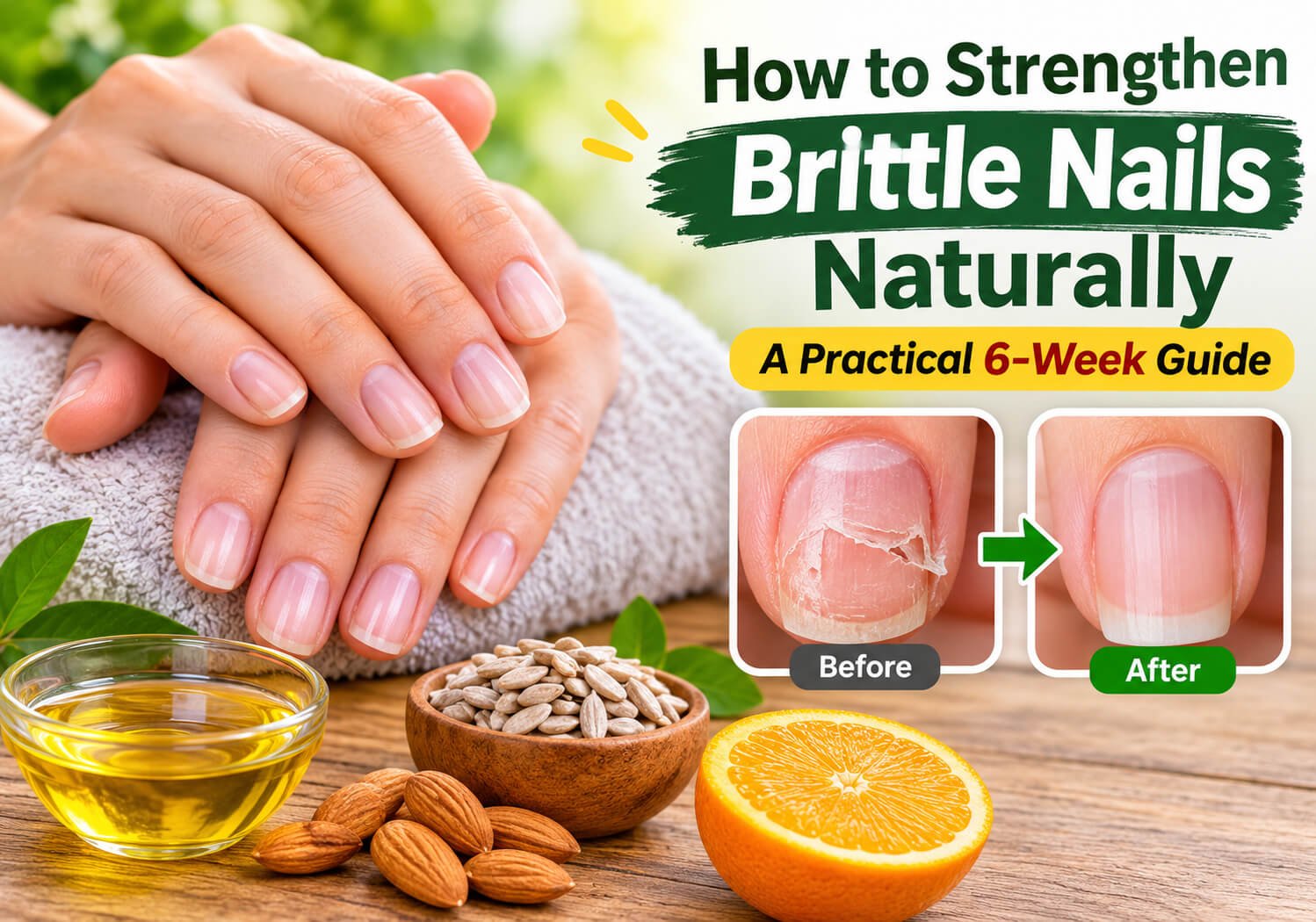
Fingernails suffer a lot of daily damage. Frequent handwashing, exposure to harsh cleaning chemicals, gym chalk, heavy bar gripping, and structural micronutrient deficiencies can turn once-resilient nail plates into thin, peeling, and brittle surfaces. When your nails split, snap, or bend under minimal pressure, looking at systemic nutrition is often the most effective path toward long-term recovery.
While topical hardeners offer temporary external protection, true structural durability relies on the biological processes occurring beneath the cuticle inside the nail matrix. Specific dietary supplements provide the essential amino acids, coenzymes, and trace minerals necessary to optimize keratin synthesis. In this guide, we evaluate the evidence-based compounds that target nail thickness, reduce brittleness, and promote steady growth.
Quick Answer
Research indicates that biotin (Vitamin B7), hydrolyzed collagen peptides, zinc, iron, and silica are the primary dietary supplements that support nail strength and growth. Biotin improves keratin structure to reduce peeling and snapping, while collagen provides essential amino acids like proline and hydroxyproline to increase nail matrix density and growth rate.
Understanding Nail Structure and How Growth Happens
To choose the right supplements, it helps to understand how a fingernail is built. The visible part of your nail—the nail plate—is not made of living cells. It consists of densely packed layers of dead, hard keratin proteins, bound together by cellular lipids.
The actual biological engine sits just beneath the skin behind your cuticle: the nail matrix. This specialized tissue rapidly divides cells, filling them with keratin and compressing them forward to create the hard surface that protects your fingertips.
Because matrix cells divide at a high rate, they are extremely sensitive to nutrient availability. If your body lacks specific micronutrients, cell division slows, and the structural integrity of the keratin network degrades.
- Growth Rate: Healthy fingernails grow an average of 3.4 millimeters per month, requiring up to 6 months to replace a nail completely from base to tip.
- Structural Composition: The nail plate contains approximately 80-90% keratin protein, high levels of sulfur-containing amino acids (cysteine and methionine), water (10-30%), and trace minerals like iron, zinc, calcium, and silica.
- Brittle Nail Syndrome: Characterized by nail surface roughness, peeling, longitudinal ridges (onychorrhexis), and weakness. This condition affects up to 20% of the population, appearing more frequently in women.
When evaluating what supplements support nail strength and growth, the primary goal is supplying the cellular fuel that the nail matrix requires to manufacture thick, resilient keratin layers.
The Key Supplements for Nail Strength and Growth
Not all nutritional products labeled for “hair, skin, and nails” provide effective doses or bioavailable ingredients. Below are the five primary compounds backed by clinical research and nutritional science.
1. Biotin (Vitamin B7)
Biotin is a water-soluble B-complex vitamin that acts as an essential coenzyme for carboxylase enzymes. These enzymes are involved in fatty acid synthesis and the metabolism of amino acids, which are crucial for generating healthy keratin proteins.
In clinical settings, daily supplementation with biotin has demonstrated measurable improvements in nail plate thickness and structural resilience. A landmark study published in the Journal of Dermatological Treatment revealed that participants supplementing with 2.5 mg (2,500 mcg) of biotin daily experienced a 25% increase in nail plate thickness alongside a significant reduction in splitting and peeling.
- Effective Daily Dosage: 2,500 mcg to 5,000 mcg (2.5 mg to 5 mg).
- Best Form: D-biotin (the naturally occurring, biologically active form).
- Time Frame to Notice Results: 3 to 6 months, matching the timeline of full nail turnover.
2. Hydrolyzed Collagen Peptides
Collagen provides the foundational structural proteins for body tissues. Hydrolyzed collagen peptides contain concentrated levels of proline, glycine, and hydroxyproline—amino acids essential for creating keratin and maintaining healthy connective tissue surrounding the nail bed.
A clinical trial featured in the Journal of Cosmetic Dermatology evaluated the effects of daily oral collagen peptide supplementation on nail health. The results showed a 12% increase in nail growth rate, a 42% decrease in the frequency of broken nails, and sustained improvement in nail strength after 24 weeks of continuous use.
Effective Daily Dosage: 2.5 grams to 10 grams.
- Best Form: Hydrolyzed Type I and Type III bovine or marine collagen peptides.
- Bonus Benefit: Collagen supports skin hydration around the cuticle, preventing painful hangnails and localized skin cracking.
3. Zinc
Zinc is a fundamental mineral required for cellular protein synthesis, cell division, and tissue repair. Because the nail matrix relies on rapid cell proliferation, a minor zinc deficiency can compromise nail growth rates and alter physical structure.
Visual signs of low zinc levels include white spots on the nail plate (leukonychia), slow growth, and soft, bendy nails that tear easily. Supplementing with zinc helps restore proper cell division rates within the matrix, helping fingernails grow straight and strong.
- Effective Daily Dosage: 11 mg to 15 mg of elemental zinc (do not exceed 40 mg per day from all sources to avoid interfering with copper absorption).
- Best Form: Zinc picolinate, zinc bisglycinate, or zinc citrate for higher bioavailability.
4. Iron
Iron is essential for producing hemoglobin, the protein in red blood cells that transports oxygen to your tissues, including the nail bed. Without adequate oxygen delivery to the matrix, cells struggle to synthesize strong keratin layers.
Severe iron deficiency can result in a condition called koilonychia, where the nails become flat or spoon-shaped with raised edges. Even borderline low iron levels (low ferritin) can cause soft, slow-growing nails that split longitudinally. Ensuring proper intake through targeted nutrition or supplementation supports healthy circulation to the fingertips.
- Effective Daily Dosage: Varies widely based on serum ferritin levels; typical dietary supplement doses range from 18 mg to 45 mg of elemental iron.
- Best Form: Iron bisglycinate (gentle on the stomach and less likely to cause constipation).
- Note: Iron levels should always be confirmed via a ferritin blood test before starting high-dose supplementation.
5. Silica (Silicon)
Silica is a trace mineral involved in collagen synthesis and the cross-linking of glycosaminoglycans within connective tissues. Higher concentrations of silica in the body correlate with higher amounts of cysteine built into the nail matrix, directly impacting hardness and structural strength.
Plant-based extracts derived from bamboo or horsetail (Equisetum arvense) serve as bioavailable sources of organic silica, helping strengthen thin, bendy nails that curve over the fingertips.
- Effective Daily Dosage: 10 mg to 50 mg of bioavailable elemental silicon.
- Best Form: Bamboo extract (Bambusa vulgaris) standardized for natural silica content, or choline-stabilized orthosilicic acid (ch-OSA).
Comparing Essential Nail Supplements
To help you choose the right options, the table below breaks down the top supplements for nail growth and resilience:
| Nutrient / Supplement | Primary Mechanism of Action | Target Issue Solved | Evidence-Based Daily Dosage | Primary Food Sources |
| Biotin (Vitamin B7) | Enhances keratin structural matrix and fatty acid coenzymes | Peeling, flaking, longitudinal ridges | 2,500 – 5,000 mcg | Egg yolks, almonds, sweet potatoes, salmon |
| Hydrolyzed Collagen | Provides proline & hydroxyproline amino acid building blocks | Slow growth, frequent snapping, thin nail plates | 2.5 – 10 grams | Bone broth, collagen peptides, chicken skin |
| Zinc | Catalyzes cellular protein synthesis and cell division | White spots, soft nails, delayed growth | 11 – 15 mg | Oysters, pumpkin seeds, beef, chickpeas |
| Iron (Ferritin) | Oxygenates the nail matrix via hemoglobin transport | Concave nails, spooning, severe fragility | 18 – 45 mg (based on lab results) | Red meat, spinach, lentils, dark poultry |
| Silica (Silicon) | Promotes cysteine cross-linking within hard keratin | Bendy nails, soft edges, loss of hardness | 10 – 50 mg | Bamboo extract, oats, green beans, bananas |
| Omega-3 Fatty Acids | Hydrates nail plate lipid layers and lubricates cell walls | Dryness, extreme brittleness, cuticle cracking | 1,000 – 2,000 mg (EPA/DHA) | Wild salmon, sardines, walnuts, flaxseeds |
Whole-Food Nutrition to Support Nail Health
Supplements work best when built on top of a nutrient-dense whole-food diet. Just as optimized protein intake for metabolism and weight loss supports systemic muscle tissue repair, adequate protein intake provides the raw amino acids required to generate hard keratin structures.
Key food categories for strong nails include:
- Lean Animal & Plant Proteins: Eggs, turkey breast, salmon, lentils, and Greek yogurt. These foods contain methionine and cysteine, sulfur-rich amino acids that create the cross-linked disulfide bonds giving nails their firmness.
- Dark Leafy Greens: Spinach, Swiss chard, and kale supply folate (Vitamin B9) and iron, supporting rapid cell multiplication within the matrix.
- Nuts and Seeds: Pumpkin seeds, sunflower seeds, and almonds supply zinc, magnesium, and Vitamin E to protect matrix lipids against oxidative stress.
- Hydrating Healthy Fats: Avocados, wild-caught fish, and extra virgin olive oil maintain internal tissue moisture levels, keeping the nail plate flexible enough to absorb impact without snapping.
Maintaining balanced cellular health across your body requires adequate micronutrient intake. Exploring which vitamins support metabolism when you have a deficiency can help clear up biological bottlenecks that impact nail growth and tissue repair.
Lifestyle Factors That Damage Nail Strength
Taking high-quality dietary supplements will yield limited results if external daily habits continuously strip protective lipids from your fingernails.
Top Daily Nail Hazards & Practical Solutions
- Excessive Water Exposure: Soaking hands in water causes the nail plate to swell as it absorbs moisture, then contract as it dries out. This constant expansion and contraction weakens the cell bonds, leading to peeling along the tips.
- Solution: Wear protective dishwashing gloves when cleaning or doing dishes.
- Harsh Household Chemicals: Solvents, harsh detergents, and acetone-based nail polish removers strip away the natural inter-cellular lipids that keep keratin sheets bound together.
- Solution: Switch to acetone-free polish removers and limit chemical exposure.
- Mechanical Stress & Grip Friction: Repeatedly pounding keys, picking at labels, or aggressively gripping textured gym equipment without protective hand positioning can chip hard nail tips.
- Solution: Use pad surfaces or tools instead of your fingernails to pry, pick, or press objects.
Practical Daily Routine for Optimal Nail Health
Combining internal supplementation with smart external protection yields visible improvements faster than relying on supplements alone.
Morning Protocol
- Hydration: Drink 16–24 oz of water upon waking to keep matrix tissue hydrated.
- Supplementation: Take hydrolyzed collagen peptides (5–10 g) mixed into your morning coffee, tea, or smoothie alongside a bioavailable zinc picolinate (11–15 mg) meal dose.
- Protective Barrier: Apply a lightweight moisturizer to your hands and massage a small drop of oil into your cuticles.
Evening Protocol
- Micronutrient Supplementation: Take biotin (2,500 mcg) with a balanced dinner that includes dietary fats to maximize absorption.
- Deep Conditioning: Before sleep, massage pure jojoba oil or vitamin E oil into each cuticle and nail plate for 30–60 seconds.
- Protection: If dealing with severe peeling or flaking, consider applying a natural cotton glove overnight after moisturizing to lock in hydration.If you are currently adjusting your daily regimen for weight management or overall wellness, review which supplements may support weight management safely to ensure your routine remains streamlined, safe, and free from redundant ingredient stacking.
How Long Does It Take to See Results?
When using dietary supplements for nail growth and strength, patience is essential. The part of the nail you see today was formed weeks ago inside the root matrix beneath your skin. Supplements cannot alter existing keratin structures; they only improve the new tissue generated after you start your regimen.Because total nail replacement takes 4 to 6 months (and up to 12 months for toenails), evaluate your supplement routine over a full 12-to-16-week window before deciding whether a formula is working.
FAQ: What Supplements Support Nail Strength and Growth?
How long does it take for biotin to strengthen weak nails?
Clinical trials demonstrate that taking 2.5 mg (2,500 mcg) of biotin daily generally improves nail firmness and reduces splitting within 3 to 6 months. This matches the natural timeline required for the nail matrix to produce a brand-new fingernail plate.
Can collagen peptides make your nails grow faster?
Yes. Clinical research in the Journal of Cosmetic Dermatology shows that taking 2.5 grams of hydrolyzed collagen peptides daily increased nail growth speed by 12% while reducing nail breakage by 42% over 24 weeks of continuous use.
Why are my fingernails soft, bendy, and easy to tear?
Soft, bendy nails are often caused by frequent exposure to water or chemicals, which strips natural binding lipids. They can also stem from dietary deficiencies in protein, zinc, or silica, which are required to build a hard keratin matrix.
Do white spots on nails mean you need a supplement?
White flecks (leukonychia) are usually caused by minor physical impacts to the nail matrix weeks before the spot appears. However, widespread or persistent white spots can point to a minor zinc deficiency or calcium deficiency, which can be checked with a primary care provider.
Should I stop taking biotin before getting blood work done?
Yes. High-dose biotin supplements can distort immunoassays used in routine laboratory blood tests, potentially causing false readings for thyroid function (TSH) and cardiac markers like troponin. It is recommended to stop taking biotin 48 to 72 hours before scheduled blood work.
Can iron supplements help with vertical nail ridges?
Vertical ridges (onychorrhexis) are a normal part of aging, but pronounced, brittle ridges paired with thin nails can be a sign of iron deficiency anemia. If your blood ferritin levels are low, taking a recommended iron supplement can help restore smooth growth.
Conclusion
Building strong, resilient fingernails requires a dual approach: nourishing the nail matrix internally with essential micronutrients while protecting the nail plate externally from moisture and chemical damage.