
If you want to know how to improve male blood flow naturally without medication, you are in the right place. As a strength and conditioning coach, I see many men look for quick fixes, but the most effective, long-lasting solutions are built on foundational habits. Your cardiovascular system is like an engine. It requires the right fuel, regular maintenance, and consistent movement to function at its peak.
Optimal circulation delivers oxygen and essential nutrients to every tissue in your body, including your muscles, brain, and reproductive organs. When circulation lags, you may experience fatigue, poor workout recovery, or decreased stamina. The good news is that you do not need a prescription to turn this around. By combining targeted physical activity, strategic nutrition, and smart lifestyle adjustments, you can support robust vascular health. This guide breaks down the exact, evidence-based steps you can take today to get your blood pumping efficiently and safely.
Quick Answer
To improve male blood flow naturally without medication, focus on three core pillars: regular aerobic and resistance exercise (like brisk walking and squats), a nitric oxide-boosting diet (rich in beets, leafy greens, and watermelon), and lifestyle habits that reduce stress and improve sleep. Consistency in these areas supports healthy endothelial function and vasodilation over time.
The Science of Male Circulation: Why It Matters
Before we dive into the actionable steps, it helps to understand the mechanics of circulation. Blood flow is primarily regulated by the endothelium, the thin membrane lining the inside of your heart and blood vessels. A healthy endothelium produces nitric oxide, a molecule that signals blood vessels to relax and widen, a process known as vasodilation.
According to the American Heart Association, maintaining endothelial health is critical for preventing cardiovascular disease and ensuring efficient oxygen delivery throughout the body. When men adopt sedentary lifestyles, consume highly processed diets, or experience chronic stress, nitric oxide production drops. This leads to vasoconstriction, where blood vessels narrow, forcing the heart to work harder.
Research published in the Journal of the American College of Cardiology shows that regular physical activity and specific dietary compounds can directly upregulate nitric oxide synthase, the enzyme responsible for nitric oxide production. By learning how to improve male blood flow naturally without medication, you are essentially training your blood vessels to stay flexible, open, and responsive.
10 Evidence-Based Ways to Improve Male Blood Flow
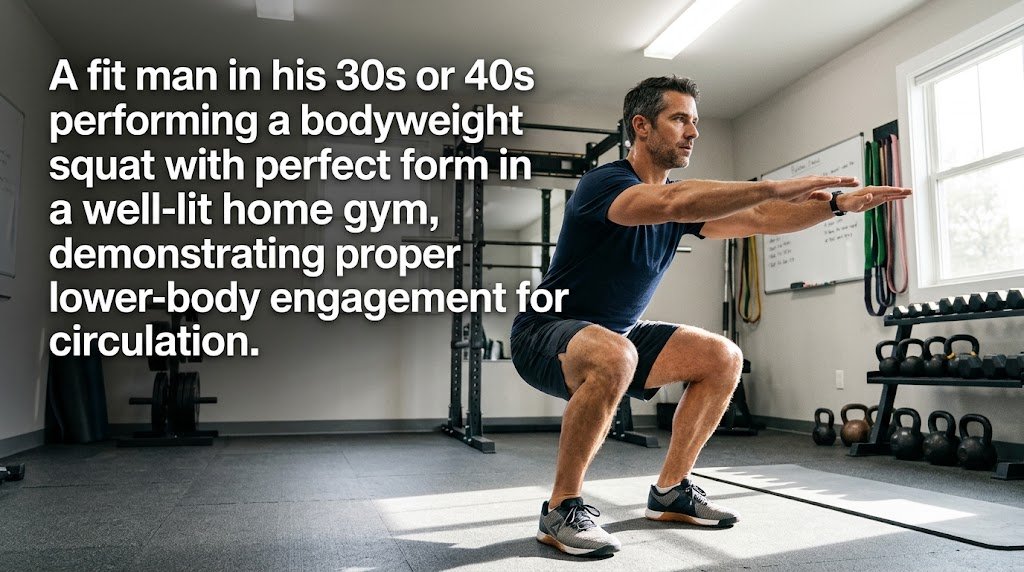
1. Master the Bodyweight Squat
Lower body resistance training is one of the most powerful tools for systemic circulation. The legs contain the largest muscle groups in the body. When you contract these muscles, they act as a “second heart,” pumping venous blood back up toward your core.
How to do it:
- Stance: Stand with feet shoulder-width apart, toes pointed slightly outward (about 15 degrees).
- Descent: Push your hips back and bend your knees, keeping your chest up and spine neutral. Lower until your thighs are at least parallel to the floor.
- Ascent: Drive through your mid-foot and heels to return to the starting position, squeezing your glutes at the top.
- Tempo: 3 seconds down, 1-second pause, 1 second up.
- Sets/Reps: 3 to 4 sets of 8 to 12 repetitions. Rest 60–90 seconds between sets.
Regression: If full depth is challenging, perform a box squat. Place a bench or box behind you (about 16 to 18 inches / 40 to 45 cm high) and sit back onto it before standing up.
Progression: Hold a dumbbell or kettlebell at your chest (goblet squat) or progress to a barbell back squat with 45 to 65 lb (20 to 30 kg) to increase the hemodynamic demand.
Coach’s Tip: Breathe in deeply through your nose as you lower down, and exhale forcefully through your mouth as you drive up. This intra-abdominal pressure protects your spine and optimizes blood return to the heart.
Common Mistake: Letting the knees cave inward (valgus collapse). This restricts blood flow and stresses the joints. Actively push your knees outward so they track in line with your second and third toes.
2. Commit to Daily Brisk Walking
You do not need to run marathons to boost circulation. Low-intensity steady-state (LISS) cardio, like brisk walking, is highly effective at improving endothelial function without spiking cortisol levels. The Centers for Disease Control and Prevention (CDC) recommends at least 150 minutes of moderate-intensity aerobic activity per week.
How to apply it: Aim for a 30- to 45-minute walk, 4 to 5 days a week. Your pace should be brisk enough that you can hold a conversation, but you would struggle to sing a song. This typically translates to a pace of 3 to 4 miles per hour (4.8 to 6.4 km/h). Walking after meals is particularly effective for blunting blood sugar spikes, which protects blood vessel integrity.
3. Strengthen the Pelvic Floor (Kegel Exercises)
Pelvic floor health is directly tied to genital blood flow. Many men assume Kegels are only for women, but strengthening the bulbospongiosus and ischiocavernosus muscles can significantly improve vascular engorgement and stamina.
How to do it:
- Identify the muscles: The next time you urinate, try to stop the flow mid-stream. The muscles you clench are your pelvic floor muscles. (Do not make a habit of stopping urine flow, as this can cause bladder issues; use this only once or twice to identify the muscles).
- The Contraction: While sitting or lying down, tighten these muscles. Hold the contraction for 3 to 5 seconds.
- The Release: Relax completely for 3 to 5 seconds.
- Sets/Reps: Perform 3 sets of 10 to 15 repetitions daily.
Regression: Start with 2-second holds and 5-second rests.
Progression: Work up to 10-second holds, or perform “quick flicks” (1-second rapid contractions) to improve muscle responsiveness.
4. Eat Nitric Oxide-Boosting Foods
Your diet provides the raw materials for vasodilation. Foods rich in dietary nitrates and specific amino acids are proven to support circulation.
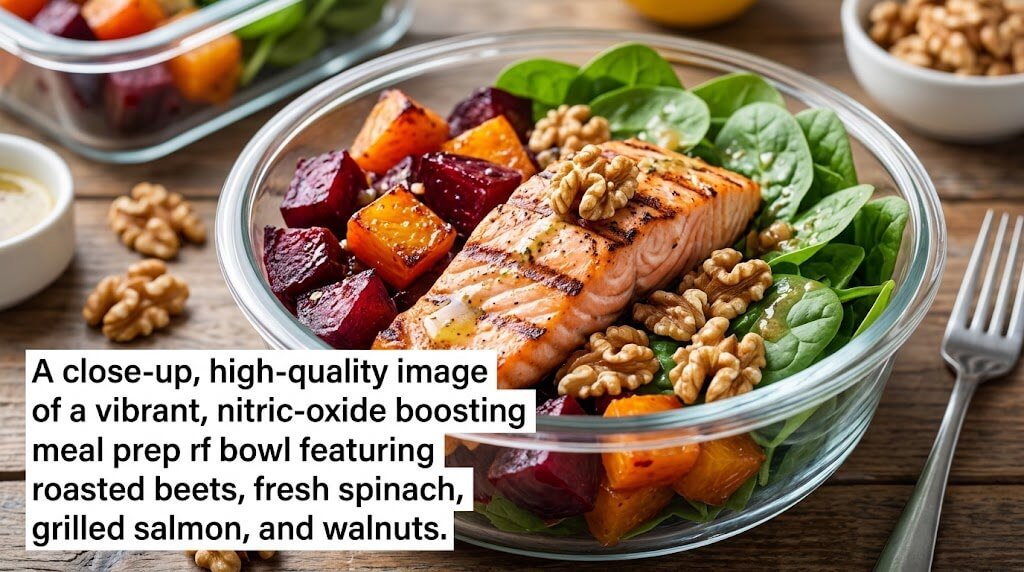
- Beetroot: High in inorganic nitrates, which the body converts to nitric oxide. Drinking 8 to 16 ounces (240 to 480 ml) of beetroot juice daily has been shown in NIH-funded studies to improve blood vessel dilation.
- Leafy Greens: Spinach, arugula, and kale are also packed with nitrates. Aim for 1 to 2 cups of raw greens daily.
- Watermelon: Contains L-citrulline, an amino acid that the kidneys convert to L-arginine, a direct precursor to nitric oxide. A 1-cup (150g) serving provides a meaningful dose.
- Dark Chocolate: Choose chocolate with at least 70% cocoa. The flavanols in cocoa stimulate the endothelium to produce nitric oxide. Limit to 1 to 1.5 ounces (30 to 45g) per day to avoid excess sugar.
5. Prioritize Strategic Hydration
Blood is roughly 50% water. When you are dehydrated, your blood volume decreases, and your blood becomes more viscous (thicker). This makes it harder for your heart to pump and slows down circulation.
How to apply it: Aim for at least half your body weight in ounces of water daily. For a 180 lb (82 kg) man, that is 90 ounces (2.6 liters) of water. If you are sweating during a workout, add an electrolyte supplement containing sodium and potassium to help your cells retain the fluid.
6. Incorporate High-Intensity Interval Training (HIIT)
While steady-state cardio is great, HIIT provides a potent stimulus for vascular adaptation. Short bursts of intense effort force your blood vessels to rapidly dilate and constrict, training them to be more elastic.
How to do it (Stationary Bike or Rower):
- Warm-up: 5 minutes of easy pedaling/rowing.
- Work Interval: 30 seconds of maximum sustainable effort (85-90% of max heart rate).
- Recovery Interval: 90 seconds of very light, easy pedaling/rowing.
- Repeat: 6 to 8 cycles.
- Cool-down: 5 minutes of easy movement.
- Frequency: 1 to 2 times per week, with at least 48 hours of recovery between sessions.
7. Manage Stress and Lower Cortisol
Chronic stress keeps your body in a “fight or flight” state, flooding your system with cortisol and adrenaline. These hormones cause chronic vasoconstriction, narrowing your blood vessels and elevating blood pressure. Learning to manage stress is a non-negotiable part of learning how to improve male blood flow naturally without medication.
How to apply it: Practice “box breathing” for 5 minutes daily. Inhale for 4 seconds, hold for 4 seconds, exhale for 4 seconds, and hold empty for 4 seconds. This simple technique activates the parasympathetic nervous system, directly signaling your blood vessels to relax. For more on managing daily stress, read our guide on how to increase energy and stamina naturally.
8. Optimize Sleep Quality and Duration
Sleep is when your cardiovascular system gets a chance to rest and repair. During deep sleep, your blood pressure drops, giving your endothelial cells a break from high-pressure flow. The American Academy of Sleep Medicine recommends 7 to 9 hours of quality sleep per night for adults. Poor sleep is strongly linked to endothelial dysfunction and reduced nitric oxide availability. If you struggle with rest, explore our insights on can stress and poor sleep lower male libido, as the vascular mechanisms are deeply interconnected.
9. Limit Vasoconstrictors: Alcohol and Nicotine
You cannot out-exercise or out-eat habits that actively damage your blood vessels.
- Nicotine: Smoking or vaping introduces chemicals that immediately damage the endothelium and cause acute vasoconstriction. Quitting is the single most impactful step you can take for vascular health.
- Alcohol: While a single glass of red wine contains beneficial resveratrol, excessive alcohol consumption raises blood pressure, dehydrates the body, and impairs nitric oxide production. Limit intake to no more than 2 standard drinks per day, and aim for several alcohol-free days each week.
10. Support Vascular Health with Targeted Nutrients
Certain vitamins and minerals act as cofactors in the production of nitric oxide and the protection of blood vessels from oxidative stress.
- Omega-3 Fatty Acids: Found in fatty fish (salmon, mackerel) or high-quality fish oil supplements. Aim for 1,000 to 2,000 mg of combined EPA and DHA daily to reduce vascular inflammation.
- Vitamin C: An antioxidant that protects nitric oxide from being destroyed by free radicals. Get 75 to 90 mg daily from citrus fruits, bell peppers, or broccoli.
- Magnesium: This mineral helps blood vessels relax. Men should aim for 400 to 420 mg daily from sources like pumpkin seeds, almonds, and spinach. Understanding which nutrients support normal energy metabolism can also help you build a solid foundation for overall vascular and cellular health.
Sample Weekly Routine for Optimal Circulation
Consistency beats intensity. Here is a practical, balanced weekly schedule that integrates these principles without leading to burnout.
| Day | Activity | Duration / Details | Focus |
| Monday | Lower Body Resistance + Kegels | 30 mins: 3×10 Goblet Squats, 3×10 Lunges. 5 mins: Kegel holds. | Muscle pump & pelvic floor |
| Tuesday | Brisk Walking | 40 mins at 3.5 mph (5.6 km/h) | Steady-state endothelial health |
| Wednesday | HIIT Session + Stretching | 20 mins: 8 rounds of 30s work / 90s rest on bike. | Vascular elasticity |
| Thursday | Active Recovery | 30 mins: Light walking, foam rolling, box breathing. | Cortisol reduction & recovery |
| Friday | Full Body Resistance + Kegels | 30 mins: Push-ups, rows, squats. 5 mins: Kegel quick flicks. | Systemic circulation boost |
| Saturday | Outdoor Activity | 60 mins: Hiking, cycling, or swimming. | Enjoyable, sustained movement |
| Sunday | Rest & Meal Prep | Focus on hydration, beet/green smoothies, and 8+ hours of sleep. | Nutritional support & repair |
Safety Notes and When to See a Doctor
While learning how to improve male blood flow naturally without medication is highly effective and safe for most men, it is important to listen to your body. If you experience chest pain, severe shortness of breath, dizziness, or sudden numbness in your limbs during exercise, stop immediately and seek emergency medical attention.
Furthermore, if you have a pre-existing cardiovascular condition, high blood pressure, or are currently taking prescription medications (especially blood thinners or blood pressure drugs), consult your physician before starting a new exercise regimen or making drastic dietary changes, such as consuming large amounts of beetroot juice, which can interact with certain medications.
Medical Disclaimer: This article is for general information and is not a substitute for advice from a doctor or physical therapist. Always consult a healthcare professional before beginning any new exercise or nutrition program, especially if you have underlying health conditions.
Frequently Asked Questions (FAQ)
1. What are the best exercises to improve blood flow in men?
The best exercises combine lower-body resistance training (like squats and lunges) with aerobic activity (like brisk walking or cycling). Lower-body movements engage large muscle groups that act as a “second heart,” pumping blood back to the core, while aerobic exercise directly improves endothelial function and nitric oxide production.
2. How long does it take to improve blood flow naturally?
You can experience acute improvements in blood flow immediately after a single bout of exercise due to temporary vasodilation. However, structural improvements in endothelial function and resting circulation typically take 4 to 8 weeks of consistent exercise, proper hydration, and a nitric oxide-rich diet.
3. Can stress reduction really improve male circulation?
Yes. Chronic stress elevates cortisol and adrenaline, which cause blood vessels to constrict. Practicing daily stress-reduction techniques, such as box breathing or meditation, activates the parasympathetic nervous system, signaling your blood vessels to relax and improving overall circulation.
4. What foods boost nitric oxide for better circulation?
Foods high in dietary nitrates and specific amino acids are best. Top choices include beetroot, leafy greens (spinach, arugula), watermelon (rich in L-citrulline), garlic, and dark chocolate (70% cocoa or higher). These provide the raw materials your body needs to produce nitric oxide.
5. Do pelvic floor exercises (Kegels) actually help men?
Absolutely. Strengthening the pelvic floor muscles improves blood flow to the genital region, supports urinary control, and can enhance sexual stamina. Performing 3 sets of 10-15 controlled holds daily is a highly effective, evidence-based practice for male vascular and pelvic health.
6. Does walking help with male blood flow?
Yes, brisk walking is one of the most accessible and effective ways to improve circulation. It elevates your heart rate to a moderate level, encouraging blood vessels to dilate without placing excessive stress on your joints or spiking cortisol levels. Aim for 30–45 minutes most days of the week.
Conclusion
Mastering how to improve male blood flow naturally without medication is entirely within your control. It does not require expensive supplements or extreme measures. Instead, it relies on the consistent application of foundational habits: moving your body daily with a mix of resistance and aerobic training, fueling your system with nitric oxide-boosting foods, staying hydrated, and managing stress.
Your cardiovascular system is highly adaptable. When you give it the right stimuli, it responds by becoming more efficient, flexible, and resilient. Start by picking two or three strategies from this guide, such as adding daily brisk walks and incorporating bodyweight squats, and build from there. Your energy, recovery, and overall vitality will thank you. For more targeted advice on optimizing your daily performance, explore our guide on how men improve stamina sexual wellness naturally.