
Waking up to a spinning room, persistent brain fog, or an off-balance sensation can stop your training—and your daily life—in its tracks. When swelling strikes the delicate structures of the vestibular labyrinth or the eighth cranial nerve, your brain receives garbled signals about where your body is in space. Learning how to reduce inner ear inflammation naturally gives you the tools to calm agitated tissues, accelerate central nervous system compensation, and regain physical stability without relying solely on temporary symptom-masking solutions.
Vestibular irritation usually stems from post-viral infections, systemic immune reactions, microvascular restrictions, or prolonged mechanical strain along the neck and skull base. As a strength and conditioning coach, I treat the vestibular system like any other biomechanical network: when an acute disturbance creates sensory mismatch, we must eliminate biochemical irritants, support cellular recovery, and systematically retrain the neural pathways.
This comprehensive guide breaks down the biological mechanisms behind vestibular swelling, proven dietary interventions, targeted vestibular rehabilitation exercises, cervical mobility drills, and evidence-based lifestyle modifications to help you reclaim your equilibrium.
Quick Answer
To learn how to reduce inner ear inflammation naturally, combine strict dietary sodium regulation (1,500–2,000 mg daily) and anti-inflammatory foods with daily vestibular rehabilitation exercises (like gaze stabilization). Support neural blood flow through gentle suboccipital neck mobility, optimize cellular recovery with magnesium and omega-3s, maintain constant hydration, and sleep with your head elevated 6 inches [15 cm] to minimize fluid pressure.
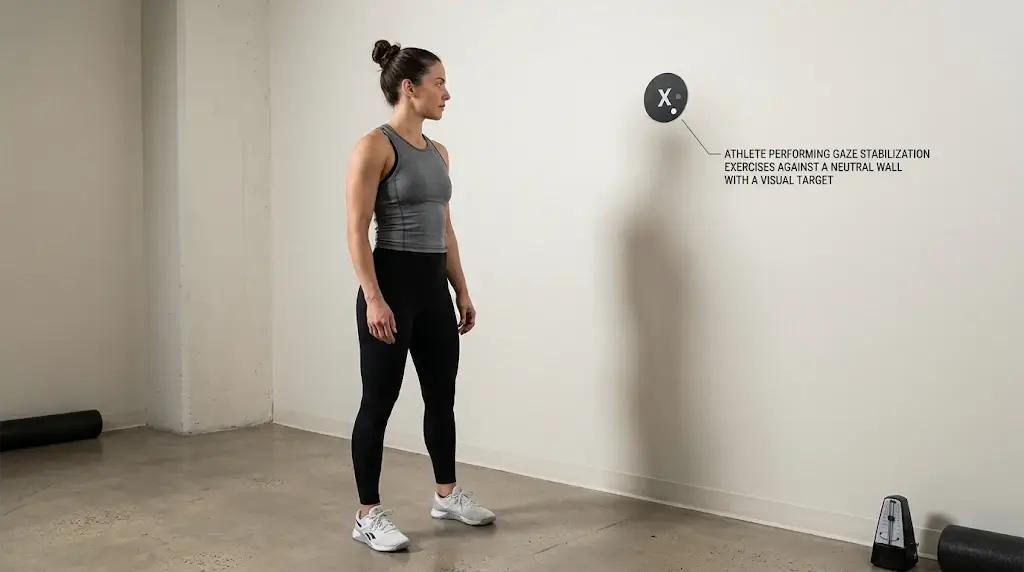
Understanding Inner Ear Anatomy and Swelling
To resolve inner ear irritation, you must first understand the microscopic real estate involved. Your inner ear houses two main organs: the cochlea (responsible for hearing) and the vestibular system (responsible for balance and spatial orientation). The vestibular apparatus consists of three fluid-filled semicircular canals that detect rotational movement, alongside the otolith organs (the utricle and saccule), which register gravity and linear acceleration.
These delicate organs are filled with two precise fluids: endolymph (rich in potassium) and perilymph (rich in sodium). The physical movement of these fluids bends microscopic hair cells (stereocilia), translating mechanical fluid dynamics into electrical action potentials sent along the vestibulocochlear nerve (cranial nerve VIII) straight into the brainstem and cerebellum.
When inflammation infiltrates this micro-environment, fluid volume swells—a state known as endolymphatic hydrops—or the nerve sheath itself becomes swollen and hypersensitive. The two most common clinical presentations are:
- Vestibular Neuritis: Isolated inflammation of the vestibular portion of cranial nerve VIII. It presents with severe rotatory vertigo, postural instability, and nausea, but preserves hearing function.
- Labyrinthitis: Inflammation involving both the vestibular nerve and the membranous labyrinth of the inner ear. It produces acute dizziness and balance loss accompanied by auditory symptoms such as sensorineural hearing loss, ear fullness, or high-pitched tinnitus.
According to clinical research published by the Cleveland Clinic, the vast majority of inner ear inflammation cases are triggered by viral infections—such as influenza, herpes simplex virus, Epstein-Barr, or common upper respiratory viruses—that cause collateral inflammatory damage within the temporal bone cavity.
How to Reduce Inner Ear Inflammation Naturally Through Nutrition and Hydration
What you put on your plate directly dictates the inflammatory status of your inner ear. The vascular supply to the inner ear is terminal, meaning it relies on microscopic labyrinthine arteries without substantial collateral blood flow. Poor dietary choices trigger systemic inflammation, compromise microvascular delivery, and spike fluid pressure within the membranous labyrinth.
1. Control Sodium and Potassium Osmolarity
The balance between sodium in perilymph and potassium in endolymph requires cellular stability. Sudden surges in blood sodium draw water into the labyrinthine spaces, dramatically increasing fluid volume and triggering pressure sensations, fullness, and spontaneous vertigo.
- The Strategy: Maintain a steady daily sodium target of 1,500 to 2,000 mg, distributed evenly across your meals. Avoid drastic swings; consuming 300 mg of sodium at lunch followed by 1,800 mg at dinner creates acute fluid shifts that irritate recovering hair cells.
- Potassium Pairing: Increase whole-food potassium sources like avocados, spinach, sweet potatoes, and coconut water. A balanced sodium-to-potassium ratio supports normal osmotic pressure throughout peripheral nerve tissues.
2. Eliminate Pro-Inflammatory Vascular Agitators
Certain foods and stimulants cause localized vasoconstriction followed by rebound vasodilation, disrupting inner ear oxygenation:
- Refined Sugars: High-glycemic carbs provoke rapid insulin spikes. The inner ear requires significant glucose to maintain ion-transport pumps, but glycemic volatility disrupts cellular energy, sparking micro-inflammation.
- Caffeine and Alcohol: Both alter fluid balance and act as neuro-stimulants or depressants that interfere with central vestibular compensation. If you need clean, sustained stamina without taxing your nervous system, focus on strategies that boost daily energy without stimulants.
- Artificial Sweeteners: Aspartame and sucralose can act as neuro-excitotoxins in sensitive individuals, increasing spontaneous firing of an already inflamed vestibular nerve.
3. Load Up on Anti-Inflammatory Nutrients
Systemic inflammation amplifies localized vestibular swelling. To dampen pro-inflammatory cytokines like interleukin-6 (IL-6) and tumor necrosis factor-alpha (TNF-αα), build your meals around:
- Cold-Water Fatty Fish: Wild salmon, sardines, and mackerel provide therapeutic doses of eicosapentaenoic acid (EPA) and docosahexaenoic acid (DHA). If dietary intake is insufficient, you can combat cellular damage by adding pure omega-3 fatty acids for inflammation.
- Deep Pigment Polyphenols: Blueberries, blackberries, and pomegranate supply bioflavonoids that protect micro-vessels from oxidative degradation.
- Sulfur-Rich Cruciferous Vegetables: Broccoli, Brussels sprouts, and kale upregulate endogenous glutathione production, the body’s primary defense against tissue swelling.
- Carotenoid Antioxidants: Powerful microvascular protectors, such as potent carotenoid antioxidants, help clear free-radical cascades around nerve endings.
4. Hydration Protocol for Fluid Equilibrium
Dehydration causes your body to conserve fluid, concentrating electrolytes and stressing vascular tone. This dynamic exacerbates inner ear pressure.
- Target: Drink half your body weight in fluid ounces of filtered water daily. For a 180 lb [82 kg] individual, that equals 90 oz [2.6 liters] per day.
- Timing: Sip water steadily across waking hours rather than chugging large volumes at once. This avoids osmotic imbalances in the blood.
| Nutritional Factor | Recommended Target | Primary Food Sources | Mechanism of Action |
| Dietary Sodium | 1,500–2,000 mg/day | Natural sea salt (evenly spaced) | Stabilizes perilymph and endolymph fluid volume |
| Dietary Potassium | 3,500–4,500 mg/day | Avocados, bananas, spinach, squash | Balances cellular osmotic gradients |
| Omega-3s (EPA/DHA) | 2,000–3,000 mg/day | Wild salmon, sardines, algae oil | Suppresses pro-inflammatory prostaglandins |
| Magnesium | 400–500 mg/day | Pumpkin seeds, dark leafy greens | Calms NMDA receptors, improves microcirculation |
| Clean Water | 0.5 oz per lb body weight | Filtered water, mineral infusions | Prevents vascular stagnation and fluid pooling |
Vestibular Rehabilitation: How to Reduce Inner Ear Inflammation Naturally with Movement
When athletes suffer from vestibular neuritis or labyrinthitis, their instinct is often to lie completely still in a dark room. While rest is essential during the acute 48-hour stage to manage severe nausea, prolonged immobility delays long-term recovery.
The human brain adapts via vestibular compensation: healthy regions of the brainstem and cerebellum actively recalibrate their visual-vestibular maps to accommodate altered signals from an inflamed inner ear. Movement is the exact stimulus that accelerates this neuroplastic healing.
The gold-standard protocol is Vestibular Rehabilitation Therapy (VRT). The following exercises are designed to reduce balance-related anxiety, recalibrate the vestibulo-ocular reflex (VOR), and clear dynamic movement sensitivity.
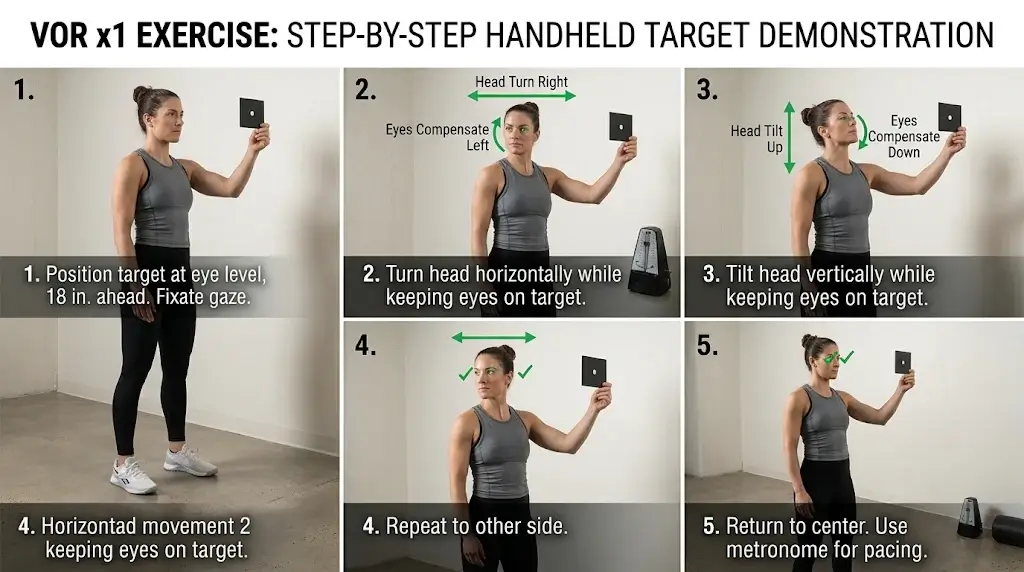
Exercise 1: Vestibulo-Ocular Reflex (VOR x1) Gaze Stabilization
The VOR maintains stable vision on a stationary object while your head is moving. Swelling along cranial nerve VIII disrupts this reflex, making your surroundings appear to bounce, blur, or smear (oscillopsia).
text
[Visual Target (Letter “A”)] <── Eyes Locked Steadily
▲
│ (Head rotates left & right 20 degrees)
│
[Client]
- Purpose: Retrains gaze stability, recalibrates cerebellar control, and dampens vestibular signal distortion.
- Setup: Sit upright in an armless chair. Write a single letter (such as “A”) about 1 inch [2.5 cm] tall on an index card. Hold the card at eye level, roughly 18 inches [45 cm] in front of your face.
- Step-by-Step Form:
- Fix your eyes entirely on the letter.
- Slowly turn your head horizontally side-to-side (shaking your head “no”) across a small 20- to 30-degree arc.
- Keep your eyes glued to the target. The letter must remain completely sharp. If it blurs or jumps, you are moving your head too fast.
- Perform the horizontal movement for 30 to 60 seconds.
- Rest for 60 seconds, then repeat the drill moving your head vertically (nodding your head “yes”) across a 20-degree arc for 30 to 60 seconds.
- Volume: Perform 2 to 3 sets in each direction, 2 to 3 times per day.
- Regression: Slow down your head tempo. Move through a smaller arc of motion (10 to 15 degrees) while keeping your gaze locked on the target.
- Progression (VOR x2): Hold the target card in front of you. While slowly turning your head to the left, move the card simultaneously to the right, keeping your eyes locked on the target.
Exercise 2: Brandt-Daroff Habituation Maneuver
While the Brandt-Daroff protocol is widely known for clearing secondary benign paroxysmal positional vertigo (BPPV), it also acts as a powerful habituation tool. It safely exposes your central nervous system to positional shifts, desensitizing it to the fluid turbulence caused by lingering inner ear swelling.
- Purpose: Promotes habituation to rapid positional changes and disperses microscopic otolithic debris that can settle inside swollen canals.
- Setup: Sit on the edge of a firm bed or padded exercise mat with your feet flat on the floor.
- Step-by-Step Form:
- Sit tall in the center of the bed for 30 seconds.
- Rapidly lie down onto your right side. Turn your head 45 degrees upward toward the ceiling as your shoulder meets the mattress.
- Hold this position for 30 seconds, or until any triggered dizziness subsides.
- Sit back up to the starting position and wait 30 seconds for your balance to stabilize.
- Rapidly lie down onto your left side, again turning your head 45 degrees upward.
- Hold for 30 seconds, then return to an upright seated position.
- Volume: Perform 5 repetitions on each side, once in the morning and once in the evening.
- Regression: Move between positions at a moderate pace rather than lying down rapidly, using a firm pillow to support your neck.
- Progression: Close your eyes throughout the transitions, forcing your brain to rely purely on joint proprioception and residual vestibular feedback.
Exercise 3: Static Proprioceptive Reset (Romberg Progressions)
Inflamed vestibular hair cells send inconsistent positional data, forcing your nervous system to rely heavily on vision and foot proprioception to keep you upright. These static balance drills progressively train your joint receptors to bridge the sensory gap.
- Purpose: Re-educates proprioceptive processing, rebuilds postural confidence, and speeds functional recovery.
- Setup: Stand barefoot in a room corner with your back to the wall. Keep a sturdy chair in front of you so you can touch the backrest if you lose your balance.
- Step-by-Step Form:
- Base Level: Place your feet completely together, ankles touching. Cross your arms over your chest.
- Stand tall, brace your core, and stare at a fixed point on the wall for 30 seconds.
- The Challenge: While maintaining this foot position, close both eyes.
- You will likely feel small postural sways (micro-oscillations). Maintain your balance without taking a step or grabbing the chair for support.
- Volume: Perform 3 sets of 30-second holds daily.
- Regression: Perform the drill with your feet hip-width apart (about 8 to 10 inches [20 to 25 cm] wide) with your eyes open.
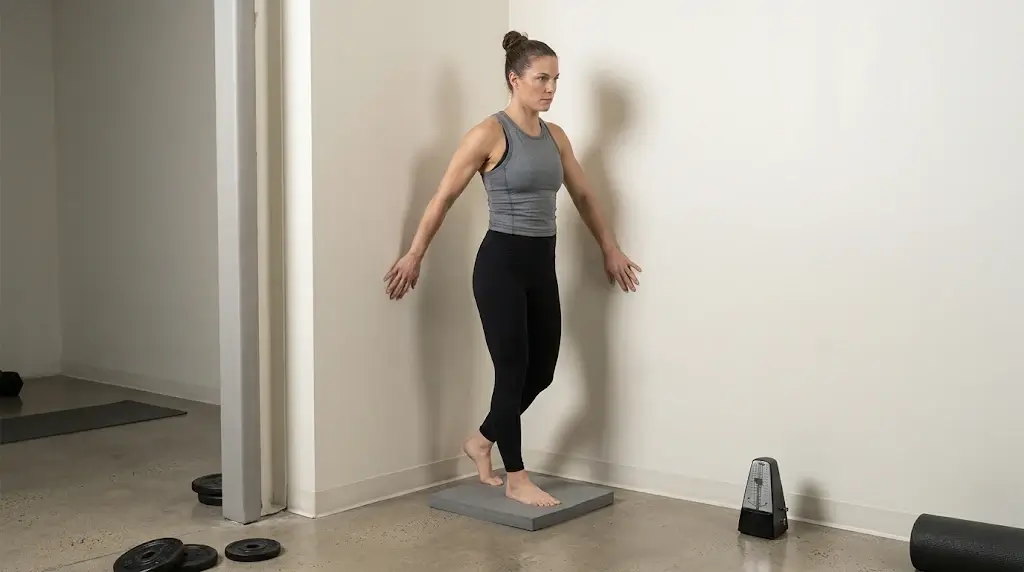
- Progression (Tandem Stance on Foam): Place your right foot directly in front of your left foot in a heel-to-toe line on a high-density foam balance pad. Balance for 30 seconds with eyes open, then close your eyes. Swap lead feet and repeat.
Coach’s Tip: The “Rule of Two” for Dizziness
When training through vestibular inflammation, dizziness is an expected part of the neuroplastic recovery process. Gauge your discomfort on a scale from 0 to 10 (where 0 is completely stable and 10 is severe room-spinning vertigo).
During VRT drills, work at an intensity that raises your baseline dizziness by no more than 2 points (for example, moving from a 2/10 to a 4/10). Once you pause the exercise, your symptoms should settle back to your baseline within 60 to 90 seconds. If your symptoms spike higher or take hours to resolve, you are over-stimulating the inflamed nerve. Pull back your head speed or narrow your range of motion.
Vestibular Rehabilitation Training Parameters
| Exercise | Target Mechanism | Sets / Reps | Frequency | Movement Speed / Tempo | Primary Focus Cue |
| VOR x1 Horizontal | Vestibulo-ocular reflex recalibration | 3 sets × 45 sec | 2–3× daily | Controlled, rhythmic (1–2 Hz) | “Lock your eyes; keep the letter tack-sharp.” |
| VOR x1 Vertical | Sagittal plane visual stabilization | 3 sets × 45 sec | 2–3× daily | Controlled, rhythmic (1–2 Hz) | “Nod smoothly without moving your shoulders.” |
| Brandt-Daroff | Positional habituation & debris clearance | 5 reps per side | 2× daily | Dynamic transition, 30s pause | “Move cleanly, then let the room settle completely.” |
| Feet-Together Romberg | Proprioceptive integration | 3 sets × 30 sec | 1× daily | Static hold (no movement) | “Feel your big toes and heels grip the floor.” |
| Tandem Foam Balance | Somatosensory compensation | 3 sets × 30 sec | 1× daily | Static hold on compliance mat | “Keep your pelvis level; breathe into your diaphragm.” |
Cervical Spine Mechanics: Relieving Microvascular and Neural Compression
The vestibular apparatus does not operate in a vacuum. It works in close concert with the cervico-ocular reflex (COR), guided by dense clusters of muscle spindles packed into your deep suboccipital muscles (rectus capitis posterior and obliquus capitis).
Poor seated posture, forward head carriage, or cervical muscle spasms compress the vertebral arteries. These vessels branch into the anterior inferior cerebellar artery (AICA) and the labyrinthine artery, which directly nourish the inner ear. Restoring functional mobility through the upper cervical spine eases pressure on these vessels, ensuring fresh oxygen and nutrients reach resolving tissues.
1. Suboccipital Myofascial Release
- How to Do It: Lie faceup on a training mat. Place two lacrosse balls or a peanut massage tool directly underneath the base of your skull, right above the spine. Allow your head to rest gently on the balls.
- The Movement: Slowly tuck your chin downward as if making a subtle double chin. Hold this gentle pressure for 90 to 120 seconds. Take long, deep diaphragmatic breaths to downregulate your sympathetic nervous system.
- Why It Works: Releases hyper-toned suboccipital tissues, easing tension on the C1–C2 nerve roots and freeing microvascular circulation to the temporal bone.
2. Seated Chin Tucks with Isometric Axial Extension
- How to Do It: Sit upright with your shoulder blades resting gently against a wall. Look straight ahead.
- The Movement: Place two fingers on your chin. Without tilting your head up or down, push your chin horizontally backward, gliding your head toward the wall. At the end of the range, hold the contraction for 5 seconds while gently lengthening the crown of your head toward the ceiling.
- Volume: Perform 2 to 3 sets of 10 repetitions, twice a day.
- Why It Works: Strengthens deep cervical flexors (longus capitis and longus colli), pulling the head out of forward posture and decompressing the upper cervical joints.
Common Mistake: Forceful Neck Cracking or Aggressive Stretching

When experiencing inner ear fullness and off-balance sensations, many clients assume their neck is “out of alignment” and aggressively crank their head from side to side until they feel a pop.
Never do this. Violent neck twisting can irritate the vertebral arteries, provoke severe muscle spasms, and amplify vestibular dizziness. Stick to gentle, controlled axial lengthening, slow myofascial release, and smooth chin tucks.
Evidence-Based Supplements and Botanicals for Neuro-Inflammation
While natural compounds will not cure an acute viral infection overnight, targeted nutrients can help clear neuro-inflammation, stabilize mitochondrial function within sensory hair cells, and optimize microvascular blood flow.
1. Magnesium Glycinate
Magnesium acts as a natural calcium channel blocker and an antagonist of N-methyl-D-aspartate (NMDA) receptors. During inner ear inflammation, overactive hair cells can dump excess glutamate, causing excitotoxic damage to surrounding nerve fibers.
- Clinical Target: 400 to 500 mg daily, taken in the evening.
- Form: Choose chelated forms like glycinate or malate; they cross biological membranes easily and cause minimal gastrointestinal distress.
2. Standardized Ginkgo Biloba Extract (EGb 761)
Ginkgo biloba has been studied extensively for peripheral vestibular disorders and cochlear microcirculation. According to systematic reviews available on PubMed, standardized Ginkgo biloba extract (EGb 761) performs comparably to betahistine in alleviating vestibular vertigo and speeding central vestibular compensation by scavenging free radicals and improving capillary micro-viscosity.
- Clinical Target: 120 to 240 mg daily, split into two equal doses and standardized to 24% ginkgo flavone glycosides and 6% terpene lactones.
3. High-Absorption Curcumin (Curcuma Longa)
Curcumin is one of nature’s most potent inhibitors of nuclear factor-kappa B (NF-B), a primary genetic trigger for pro-inflammatory cytokines. Clinical research highlights its ability to temper post-viral neuro-inflammation throughout sensory nerve tracts.
- Clinical Target: 500 to 1,000 mg daily of a bioavailable formulation (such as curcumin bound with piperine or standardized to phytosomal phospholipids).
4. Therapeutic Vitamin D3 and K2
Vitamin D receptors are distributed widely throughout the inner ear and temporal bone. Deficiencies in serum 25-hydroxyvitamin D correlate with recurrent vestibular symptoms, slower compensation times, and delayed resolution of tissue swelling.
- Clinical Target: 2,000 to 5,000 IU of Vitamin D3 paired with 100 mcg of Vitamin K2 (MK-7) daily, taken with a meal containing healthy fats.
Sleep Architecture and Circadian Regulation for Vestibular Healing
Deep, slow-wave sleep is the primary biological window for clearing metabolic waste from the central nervous system. The brain’s glymphatic system flushes interstitial proteins and cellular debris from neural tissue while you sleep. If your sleep is interrupted by dizzy spells or poor sleep mechanics, cellular recovery in the inner ear stalls. You can read more about how prioritizing quality sleep habits directly governs systemic hormone balance and inflammation.
Text
Elevate Your Head: Lie with your head elevated at a 30-degree incline, roughly 6 inches [15 cm] above your heart. You can use a structured wedge pillow or raise the head of your bed frame. This angle prevents fluid pooling and dampens hydrostatic pressure inside the temporal bone.
- Avoid Flat Sleeping: Sleeping flat on your back allows fluid to pool around the semicircular canals. This can lead to that disorienting, pressurized sensation when you first stand up in the morning.
- Sleep on the Unaffected Ear: During the acute healing phase, sleep on your back (elevated) or on the side of your healthy, unaffected ear. This reduces direct mechanical compression and minimizes irritation of the inflamed nerve.
Daily Recovery Protocol: Putting It All Together
To get tangible results from this protocol, consistency is key. Sporadic balance exercises or occasional clean meals will not reset an inflamed vestibular system. Follow this daily coaching blueprint to systematically lower systemic inflammation and encourage neurological compensation.
Morning Phase: Hydration and Neural Activation
- Targeted Rehydration: Drink 16 oz [475 ml] of warm, filtered water right after waking. Add a light squeeze of fresh lemon to stimulate digestive bile without altering your sodium balance.
- First VRT Session: Complete your first round of VOR x1 drills (45 seconds horizontal, 45 seconds vertical) while your nervous system is rested. Follow up with your Brandt-Daroff habituation protocol.
- Nutrient-Dense Breakfast: Pair a low-sodium vegetable omelet (pasture-raised eggs, spinach, avocado) with a cup of polyphenol-rich green tea. If morning fatigue lingers from broken sleep, use proven protocols to rebuild daily stamina naturally.
Midday Phase: Vascular Flow and Stress Reduction
- Cervical Decompression: After several hours of desk or computer work, spend 3 minutes performing seated chin tucks and gentle thoracic extensions over the back of your chair.
- Proprioceptive Balance Work: Stand barefoot in a corner setup and perform 3 sets of 30-second Romberg holds, moving through the progressions outlined above.
- Stress and Cortisol Modulation: Mental stress elevates systemic cortisol and epinephrine, which causes vasoconstriction in the inner ear. Take five minutes to practice box breathing (inhale 4 seconds, hold 4 seconds, exhale 4 seconds, hold 4 seconds). For deeper autonomic nervous system support, consider managing cortisol and stress levels to prevent chronic stress from slowing your recovery.
Evening Phase: Tissue Recovery and Cellular Calming
- Anti-Inflammatory Dinner: Enjoy 6 oz [170 g] of wild-caught salmon alongside roasted sweet potatoes and steamed broccoli drizzled with extra-virgin olive oil.
- Nighttime Supplementation: Take 400 mg of magnesium glycinate paired with your standardized Ginkgo biloba extract roughly 45 minutes before turning in.
- Sleeping Setup: Position your head on your 6-inch [15 cm] wedge pillow. Keep your room dark, cool (around 66°F [19°C]), and quiet to protect restorative slow-wave sleep.
Red Flags: When to Seek Immediate Medical Attention
While mild to moderate post-viral swelling and vestibular dizziness respond exceptionally well to natural recovery strategies, inner ear symptoms can occasionally mimic serious neurological emergencies.
According to clinical diagnostic criteria from Harvard Health, the onset of acute vertigo accompanied by any focal neurological deficits requires immediate emergency evaluation to rule out a posterior circulation stroke, transient ischemic attack (TIA), or cerebellar hemorrhage.
Consult an otolaryngologist (ENT) or a dedicated vestibular physical therapist if:
- Your rotational vertigo is accompanied by severe, sudden hearing loss.
- You experience intense, purulent fluid drainage from the ear canal.
- Your symptoms show zero improvement after 7 to 10 days of conservative care.
- High fever and stiff neck accompany your dizziness.
Frequently Asked Questions
How long does it take for inner ear inflammation to heal naturally?
Mild to moderate inner ear swelling typically begins resolving within 7 to 14 days as acute cellular inflammation subsides. However, full recovery of balance and visual stability usually takes 4 to 8 weeks. This timeline depends on the brain’s ability to complete central vestibular compensation through daily rehabilitation drills.
Can dehydration make inner ear inflammation worse?
Yes, dehydration significantly worsens inner ear swelling. When systemic water levels drop, electrolyte concentrations fluctuate, and blood viscosity increases. This reduces microvascular perfusion through the delicate labyrinthine artery, which exacerbates fluid pressure imbalances within the endolymph and delays healing.
Does applying heat or cold help an inflamed inner ear?
Cold packs applied behind the ear (over the mastoid bone) for 10 to 15 minutes help constrict surface blood vessels and calm acute neural throbbing. Warm compresses placed over the neck muscles relax secondary suboccipital spasms, improving overall lymphatic and venous drainage away from the skull base.
What foods should I avoid with an inflamed vestibular system?
Avoid high-sodium processed foods, refined sugars, artificial sweeteners (such as aspartame), alcohol, and excess caffeine. These substances cause rapid osmotic fluid shifts in the inner ear, trigger microvascular spasms, and provoke metabolic stress that can intensify dizziness, ear fullness, and tinnitus.
Is walking good for inner ear inflammation?
Yes, walking is one of the best functional exercises for vestibular recovery. Walking outdoors forces your visual, vestibular, and proprioceptive systems to work together, accelerating cerebellar compensation. Start on smooth, flat surfaces in daylight, and keep a steady, forward-facing head posture before progressing to busier environments.
Why does my dizziness feel worse in grocery stores or crowds?
This phenomenon is known as visual vertigo or visually induced dizziness. When an inflamed inner ear sends unreliable position data to the brain, your central nervous system leans heavily on visual cues for balance. The moving carts, bright overhead lights, and tall, patterned aisles overwhelm visual processing, triggering sudden disorientation.
Moving Forward: Rebuilding Balance and Confidence
Recovering from vestibular dysfunction requires patience, anatomical awareness, and a structured plan of attack. Experiencing dizziness can feel disorienting and exhausting, but the human nervous system possesses an incredible capacity for self-repair when given the right physiological support.
Knowing how to reduce inner ear inflammation naturally means approaching your recovery from every angle. Regulate your fluid and electrolyte balance through clean, low-sodium nutrition; support cellular healing with targeted supplements; and decompress your cervical spine to maintain healthy blood flow. Most importantly, do not shy away from movement. Treat your vestibular rehabilitation exercises like essential daily strength work, gradually retraining your brain to trust your balance again.
Consistency is your greatest ally. Stick to your daily gaze stabilization work, elevate your head at night, stay well hydrated, and give your body the time it needs to heal. With a methodical approach, you can calm internal inflammation, stabilize your spatial orientation, and return to your daily life feeling steady, confident, and strong.