
Starting an insulin resistance diet meal plan for beginners does not have to be overwhelming or restrictive. As a strength and conditioning coach, I see clients struggle with energy crashes and stubborn weight gain, only to find that balancing their blood sugar is the missing puzzle piece. Insulin resistance happens when your cells stop responding efficiently to insulin, the hormone that shuttles glucose (sugar) from your blood into your cells for energy.
The good news is that nutrition is one of the most powerful tools you have to improve this response. By focusing on specific, nutrient-dense foods, you can smooth out glucose spikes, improve satiety, and support your body’s natural metabolic rhythms. This guide breaks down exactly what to eat, how much to eat, and how to prepare it, giving you a clear, actionable roadmap to better metabolic health.
Quick Answer
An effective insulin resistance diet meal plan for beginners prioritizes non-starchy vegetables, lean proteins, healthy fats, and high-fiber, low-glycemic carbohydrates. Aim for balanced meals containing 20–30 grams of protein, plenty of fiber, and controlled portions of complex carbs to prevent blood sugar spikes. Consistency in meal timing and portion control is more important than perfection.

Core Components of an Insulin Resistance Diet Meal Plan for Beginners
Building a sustainable diet is about adding nutrient-dense foods, not just subtracting “bad” ones. Below are the 10 foundational food categories you should include in your daily routine. Each section includes practical portion guides, preparation tips, and the science behind why it works.
1. Non-Starchy Vegetables (The Foundation)
Non-starchy vegetables are the ultimate volume food. They provide essential vitamins, minerals, and dietary fiber with minimal impact on your blood glucose levels. The fiber slows down digestion, which prevents rapid spikes in blood sugar after a meal.
- How to use it: Fill half of your 9-inch (23 cm) dinner plate with these vegetables at lunch and dinner.
- Portion guide: 1 to 2 cups (150 to 300 g) per meal.
- Why it works: Research from the American Diabetes Association highlights that high-fiber, non-starchy vegetables improve glycemic control and promote satiety without adding excess calories.
- Coach’s Tip: Keep a bag of frozen mixed vegetables (broccoli, cauliflower, green beans) in your freezer. They are flash-frozen at peak ripeness, retaining their nutrients, and can be microwaved in 3 minutes for a quick side dish.
- Regression: Use pre-cut, bagged salad mixes or frozen steam-in-bag veggies to eliminate chopping time.
- Progression: Batch-roast 3 lb (1.3 kg) of mixed vegetables with olive oil and herbs on Sunday for the entire week.
2. Lean Proteins (The Blood Sugar Stabilizer)
Protein has the highest thermic effect of food, meaning your body burns more calories digesting it compared to fats or carbs. More importantly, protein triggers the release of glucagon, a hormone that helps balance insulin, and it significantly blunts the blood sugar response of any carbohydrates eaten in the same meal.
- How to use it: Include a palm-sized portion of protein at every meal and snack.
- Portion guide: 4 to 6 oz (113 to 170 g) per meal, which equals about 25 to 35 grams of protein.
- Why it works: Studies show that adequate protein intake and metabolism are closely linked to improved satiety and better postprandial (after-meal) glucose control.
- Common Mistake: Relying on processed meats like bacon or sausage, which are often high in saturated fats and sodium that can promote inflammation. Stick to chicken, turkey, fish, eggs, and tofu.
- Regression: Keep canned tuna, pre-cooked grilled chicken strips, or hard-boiled eggs on hand for zero-prep protein.
- Progression: Learn to batch-cook 3 lb (1.3 kg) of baked chicken breasts or lean ground turkey to portion into containers for the week.

3. Healthy Fats (The Satiety Booster)
Dietary fat does not stimulate insulin secretion. When paired with carbohydrates, fat slows gastric emptying, meaning food moves from your stomach to your intestines more slowly. This results in a gradual, steady release of glucose into the bloodstream rather than a sharp spike.
- How to use it: Add a thumb-sized portion of healthy fat to meals, especially when eating carbohydrates.
- Portion guide: 1 tbsp (15 ml) of olive oil, 1/4 of a medium avocado, or 1 oz (28 g) of nuts.
- Why it works: Replacing refined carbohydrates with monounsaturated and polyunsaturated fats is shown to boost metabolic flexibility and improve cellular insulin sensitivity over time.
- Coach’s Tip: Measure your oils. It is easy to pour 3 tbsp (45 ml) of olive oil into a pan, which adds 360 calories and can hinder weight management goals if you are in a calorie deficit.
- Regression: Use pre-portioned single-serve nut packets or pre-sliced avocado cups.
- Progression: Make your own vinaigrettes using extra virgin olive oil, apple cider vinegar, and mustard to avoid the added sugars in store-bought dressings.
4. Low-Glycemic Fruits (The Smart Sweetness)
You do not need to eliminate fruit. The key is choosing fruits with a low glycemic index (GI) and a high fiber-to-sugar ratio. Berries are the gold standard because their vibrant colors come from anthocyanins, antioxidants that have been linked to improved metabolic health.
- How to use it: Eat fruit as a standalone snack paired with a protein or fat, or as a natural dessert after a balanced meal.
- Portion guide: 1/2 to 1 cup (75 to 150 g) of berries, or one small apple (about the size of a tennis ball, roughly 5 oz or 140 g).
- Why it works: A diet rich in berries is associated with a lower risk of type 2 diabetes, as the fiber and polyphenols help modulate glucose absorption.
- Common Mistake: Drinking fruit juice or eating large portions of dried fruit (like raisins or dates), which concentrate the sugar and remove the beneficial fiber, leading to rapid glucose spikes.
- Regression: Use frozen berries blended into a protein shake for a filling, low-sugar treat.
- Progression: Pair fresh berries with 1 oz (28 g) of almonds or a dollop of plain Greek yogurt to further blunt the glycemic response.
5. High-Fiber Legumes and Beans (The Resistant Starch Powerhouse)
Lentils, chickpeas, black beans, and pinto beans are nutritional powerhouses. They contain a unique type of carbohydrate called resistant starch, which bypasses digestion in the small intestine and ferments in the large intestine, feeding beneficial gut bacteria.
- How to use it: Use legumes as a primary carbohydrate source in soups, salads, or as a side dish.
- Portion guide: 1/2 cup (90 g) of cooked beans or lentils.
- Why it works: Research indicates that the dietary fiber help with appetite regulation and significantly lowers the overall glycemic load of a meal, improving long-term fasting insulin levels.
- Coach’s Tip: If beans cause digestive discomfort, start with smaller portions (1/4 cup or 45 g) and ensure you rinse canned beans thoroughly under cold water to remove excess sodium and oligosaccharides.
- Regression: Buy low-sodium canned beans, rinse them well, and add them directly to salads or wraps.
- Progression: Cook dried beans from scratch and cool them in the refrigerator overnight. Cooling increases the resistant starch content, further benefiting blood sugar control.
6. Whole Grains (The Complex Carb Choice)
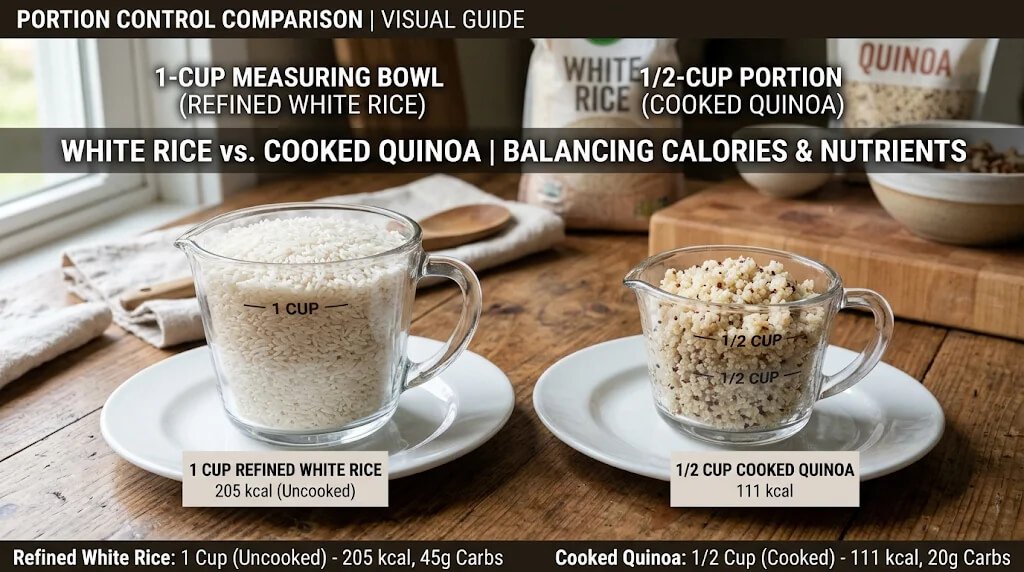
Not all carbohydrates are created equal. Refined grains (white bread, white rice, regular pasta) are stripped of their fiber and bran, causing rapid digestion. Whole grains retain their fiber, vitamins, and minerals, requiring more work from your digestive system.
- How to use it: Treat whole grains as a condiment or side dish, not the main event of your plate.
- Portion guide: 1/2 cup (100 g) of cooked quinoa, brown rice, or steel-cut oats (about the size of a computer mouse).
- Why it works: Intact whole grains have a lower glycemic load. The soluble fiber control appetite by forming a gel-like substance in the gut, slowing down the absorption of sugars into the bloodstream.
- Common Mistake: Assuming all “wheat” or “multigrain” bread is healthy. Many commercial breads are primarily refined flour with a sprinkle of whole grains. Always check the ingredient list: the first word should be “100% whole wheat” or “whole grain.”
- Regression: Choose 100% whole wheat wrap or Ezekiel (sprouted grain) bread for easy sandwich options.
- Progression: Soak steel-cut oats overnight in water or unsweetened almond milk to reduce cooking time and improve nutrient bioavailability.
7. Nuts and Seeds (The Crunchy Metabolic Support)
Walnuts, almonds, chia seeds, flaxseeds, and pumpkin seeds are dense in magnesium, a mineral that plays a critical role in glucose metabolism. Magnesium deficiency is surprisingly common and is linked to poorer insulin sensitivity.
- How to use it: Sprinkle seeds over salads or yogurt, or eat a small handful of nuts as a mid-afternoon snack.
- Portion guide: 1 oz (28 g), which is roughly a small handful or 2 tablespoons of seeds.
- Why it works: Regular consumption of tree nuts is associated with improved glycemic control and reduced inflammation, supporting overall metabolic health nutrition.
- Coach’s Tip: Buy raw or dry-roasted nuts with no added oil or salt. Store them in the refrigerator or freezer to prevent the healthy fats from going rancid.
- Regression: Keep pre-portioned 1 oz (28 g) nut packs in your gym bag or desk drawer to avoid vending machine temptations.
- Progression: Make a large batch of chia seed pudding (3 tbsp chia seeds to 1 cup unsweetened almond milk) for a high-fiber, make-ahead breakfast.
8. Fermented Foods (The Gut Health Connection)
Emerging science shows a strong link between the gut microbiome and metabolic health. An imbalanced gut can contribute to systemic inflammation and insulin resistance. Fermented foods introduce beneficial probiotics that support a healthy gut lining.
- How to use it: Add a small serving of fermented food to one meal per day.
- Portion guide: 1/4 cup (60 g) of sauerkraut or kimchi, or 6 oz (170 g) of plain, unsweetened kefir.
- Why it works: Probiotic-rich foods have been shown in clinical trials to modestly improve fasting blood glucose and HbA1c levels in individuals with metabolic syndrome.
- Common Mistake: Buying pickled vegetables that are preserved in vinegar with added sugar, rather than truly fermented in brine. Check the label for “live active cultures” and ensure they are stored in the refrigerated section.
- Regression: Start with plain, unsweetened Greek yogurt or skyr, which are widely available and easy to incorporate into morning routines.
- Progression: Experiment with home-fermenting simple vegetables like cucumbers or carrots using a basic salt-water brine.
9. Hydration and Specific Beverages (The Unsung Heroes)
What you drink can be just as important as what you eat. Sugary beverages, including sodas, sweetened coffees, and fruit juices, deliver a massive, rapid dose of liquid glucose that overwhelms the pancreas.
- How to use it: Drink water consistently throughout the day, aiming for half your body weight in pounds (lb) in ounces (oz) of water daily.
- Portion guide: 8 to 16 oz (240 to 480 ml) of water or unsweetened tea with each meal.
- Why it works: Proper hydration supports kidney function, which helps the body flush out excess blood sugar through urine. Additionally, certain beverages like green tea contain catechins that may support metabolism naturally.
- Coach’s Tip: If you struggle to drink plain water, add a slice of lemon, lime, or cucumber, or use a sugar-free electrolyte powder.
- Regression: Set a recurring hourly alarm on your phone to take three large sips of water.
- Progression: Brew loose-leaf green tea or hibiscus tea, which have higher concentrations of beneficial polyphenols compared to standard tea bags.
10. Herbs and Spices (The Flavorful Blood Sugar Modulators)
You do not have to eat bland food to manage insulin resistance. In fact, certain spices have bioactive compounds that directly support healthy blood sugar levels.
- How to use it: Generously season your proteins and vegetables.
- Portion guide: 1/2 to 1 tsp (1 to 2 g) of cinnamon or turmeric per day.
- Why it works: Cinnamon has been shown to mimic insulin and increase glucose transport into cells. Turmeric contains curcumin, a potent anti-inflammatory compound that may help reduce the cellular inflammation associated with insulin resistance.
- Common Mistake: Using “cinnamon sugar” blends or pre-made taco seasoning packets, which are often loaded with hidden sugars and anti-caking agents.
- Regression: Use single-ingredient spice jars (garlic powder, paprika, cumin, cinnamon) to flavor food without added sodium or sugar.
- Progression: Grind whole turmeric root or black peppercorns fresh. Black pepper contains piperine, which increases the absorption of curcumin by up to 2,000%.
How to Build Your Weekly Insulin Resistance Diet Meal Plan for Beginners
Knowing what foods to eat is only half the battle. The real magic happens in the execution. A successful insulin resistance diet meal plan for beginners relies on structure, consistency, and smart preparation.
The “Plate Method” Rule
For every main meal, visually divide a 9-inch (23 cm) plate:
- 1/2 Plate: Non-starchy vegetables (spinach, broccoli, peppers, zucchini).
- 1/4 Plate: Lean protein (chicken, fish, tofu, eggs).
- 1/4 Plate: High-fiber carbohydrate or starchy vegetable (quinoa, beans, sweet potato).
- Add: 1 thumb-sized portion of healthy fat (olive oil, avocado, nuts).
Sample 3-Day Meal Plan Table
| Meal | Day 1 | Day 2 | Day 3 |
| Breakfast | 2 scrambled eggs with 1 cup (30 g) spinach, 1/2 cup (75 g) berries, 1 slice sprouted grain toast. | 1/2 cup (40 g) dry steel-cut oats cooked with water, topped with 1 tbsp (15 g) chia seeds and 1/2 cup (75 g) blueberries. | 1 cup (170 g) plain Greek yogurt mixed with 1 oz (28 g) walnuts and a dash of cinnamon. |
| Lunch | Large salad with 4 oz (113 g) grilled chicken, mixed greens, cucumbers, and 1 tbsp (15 ml) olive oil vinaigrette. | 1/2 cup (90 g) cooked lentils, 1 cup (150 g) roasted broccoli, and 3 oz (85 g) baked salmon. | Leftover baked salmon over 2 cups (60 g) mixed greens with 1/4 avocado and pumpkin seeds. |
| Snack | 1 small apple with 1 tbsp (16 g) natural almond butter. | 1/4 cup (60 g) edamame (in pods) with a pinch of sea salt. | 1 oz (28 g) mixed raw almonds and a hard-boiled egg. |
| Dinner | 4 oz (113 g) lean ground turkey stir-fried with 1.5 cups (225 g) mixed bell peppers and zucchini in 1 tsp (5 ml) sesame oil. | 4 oz (113 g) baked cod, 1/2 cup (100 g) cooked quinoa, and 1 cup (150 g) steamed asparagus. | 4 oz (113 g) tofu scramble with 1 cup (70 g) mushrooms, 1 cup (30 g) spinach, and 1/4 cup (60 g) black beans. |
Weekly Preparation Routine
- Sunday (Prep Day): Cook 3 lb (1.3 kg) of lean protein (e.g., chicken breasts or ground turkey). Wash and chop non-starchy vegetables. Cook a batch of quinoa or brown rice.
- Portioning: Use a food scale to divide proteins into 4 oz (113 g) portions and carbs into 1/2 cup (100 g) portions. Store them in clear, 2-cup (500 ml) meal prep containers.
- Timing: Aim to eat every 3 to 4 hours. Long gaps between meals can lead to excessive hunger, causing you to overeat and spike your blood sugar when you finally do eat. If you naturally prefer intermittent fasting, ensure your eating window still contains balanced, nutrient-dense meals.
Safety Tips and Medical Considerations
Making dietary changes is generally safe, but managing blood sugar requires a mindful approach.
- Monitor Your Body: If you are currently taking medication for diabetes or prediabetes (such as metformin or insulin), changing your diet can cause your blood sugar to drop too low (hypoglycemia).
- Consult a Professional: Always work with a registered dietitian or your primary care physician before making significant changes to your diet, especially if you have a diagnosed medical condition.
- Listen to Hunger Cues: An effective meal plan should leave you feeling satisfied and energetic, not deprived or exhausted. If you feel constantly fatigued, you may need to slightly increase your complex carbohydrate or healthy fat portions.
- Manage Cravings: Transitioning to a lower-sugar diet can trigger temporary cravings. Learning to manage food cravings naturally through adequate protein, hydration, and stress management is a critical skill for long-term success.
Frequently Asked Questions (FAQ)
What is the best breakfast for insulin resistance?
The best breakfast combines protein, fiber, and healthy fats to prevent a morning glucose spike. Examples include eggs with spinach and avocado, or plain Greek yogurt with chia seeds and berries. Avoid sugary cereals, pastries, and fruit juices.
How many carbs should a beginner eat for insulin resistance?
There is no single magic number, but most beginners benefit from starting with 30 to 45 grams of high-fiber, complex carbohydrates per meal. Focus on the quality of the carb (like beans or quinoa) rather than just counting grams.
Can a meal plan reverse insulin resistance?
While “reverse” is a strong word, research shows that sustained lifestyle changes, including a nutrient-dense diet, regular physical activity, and weight management, can significantly improve insulin sensitivity and even put prediabetes into remission.
Are bananas bad for insulin resistance?
Bananas are not strictly “bad,” but they are higher in sugar than berries. If you eat a banana, choose a smaller, slightly green one (which has more resistant starch) and always pair it with a protein or fat, like a tablespoon of peanut butter, to slow down sugar absorption.
How does protein affect blood sugar?
Protein has a minimal impact on blood glucose levels. When eaten alongside carbohydrates, it slows down digestion and the release of glucose into the bloodstream, resulting in a much flatter, more stable blood sugar curve after a meal.
What foods should I absolutely avoid?
Minimize or eliminate sugary beverages (soda, sweet tea, fancy coffee drinks), refined grains (white bread, white pasta), highly processed snack foods, and foods with added high-fructose corn syrup. These cause rapid, dramatic spikes in blood sugar and insulin.
Conclusion
Committing to an insulin resistance diet meal plan for beginners is a powerful, proactive step toward reclaiming your energy, balancing your hormones, and supporting long-term metabolic health. You do not need to be perfect. Start by implementing one or two changes from this guide, such as adding a serving of non-starchy vegetables to every dinner or swapping your afternoon sugary snack for a handful of almonds and an apple.
Remember that consistency beats intensity. By focusing on whole, nutrient-dense foods, controlling your portions, and pairing your carbohydrates with protein and healthy fats, you give your body the exact tools it needs to function optimally. Pair this nutrition strategy with regular movement, quality sleep, and stress management, and you will build a foundation of health that lasts a lifetime.