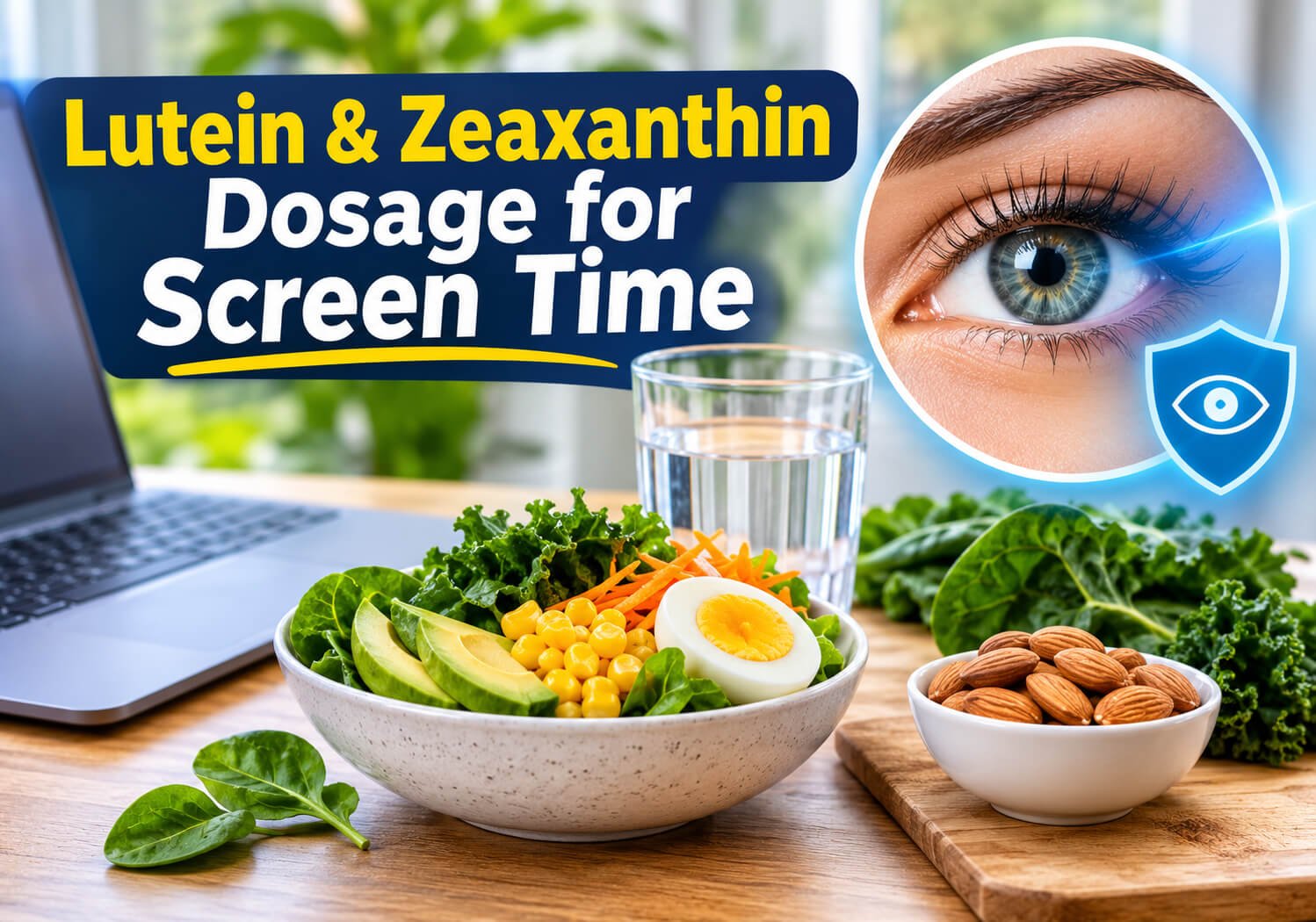
If you spend hours staring at a computer, phone, or tablet, you already know the heavy, dry, and fatigued feeling of digital eye strain. As a strength and conditioning coach, I see this daily. Clients who track their workouts on phones or work long hours at desks often report headaches, blurred vision, and poor sleep. While adjusting your monitor helps, your internal nutrition plays a massive role. Specifically, finding the right lutein and zeaxanthin dosage for screen time can transform how your eyes handle digital fatigue.
These two powerful carotenoids act as internal sunglasses. They accumulate in the retina and filter out harmful high-energy blue light emitted by screens. In this guide, we will break down exactly how much you need, how to take it for maximum absorption, and how to pair it with practical daily habits for lasting eye health.
Quick Answer
For optimal protection against digital eye strain, the clinically supported lutein and zeaxanthin dosage for screen time is 10 mg of lutein and 2 mg of zeaxanthin daily. This 5:1 ratio mirrors the natural composition of the human macula. Research shows this specific dosage improves visual performance, reduces glare sensitivity, and helps combat the symptoms of digital eye fatigue when taken consistently with a fat-containing meal.
What the Research Says About Eye Health and Screen Time
To understand why these nutrients matter, we must look at the anatomy of the eye. The macula is a small, highly sensitive area in the center of the retina responsible for sharp, central vision. Unlike other parts of the body, the macula cannot regenerate damaged cells. However, it can be protected.
Lutein and zeaxanthin are the only dietary carotenoids that cross the blood-retina barrier to accumulate directly in the macula. Together, they form what scientists call Macular Pigment Optical Density (MPOD). Think of MPOD as a pair of internal blue-light-blocking glasses.
The most robust evidence for this comes from the Age-Related Eye Disease Study 2 (AREDS2), sponsored by the National Eye Institute (NEI). While AREDS2 primarily targeted age-related macular degeneration, it established the 10 mg lutein and 2 mg zeaxanthin daily dosage as safe and highly effective for increasing macular pigment.
Furthermore, modern research specifically targeting digital device users supports this. A 2017 study published in the Journal of Clinical Medicine found that supplementing with 10 mg of lutein and 2 mg of zeaxanthin significantly reduced symptoms of visual fatigue, improved contrast sensitivity, and decreased glare disability in healthy adults exposed to prolonged screen time. This means your eyes recover faster from the strain of staring at spreadsheets, coding, or scrolling through training apps.
Optimal Dosage and Ratio Breakdown
Not all eye supplements are created equal. Many cheap multivitamins include trace amounts of these carotenoids that do nothing for your eyes. To get real benefits, you need to hit specific thresholds.
| Nutrient | Recommended Daily Dosage | Primary Function for Screen Users |
| Lutein | 10 mg | Filters blue light, neutralizes free radicals generated by screen exposure, and improves contrast sensitivity. |
| Zeaxanthin | 2 mg | Concentrates in the very center of the macula, providing targeted protection against phototoxic damage and glare. |
| Ratio | 5:1 (Lutein to Zeaxanthin) | Mirrors the natural physiological ratio found in a healthy human macula. |
Why the 5:1 Ratio Matters
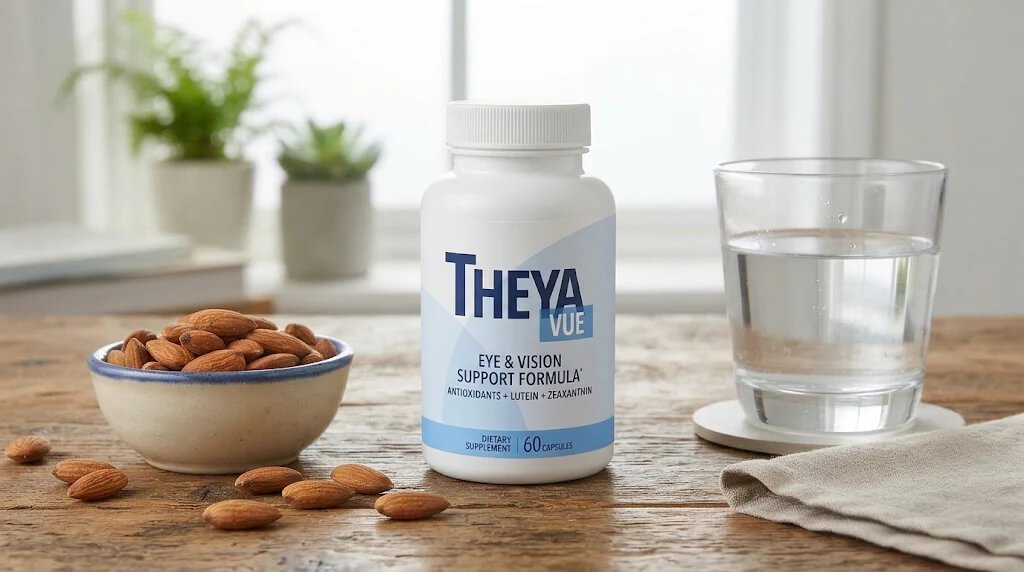
The human macula naturally contains about five times more lutein than zeaxanthin. Supplementing in a 5:1 ratio ensures you are supporting the eye’s natural architecture. Taking massive doses of lutein (e.g., 40 mg) without adequate zeaxanthin does not provide additional benefits and may simply be excreted by the body. Stick to the 10 mg to 2 mg formula for the best return on investment.
How to Apply It: Practical Steps for Maximum Absorption
Knowing the numbers is only half the battle. As a coach, I care about application. You can buy the best supplement on the market, but if you take it incorrectly, your body will not absorb it. Here is your step-by-step protocol.
Step 1: Take It With a Fat-Containing Meal
Lutein and zeaxanthin are fat-soluble (lipophilic) compounds. This means they require dietary fat to be properly absorbed in the intestines. Taking your supplement on an empty stomach with black coffee will result in poor bioavailability.
- Action: Take your supplement with a meal containing at least 10–15 grams of healthy fat.
- Examples: Two whole eggs, a handful of almonds (about 1 oz or 28 grams), half an avocado, or a tablespoon of olive oil on your salad.
Step 2: Implement the 20-20-20 Rule
Supplements are not a magic shield. You must pair them with behavioral changes. The American Optometric Association recommends the 20-20-20 rule to prevent digital eye strain.
- Action: Every 20 minutes, look at an object at least 20 feet (6 meters) away for a minimum of 20 seconds.
- Coach’s Cue: Set a silent timer on your phone or smartwatch. When it vibrates, look out a window. This relaxes the ciliary muscles in your eyes that lock up during close-up screen work.
Step 3: Pair With Complementary Nutrients
Eye health is a team effort. While lutein and zeaxanthin handle blue light, other nutrients support tear production and overall retinal health.
- Omega-3 Fatty Acids: DHA is a major structural component of the retina. Adding omega-3 fatty acids for reducing inflammation can also help combat the dry eye symptoms that frequently accompany screen time.
- Astaxanthin: Another powerful carotenoid. Some athletes use an astaxanthin supplement for its antioxidant properties to support both skin recovery and reduced eye fatigue during long training sessions.
Coach’s Tip:
I always remind my clients that consistency beats intensity. Taking 10 mg of lutein every single day with breakfast is vastly superior to taking 50 mg once a week. Macular pigment builds up slowly over time. Set your supplement bottle next to your coffee maker or toothbrush to build an unbreakable habit.
Common Mistake:
Expecting overnight results. Many people take an eye vitamin for three days, stare at a screen for eight hours, and complain their eyes still hurt. Clinical studies show it takes at least 3 to 6 months of consistent daily supplementation to significantly increase Macular Pigment Optical Density (MPOD) and notice a subjective reduction in eye strain. Be patient and trust the process.

Dietary Sources: Can You Get Enough From Food?
Before reaching for a pill, it is always best to evaluate your diet. Whole foods provide a matrix of co-factors that enhance nutrient absorption. However, hitting the 10 mg lutein and 2 mg zeaxanthin target through food alone requires deliberate meal planning.
Here is a breakdown of common dietary sources:
| Food Source | Serving Size | Approximate Lutein + Zeaxanthin Content |
| Cooked Kale | 1 cup (130 grams) | ~23.8 mg |
| Raw Spinach | 1 cup (30 grams) | ~5.6 mg |
| Cooked Collard Greens | 1 cup (190 grams) | ~14.6 mg |
| Large Egg Yolks | 2 yolks | ~0.5 mg (but highly bioavailable due to egg fat) |
| Orange Bell Pepper | 1 cup, raw (149 grams) | ~3.7 mg |
| Corn | 1 cup, cooked (166 grams) | ~2.2 mg |

If you eat a large salad with dark leafy greens and eggs daily, you might hit the 10 mg target. However, the average modern diet is severely lacking in these specific vegetables. If you do not regularly consume dark leafy greens, a high-quality supplement is a practical and evidence-based insurance policy for your vision.
Safety Notes and Who Should Be Careful
Lutein and zeaxanthin are generally recognized as safe (GRAS) by the FDA, even at doses higher than the recommended 10 mg and 2 mg. The AREDS2 study found no serious adverse effects at these levels. However, there are a few practical safety considerations to keep in mind.
- Skin Discoloration (Carotenodermia): Consuming extremely high doses of carotenoids (usually well over 20–30 mg daily for extended periods) can cause a harmless but noticeable yellow-orange tint to the skin. This is reversible upon reducing the dose.
- Smoking History: While the AREDS2 study specifically replaced beta-carotene with lutein and zeaxanthin because beta-carotene was linked to increased lung cancer risk in smokers, lutein and zeaxanthin themselves do not carry this risk. They are considered safe for current and former smokers.
- Medication Interactions: There are no major known drug interactions with lutein or zeaxanthin. However, because they are fat-soluble, they could theoretically compete for absorption with other fat-soluble vitamins (A, D, E, K) if taken in massive, unregulated doses.
- Pregnancy and Nursing: While dietary intake from food is perfectly safe, pregnant or nursing women should consult their obstetrician before starting any new concentrated supplement regimen.
Disclaimer: This article is for general information and is not a substitute for advice from a doctor or physical therapist. Always consult with a healthcare provider before starting a new supplement, especially if you have pre-existing eye conditions like glaucoma or macular degeneration.
Related Tips for Holistic Screen Time Recovery
As a coach, I look at the whole picture. Your eyes do not exist in a vacuum. Digital eye strain is often compounded by poor posture, dehydration, and disrupted sleep. Here is how to build a comprehensive defense against screen fatigue.
1. Optimize Your Sleep Hygiene
Screen time before bed suppresses melatonin production, delaying sleep onset. Poor sleep, in turn, exacerbates eye dryness and fatigue the next day. Understanding how sleep affects metabolism and weight management is crucial, but sleep also directly dictates your ocular surface recovery. Aim to power down all screens 60 minutes before bed.
2. Check for Micronutrient Deficiencies
If you are constantly fatigued, your eyes might be the first place you feel it. Ensuring you have adequate levels of which vitamins support metabolism when you have a deficiency can improve your overall cellular energy, including the energy-demanding photoreceptor cells in your retina.
3. Manage Overall Physical Energy
Digital eye strain often manifests as a general feeling of burnout. Learning how to increase energy and stamina naturally through proper hydration, movement breaks, and balanced nutrition will make you more resilient to the demands of a screen-heavy workday.
4. Don’t Forget the Basics
Even if you are focused on fitness or weight management, foundational health matters. Knowing the best vitamins for energy while dieting often includes B-vitamins and antioxidants that also support nerve health, including the optic nerve. Ensure your overall nutritional baseline is solid before expecting a single eye supplement to fix everything.

FAQ: Lutein and Zeaxanthin for Screen Time
1. How much lutein and zeaxanthin should I take daily for screen time?
The clinically supported dose is 10 mg of lutein and 2 mg of zeaxanthin per day. This specific 5:1 ratio is proven to safely increase macular pigment density and reduce symptoms of digital eye strain over time.
2. What is the best ratio of lutein to zeaxanthin?
A 5:1 ratio is considered optimal. This mirrors the natural physiological concentration of these carotenoids found in a healthy human macula, ensuring balanced and effective protection against blue light.
3. Can I get enough lutein and zeaxanthin from food alone?
It is possible but requires deliberate effort. You would need to eat roughly two cups of cooked kale or spinach daily. Because the average diet lacks this volume of dark leafy greens, a supplement is often a practical and reliable alternative.
4. How long does it take to see results from lutein and zeaxanthin?
Do not expect overnight changes. Clinical studies show it takes a minimum of 3 to 6 months of consistent, daily supplementation to significantly build up macular pigment and notice a subjective reduction in glare and eye fatigue.
5. Are there any side effects of taking lutein and zeaxanthin?
These nutrients are highly safe and well-tolerated. The only notable side effect of extremely high, unnecessary doses is carotenodermia, a harmless yellow-orange tint to the skin that resolves once the dose is lowered.
6. Should I take lutein and zeaxanthin with or without food?
Always take them with food. Because they are fat-soluble compounds, consuming them alongside a meal containing healthy fats (like eggs, avocado, or olive oil) drastically improves their absorption and bioavailability in your body.
Conclusion
Protecting your vision in a digital world requires a proactive approach. While you cannot eliminate screens from your life, you can fortify your eyes from the inside out. By implementing the optimal lutein and zeaxanthin dosage for screen time—specifically 10 mg of lutein and 2 mg of zeaxanthin daily—you provide your macula with the exact building blocks it needs to filter blue light and resist digital fatigue.
Remember to take your supplement with a fat-containing meal, pair it with the 20-20-20 rule, and maintain a diet rich in dark leafy greens. Consistency is your greatest tool. Give your body the 3 to 6 months it needs to build up protective macular pigment, and you will notice a sharper, more comfortable visual experience.