When you spend hours training outdoors, sweating through intense conditioning sessions, or swimming in chlorinated pools, your skin takes a beating. You might dial in your protein intake, hydration, and sleep, yet still notice tight, flaky, or dull skin that shows fine lines faster than it should. Understanding phytoceramide supplement benefits for skin barrier and anti-aging gives active adults a practical, inside-out strategy to reinforce their body’s first line of defense.
Just like muscle fibers need amino acids to rebuild after heavy lifting, your outer skin layer relies on specific fats called ceramides to stay sealed and resilient. Natural ceramide levels drop steadily after age 30, leaving your skin vulnerable to moisture loss and environmental stress. Taking plant-derived ceramides orally offers a researched way to replenish those lost lipids from within.
Quick Answer: Phytoceramide supplement benefits for skin barrier and anti-aging center on replenishing lost lipids in your outer skin layer. Clinical trials show that taking 30 mg to 350 mg of plant-derived ceramides daily can reduce water loss, improve skin hydration, smooth rough texture, and soften fine lines within 4 to 12 weeks by reinforcing the skin’s protective lipid barrier.
Note: Before starting any new dietary supplement—especially if you have celiac disease, food allergies, are pregnant or nursing, or manage a chronic skin condition—consult your doctor or dermatologist.
What Are Phytoceramides and How Do They Work?
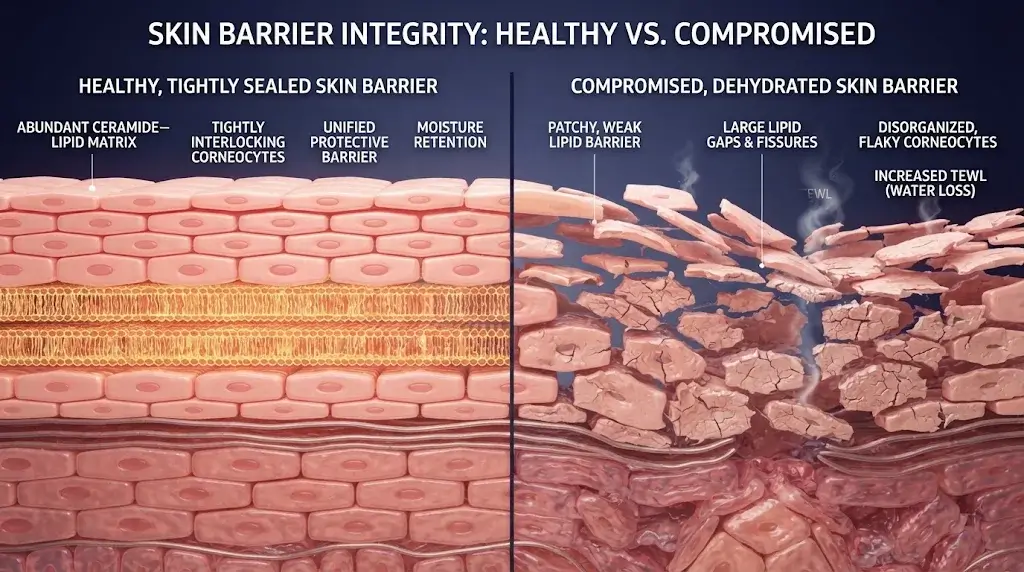
To understand how phytoceramides work, picture your outer skin layer—the stratum corneum—as a brick wall. Your skin cells (corneocytes) act as the bricks, while a dense mix of fats forms the mortar holding everything together. Roughly 40% to 50% of that mortar consists of waxy lipid molecules called ceramides, alongside cholesterol and free fatty acids, according to research on skin barrier structure published in the National Library of Medicine (PMC).
When that lipid mortar is intact, water stays locked inside your skin, and irritants, allergens, and bacteria stay out. When ceramide levels drop—due to aging, UV exposure, harsh soaps, cold wind, or heavy sweat—microscopic cracks form in that mortar. Moisture escapes rapidly through a process called transepidermal water loss (TEWL), leaving your skin dry, rough, inflamed, and prone to premature creasing.
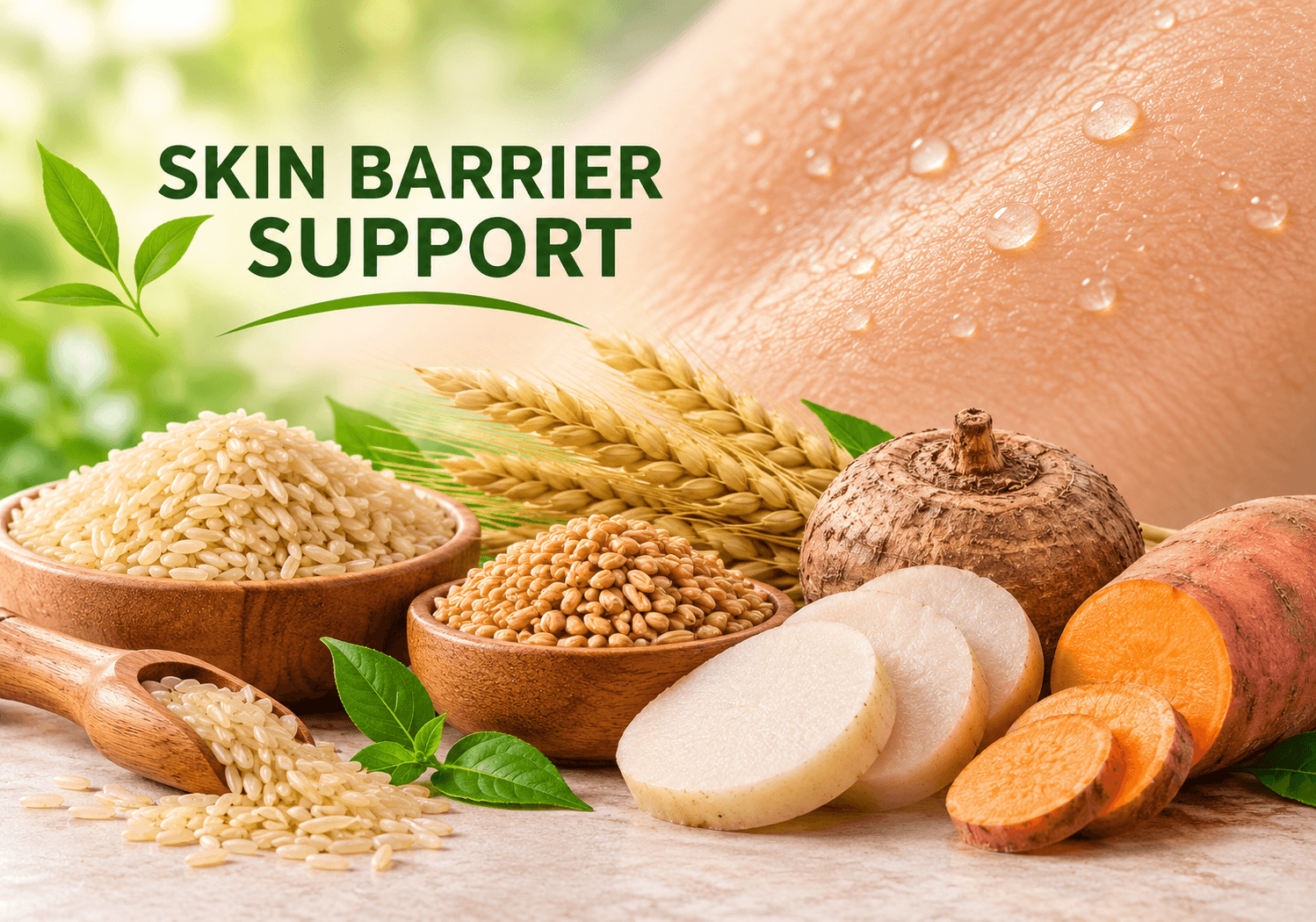
Phytoceramides are plant-derived ceramides (specifically glucosylceramides and sphingolipids) extracted from whole foods like wheat, rice, konjac root, sweet potatoes, and corn. Their molecular structure closely mimics the natural ceramides found in human skin. While topical moisturizers sit on the surface to patch cracks temporarily, oral phytoceramides work through your digestive tract and bloodstream to supply the deeper layers of the epidermis with the raw building blocks needed to manufacture fresh barrier lipids.
Do Oral Phytoceramides Actually Reach the Skin?
A common question from skeptical athletes and nutrition-minded readers is whether swallowed ceramides simply get digested like regular dietary fat instead of reaching the face. Tracer studies using isotope-labeled glucosylceramides provide a clear answer. When you ingest plant ceramides, digestive enzymes in your small intestine break them down into sphingoid bases and fatty acids.
These smaller components absorb across the intestinal wall, enter your bloodstream, and travel directly to the epidermis. Once inside your skin cells, enzymes reassemble those building blocks into brand-new human ceramides. Research indexed by the National Institutes of Health (PubMed) confirms that orally ingested glucosylceramides integrate into the stratum corneum and stimulate your skin’s own ceramide synthesis genes, upgrading barrier function from the bottom up.
Core Phytoceramide Supplement Benefits for Skin Barrier and Anti-Aging
Clinical trials examining wheat, rice, and konjac extracts have mapped out several measurable improvements in skin structure and appearance. Rather than acting like a quick cosmetic cover-up, these supplements target the physiological root causes of dryness and visible aging.
1. Strengthening the Skin Moisture Barrier and Reducing TEWL
The primary job of your skin barrier is keeping water inside your body. In randomized, placebo-controlled trials, participants taking standardized wheat polar lipid extracts showed significant drops in transepidermal water loss within four to eight weeks, as documented in clinical dermatology studies on PubMed.
For active individuals, a stronger barrier means less post-workout tightness and redness. Whether you run outside in winter air, cycle in dry heat, or spend hours in chlorinated pool water, maintaining a tighter lipid seal helps your skin recover from environmental friction without flaking or stinging.
2. Deep, Whole-Body Skin Hydration
Unlike creams or serums that only treat the exact square inches where you rub them in, oral phytoceramides circulate systemically. Clinical measurements using corneometers—devices that measure electrical capacitance in the upper skin layers—consistently show higher hydration levels not only on the cheeks and forehead, but also on the arms, legs, and hands.
In a 12-week double-blind study published via PMC, adults with dry, rough skin who took rice-derived glucosylceramides experienced statistically significant increases in stratum corneum water content compared to the placebo group. Readers who already focus on internal hydration through omega-3 fatty acids for skin hydration often find that phytoceramides complement essential fats by sealing in the moisture those fatty acids help attract.
3. Softening Fine Lines and Improving Skin Elasticity
Dehydrated skin exaggerates every tiny crease, much like a dry sponge looks shriveled compared to a damp one. By restoring plumpness to the upper layers of the epidermis, phytoceramides immediately soften the appearance of fine dehydration lines around the eyes and mouth.
Beyond surface plumping, emerging research points to deeper anti-aging mechanisms. Chronic barrier damage triggers low-grade inflammation and enzymes called matrix metalloproteinases (MMPs), which chew up structural collagen and elastin. By calming barrier-related inflammation and inhibiting elastase activity, oral phytoceramides help preserve skin firmness and bounce over time, according to findings available through PubMed.
4. Smoothing Rough Skin Texture and Flakiness
When skin lacks ceramides, dead skin cells (corneocytes) fail to shed evenly. Instead of sloughing off smoothly, they clump together, creating rough patches, dullness, and uneven tone. Clinical trials using 3D skin surface imaging show that daily phytoceramide supplementation reduces skin roughness parameters and improves overall smoothness after eight to twelve weeks of consistent use.
Coach’s Tip: Think of skin recovery the exact same way you view muscle hypertrophy. You do not see visible muscle growth after two gym sessions, and you will not see barrier remodeling after three days of capsules. Skin cells take roughly 28 to 40 days to turn over from the base of the epidermis to the surface—and closer to 45 to 60 days once you pass age 40. Commit to a full 8-to-12-week block before judging your results.

Comparing Plant Sources of Phytoceramides
Not all phytoceramide supplements use the same raw ingredient. Manufacturers extract glucosylceramides from several crops, each with distinct active concentrations, clinical dosages, and allergy considerations.
| Plant Source | Botanical Name | Typical Clinical Dose | Key Benefits & Evidence Strength | Allergy & Diet Notes |
| Wheat Seed Extract | Triticum aestivum | 30 mg – 350 mg/day (often standardized to polar lipids/DGDG) | Strongest clinical backing for rapid TEWL reduction, wrinkle depth improvement, and hydration (often seen in 4–8 weeks). | Must be certified gluten-free (oil/lipid extract removes gluten proteins, but check third-party testing if celiac). |
| Rice Bran / Germ | Oryza sativa | 40 mg – 100 mg/day (typically 1.2 mg – 3 mg pure glucosylceramides) | Strong evidence for improving whole-body skin hydration, smoothness, and moisture retention over 8–12 weeks. | Naturally gluten-free, hypoallergenic, vegan, and widely tolerated. |
| Konjac Tuber | Amorphophallus konjac | 100 mg – 200 mg/day (standardized to ~1.8 mg glucosylceramides) | Well-studied in Japanese trials for reducing facial dryness, itching, and improving skin barrier integrity. | Naturally gluten-free, vegan, and rich in clean glucosylceramide fractions. |
| Sweet Potato / Corn | Ipomoea batatas / Zea mays | 50 mg – 150 mg/day | Supportive evidence for lipid replenishment and antioxidant protection; often blended into multi-ingredient skin formulas. | Gluten-free and plant-based; check labels if avoiding corn derivatives. |
Phytoceramides vs. Collagen vs. Hyaluronic Acid for Anti-Aging
If you browse the anti-aging supplement aisle, you will see three heavy hitters: phytoceramides, hydrolyzed collagen peptides, and oral hyaluronic acid. While people often pit them against one another, they target completely different layers and structures of your skin.
| Feature | Phytoceramides | Hydrolyzed Collagen Peptides | Oral Hyaluronic Acid |
| Primary Target Layer | Epidermis (Stratum Corneum) — the outer protective barrier | Dermis — the deeper structural scaffolding | Dermis & Epidermis — the extracellular fluid matrix |
| Main Mechanism | Rebuilds the lipid mortar to lock in moisture and block irritants | Supplies amino acids (glycine, proline, hydroxyproline) to stimulate fibroblast collagen production | Binds up to 1,000 times its weight in water to cushion tissues and joints |
| Typical Daily Dose | 30 mg – 350 mg (extract) or 1.2 mg – 3 mg pure glucosylceramides | 2,500 mg – 15,000 mg (2.5 g – 15 g) | 120 mg – 240 mg |
| Best For | Dry, flaky, tight, compromised, or weather-beaten skin barriers | Loss of skin firmness, deeper wrinkles, and joint/tendon recovery | Dull, crepey skin lacking plumpness and volume |
| Time to Notice Results | 4 to 12 weeks | 8 to 12 weeks | 4 to 8 weeks |
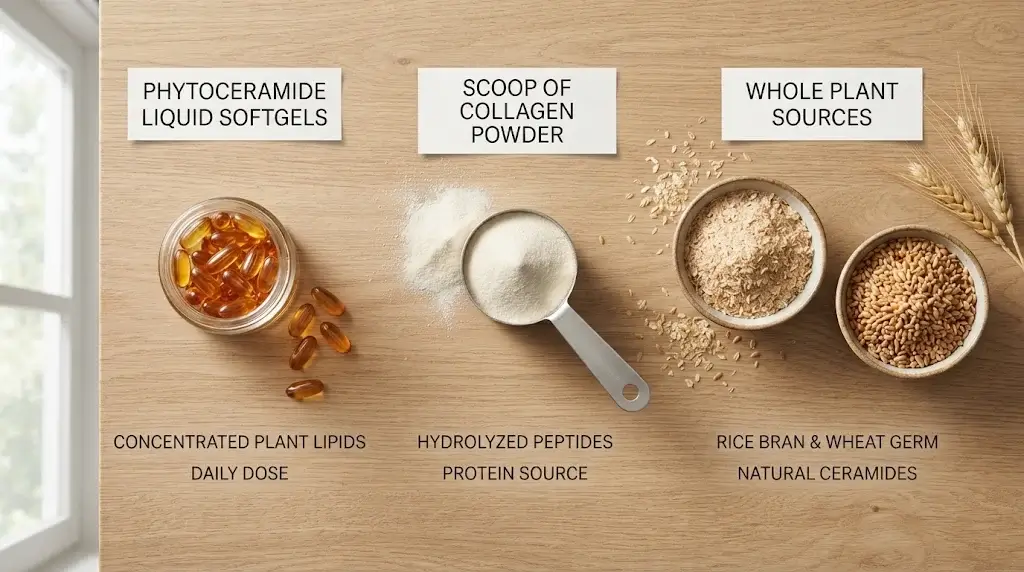
Because their mechanisms do not overlap, stacking them works well. You can pair a daily phytoceramide softgel with your morning protein routine—and if you already take collagen, knowing the best time to take collagen powder for skin absorption helps you organize your stack without clutter. Similarly, understanding how long collagen supplements take to work on skin sets realistic expectations when combining barrier lipids with dermal peptides.
How to Choose and Take a Phytoceramide Supplement: A Practical Step-by-Step Guide
Walking into a supplement store or scrolling online can be overwhelming when labels throw around proprietary names and vague milligram counts. Follow these five practical steps to pick an effective formula and use it correctly.
Step 1: Check the Standardization, Not Just Total Milligrams
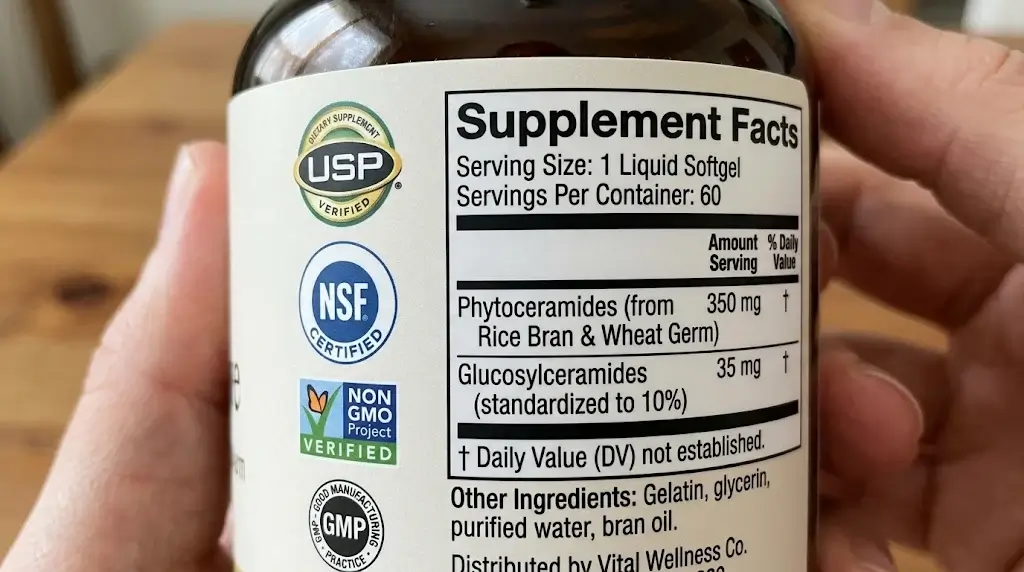
A capsule boasting “500 mg of Rice Bran Powder” might contain almost zero active ceramides if it is just ground-up food. Look at the Supplement Facts panel for the exact standardization of glucosylceramides or polar lipids (such as digalactosyldiacylglycerols, or DGDG). Effective clinical extracts usually list either a branded, clinically studied extract (such as Ceramosides™ wheat lipid extract at 30 mg to 70 mg, or standardized rice/konjac extracts providing at least 1.2 mg to 3 mg of pure glucosylceramides).
Step 2: Choose Liquid Softgels or Oil-Based Delivery
Ceramides are fat-soluble lipids. While dry powder capsules work when taken with a meal containing dietary fat, liquid softgels suspended in a carrier oil (such as rice bran oil, olive oil, or medium-chain triglycerides) often provide smoother emulsification and reliable absorption in the small intestine.
Step 3: Time Your Dose With a Fat-Containing Meal
Take your phytoceramide supplement alongside breakfast, lunch, or dinner that includes healthy fats—such as eggs, avocado, olive oil, nuts, or salmon. Dietary fat triggers bile release from your gallbladder, which is essential for breaking down and absorbing lipid-based supplements efficiently.
Step 4: Pair With Complementary Skin Antioxidants
Phytoceramides rebuild your lipid barrier, while antioxidants protect those delicate lipids from UV-induced oxidation. Many people pair phytoceramides with vitamin C (which drives collagen cross-linking) or carotenoids. Exploring astaxanthin supplement benefits for skin glow and anti-aging shows how internal antioxidants shield skin cells from sun damage while ceramides lock in moisture.
Step 5: Match Your Supplement With a Gentle Topical Routine
Supplements cannot outwork a harsh skincare routine that strips your barrier twice a day. Pair your internal phytoceramides with a fragrance-free, pH-balanced cleanser, a basic topical ceramide moisturizer, and daily broad-spectrum sunscreen (SPF 30 or higher).
Common Mistake: Many people buy a high-dose phytoceramide supplement, take it on an empty stomach with black coffee, and continue washing their face with hot water and harsh foaming cleansers. Taking lipids without food lowers absorption, while scalding water and sulfates strip surface ceramides faster than your body can replace them. Always take your dose with a meal and use lukewarm water when washing your face.
Why Active Adults and Athletes Lose Skin Barrier Lipids Faster
If you exercise regularly, your skin barrier faces unique stressors that sedentary office workers rarely encounter. Managing these factors alongside supplementation makes a noticeable difference in how your skin ages.
- Sweat Evaporation and Salt Residue: Sweating cools your body, but as sweat evaporates, salt and minerals stay behind on your skin surface. This alters skin pH and draws water out of the stratum corneum via osmosis, leading to post-workout dryness and irritation.
- Frequent Showers and Cleansers: Training once or twice a day usually means showering twice a day. Hot water and surfactants dissolve natural skin lipids, accelerating ceramide depletion on both the face and body.
- Outdoor UV and Wind Exposure: Runners, cyclists, hikers, and outdoor field athletes absorb significant ultraviolet radiation and wind friction. UV rays generate free radicals that oxidize lipids in the skin barrier and degrade dermal collagen, as outlined by the American Academy of Dermatology / NIH skin aging resources.
- Chlorine and Pool Chemicals: Swimmers spend hours submerged in chemically treated water that strips the protective acid mantle and leaves skin chronically tight.
For athletes tracking their nutrition, applying the same disciplined label-reading habits you use when learning how to evaluate ingredients in weight management supplements ensures you pick clean, third-party-tested skin formulas free of unnecessary fillers.

Sample Daily Skin-Barrier & Recovery Routine
To turn research into daily habits, integrate your phytoceramide supplement into a straightforward morning and evening rhythm.
| Time of Day | Action Step | Practical Execution |
| Morning (Post-Workout or Breakfast) | Cleanse & Protect | Rinse face with lukewarm water (or a gentle non-foaming cleanser), apply a basic moisturizer on damp skin, and finish with SPF 30+ sunscreen before heading outdoors. |
| Breakfast or Lunch | Take Phytoceramide Dose | Take 1 serving (30 mg – 350 mg standardized extract) with a meal containing at least 10–15 g of healthy fats (eggs, Greek yogurt, nuts, or olive oil) plus 16 oz (475 ml) of water. |
| Post-Training | Rinse Sweat Promptly | Shower within 30 minutes of finishing workouts using lukewarm—not hot—water to remove dried salt and chlorine before they draw moisture out of your epidermis. |
| Evening (Before Bed) | Seal & Repair | Wash away sunscreen and daily grime with a mild cleanser, apply a topical ceramide cream while skin is still slightly damp, and prioritize 7–9 hours of sleep for overnight cellular repair. |
Just as prioritizing rest regulates metabolic recovery—a connection detailed in our guide on how sleep affects metabolism and weight management—deep sleep is also when skin blood flow peaks and epidermal barrier repair accelerates.
Safety, Side Effects, and Who Should Be Careful
Phytoceramides come from everyday food crops—wheat, rice, konjac, and sweet potatoes—so they carry a strong safety profile in human clinical trials. Most participants experience zero adverse effects over 8-to-12-week study periods. However, a few practical precautions apply:
- Celiac Disease and Wheat Allergies: While properly purified wheat lipid extracts remove gluten proteins (like gliadin) during oil extraction, trace cross-contamination is possible if manufacturing controls are sloppy. If you have celiac disease or a severe wheat allergy, choose a rice-derived or konjac-derived phytoceramide supplement, or verify certified gluten-free third-party testing.
- Mild Digestive Upset: Taking concentrated oil softgels on an empty stomach can occasionally cause mild nausea or loose stools. Taking your capsule with solid food prevents this.
- Lack of Regulation in Supplements: Dietary supplements are not pre-approved for efficacy by the FDA before hitting store shelves, as explained by the NIH Office of Dietary Supplements. Look for brands verified by independent testing bodies such as USP, NSF International, or ConsumerLab to confirm purity and accurate dosing.
- Pregnancy, Breastfeeding, and Medical Conditions: Because targeted clinical trials on pregnant or lactating women are limited, consult your healthcare provider before using concentrated phytoceramide extracts during pregnancy or while nursing.
Frequently Asked Questions (FAQ)
How long does it take for phytoceramide supplements to work on skin?
Most clinical trials show initial improvements in skin hydration and reduced water loss within 4 weeks, while visible smoothing of rough texture and fine lines typically takes 8 to 12 weeks of daily use. Because outer skin cells require roughly a month to renew, consistent daily dosing with meals is essential.
Do oral phytoceramides actually reach the skin?
Yes. Tracer studies demonstrate that digestive enzymes break oral glucosylceramides down into sphingoid bases and fatty acids, which absorb into your bloodstream and travel to the epidermis. Once there, skin cells reassemble those components into fresh human ceramides that reinforce your outer lipid barrier.
What is the best daily dosage for phytoceramide supplements?
Effective clinical dosages depend on the plant extract used. Standardized wheat lipid extracts typically work well at 30 mg to 350 mg per day, while rice or konjac extracts usually require 40 mg to 200 mg per day (standardized to provide 1.2 mg to 3 mg of pure glucosylceramides).
Are phytoceramide supplements safe for sensitive or acne-prone skin?
Phytoceramides are generally well tolerated by sensitive and acne-prone skin because they strengthen the moisture barrier rather than clogging pores. In fact, a compromised skin barrier often triggers excess oil production and irritation. Choose a clean formula without heavy comedogenic filler oils, and consult a dermatologist if you have active cystic acne.
Can you take phytoceramides and collagen together?
Yes, combining phytoceramides and collagen peptides is safe and complementary. Collagen supplies amino acids to support deeper dermal firmness and elasticity, while phytoceramides rebuild the outer epidermal lipid barrier to lock in surface hydration. Neither ingredient interferes with the absorption of the other.
What plant sources are best for ceramide supplements?
Wheat seed extract has the fastest clinical track record for reducing wrinkles and transepidermal water loss, provided it is certified gluten-free. Rice bran and konjac tuber extracts offer equally reliable hydration and smoothness benefits over 8 to 12 weeks and are naturally gluten-free, making them ideal for people avoiding wheat.
Conclusion
Rebuilding a resilient, youthful-looking skin barrier requires more than layering expensive creams onto dry, weather-worn skin. By supplying your body with targeted plant lipids from within, phytoceramide supplement benefits for skin barrier and anti-aging directly address the root cause of moisture loss: declining ceramide levels in the stratum corneum.
For best results, choose a clinically standardized wheat, rice, or konjac extract, take it daily alongside a meal containing healthy fats, and give your skin a full 8 to 12 weeks to complete its natural renewal cycle. Pair your supplement with gentle cleansing, daily sun protection, and smart recovery habits to keep your skin strong, hydrated, and smooth year-round.