Adding a daily scoop of collagen to your routine is one of the smartest moves you can make for your skin, joints, and overall recovery. However, many people wonder about the best time to take collagen powder for skin absorption to get the most out of their investment. The short answer is that consistency matters most, but pairing your collagen with specific daily habits can maximize its bioavailability.
As a strength and conditioning coach, I see clients focus heavily on workout timing but overlook nutrient timing for tissue repair. Your skin is your largest organ, and it requires specific building blocks to stay firm and elastic. Understanding how your body digests and utilizes hydrolyzed collagen peptides will help you build a routine that actually delivers results. Let’s break down the science and give you a practical, step-by-step game plan.
Quick Answer
The best time to take collagen powder for skin absorption is either first thing in the morning on an empty stomach or immediately after a workout. Pairing it with 50–100 mg of vitamin C significantly boosts your body’s ability to synthesize new collagen. Consistency over 8 to 12 weeks is the true key to visible skin health improvements.
The Science of Collagen Digestion and Skin Absorption
To understand timing, we first need to understand how collagen works inside your body. A common myth is that eating collagen directly becomes collagen in your skin. This is false. When you consume collagen powder, your digestive system breaks it down into individual amino acids and small di- or tri-peptides, such as prolyl-hydroxyproline (Pro-Hyp) [1].
These tiny peptides are highly bioavailable. They enter your bloodstream within 1 to 2 hours after ingestion. Once in circulation, they travel to target tissues, including the dermis layer of your skin. There, they act as signaling molecules. They stimulate fibroblasts, which are the cells responsible for producing new collagen, elastin, and hyaluronic acid [2].
Hydrolyzed collagen is the gold standard for this process. “Hydrolyzed” means the long protein chains have been pre-broken down into smaller pieces. This makes it much easier for your gut to absorb compared to the collagen found in a tough piece of meat or bone broth. Research shows that specific collagen peptides can increase skin elasticity and hydration after just 8 weeks of daily use [3].
The Critical Role of Vitamin C
You cannot build new collagen without vitamin C. It acts as an essential cofactor for two crucial enzymes: prolyl hydroxylase and lysyl hydroxylase. These enzymes stabilize and cross-link the new collagen molecules, giving your skin its structural strength [4]. If you take collagen powder without adequate vitamin C, your body’s ability to synthesize new dermal matrix is severely limited. Always pair your collagen with a source of vitamin C, such as a squeeze of lemon, a small glass of orange juice, or a supplement.
Timing Comparison: When Should You Take It?
While daily consistency is the most important factor, different times of day offer unique physiological advantages. Use this table to decide which window fits your lifestyle and goals.
| Timing Window | Absorption Rate | Primary Benefit | Best Pairing |
| Morning (Fasted) | Very High | Maximizes amino acid availability without competition from other dietary proteins. | Water or coffee + 50mg Vitamin C |
| Post-Workout | High | Capitalizes on increased blood flow to tissues and the body’s natural repair window. | Post-workout shake with fruit (for Vitamin C) |
| Before Bed | Moderate | Supports overnight tissue repair and aligns with natural growth hormone release. | Warm water or herbal tea + magnesium |
| With Meals | Moderate | Slows digestion slightly, which may help with satiety and gut comfort. | A meal containing natural Vitamin C (e.g., bell peppers, citrus) |

How to Apply It: Your Step-by-Step Collagen Routine
Knowing the science is only half the battle. As a coach, I want you to have a clear, actionable plan. Here is exactly how to structure your collagen intake for maximum skin absorption and overall health.
Step 1: Choose the Right Dose
Clinical studies showing skin benefits typically use a dose of 2.5 to 15 grams of hydrolyzed collagen peptides per day. For general skin health and joint support, aim for 10 to 20 grams daily. One standard scoop of most collagen powders is about 10 to 11 grams. If your goal is robust tissue repair, two scoops (20 grams) is a highly effective target.
Step 2: Master the Mix
Collagen peptides are generally flavorless and dissolve well, but temperature matters. Avoid boiling water, as extreme heat can sometimes affect the solubility of certain protein structures, leading to clumping. Instead, use warm or room-temperature liquids.
- Liquid amount: Use 8 to 12 fluid ounces (237 to 355 ml) of water, coffee, or tea.
- Mixing tool: A small handheld milk frother or a shaker bottle with a wire whisk ball prevents clumps better than a simple spoon.
Step 3: Add the Vitamin C Catalyst
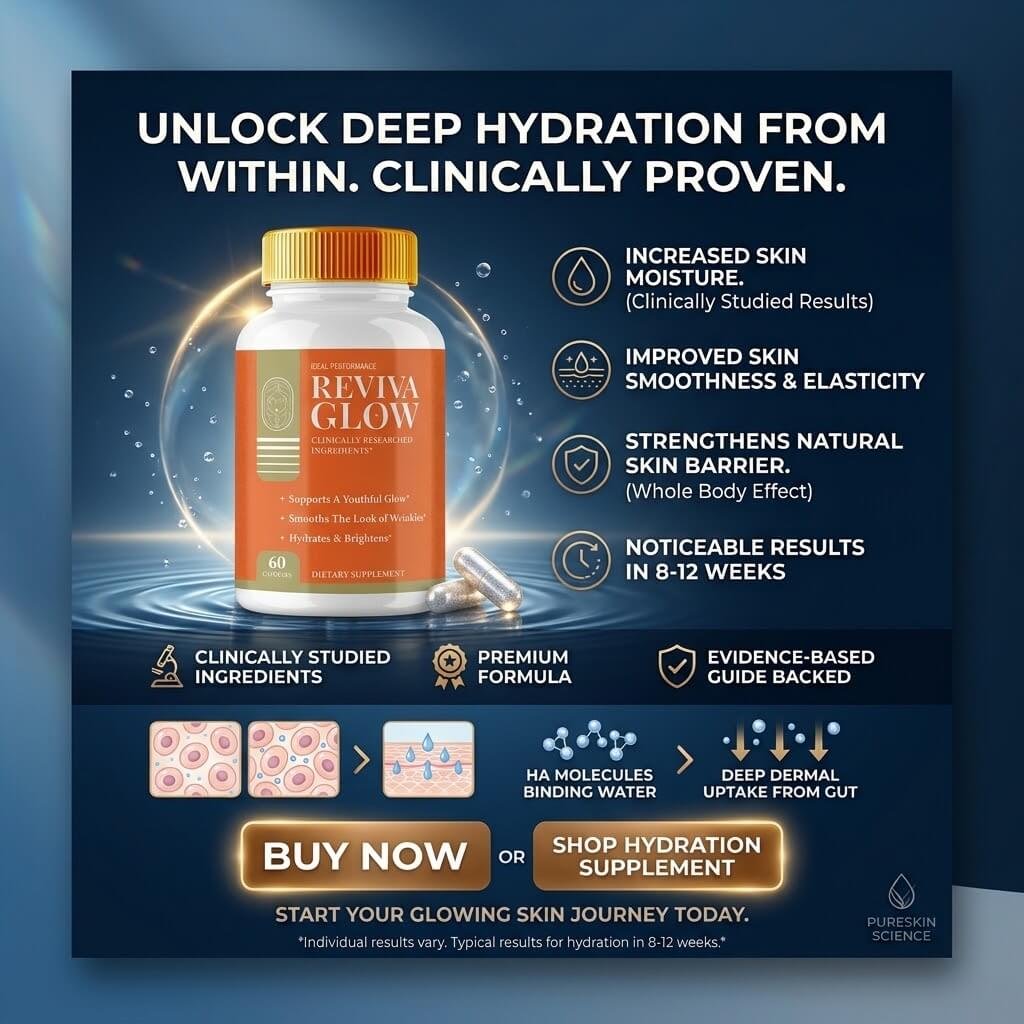
As mentioned, vitamin C is non-negotiable for synthesis. Add one of the following to your collagen drink:
- 1 tablespoon of fresh lemon or lime juice (provides ~10–15 mg of vitamin C).
- A small 4 oz (118 ml) glass of orange juice (provides ~50 mg of vitamin C).
- A handful of strawberries or half a cup of diced bell peppers blended into a smoothie.
- A basic 100 mg vitamin C tablet or powder mixed in.
Coach’s Tip:
If you drink collagen in your morning coffee, the heat is fine as long as it is not actively boiling. However, coffee alone lacks vitamin C. Keep a small bottle of liquid vitamin C drops or a squeeze of lemon at your coffee station to ensure you are not missing out on the synthesis benefits.
Common Mistake:
Thinking collagen replaces dietary protein. Collagen is an incomplete protein. It is very low in essential amino acids like leucine, which is critical for muscle protein synthesis. Do not count your 20 grams of collagen toward your daily muscle-building protein goals. It is a specialized supplement for connective tissue, not a meal replacement. Learn more about how proper protein intake affects metabolism and weight loss to balance your overall diet.
Step 4: Regression and Progression
- Regression (Easier Version): If you struggle with the texture of powders or have a sensitive stomach, start with 5 grams (half a scoop) mixed into a thick, cold smoothie with spinach and mango. The cold temperature and strong flavors mask any subtle texture, and the fruit provides ample vitamin C.
- Progression (Advanced Version): For athletes or those seeking maximum joint and skin synergy, take 15 grams of collagen peptides 45 to 60 minutes before a resistance training session, paired with 50 mg of vitamin C. Research suggests that loading the bloodstream with these peptides right before mechanical loading (exercise) drives more of the amino acids directly into the targeted tendons and skin tissues [5].

Safety Notes and Who Should Be Careful
Collagen peptides are generally recognized as safe (GRAS) by the FDA, and adverse effects are rare. However, certain individuals should take precautions.
- Allergies: Most collagen is derived from bovine (cow), marine (fish), or poultry sources. If you have a known fish or shellfish allergy, strictly avoid marine collagen. Always read the label.
- Kidney Conditions: Because collagen is a protein, individuals with chronic kidney disease (CKD) or those on protein-restricted diets should consult their nephrologist before adding supplemental protein to their routine.
- Digestive Sensitivity: Some people report mild bloating or a feeling of heaviness when first starting collagen. If this happens, drop your dose to 5 grams per day and gradually increase it over two weeks. Taking it with food rather than on an empty stomach can also resolve this.
- Pregnancy and Breastfeeding: While collagen is just a food protein, there is limited specific clinical research on high-dose collagen supplementation during pregnancy. Always clear new supplements with your obstetrician.
This article is for general information and is not a substitute for advice from a doctor or physical therapist.
Related Tips for Maximizing Skin Health
Taking collagen is a powerful tool, but it works best as part of a broader lifestyle strategy. Your skin’s health is a reflection of your overall metabolic and physical habits.
1. Prioritize Sleep for Tissue Repair
Your body does most of its cellular repair, including collagen synthesis, while you sleep. Deep sleep triggers the release of human growth hormone (HGH), which directly supports tissue regeneration. Poor sleep disrupts this process and increases cortisol, a hormone that can actually break down existing collagen. Understanding how sleep affects metabolism and weight management is just as critical for your skin as it is for your waistline. Aim for 7 to 9 hours of quality sleep per night.
2. Engage in Regular Resistance Training
Mechanical stress is a potent signal for your body to build stronger tissues. When you lift weights or perform bodyweight exercises, you create micro-tears in your muscles and connective tissues. Your body responds by repairing them to be stronger than before. This same mechanism applies to the dermal matrix. Pairing your collagen intake with a consistent strength training routine 2 to 3 times per week will yield far better skin and joint results than taking collagen while remaining sedentary.
3. Manage Stress and Cravings Naturally
Chronic stress elevates cortisol, which degrades skin collagen and leads to premature wrinkling. Furthermore, stress often triggers poor dietary choices, like reaching for high-sugar foods. Excess sugar in the bloodstream can lead to a process called glycation, where sugar molecules attach to collagen fibers, making them stiff and brittle. Learning to manage food cravings without supplements through whole foods, adequate hydration, and stress-reduction techniques will protect the collagen you are working so hard to build.
4. Support Your Gut Health
Since collagen must be digested and absorbed in the gut, your gastrointestinal health matters. A healthy gut lining ensures maximum bioavailability of those valuable Pro-Hyp peptides. Including fermented foods or a high-quality probiotic can support a healthy microbiome, which is increasingly linked to skin health (the “gut-skin axis”). Some research even explores how probiotics support appetite and weight management, highlighting the broad systemic benefits of a healthy gut.
5. Stay Hydrated
Collagen holds water. Hyaluronic acid, which is stimulated by collagen peptides, can hold up to 1,000 times its weight in water. However, it can only do this if you are adequately hydrated. Aim for at least half your body weight in pounds in ounces of water daily (e.g., a 160 lb person should drink roughly 80 oz of water).

Frequently Asked Questions (FAQ)
What is the absolute best time of day to take collagen for skin?
The best time is whenever you can take it consistently every single day. However, taking it first thing in the morning on an empty stomach or within 30 minutes after a workout provides optimal absorption and utilizes your body’s natural repair cycles.
Does taking collagen on an empty stomach work better?
Yes, for many people. Taking collagen in a fasted state means it does not have to compete with other dietary proteins for absorption transporters in the gut. This may allow the specific collagen peptides to enter the bloodstream more rapidly.
How long does it take to see results in my skin?
Clinical studies show that measurable improvements in skin elasticity, hydration, and dermal collagen density typically become visible after 8 to 12 weeks of consistent, daily supplementation. Patience and consistency are required.
Can I mix collagen powder with my morning coffee?
Absolutely. Hydrolyzed collagen peptides are heat-stable and will dissolve well in warm coffee. Just remember that coffee does not contain vitamin C, so you should add a squeeze of lemon or take a separate vitamin C source to maximize collagen synthesis.
Should I take collagen before or after a workout?
Both are effective, but they serve slightly different purposes. Taking it 45 minutes before a workout may help shuttle the peptides to the joints and tissues being stressed. Taking it after a workout pairs well with your overall post-exercise recovery nutrition. Choose the one that fits your routine best.
Does collagen help with weight loss or hunger?
While not a magic weight-loss pill, collagen is a protein. Like other proteins, it can promote feelings of fullness and satiety. If you are curious about how different proteins affect your body, you can read more about how protein helps control hunger during weight loss.
Conclusion
Finding the best time to take collagen powder for skin absorption does not require overcomplicating your day. The science is clear: hydrolyzed collagen peptides are highly bioavailable, and your body can use them effectively at almost any time. For the absolute best results, aim for 10 to 20 grams daily, pair it with a source of vitamin C, and maintain this habit for at least 8 to 12 weeks.
Whether you choose to mix it into your morning coffee, blend it into a post-workout smoothie, or stir it into a nighttime tea, the key is daily consistency. Combine this smart supplementation with adequate sleep, resistance training, and a balanced diet, and your skin and joints will thank you.