As a certified strength and conditioning coach, I see clients focus heavily on macros and lifting metrics, but often overlook the connective tissue and aesthetic recovery that supports long-term consistency. One of the most frequent questions I get is whether hydrolyzed collagen peptides for hair growth and skin hydration actually deliver results, or if it is just marketing hype. The short answer is that the science is promising, provided you use the right type, dose, and timing alongside a solid training and nutrition plan.
Quick Answer
Yes, research suggests that hydrolyzed collagen peptides for hair growth and skin hydration can be effective. Studies show that daily supplementation of 2.5 to 15 grams may improve skin elasticity, increase dermal moisture, and support hair follicle health by providing essential amino acids like glycine and proline.
The Science Behind Hydrolyzed Collagen Peptides for Hair Growth and Skin Hydration
To understand if a supplement works, we have to look at what it does inside the body. Collagen is the most abundant protein in the human body, making up about 30% of your total protein content. It acts as the structural scaffolding for your skin, hair, nails, bones, and tendons.
As we age, particularly after age 30, our natural collagen production declines by about 1% to 1.5% per year. This decline is accelerated by UV exposure, smoking, high sugar intake, and intense physical stress without adequate recovery. This is where supplementation comes in.
How Collagen Improves Skin Hydration
Your skin’s firmness and moisture rely on the dermal matrix, a network of collagen, elastin, and hyaluronic acid. When you consume hydrolyzed collagen peptides for hair growth and skin hydration, the collagen has been broken down into smaller, highly bioavailable amino acid chains.
Once absorbed, these peptides do not just float aimlessly. Research indicates they accumulate in the skin and act as signaling molecules. They stimulate fibroblasts, the cells responsible for producing new collagen, elastin, and hyaluronic acid. A landmark study published in Skin Pharmacology and Physiology demonstrated that women taking 2.5 to 5 grams of specific collagen peptides daily for eight weeks showed a statistically significant increase in skin elasticity and hydration compared to a placebo group [1]. Furthermore, a systematic review in the Journal of Cosmetic Dermatology confirmed that oral collagen supplementation consistently improves skin moisture and reduces wrinkle depth by supporting the extracellular matrix [2].

The Role of Collagen in Hair Follicle Health
Hair is primarily made of a tough protein called keratin. To build keratin, your body requires a steady supply of specific amino acids, notably proline, glycine, and hydroxyproline. These are the exact amino acids that are most abundant in collagen peptides.
While collagen does not directly turn into hair, it provides the critical building blocks your body needs to synthesize keratin. Additionally, collagen acts as a powerful antioxidant that can help combat damage to hair follicles from free radicals. A review in the Journal of Drugs in Dermatology noted that hydrolyzed collagen supplementation may support hair thickness and density by supplying these essential amino acids and improving the health of the dermal papilla, the structure at the base of the hair follicle that drives growth [3]. For women over 40 experiencing age-related hair thinning, ensuring adequate amino acid intake is a foundational step in a comprehensive hair health strategy.

Collagen Peptides vs. Other Protein Sources
Many clients ask if they can just use their regular whey or plant protein powder instead of buying a dedicated collagen supplement. While all proteins are beneficial, they serve different primary functions.
| Protein Type | Primary Amino Acid Profile | Best For | Typical Serving Size |
| Hydrolyzed Collagen Peptides | High in glycine, proline, hydroxyproline. Low in branched-chain amino acids (BCAAs). | Skin hydration, hair health, joint and tendon recovery. | 10–20 g |
| Whey Protein Isolate | High in BCAAs (leucine, isoleucine, valine). Complete protein. | Muscle protein synthesis, post-workout recovery, satiety. | 20–30 g |
| Plant Protein (Pea/Rice) | Moderate BCAAs, high in fiber (depending on blend). Complete when blended. | Vegan diets, general daily protein intake, digestive health. | 20–30 g |
As shown in the table, collagen is not a “complete” protein because it lacks tryptophan and is low in other essential amino acids. Therefore, it should not replace your primary protein intake for muscle building. Instead, view it as a targeted therapeutic supplement for connective tissue, skin, and hair. If you are also managing your weight, pairing collagen with strategies that optimize protein intake for weight loss can help you maintain muscle mass while supporting aesthetic goals.
How to Apply Collagen Peptides in Your Fitness and Wellness Routine
Knowing the science is only half the battle. As a coach, I care about how you apply this information to get real-world results. Here is a practical, step-by-step guide to integrating hydrolyzed collagen peptides for hair growth and skin hydration into your daily life.
1. Determine Your Dosage
The clinical literature supports a wide range of effective doses, but the sweet spot for skin and hair benefits is between 2.5 grams and 15 grams per day.
- For general skin hydration and maintenance: 2.5 to 5 grams daily.
- For joint support, intense training recovery, and noticeable hair thickness improvements: 10 to 15 grams daily.
2. Master the Timing
Unlike whey protein, which has a strict “anabolic window” post-workout, collagen is more flexible. However, timing can optimize its benefits. Taking collagen 30 to 60 minutes before a resistance training session, paired with vitamin C, has been shown to maximize collagen synthesis in tendons and ligaments [4]. For skin and hair specifically, consistency matters more than exact timing. Choose a time you will remember every single day, such as with your morning coffee or blended into a post-workout shake. For a deeper dive into this, you can read more about the best time to take collagen powder to optimize absorption.
3. The Non-Negotiable: Pair with Vitamin C
Vitamin C is an essential cofactor for collagen synthesis. Without it, the enzymes responsible for cross-linking collagen fibers cannot function properly. If you take collagen in plain water, you are missing a crucial step.
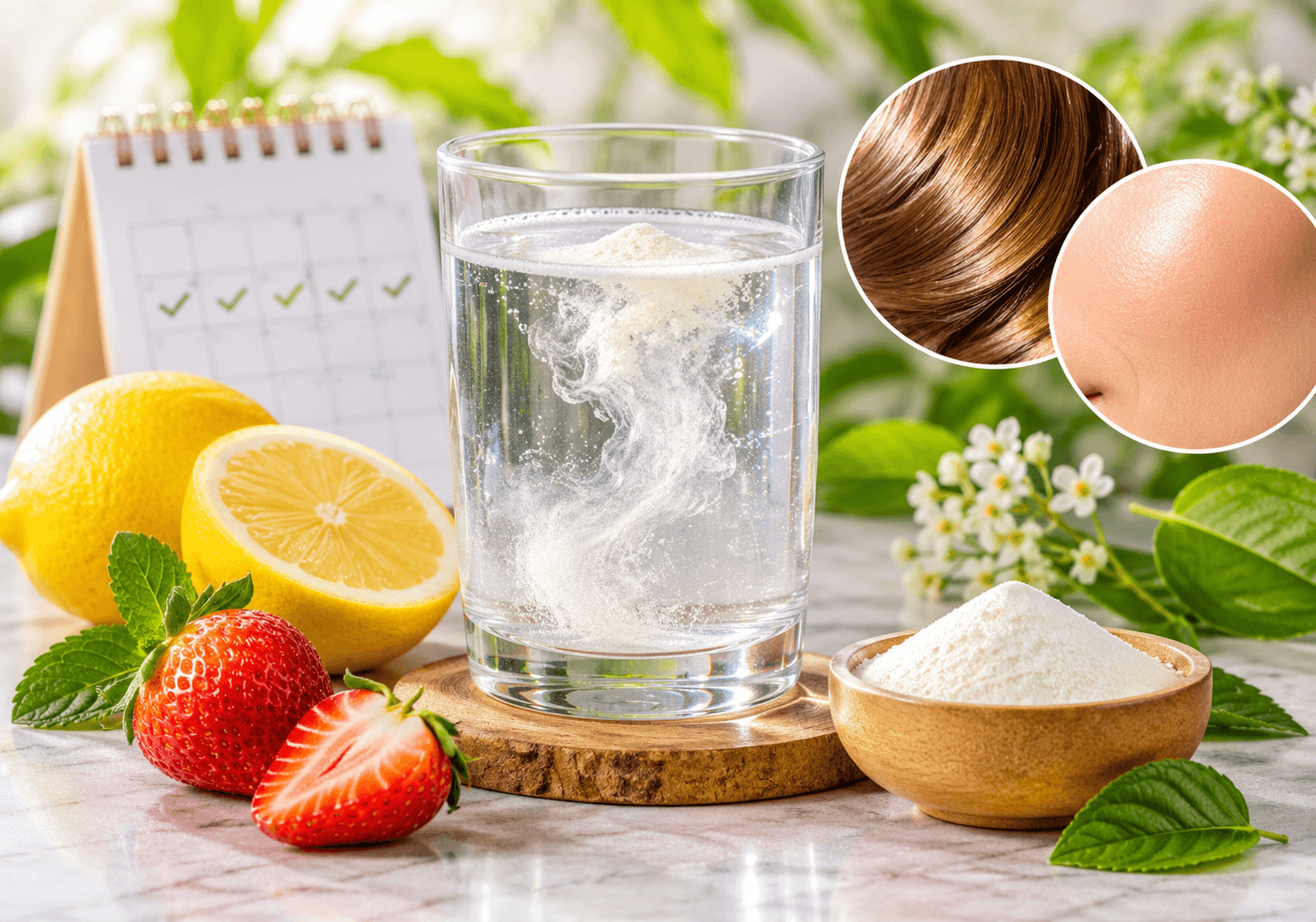
- Practical application: Mix your 10-gram scoop of collagen peptides into 16 oz (473 ml) of water with a squeeze of fresh lemon juice, or blend it into a smoothie containing strawberries, oranges, or bell peppers.
4. Give It Time
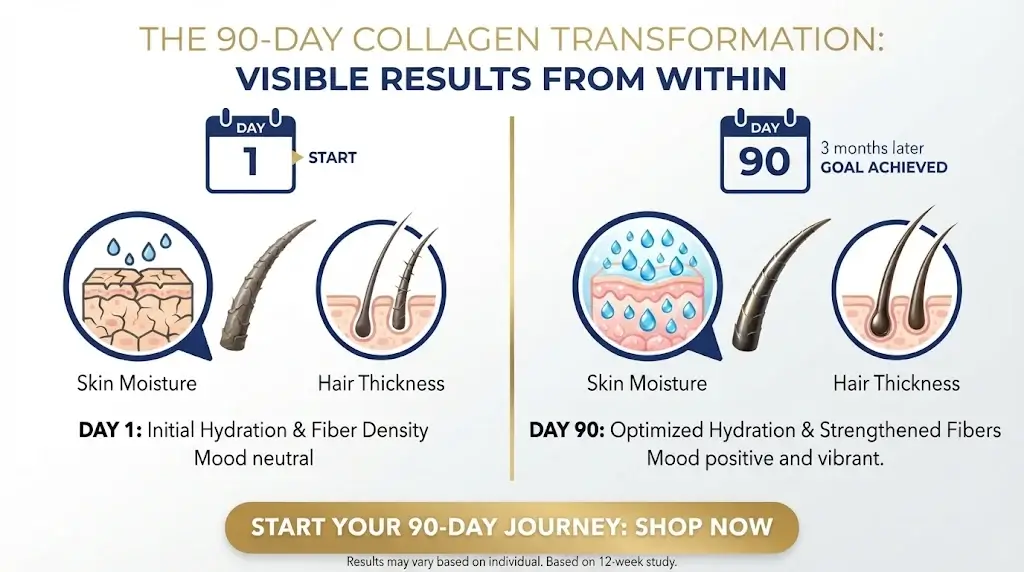
Connective tissue and hair grow slowly. Hair grows at an average rate of 0.5 inches (1.25 cm) per month. Skin cell turnover takes about 28 to 40 days, depending on your age. Do not expect to see changes in a week. Clinical trials measuring skin hydration and hair thickness typically run for a minimum of 8 to 12 weeks. If you are wondering exactly how long for collagen supplements to work on skin, plan for a 3-month consistent trial before evaluating your results.
Safety Notes and Who Should Be Careful
While hydrolyzed collagen is generally recognized as safe (GRAS) by the FDA, it is not suitable for everyone without precautions.
- Allergies: Collagen is sourced from bovine (cow), porcine (pig), marine (fish), or chicken. If you have a fish or shellfish allergy, you must strictly avoid marine collagen and opt for a verified bovine source. Always read the label.
- Kidney Health: Collagen is a protein. While normal protein intake does not damage healthy kidneys, individuals with pre-existing chronic kidney disease (CKD) should consult a nephrologist before adding concentrated protein supplements to their diet.
- Pregnancy and Breastfeeding: While collagen is just a food protein, supplement formulations can vary. Always check with your obstetrician before starting any new dietary supplement during pregnancy or postpartum.
- Digestive Sensitivity: Some people report mild bloating or a feeling of fullness when starting collagen. This is often due to the high glycine content. Starting with a half dose (5 grams) and gradually increasing to 10–15 grams over two weeks can help your digestive system adapt.
Related Tips for Maximizing Your Results
Supplements are meant to supplement a solid foundation, not replace it. Here is how to ensure your collagen investment pays off.
Coach’s Tip: The Pre-Workout Tendon Protocol
If you are dealing with nagging joint pain or want to bulletproof your tendons against heavy lifting, try this: Mix 15 grams of hydrolyzed collagen peptides with 50 mg of Vitamin C in 8 oz (237 ml) of water. Drink this exactly 45 minutes before your lower-body or heavy pulling workout. The mechanical load of the exercise drives the circulating amino acids directly into the stressed connective tissues, maximizing repair and strengthening the tissue over time.
Common Mistake: Expecting Overnight Results or Skipping the Basics
The most common mistake I see is clients taking collagen for two weeks, seeing no change in their hairline, and quitting. Hair and skin remodeling is a slow biological process. Furthermore, no supplement can out-work a poor diet, chronic sleep deprivation, or extreme stress. High cortisol levels actively break down collagen and push hair follicles into a resting phase. Ensure you are getting 7 to 9 hours of quality sleep per night. If you struggle with rest, understanding how sleep affects metabolism and weight management can also highlight why recovery is vital for your physical appearance and tissue health.
Synergistic Nutrients
To build a comprehensive aesthetic and recovery stack, consider how collagen pairs with other evidence-based nutrients:
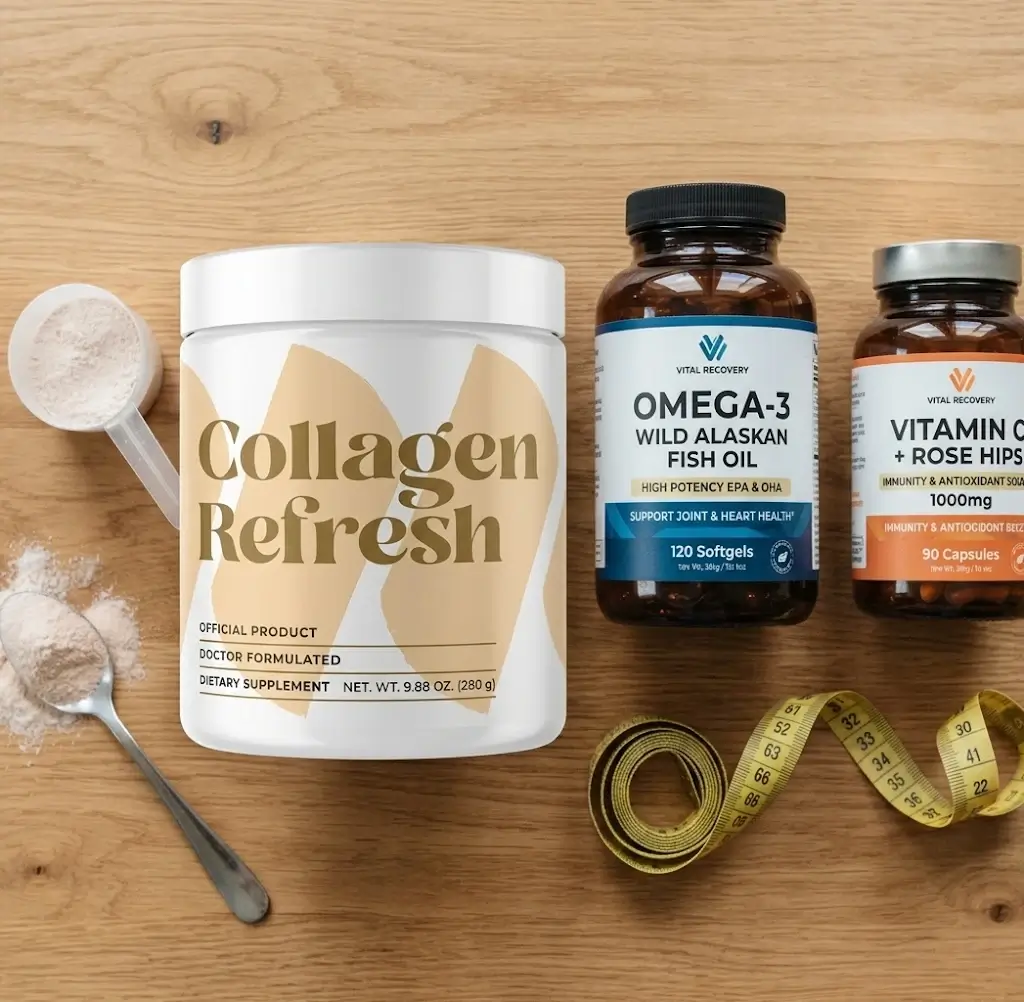
- Omega-3 Fatty Acids: While collagen builds the structure, omega-3s support the lipid barrier of the skin, locking in the moisture that collagen helps generate. Learn more about how omega-3 fatty acids support skin hydration.
- Astaxanthin: This potent carotenoid antioxidant protects the newly formed collagen fibers from UV-induced degradation, helping to maintain that skin glow and anti-aging effect from the inside out.
- Fiber and Protein for Satiety: If you are in a calorie deficit to lose body fat, ensuring you get enough total protein and fiber is critical. Collagen can contribute to your daily protein total, and combining it with protein and fiber supplements to reduce hunger can make your cut much more sustainable.
Frequently Asked Questions
Does hydrolyzed collagen really help hair grow? Collagen does not directly stimulate new hair follicles to grow, but it provides the essential amino acids (like proline and glycine) required to build keratin, the primary protein in hair. Research suggests it may improve hair thickness, diameter, and overall follicle health, especially when age-related thinning is a factor.
How long does it take for collagen to improve skin hydration? Clinical studies typically show measurable improvements in skin hydration and elasticity after 8 to 12 weeks of consistent daily supplementation. Individual results vary based on age, baseline diet, sun exposure, and the specific dosage used.
What is the best time to take collagen peptides? For general skin and hair benefits, consistency is more important than timing. However, taking it 30 to 60 minutes before a workout with vitamin C may optimize connective tissue repair. Many people also find it easiest to take it first thing in the morning mixed into coffee or a smoothie.
Can collagen peptides replace my daily protein powder? No. Hydrolyzed collagen is an incomplete protein, meaning it lacks all nine essential amino acids, particularly tryptophan, and is low in branched-chain amino acids (BCAAs) like leucine, which are critical for muscle protein synthesis. Use collagen as an add-on, not a replacement.
Does collagen help with hair loss in women over 40? It may help support hair quality. Hair thinning in women over 40 is often linked to hormonal changes and decreased natural collagen production. By supplying the building blocks for keratin and supporting the dermal papilla, collagen can help improve hair density and strength, though it will not reverse genetic or hormonal hair loss on its own.
How much collagen should I take daily for skin and hair? Research supports a daily dose of 2.5 to 15 grams of hydrolyzed collagen peptides. For targeted skin hydration, 2.5 to 5 grams is often sufficient. For joint support and noticeable hair thickness improvements, aiming for 10 to 15 grams daily is recommended.
Conclusion
Navigating the supplement market can be overwhelming, but the evidence surrounding hydrolyzed collagen peptides for hair growth and skin hydration is both clear and encouraging. When used correctly, collagen is not a magic potion, but a highly effective, science-backed tool. By providing your body with the specific amino acids it needs to rebuild the dermal matrix and support keratin production, you can actively combat the natural decline in tissue quality that comes with age and intense training.
Remember the keys to success: choose a high-quality, third-party tested hydrolyzed collagen, pair it with vitamin C, commit to a minimum of 8 to 12 weeks of consistent use, and support your supplementation with adequate sleep, hydration, and resistance training. Your skin, hair, and joints will thank you for the investment.