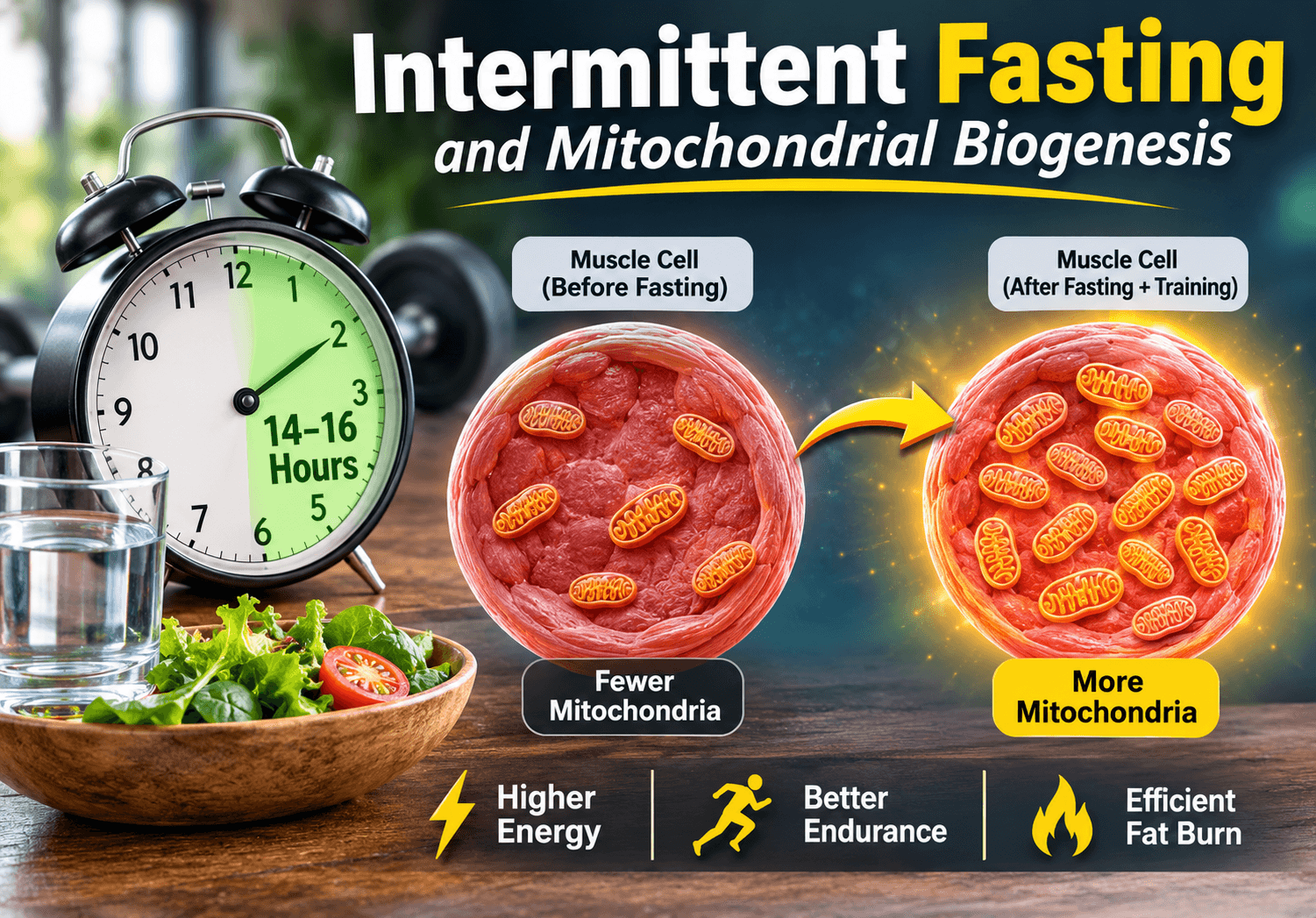
When you go 14 to 24 hours without food, your body does far more than just burn stored body fat. Inside your muscle cells, an energy shortage flips a series of molecular switches that tell your body to build brand-new cellular power plants. Understanding how does intermittent fasting alter mitochondrial biogenesis helps you time your meals and workouts so you recover faster, sustain energy longer, and get more out of every training session.
As a strength and conditioning coach, I often see active adults hit an afternoon energy wall or struggle to build endurance despite working hard in the gym. Frequently, the missing piece is not harder training, but giving their cells a scheduled break from constant digestion. By pairing structured eating windows with smart movement, you can train your muscles to produce energy more efficiently.
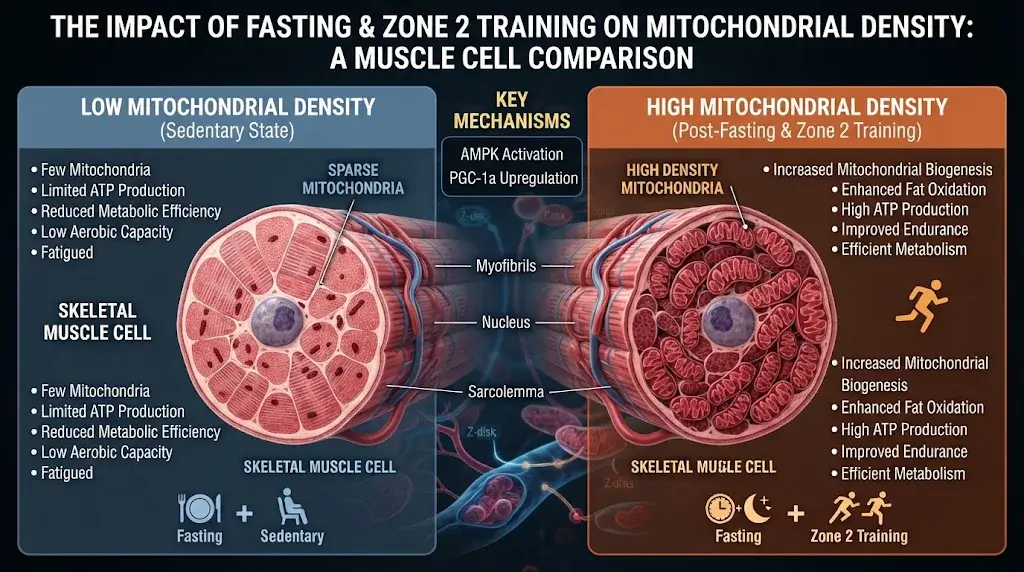
Quick Answer: Intermittent fasting alters mitochondrial biogenesis by creating a temporary cellular energy deficit that lowers ATP and raises AMP and NAD+ levels. This energy shift activates key metabolic sensors—specifically AMPK and SIRT1—which turn on PGC-1α, the master regulator protein that instructs your muscle cells to build new, more efficient mitochondria.
What Are Mitochondria and Why Do They Matter for Fitness?
Mitochondria are tiny, bean-shaped structures inside almost every cell in your body, with especially high concentrations in your heart and skeletal muscles. Their primary job is to convert the carbohydrates, fats, and proteins you eat into adenosine triphosphate (ATP), the usable energy currency that powers every muscle contraction and heartbeat.
Think of mitochondria as the engines inside your muscle fibers. If you have a small number of sluggish engines, walking up three flights of stairs or playing an hour of singles pickleball leaves you gasping for air and sore for days. If you have a dense network of healthy, high-functioning engines, your body clears metabolic waste faster and burns fuel cleanly without crashing.
Two distinct processes keep this cellular engine room running smoothly:
- Mitochondrial biogenesis: The creation of new mitochondria and the expansion of existing mitochondrial networks inside your cells.
- Mitophagy: The targeted cleanup and recycling of old, damaged, or leaky mitochondria so they do not slow down energy production.
Both processes work together like a construction crew renovating an old gym. Before you can install new squat racks and turf, you have to haul out the broken equipment. Intermittent fasting stimulates both the cleanup crew and the builders, helping you improve your overall metabolic flexibility over time.
How Does Intermittent Fasting Alter Mitochondrial Biogenesis? (The Science)
When you eat every two to three hours from morning until midnight, your cells stay bathed in glucose, insulin, and amino acids. In this fed state, your cells focus on growth and storage rather than maintenance and efficiency. When you introduce a structured fasting window, your cellular fuel gauge drops, triggering a precise four-step signaling cascade.
Step 1: The Cellular Energy Shift (ATP Drops, AMP and NAD+ Rise)
During a fast, liver glycogen stores gradually decline, and circulating insulin drops. As your cells burn through readily available fuel, cellular levels of ATP dip slightly while adenosine monophosphate (AMP) and oxidized nicotinamide adenine dinucleotide (NAD+) rise. According to research published in the National Center for Biotechnology Information (PMC), these shifts in cellular energy ratios act as the primary alarm bell that initiates fasting-induced mitochondrial remodeling.
Step 2: Activation of AMPK and Sirtuins (SIRT1 and SIRT3)
Rising AMP levels activate an enzyme called AMP-activated protein kinase (AMPK), which acts as your body’s master cellular fuel sensor. At the same time, higher NAD+ levels switch on a family of longevity and metabolic proteins called sirtuins—most notably SIRT1 in the cell nucleus and SIRT3 inside the mitochondria themselves.
Once active, AMPK and SIRT1 immediately halt energy-expensive storage projects like fat synthesis. Instead, they redirect your cellular machinery toward burning fatty acids and upgrading your energy-producing infrastructure.
Step 3: Turning on PGC-1α (The Master Regulator)
Activated AMPK attaches a phosphate group to a protein called peroxisome proliferator-activated receptor gamma coactivator 1-alpha (PGC-1α), while SIRT1 removes an acetyl group from it. Together, these two modifications fully switch on PGC-1α. In exercise physiology, PGC-1α is widely recognized as the “master regulator” of mitochondrial biogenesis, as highlighted in reviews from the National Institutes of Health (NIH).
Step 4: Mitochondrial DNA Replication and Network Fusion
Once PGC-1α is activated, it travels into the cell’s nucleus and switches on nuclear respiratory factors (NRF-1 and NRF-2) along with mitochondrial transcription factor A (TFAM). TFAM enters existing mitochondria and stimulates the replication of mitochondrial DNA (mtDNA) and the synthesis of new respiratory chain proteins.
During a fast, existing mitochondria also undergo mitochondrial fusion, linking together into long, interconnected tubes. Research indexed by PubMed Central shows that fused mitochondrial networks share resources, resist oxidative stress, and produce ATP far more efficiently than fragmented, isolated mitochondria.
Coach’s Tip: You do not need multi-day water fasts to flip these cellular switches. Consistent daily fasting windows of 14 to 16 hours—especially when paired with light morning movement—are enough to lower insulin, nudge AMPK upward, and encourage steady mitochondrial remodeling without sacrificing hard-earned muscle tissue.
Fasting Duration and Mitochondrial Signaling: What Happens Hour by Hour
Different fasting lengths create different levels of metabolic stress. While longer fasts push AMPK and mitophagy harder, overly aggressive fasting schedules can elevate cortisol and interfere with strength training recovery. Understanding the timeline helps you pick a schedule that supports your workouts rather than sabotaging them.
| Fasting Window | Primary Metabolic Shift | Key Molecular Signals | Impact on Mitochondrial Biogenesis | Best Use Case |
| 12–14 Hours (Circadian Fast) | Blood glucose stabilizes; baseline insulin drops; liver glycogen begins to dip. | Mild rise in AMPK; early decrease in mTOR signaling. | Initiates basic mitochondrial fusion and prepares cells for fat oxidation. | Beginners, strength athletes, and active adults over 40. |
| 16–18 Hours (16:8 Time-Restricted Eating) | Liver glycogen drops significantly; fatty acid mobilization and mild ketone production begin. | Noticeable activation of AMPK, SIRT1, and early PGC-1α transcription. | Strong daily stimulus for mitochondrial efficiency and early mitophagy cleanup. | Everyday fitness enthusiasts looking to boost endurance and support metabolism naturally. |
| 20–24 Hours (One Meal a Day / Eat-Stop-Eat) | Liver glycogen largely depleted; circulating beta-hydroxybutyrate (BHB) rises noticeably. | Peak AMPK and SIRT1/SIRT3 signaling; strong upregulation of PGC-1α and TFAM. | High stimulus for both mitophagy and new mitochondrial protein synthesis upon refeeding. | Experienced fasters using 1–2 non-consecutive days per week on rest days. |
| 36–48 Hours (Extended Periodic Fast) | Deep ketosis; significant reliance on adipose tissue and ketone bodies for fuel. | Maximal autophagy and mitophagy; high risk of muscle protein breakdown if done too often. | Clears heavily damaged mitochondria, though actual biogenesis requires refeeding nutrients. | Infrequent metabolic resets; generally not ideal during heavy training blocks. |
A crucial point many people miss is that fasting triggers the blueprint, while refeeding supplies the bricks. During the fast, AMPK and PGC-1α write the genetic instructions for new mitochondria. When you break your fast with adequate protein, micronutrients, and quality carbohydrates, your muscle cells actually build those new mitochondrial proteins.

Intermittent Fasting vs. Exercise: Which Drives Mitochondrial Biogenesis More?
If your primary goal is packing more mitochondria into your skeletal muscles, exercise remains the undisputed heavyweight champion. Muscle contraction consumes ATP up to 100 times faster than resting tissue, causing an immediate spike in AMP and calcium ions that powerfully activates PGC-1α in the working muscles.
However, intermittent fasting and exercise stimulate mitochondrial biogenesis through complementary pathways:
- Systemic vs. Local Effects: Exercise builds mitochondria primarily in the specific muscles you train—for example, your quadriceps and soleus when cycling. Intermittent fasting creates a whole-body energy deficit that triggers mitochondrial adaptations in your liver, heart, brain, and resting muscle fibers.
- Glycogen Depletion Synergy: Performing low-intensity cardio at the tail end of a 14- to 16-hour fast means you start your session with lower liver glycogen and lower insulin. According to findings in Medicine & Science in Sports & Exercise / PMC, training with reduced carbohydrate availability amplifies AMPK and PGC-1α signaling compared to training immediately after a high-carb meal.
- Recovery and Oxidative Stress: Intense exercise creates reactive oxygen species (ROS). While small bursts of ROS signal your body to adapt, chronic excess stress slows recovery. Fasting activates SIRT3, which boosts your mitochondria’s internal antioxidant defenses (such as superoxide dismutase) to clean up excess free radicals.
If you already focus on how to increase metabolism naturally after 40, combining three days of resistance training with two fasted aerobic sessions gives you both local muscular overload and systemic cellular cleanup.

How to Combine Intermittent Fasting and Training for Maximum Mitochondrial Adaptation
You do not need a complicated biohacking protocol to take advantage of fasting-induced mitochondrial biogenesis. In my coaching practice, the most sustainable approach pairs a moderate 14:10 or 16:8 eating window with targeted Zone 2 aerobic sessions and heavy strength training placed strategically around your meals.
Step 1: Choose a Sustainable Fasting Schedule (14:10 or 16:8)
Start with a 14-hour overnight fast—for example, finishing dinner at 7:00 PM and eating breakfast at 9:00 AM. After two weeks, you can extend your morning window to 11:00 AM for a classic 16:8 schedule if your energy and sleep remain solid. Remember that how sleep affects metabolism directly impacts your cellular recovery; cutting sleep short to force a longer fast will backfire by spiking cortisol.
Step 2: Pair Fasted Mornings with Zone 2 Aerobic Work
Zone 2 training is steady, conversational-pace cardio performed at roughly 60% to 70% of your maximum heart rate. This intensity relies almost entirely on your Type I slow-twitch muscle fibers, which contain the highest density of mitochondria.
- Modality options: Brisk outdoor walking, incline treadmill walking, stationary cycling (such as a Concept2 BikeErg or Peloton), rowing (Concept2 RowErg), or rucking with a 15 to 25 lb (7 to 11 kg) pack.
- Duration and frequency: Aim for 30 to 45 minutes, 2 to 3 mornings per week, during the final hour of your fast.
- Intensity check: You should be able to speak in full, 6- to 8-word sentences without gasping. If you have to pause every two words to breathe, slow down—you have drifted into glycolytic Zone 3, which burns glycogen instead of training mitochondrial fat oxidation.
Step 3: Schedule Heavy Strength Training in a Fed Window
Heavy resistance training (squats, deadlifts, presses, rows) relies heavily on stored muscle glycogen and high motor-unit recruitment. Lifting heavy weights at the end of an 18-hour fast often leads to flat performance, early fatigue, and higher muscle breakdown.
Schedule your strength workouts 1 to 3 hours after a balanced meal containing protein and carbohydrates. This ensures you have plenty of fuel to push heavy loads, stimulate muscle hypertrophy, and protect lean mass.
Step 4: Break Your Fast with Protein and Micronutrients
Remember that mitochondrial biogenesis requires raw building blocks once your fasting window ends. Break your fast with 30 to 45 grams of high-quality protein (eggs, Greek yogurt, lean beef, poultry, or whey isolate) paired with colorful vegetables, berries, and complex carbohydrates.
Your mitochondria also rely on specific cofactors—including B vitamins, magnesium, iron, and CoQ10—to run the electron transport chain. Eating whole, nutrient-dense foods ensures you supply nutrients that support normal energy metabolism right when PGC-1α signaling is highest.
Common Mistake: Doing high-intensity interval training (HIIT) or maximal heavy lifting at the end of a long fast every single day. High-intensity anaerobic work demands rapid glucose breakdown; forcing it without fuel spikes cortisol, suppresses immune function, and can actually impair mitochondrial function rather than improving it.
Sample Weekly Schedule: Fasting + Mitochondrial Training Plan
This sample weekly structure balances fasted low-intensity cardio, fed strength training, and recovery so you maximize PGC-1α activation without burning out.
| Day | Fasting Window | Morning Session (Fasted) | Afternoon / Evening Session (Fed) | Key Nutrition Focus |
| Monday | 16:8 (8 PM – 12 PM) | 35-min Zone 2 brisk walk or stationary bike (60–70% max HR) | Rest | Break fast at 12 PM with 40g protein + complex carbs. |
| Tuesday | 14:10 (8 PM – 10 AM) | Mobility & 10-min light walk | Full-Body Strength A (45 min, fed state) | Pre-workout carbs + protein; high-protein dinner. |
| Wednesday | 16:8 (8 PM – 12 PM) | 40-min Zone 2 rowing or rucking with 20 lb (9 kg) pack | Rest | Emphasize magnesium-rich greens and omega-3 fats. |
| Thursday | 14:10 (8 PM – 10 AM) | Rest | Full-Body Strength B (45 min, fed state) | Steady hydration and electrolytes throughout the day. |
| Friday | 16:8 (8 PM – 12 PM) | 30-min Zone 2 cycling or incline treadmill walk | Rest | Break fast with lean protein, berries, and whole grains. |
| Saturday | 12:12 (8 PM – 8 AM) | Recreational sport (pickleball, hiking 4–6 miles [6.5–9.5 km]) | Optional 20-min mobility flow | Flexible eating window to fuel longer activity. |
| Sunday | 14:10 (8 PM – 10 AM) | Active recovery walk (20–30 min outdoors) | Rest and meal prep | Balanced intake to prepare glycogen for the week ahead. |
Progression and Regression Options
- Easier Version (Beginner Regression): Use a 12:12 or 14:10 fasting schedule and limit fasted Zone 2 walks to 20 minutes twice a week. Focus on building consistency with sleep and hydration before extending your fasting window.
- Harder Version (Advanced Progression): Extend two non-consecutive fasting windows per week to 18:6 and increase fasted Zone 2 sessions to 50–60 minutes on a bike or rower. Keep strength sessions in your fed window so lifting numbers continue to climb.

What Can Help or Hurt Fasting-Induced Mitochondrial Biogenesis?
Small daily habits determine whether intermittent fasting upgrades your cellular energy or leaves you feeling drained. Keep these practical guidelines in mind:
- Stay Hydrated with Electrolytes: Low insulin causes your kidneys to excrete more sodium and water. Drinking plain water with a pinch of sea salt or an unsweetened electrolyte mix prevents “fasting headaches” and keeps blood volume steady during morning cardio.
- Black Coffee and Green Tea Are Fine: Unsweetened black coffee and plain green tea contain virtually zero calories and will not blunt AMPK activation. In fact, polyphenols in coffee and green tea may mildly support autophagy and fat oxidation without disrupting your fast.
- Avoid Ultra-Processed Refeeds: Breaking a 16-hour fast with refined sugars, deep-fried foods, and heavy alcohol floods your mitochondria with excess substrate and triggers oxidative stress, undoing much of the cellular cleanup you just earned.
- Understand Exogenous Ketones: Some athletes ask whether ketone drinks accelerate this process. While exogenous ketones temporarily raise blood ketone levels, they also provide external calories that can briefly pause your body’s internal energy-deficit signals. Whole-food nutrition and natural fasting remain the foundation.
- Prioritize Protein Intake: Getting enough protein intake for metabolism—roughly 0.7 to 1.0 grams per pound (1.6 to 2.2 grams per kg) of target body weight daily—protects your muscle fibers while your body remodels its mitochondrial network.
Who Should Be Careful With Intermittent Fasting?
While moderate intermittent fasting is safe for many healthy adults, it is not appropriate for everyone. Prolonged energy restriction adds physical stress that can disrupt hormones or blood sugar control in certain populations.
Check with a doctor, registered dietitian, or physical therapist before starting an intermittent fasting routine if you fall into any of the following groups:
- Individuals with diabetes or blood sugar disorders: Fasting can cause dangerous drops in blood glucose (hypoglycemia), especially if you take insulin or glucose-lowering medications.
- Pregnant or breastfeeding women: Fetal development and milk production require steady energy and nutrient intake.
- Underweight individuals or older adults at risk for sarcopenia: Older adults need frequent protein feedings (30+ grams per meal) to overcome anabolic resistance and prevent muscle loss.
- Endurance athletes in peak competition blocks: High-volume training requires substantial carbohydrate availability to prevent Relative Energy Deficiency in Sport (RED-S).
If you ever experience persistent dizziness, extreme fatigue, disrupted sleep, hair thinning, or a drop in menstrual regularity, widen your eating window immediately and consult a healthcare professional.
Frequently Asked Questions
How long do you have to fast to trigger mitochondrial biogenesis?
Early metabolic shifts like lower insulin and mild AMPK activation begin around 12 to 14 hours into a fast. However, noticeable increases in PGC-1α signaling and mitochondrial remodeling typically require 16 to 24 hours of fasting, or 14 to 16 hours paired with fasted Zone 2 aerobic exercise.
Does intermittent fasting increase mitochondrial density in skeletal muscle?
Human studies show that intermittent fasting strongly improves mitochondrial efficiency, respiratory capacity, and network fusion in skeletal muscle. However, increasing the actual volume and density of muscle mitochondria requires combining fasting with regular aerobic or resistance exercise to create mechanical demand in the muscle fibers.
What is the difference between mitophagy and mitochondrial biogenesis?
Mitophagy is the cellular recycling process that identifies, breaks down, and removes old or damaged mitochondria. Mitochondrial biogenesis is the creation of new, healthy mitochondria to replace them. Intermittent fasting stimulates mitophagy during the fasted state and sets up mitochondrial biogenesis when you refeed with protein and nutrients.
Does fasted cardio boost mitochondrial biogenesis more than fasting alone?
Yes. Exercising at a low-to-moderate intensity (Zone 2) near the end of a fast depletes local muscle ATP while liver glycogen is already low. This dual energy stress activates AMPK and PGC-1α significantly more than sitting at rest during a fast, accelerating endurance adaptations.
Can intermittent fasting improve mitochondrial function after 40?
Yes. As we age, mitochondrial efficiency naturally declines and damaged mitochondria accumulate faster. Moderate time-restricted eating (such as 14:10 or 16:8) paired with strength training and brisk walking helps stimulate SIRT1 and SIRT3, supporting cellular cleanup and sustained daily energy after 40.
Does black coffee break a fast or stop mitochondrial biogenesis?
No. Plain black coffee contains fewer than 5 calories and does not spike insulin or raise cellular ATP levels. In fact, the caffeine and natural polyphenols in black coffee may support fat oxidation and mildly enhance AMPK signaling during your morning fasting window.
Conclusion
Understanding how does intermittent fasting alter mitochondrial biogenesis takes the mystery out of cellular energy and endurance training. By stepping away from constant snacking for 14 to 16 hours overnight, you allow cellular ATP to dip just enough to activate AMPK, SIRT1, and PGC-1α—the exact molecular team responsible for repairing and expanding your mitochondrial network.
For the best real-world results, treat intermittent fasting as a partner to smart training rather than a replacement for it. Pair two or three morning Zone 2 walks or rides at the tail end of your fast with fed-state strength training, prioritize 7 to 8 hours of quality sleep, and break your fast with whole, protein-rich meals. Consistency with these fundamentals will build an energy system that carries you effortlessly through workouts and busy days alike.