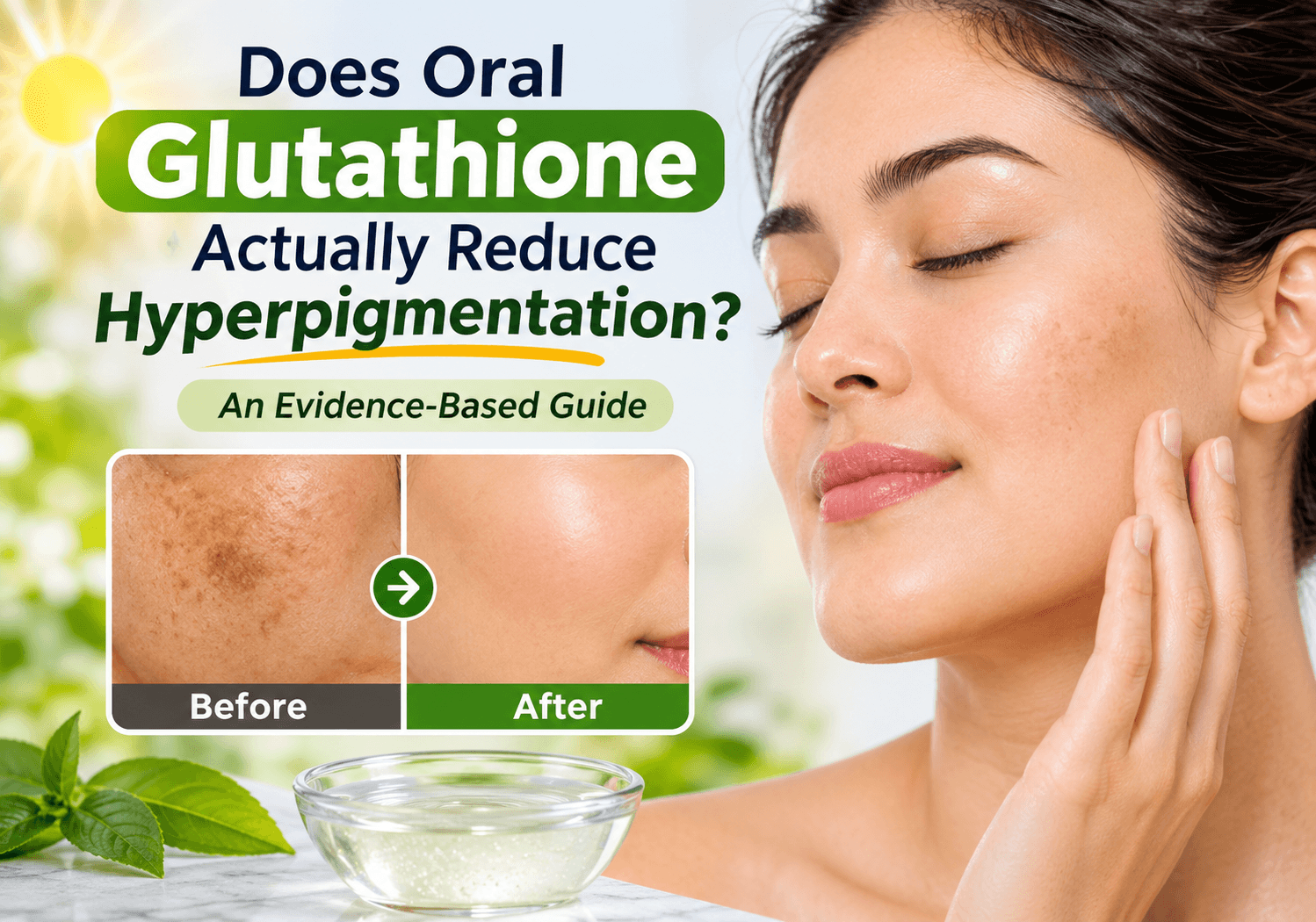
If you are wondering does oral glutathione actually reduce hyperpigmentation, the short answer is yes, but with important caveats regarding dosage, formulation, and consistency. As a coach who rigorously evaluates supplement claims, I see many clients seek quick fixes for uneven skin tone. Hyperpigmentation, whether from sun damage, acne scars, or hormonal changes, is a stubborn condition. Oral glutathione has emerged as a popular antioxidant supplement to address this. However, separating marketing hype from clinical reality is essential. This guide breaks down the science, the realistic timelines, and the practical steps you need to take to see actual results.
Quick Answer
Yes, oral glutathione can reduce hyperpigmentation. Clinical studies show that taking 250 mg to 500 mg of reduced glutathione daily for 8 to 12 weeks can lighten dark spots. It works by inhibiting tyrosinase, the enzyme responsible for melanin production, and shifting pigment creation from dark eumelanin to lighter pheomelanin. Consistency and pairing it with vitamin C are critical for success.
What the Research Says: The Science of Skin Brightening
To understand if this supplement works, we must first understand how skin color is determined. Melanin is the pigment that gives our skin, hair, and eyes their color. It is produced by cells called melanocytes. There are two main types of melanin: eumelanin (brown or black pigment) and pheomelanin (yellow or red pigment). Hyperpigmentation occurs when melanocytes overproduce eumelanin, often triggered by ultraviolet (UV) radiation, inflammation, or hormonal fluctuations.
Glutathione is a powerful tripeptide antioxidant made of three amino acids: glutamate, cysteine, and glycine. It is naturally produced in the liver and is vital for neutralizing free radicals and reducing oxidative stress. When it comes to skin tone, glutathione intervenes in the melanin synthesis pathway through two primary mechanisms.
First, it directly inhibits tyrosinase. Tyrosinase is the key enzyme that converts the amino acid tyrosine into melanin. By blocking this enzyme, glutathione reduces the overall amount of pigment produced. Second, it shifts the melanin pathway. Glutathione encourages melanocytes to produce more pheomelanin instead of eumelanin. This biological shift results in a gradual, overall lightening of the skin and a fading of dark spots.
Clinical Evidence on Oral Glutathione
The debate around oral glutathione has historically centered on bioavailability. Critics argued that stomach acids and digestive enzymes would break down the tripeptide before it could reach the bloodstream. However, modern clinical research has challenged this assumption.
A landmark double-blind, placebo-controlled trial published in the Journal of Dermatological Treatment evaluated the effects of oral glutathione on skin pigmentation. Researchers administered 500 mg of glutathione daily to participants for four weeks. The study concluded that the glutathione group showed a significant reduction in melanin indices compared to the placebo group, with no adverse side effects reported (Arjinpathana et al., 2012).
Further supporting this, a 2014 study in the Journal of Clinical and Aesthetic Dermatology tested a lower dose of 250 mg per day over 12 weeks. The researchers observed a significant decrease in hyperpigmentation and an improvement in skin elasticity. The data suggests that sustained, lower-dose oral supplementation is effective at elevating whole-blood glutathione levels over time, which translates to visible dermatological benefits (Watanabe et al., 2014).
Another 16-week randomized, double-blind, placebo-controlled study focused specifically on dark-skinned individuals. Participants taking 500 mg of oral glutathione daily experienced a significant lightening of skin color, particularly in areas prone to hyperpigmentation, compared to the control group (Handog et al., 2016). These peer-reviewed studies confirm that oral glutathione is not just a marketing gimmick; it has measurable, evidence-based efficacy.
Comparing Glutathione Formulations
Not all supplements are created equal. The form of glutathione you choose drastically impacts its absorption and effectiveness. Below is a comparison of the most common delivery methods.
| Formulation | Typical Dosage | Bioavailability | Evidence for Hyperpigmentation | Best For |
| Standard Oral (Reduced) | 250–500 mg/day | Moderate | Strong (8–12 weeks) | Daily maintenance, budget-conscious users |
| Liposomal Oral | 250–500 mg/day | High | Strong (4–8 weeks) | Those with digestive issues, faster results |
| Sublingual | 100–300 mg/day | Moderate-High | Moderate | People who dislike swallowing pills |
| Intravenous (IV) | 600–1200 mg/session | Very High | Strong (immediate) | Clinical settings only (not recommended for DIY) |
| Topical | 2–5% concentration | Low (surface level) | Mild to Moderate | Targeted spot treatment alongside oral use |
Note: Intravenous glutathione is not approved by the FDA for skin lightening and carries significant risks, including kidney strain and thyroid dysfunction. Oral and liposomal forms are the safest, evidence-backed routes for long-term use.
How to Apply It: A Practical Routine for Hyperpigmentation
Knowing the science is only half the battle. As a coach, I emphasize that execution is where results happen. Taking a supplement randomly will not yield results. You need a structured, consistent protocol. Here is a practical, step-by-step routine to maximize the efficacy of oral glutathione.
Step 1: Choose the Right Dosage and Form
Opt for a high-quality “reduced” glutathione (L-glutathione) or a liposomal glutathione supplement. The clinically validated dosage for skin brightening is between 250 mg and 500 mg per day. If you have a sensitive stomach or want faster absorption, liposomal glutathione is worth the premium price, as the lipid layer protects the molecule from stomach acid.
Step 2: Master the Timing
Timing matters for absorption. Similar to learning the best time to take collagen powder for skin absorption, taking glutathione on an empty stomach enhances its uptake. Take your dose first thing in the morning, at least 30 minutes before breakfast, or right before bed, at least two hours after your last meal.
Step 3: Pair with Synergistic Nutrients
Glutathione does not work in a vacuum. Its effectiveness is significantly amplified when paired with vitamin C. Vitamin C helps maintain glutathione in its active, reduced state and prevents it from oxidizing too quickly in the digestive tract. Look for a supplement that includes 500 mg to 1,000 mg of vitamin C, or take them together. Additionally, N-acetyl cysteine (NAC) and alpha-lipoic acid (ALA) are powerful precursors and recyclers of glutathione, making them excellent additions to your stack.
Step 4: Commit to the Timeline
Hyperpigmentation fades as skin cells naturally turnover. The epidermal turnover cycle takes about 28 to 40 days, and this process slows down as we age. Therefore, you must be patient.
Coach’s Tip: Do not expect overnight results. Hyperpigmentation fades as skin cells turnover, which takes about 28 to 40 days per cycle. Most clinical trials show visible changes only after 8 to 12 weeks of consistent, daily use. Track your progress with weekly photos in consistent, natural lighting.
Common Mistake: Inconsistent dosing. Skipping days or taking the supplement with a heavy, high-fat meal can drastically reduce absorption. Treat your glutathione supplement with the same discipline you apply to your daily protein intake or workout schedule.
Safety Notes and Contraindications
While oral glutathione is generally recognized as safe (GRAS) by the FDA for most adults, it is not without potential side effects or contraindications. Every health claim and supplement routine must be approached with caution.
Some users report mild gastrointestinal discomfort, such as bloating, abdominal cramps, or loose stools, especially when starting at higher doses. If this occurs, reduce the dose to 250 mg and gradually increase it over two weeks.
There is also a theoretical concern that long-term, high-dose antioxidant supplementation could blunt the body’s natural adaptive response to exercise. Some research suggests that excessively high levels of antioxidants might interfere with the oxidative signaling required for muscle adaptation and endurance gains. If you are an athlete in heavy training, cycle your glutathione use or stick to the lower end of the dosage spectrum (250 mg).
Furthermore, individuals with asthma should consult a physician before use, as inhaled glutathione can trigger bronchospasm (though this risk is much lower with oral forms). Pregnant or breastfeeding women should avoid glutathione supplements due to a lack of safety data in these populations.
This article is for general information and is not a substitute for advice from a doctor or physical therapist. Always consult your healthcare provider before starting any new supplement regimen, especially if you have pre-existing health conditions or take prescription medications.
Related Tips for Maximizing Skin Health
Supplements are only one piece of the puzzle. To truly reduce hyperpigmentation, you must support your skin from multiple angles.
1. Prioritize Photoprotection No supplement can outwork daily UV exposure. UV radiation is the primary driver of melanin production. You must apply a broad-spectrum sunscreen with an SPF of 30 or higher every single day. Use approximately 0.04 ounces (about 1/4 teaspoon) for your face and neck. Reapply every two hours if you are outdoors.
2. Support Cellular Health with Diet Just as we look at which nutrients support normal cellular metabolism, we must also understand which dietary choices support skin cellular health. Your body needs raw materials to produce its own glutathione. Consume sulfur-rich foods daily, such as broccoli, cauliflower, Brussels sprouts, garlic, and onions. These foods provide the cysteine necessary for endogenous glutathione synthesis.
3. Combine with Topical Treatments For stubborn dark spots, pair your oral regimen with topical treatments. Topical vitamin C serums, niacinamide (5%), and alpha hydroxy acids (AHAs) like glycolic acid work synergistically with oral glutathione to accelerate the fading of post-inflammatory hyperpigmentation (PIH).
4. Manage Inflammation Chronic systemic inflammation can exacerbate skin discoloration. Supporting your skin from the inside out also involves managing inflammation, which is why omega-3 fatty acids for skin hydration and inflammation are a foundational part of many dermatological nutrition plans. Aim for 1,000 mg to 2,000 mg of combined EPA and DHA daily from high-quality fish oil or algae oil.
5. Evaluate Your Entire Supplement Stack When building your regimen, review which supplements may support health goals safely to avoid adverse interactions. For example, combining multiple skin-brightening agents like an astaxanthin supplement for skin glow and anti-aging with glutathione can provide powerful, synergistic antioxidant protection against UV-induced damage.
Frequently Asked Questions (FAQ)
How long does it take for oral glutathione to work on dark spots? Visible results typically take 8 to 12 weeks of consistent daily use. Skin cell turnover takes 28 to 40 days, so fading deep hyperpigmentation requires multiple cycles. Lighter skin tones may see results in 4 to 6 weeks, while darker skin tones may require the full 12 weeks or slightly longer.
Is oral glutathione safe for long-term use? Yes, clinical studies indicate that oral glutathione is safe for long-term use at recommended doses (250–500 mg/day). No severe adverse effects have been documented in healthy adults. However, it is always wise to cycle supplements or consult a doctor if you plan to use it for more than six months continuously.
What is the best form of glutathione for hyperpigmentation? Liposomal glutathione or reduced L-glutathione are the best forms. Liposomal glutathione offers superior bioavailability because the lipid layer protects it from stomach acid. Reduced L-glutathione is the most studied and cost-effective option, provided it is taken on an empty stomach.
Does glutathione work better with vitamin C? Yes, absolutely. Vitamin C helps maintain glutathione in its active, reduced state and prevents it from oxidizing prematurely in the digestive tract. Taking 500 mg to 1,000 mg of vitamin C alongside your glutathione dose significantly enhances its skin-brightening efficacy.
Can glutathione reverse sun damage? Glutathione can help fade the hyperpigmentation and dark spots caused by sun damage by inhibiting melanin production. However, it cannot reverse structural sun damage, such as deep wrinkles or loss of skin elasticity. Daily SPF use is mandatory to prevent further damage.
Are there any side effects of taking glutathione supplements? Most people tolerate glutathione well. Mild side effects can include abdominal bloating, cramps, or loose stools, especially at higher doses. Taking it with food can reduce stomach upset, though it may slightly lower absorption. Discontinue use if you experience any allergic reactions.
Conclusion
So, does oral glutathione actually reduce hyperpigmentation? The clinical evidence says yes. By inhibiting tyrosinase and shifting melanin production toward lighter pigments, sustained oral supplementation of 250 mg to 500 mg of reduced or liposomal glutathione can visibly fade dark spots over 8 to 12 weeks. However, it is not a magic pill. Its success depends entirely on consistent dosing, pairing it with vitamin C, and maintaining rigorous sun protection.
Approach your skin health with the same discipline you apply to your fitness goals. Build a resilient body from the inside out, prioritize evidence-based ingredients, and give your body the time it needs to heal and renew. If you are ready to take control of your skin health, start with a high-quality reduced glutathione supplement, pair it with a solid daily SPF routine, and track your progress patiently.