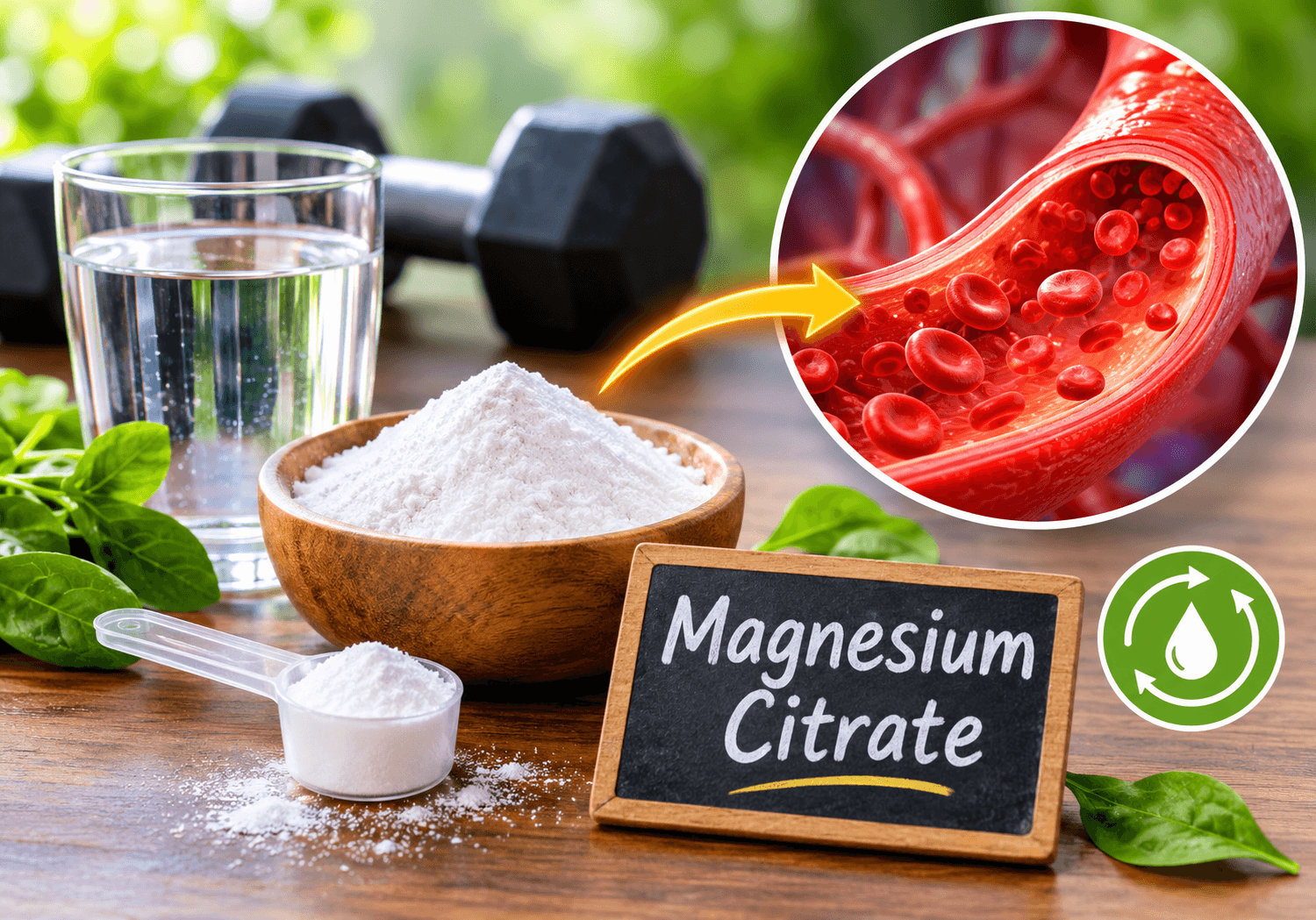
When athletes and adults over 40 ask me if does magnesium citrate improve blood vessel dilation, they are usually looking for a natural edge in cardiovascular health and workout recovery. The short answer is yes. Magnesium plays a critical role in relaxing vascular smooth muscle, which directly supports healthy blood vessel dilation. As a strength and conditioning coach, I see clients struggle with stiff muscles, poor recovery, and elevated resting heart rates. Often, a simple mineral deficiency is the hidden culprit.
This guide breaks down exactly how magnesium citrate affects your vascular system, what the peer-reviewed research says, and how to apply this knowledge to your training and supplementation routine. We will cover exact dosages, timing, and practical workout pairings to help you get the most out of this essential mineral.
Quick Answer
Yes, magnesium citrate can improve blood vessel dilation. Magnesium acts as a natural calcium channel blocker, helping vascular smooth muscle relax. This promotes endothelial function and supports healthy nitric oxide production, which widens blood vessels. For optimal results, pair a daily dose of 200–400 mg of magnesium citrate with consistent aerobic exercise and a nutrient-dense diet.
What the Research Says About Magnesium and Vasodilation
To understand how magnesium works, we have to look at the endothelium. The endothelium is the thin membrane lining the inside of your heart and blood vessels. It controls the release of substances that regulate vascular tone, most notably nitric oxide (NO). When your blood vessels dilate (widen), blood flow improves, oxygen delivery to working muscles increases, and blood pressure normalizes.
Magnesium is a vital cofactor in over 300 enzymatic reactions in the human body, including those that govern muscle contraction and relaxation. According to the National Institutes of Health (NIH) Office of Dietary Supplements, magnesium helps regulate neurotransmitter release and muscle contraction. In the context of blood vessels, magnesium competes with calcium. While calcium triggers muscle contraction, magnesium promotes relaxation.
When magnesium levels are adequate, it supports endothelium-dependent vasodilation. A study published in the journal Hypertension found that magnesium supplementation significantly improved endothelial function in individuals with compromised vascular health. The research suggests that magnesium enhances the activity of endothelial nitric oxide synthase (eNOS), the enzyme responsible for producing nitric oxide.
Furthermore, low magnesium levels (hypomagnesemia) are strongly linked to increased arterial stiffness and higher systolic and diastolic blood pressure. The American Heart Association (AHA) notes that diets rich in magnesium are associated with a lower risk of cardiovascular disease. While magnesium oxide is common, magnesium citrate is frequently recommended by clinicians because it has superior bioavailability, meaning your body absorbs and utilizes it more efficiently.
Magnesium Forms and Bioavailability for Blood Flow
Not all magnesium supplements are created equal. The compound bound to the magnesium molecule determines how well it absorbs in your digestive tract and what secondary effects it might have.
| Magnesium Form | Bioavailability | Primary Benefit | Best For |
| Magnesium Citrate | High | Muscle relaxation, bowel regularity | General vascular support, post-workout recovery |
| Magnesium Glycinate | High | Calming, minimal GI distress | Evening use, sleep quality, anxiety reduction |
| Magnesium Oxide | Low | Laxative effect | Occasional constipation relief (not ideal for vascular goals) |
| Magnesium Malate | Moderate to High | Energy production, muscle pain | Fibromyalgia, chronic fatigue, daytime use |
| Magnesium L-Threonate | Moderate | Blood-brain barrier penetration | Cognitive function, memory, focus |
For the specific goal of supporting blood vessel dilation and overall vascular health, magnesium citrate is a top-tier choice. It offers an excellent balance of high absorption and affordability. If you experience digestive sensitivity, magnesium glycinate is a suitable alternative that still supports vascular relaxation without the laxative effect.

How to Apply It: Practical Steps and Routines
Knowing the science is only half the battle. As a coach, my job is to translate this into actionable steps for your daily routine. Here is how to integrate magnesium citrate to maximize blood vessel dilation and exercise performance.
1. Optimal Dosage and Timing
The Recommended Dietary Allowance (RDA) for magnesium is 400–420 mg per day for adult men and 310–320 mg per day for adult women. If you are supplementing with magnesium citrate to support vascular health, a dose of 200–400 mg per day is generally effective.
Coach’s Tip: Take your magnesium citrate 30–60 minutes after your last meal or post-workout. Taking it with food can enhance absorption and reduce the chance of gastrointestinal discomfort. If you are using it to aid evening recovery, taking it 1 hour before bed is ideal.
2. Pairing Magnesium with Vascular Warm-Ups
Supplements work best when paired with the right stimulus. To encourage blood vessel dilation, you need to signal your body to increase blood flow. A proper warm-up does exactly this.
Sample Vascular Warm-Up Routine:
- Light Cardio (5–10 minutes): Aim for a brisk 1.5-mile (2.4 km) walk or a light jog on the treadmill. Your goal is to raise your core body temperature slightly and break a light sweat.
- Dynamic Stretching (5 minutes): Perform leg swings, arm circles, and torso twists. Do 10–15 repetitions per side. This physically stretches the vascular beds in your limbs.
- Activation Exercises (5 minutes):
- Bodyweight Squats: 2 sets of 15 reps.
- Resistance Band Rows: 2 sets of 15 reps using a light 15–20 lb (6.8–9 kg) equivalent band tension.

3. Regression and Progression for Cardiovascular Health
If you are new to exercise or returning from a break, you must scale your routine to match your current fitness level while still promoting vasodilation.
- Regression (Easier): If a 1.5-mile walk is too demanding, start with a 10-minute seated or standing marching routine. Focus on deep, diaphragmatic breathing. Inhale for 4 seconds, exhale for 6 seconds. This breathing pattern actively stimulates the parasympathetic nervous system, which naturally promotes vasodilation.
- Progression (Harder): For advanced athletes, incorporate high-intensity interval training (HIIT). Perform 30 seconds of maximum effort (e.g., sprinting or heavy kettlebell swings) followed by 90 seconds of active recovery. Repeat for 15–20 minutes. The rapid shift in heart rate forces the endothelium to adapt, improving long-term vascular elasticity.
4. Common Mistake to Avoid
Common Mistake: Taking a massive single dose of magnesium citrate (e.g., 500+ mg at once) to “speed up” results. The Fix: Magnesium citrate draws water into the intestines. Taking too much at once will cause a strong laxative effect, leading to dehydration and electrolyte loss, which actually harms vascular function and muscle contraction. Always start with a lower dose (e.g., 100–200 mg) and split your daily intake between morning and evening if needed.
Safety Notes and Who Should Be Careful
While magnesium is generally safe for healthy adults, it is not without contraindications. You must approach supplementation with caution if you fall into specific categories.
- Kidney Disease: The kidneys are responsible for excreting excess magnesium. If you have chronic kidney disease (CKD) or reduced renal function, magnesium can accumulate to toxic levels (hypermagnesemia). Always consult a nephrologist before supplementing.
- Medication Interactions: Magnesium can interact with certain medications, including bisphosphonates (for osteoporosis), certain antibiotics (like tetracyclines), and diuretics. It can also amplify the blood-pressure-lowering effects of antihypertensive drugs, potentially causing your pressure to drop too low.
- Heart Block: Individuals with severe heart block or bradycardia should avoid high-dose magnesium without direct medical supervision, as it can further slow electrical conduction in the heart.
If you experience severe diarrhea, nausea, abdominal cramping, or an irregular heartbeat after starting magnesium citrate, discontinue use immediately and seek medical advice.
Related Tips for Maximizing Vascular Health
Magnesium citrate is a powerful tool, but it works best as part of a holistic approach to cardiovascular and metabolic health. Here are evidence-based strategies to layer on top of your supplementation.
1. Support Nitric Oxide Production Naturally Magnesium helps nitric oxide function, but you also need the raw materials to make it. Foods rich in dietary nitrates, such as beetroot, spinach, and arugula, are excellent for this. Additionally, certain amino acids like L-arginine are direct precursors to nitric oxide. Research shows that combining magnesium with nutrients that support blood flow can create a synergistic effect for vascular health.
2. Manage Insulin Sensitivity High blood sugar and insulin resistance damage the endothelium over time, making blood vessels stiff and less responsive to dilation signals. Magnesium itself plays a role in glucose metabolism. To further protect your vascular system, focus on habits that improve insulin sensitivity, such as regular resistance training and minimizing refined sugar intake.
3. Boost Metabolic Flexibility Your blood vessels need to adapt to different fuel sources and energy demands. Training your body to efficiently switch between burning carbohydrates and fats reduces metabolic stress on the cardiovascular system. Learn more about how to boost metabolic flexibility through structured fasting windows and varied training intensities.
4. Hydration and Electrolyte Balance Blood volume directly impacts blood pressure and vessel dilation. If you are dehydrated, your blood becomes more viscous (thicker), forcing your heart to work harder and constricting peripheral vessels. Ensure you are drinking at least 0.5 to 1 ounce of water per pound of body weight daily. If you are trying to increase energy and stamina naturally, proper hydration paired with magnesium is a foundational step.
5. Consider Complementary Supplements While magnesium is a star player, other compounds can support your overall goals. For example, if you are managing your weight, choosing supplements that support weight management safely can reduce the mechanical load on your cardiovascular system. Additionally, some clients find that compounds like green tea extract boost metabolism and provide mild, supportive vascular benefits through catechins, though it should not replace magnesium.

Frequently Asked Questions (FAQ)
1. How long does it take for magnesium citrate to improve blood vessel dilation? You may notice acute effects, such as muscle relaxation, within a few hours of ingestion. However, measurable improvements in endothelial function and arterial stiffness typically require consistent daily supplementation for 4 to 12 weeks, alongside a healthy diet and exercise routine.
2. Can magnesium citrate lower blood pressure naturally? Yes, research suggests that magnesium supplementation can lead to modest reductions in both systolic and diastolic blood pressure, particularly in individuals who already have elevated levels or a dietary magnesium deficiency. It should complement, not replace, prescribed medications.
3. Is magnesium citrate better than magnesium glycinate for blood flow? Both are highly bioavailable and support vascular relaxation. Magnesium citrate is often preferred for its dual action on muscle relaxation and digestion. However, if citrate causes loose stools, magnesium glycinate is an equally effective alternative for blood vessel health without the gastrointestinal side effects.
4. Can I get enough magnesium for vasodilation from food alone? It is possible, but challenging. You would need to consistently eat large portions of magnesium-rich foods like pumpkin seeds, spinach, Swiss chard, almonds, and black beans. Many adults fall short of the RDA through diet alone, making a high-quality supplement like magnesium citrate a practical safeguard.
5. Does taking magnesium citrate before a workout improve performance? Indirectly, yes. By supporting efficient blood flow, oxygen delivery, and muscle relaxation, magnesium can help delay fatigue and reduce cramping. However, avoid taking a large dose immediately before intense exercise, as the potential laxative effect could disrupt your workout.
6. Are there any signs that I am getting too much magnesium? Yes. The most common early sign of excessive magnesium intake, especially from citrate, is diarrhea. Other symptoms of toxicity (which is rare in healthy individuals but possible with kidney issues) include nausea, lethargy, muscle weakness, and abnormally low blood pressure.
Conclusion
So, does magnesium citrate improve blood vessel dilation? The evidence is clear: yes, it does. By acting as a natural calcium channel blocker and supporting nitric oxide production, magnesium citrate helps your vascular smooth muscle relax, promoting healthy blood flow and arterial flexibility. For gym-goers, athletes, and adults over 40, this translates to better workout performance, faster recovery, and long-term cardiovascular protection.
To get the best results, pair a daily dose of 200–400 mg of magnesium citrate with a consistent exercise routine, proper hydration, and a nutrient-dense diet. Avoid the common mistake of overdoing the dose, and always listen to your body’s signals.