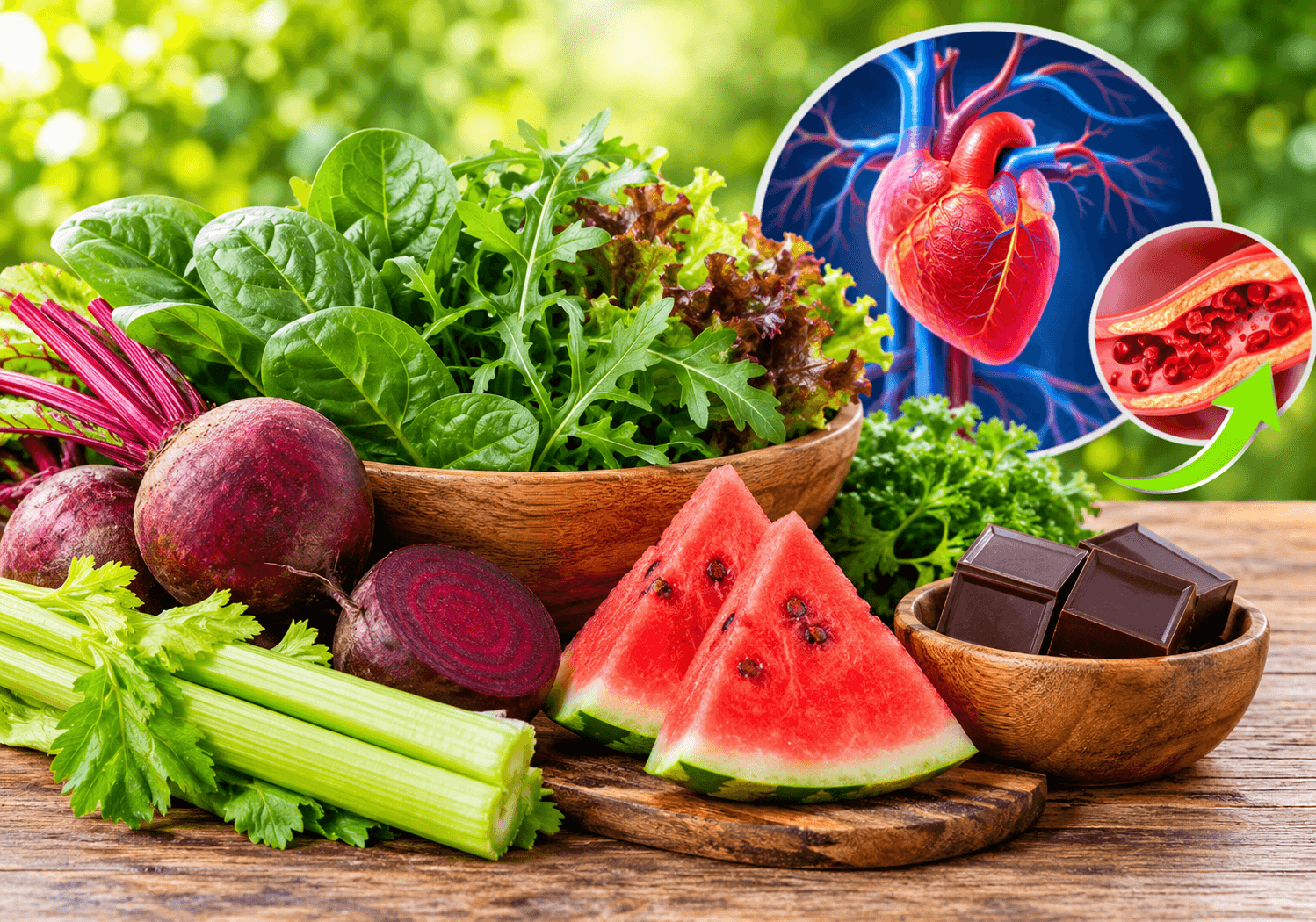
Your blood vessels make a small gas called nitric oxide that helps them relax and widen. Eating the right plants gives your body more raw material to make it. This guide covers the foods that increase nitric oxide for heart health, how much to eat, and what the research does and does not prove.
High blood pressure is a big reason this matters. The CDC reports that nearly half of U.S. adults have high blood pressure, and that it was a primary or contributing cause of 680,179 deaths in the United States in 2024. Food will not replace medical care, but it is one of the few daily habits you fully control. Always talk with your doctor before changing your plan, especially if you take blood pressure medicine. cdccdc
Quick Answer
The best foods that increase nitric oxide for heart health are nitrate-rich vegetables: beets, arugula, spinach, celery, lettuce and cress. Watermelon (citrulline) and cocoa (flavanols) help through other routes. Trials suggest these foods may modestly lower blood pressure, but they work best alongside exercise, sleep and medical care.
How Food Becomes Nitric Oxide (The Short Version)
Your body has two main ways to make nitric oxide. Understanding both explains why different foods make the list.
Route 1: The nitrate pathway. Vegetables take up nitrate from soil. Researchers note that dietary inorganic nitrate is present in large quantities in green leafy vegetables and beetroot, and that it can act as a source for nitric oxide. Bacteria in your mouth convert nitrate to nitrite, and your body then turns nitrite into nitric oxide. A review also notes that nitrate-rich vegetables can increase the endogenous NO level. nihnih
Route 2: The amino acid pathway. Your blood vessel lining uses the amino acid L-arginine to make nitric oxide. Your body can also convert L-citrulline, found in watermelon, into L-arginine.
A third helper: plant compounds. Cocoa flavanols appear to support the same blood vessel lining. We cover that below.
Why this matters for the heart: Researchers describe nitric oxide as a substrate for the ubiquitous gasotransmitter nitric oxide linked to effects on blood pressure and endothelial function. The endothelium is the thin lining inside your arteries. When it works well, blood flows easily. nih
How Much Nitrate Are We Talking About?
Vegetables vary a lot. A narrative review groups them like this:
| Nitrate level | Examples | Amount per 100 g fresh food |
| Very high | Celery, cress, lettuce, beetroot, spinach, arugula | More than 250 mg |
| High | Endive, leek, parsley, fennel, Chinese cabbage | About 100–250 mg |
| Low | Tomatoes, onions, peppers, green beans | Below roughly 25 mg |
The same review notes that a consumption of 400 g of various vegetables and fruits per day would provide about 157 mg NO3 per day. It also notes that the DASH eating pattern supplies about 160 mg of nitrate/day. Notice what that means: you do not need a special product. A normal produce-heavy day already puts you in that range. nihnih
Nitrate content also changes with soil, season and storage. Mature outer leaves tend to carry more than young inner leaves. Treat the table as a guide, not a lab report.
The 10 Best Foods That Increase Nitric Oxide for Heart Health
1. Beetroot (and Beet Juice)
Beets are the most studied food on this list. A meta-analysis of randomized trials found that systolic blood pressure fell by 3.55 mm Hg and diastolic by 1.32 mm Hg in the beetroot juice groups compared with controls. The drop was larger in longer studies and at higher doses. Studies of 14 days or longer showed a −5.11 mm Hg systolic difference, and the 500 mL/day dose showed −4.78 mm Hg. pubmedpubmed
People with high blood pressure may benefit too. A separate meta-analysis in adults with hypertension reported a systolic change of −4.95 mmHg, but not a significant change for diastolic pressure. frontiersin
How to use it:
- Roast or steam one medium beet (about 3–4 oz / 85–115 g) three to five days a week.
- Or drink 8 oz (250 mL) of plain beet juice a day. The trials above used anywhere from about 70 to 500 mL daily.
- Beet juice has natural sugar. Choose unsweetened juice, and check labels for added sugar.
Easier version: Add grated raw beet to a salad twice a week.
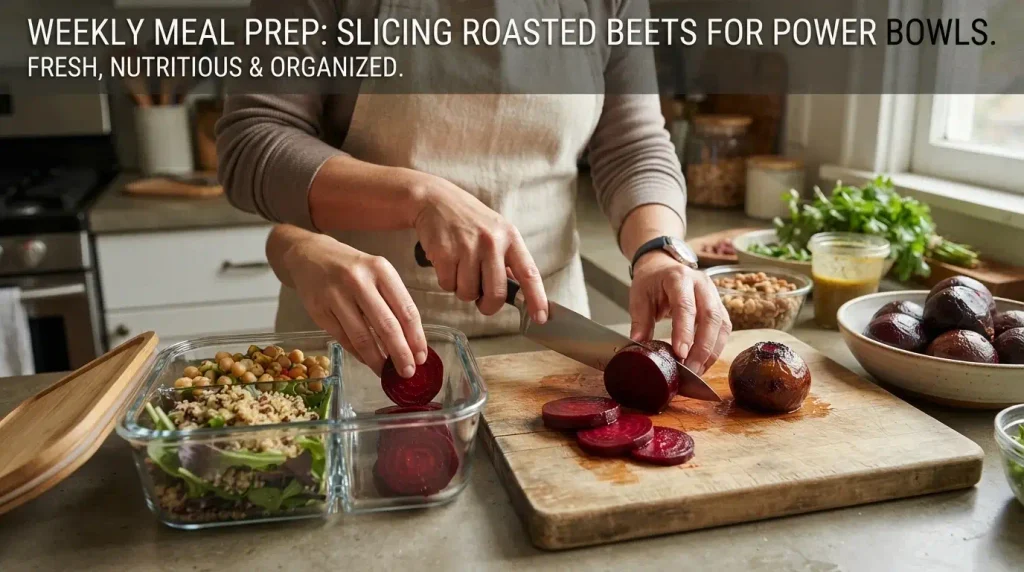
Harder version: Roast beets for meal prep every Sunday and eat them daily with arugula.
Coach’s Tip: Beets can turn urine or stool pink or red. It is harmless for most people, so do not panic when you see it.

2. Arugula (Rocket)
Arugula is a nitrate heavyweight. It sits in the very-high group in the review above. Its peppery bite also means a small handful adds real flavor.
Use 2 cups (about 40 g) as the base of a salad, or pile it on top of eggs, fish or a hot pizza right after baking. Raw leaves keep the most texture. Light wilting is fine too.
3. Spinach
Spinach is cheap, easy and in the very-high nitrate group. It is also a good source of potassium, a mineral tied to healthy blood pressure .
Try 2 cups (about 60 g) raw in a smoothie, or 1 cup cooked in soup, eggs or pasta. Rotating spinach with arugula keeps meals interesting.
Safety note: Spinach and beets are high in oxalate. If you have had kidney stones, ask your doctor which greens fit your plan .
4. Celery
Celery shows up in the very-high nitrate group too. It is crunchy, low in calories and works as a snack, a soup base or a salad filler.
Slice 2–3 stalks (about 6–8 inches / 15–20 cm each) into lunch salads. Or chop it into soups and stews. It is an easy way to add nitrate volume with little effort.
5. Lettuce (Especially Darker, Leafier Types)
Lettuce is also in the very-high group, which is a pleasant surprise for such a common food. Nitrate content changes by type and growing conditions, so rotate several varieties.
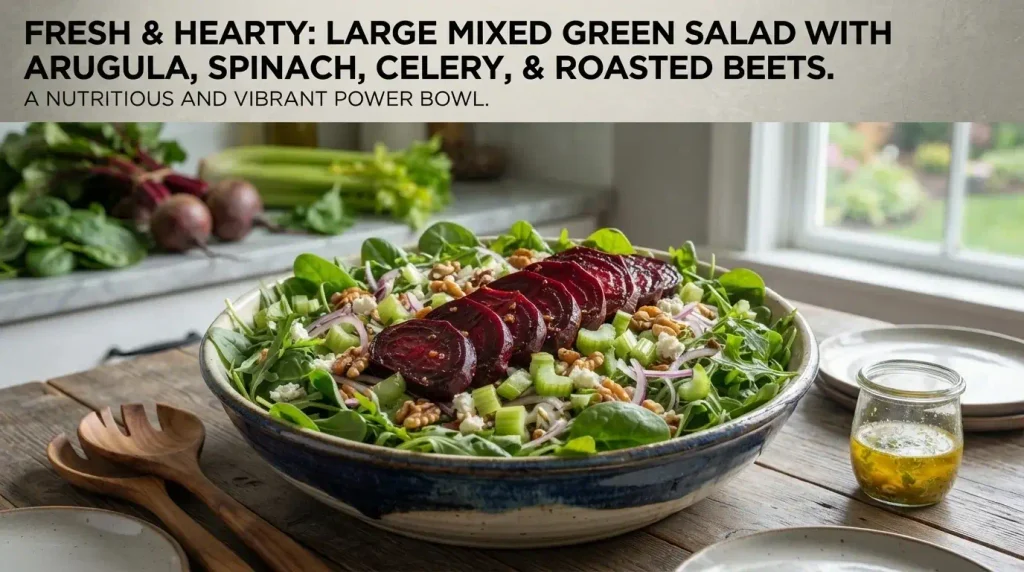
Build a big salad with 3 cups (about 100 g) of mixed lettuces. Use romaine, red leaf and butter lettuce. Add olive oil, lemon and a protein like beans or chicken.
6. Cress (Watercress and Garden Cress)
Cress is another very-high nitrate vegetable . It tastes peppery and fresh, similar to arugula.
Use a handful on sandwiches, eggs or soups. A little goes a long way for flavor.
7. Parsley, Leeks and Fennel
These sit in the “high” tier, with roughly 100–250 mg nitrate per 100 g. They add flavor to everyday meals without feeling like “diet food.”
- Stir chopped parsley (about ¼ cup / 15 g) into grains, salads or sauces.
- Slice leeks into soups or sheet-pan dinners.
- Shave raw fennel into a salad with orange and arugula.
8. Watermelon (The Citrulline Food)
Watermelon works differently. It is rich in L-citrulline, which can help raise L-arginine, the substrate your blood vessels use to make nitric oxide. A review notes that watermelon supplementation seems effective in increasing plasma L-arginine and improving vascular function. nih
The research is mixed, though. The same review says there are divergent findings, which may be explained by the L-citrulline dose in watermelon products. A meta-analysis found that longer-term L-citrulline supplementation and watermelon consumption may improve vascular function, while no postprandial effects were found. In plain terms, steady intake over weeks may matter more than a single slice. nihnih
How to use it: Eat 1–2 cups (about 150–300 g) of fresh watermelon cubes a few times a week in summer. The white part near the rind has citrulline too, so you can blend it into smoothies or pickle it .
Easier version: One cup of watermelon as an afternoon snack.
Harder version: Pair watermelon with arugula, feta and mint for a full salad.
9. Dark Chocolate and Cocoa
Cocoa is not a nitrate food. Its flavanols (a plant compound) may help blood vessels relax. A dose-response meta-analysis found that cocoa flavanols significantly improved flow-mediated dilation by 1.17%, with an optimal effect observed with 710 mg total flavanols. nihpubmed
The authors also flagged problems. There was substantial variation in the results, and significant risk-of-bias concerns with a large majority of the studies. So this is a “may help” food, not a proven therapy. nih
How to use it: Choose dark chocolate with 70% cocoa or higher, and keep the portion near 1 oz (28 g). Unsweetened cocoa powder in oatmeal or smoothies gives flavanols with little sugar. Flavanol content varies a lot by brand and processing .
Common Mistake: Treating a candy bar as a heart food. Milk chocolate and sweetened treats often have little cocoa and a lot of sugar. Read the label.
10. Chinese Cabbage and Endive
These also land in the high-nitrate group. Use napa cabbage in slaws and stir-fries. Use endive as crunchy “boats” for dips.
They round out the list, and they make it easier to eat a different green every day of the week.
Foods That Increase Nitric Oxide for Heart Health: What the Research Really Shows
Here is the honest summary. Small, well-controlled studies show that nitrate can lower blood pressure and improve blood vessel function. The research also has limits.
A review of translational research says that numerous small, well-controlled laboratory studies have reported beneficial effects of inorganic nitrate on blood pressure, endothelial function, cerebrovascular blood flow, cognitive function and exercise performance. The key word is “small.” Many trials last days or weeks, not years. nih
Also, we do not yet have trials proving that these foods prevent heart attacks. The blood pressure changes are modest, about 3 to 5 mm Hg in the trials above. That is meaningful at a population level, but it will not replace medicine for most people with hypertension.
Finally, beet juice may work through more than nitrate. The meta-analysis authors say their results highlight the potential NO3-independent effects of beetroot juice. Beets contain other plant compounds that may also matter. nih
Your Mouth Matters More Than You Think
This is the detail most articles skip. The nitrate pathway needs bacteria in your mouth to convert nitrate to nitrite. If you wipe them out, you can blunt the benefit.
In one trial of treated hypertensive adults, three days of antibacterial mouthwash use led to a 2.3 mm Hg higher systolic blood pressure. Another study concluded that the rise in plasma nitrite after a nitrate load depends on nitrate reduction by oral commensal bacteria. uwanih
What to do:
- Brush and floss daily. Good oral hygiene is still important.
- Ask your dentist whether you need an antibacterial rinse. If you do, avoid using it right after a nitrate-rich meal.
- Do not skip your dental care because of this section. Treat it as a reason to be thoughtful, not to stop cleaning your teeth.
Coach’s Tip: Chewing your greens well helps your teeth and tongue bacteria get to work. It sounds simple, but it is a free habit.
How to Build Foods That Increase Nitric Oxide for Heart Health Into Your Week
You do not need a complicated plan. Aim for one or two nitrate-rich vegetables at lunch and dinner, plus one “extra” like watermelon or cocoa.
| Meal | Example |
| Breakfast | Oatmeal with 1 tbsp unsweetened cocoa and berries; or eggs with a handful of spinach |
| Lunch | Big salad: lettuce, arugula, celery, roasted beets, chickpeas, olive oil and lemon |
| Snack | 1 cup watermelon cubes or celery with hummus |
| Dinner | Salmon with sautéed spinach and leeks; parsley-lemon grains |
| Treat | 1 oz (28 g) of 70%+ dark chocolate |
Easier version (beginner): Add one extra serving of greens to your normal dinner, five days a week.
Harder version (committed): Eat 2–3 cups (60–100 g) of mixed nitrate-rich greens at two meals daily, add beets three days a week, and track your blood pressure at home with your doctor’s guidance.
Food works best alongside movement. Regular walking, cycling or strength training supports heart health too, and you can read our practical guide to boosting energy and stamina naturally for simple ways to start. If caffeine is your crutch, our tips for improving daily energy without caffeine pair well with this eating style.
Do You Need a Supplement?
Food comes first. Whole foods give you fiber, potassium and other nutrients along with nitrate. If you are curious about the amino acid side, our explainer on L-arginine and blood flow covers what the evidence says. Supplements can interact with medicines, so check with your doctor first.
Are Nitrates in Vegetables Safe?
For most healthy adults, vegetable nitrate is considered part of a healthy diet. But the science has a few cautions, and honesty matters here.
A review on dietary nitrate notes there is a lingering concern about nitrate in relation to methemoglobinemia, cancer, and cardiovascular disease. The same research area also points out that nitrate from vegetables is generally seen differently from nitrite in processed meats. nih
Practical safety notes:
- Infants: Do not feed spinach or beet purees to very young babies without your pediatrician’s guidance. Methemoglobinemia is the concern here .
- Blood pressure medicine: Large amounts of beet juice may add to the effect of your medicine. Check with your doctor.
- Kidney stones: High-oxalate foods like spinach and beets may matter .
- Pregnancy, kidney disease or heart conditions: Ask your doctor before making big changes.
- Processed meats: Bacon, hot dogs and deli meats are not a “nitric oxide food.” Do not use this article as a reason to eat them.
Mistakes That Waste the Benefit
Common Mistake: Drinking one beet shot and expecting a miracle. The trial data points to regular intake over days and weeks, not a one-time fix.
Other errors to avoid:
- Boiling beets for a long time and throwing away the water. Nitrate dissolves into cooking water. Steam or roast instead, or use the cooking liquid in soup.
- Relying on juice alone. Whole vegetables add fiber and are easier on blood sugar.
- Ignoring the basics. Salt intake, sleep, stress, movement and medication still drive blood pressure. Our guide on which nutrients support energy metabolism helps you cover other food basics.
- Skipping your checkups. Home foods cannot catch problems early. Get your blood pressure measured.
Who Should Be Careful
Talk with your doctor or a registered dietitian first if you:
- Take blood pressure medicine, nitrates for chest pain, or medicines for erectile dysfunction
- Have kidney disease or a history of kidney stones
- Are pregnant, postpartum or breastfeeding
- Have diabetes and plan to drink beet juice (sugar content)
- Are an older adult with low blood pressure or frequent dizziness
Men who are exploring natural ways to support stamina and sexual wellness will also find our overview of how men improve stamina and sexual wellness naturally useful, but the same medical cautions apply.
A Simple 7-Day Starter Plan
| Day | Focus |
| Mon | Big arugula-spinach salad at lunch |
| Tue | Roasted beets with dinner |
| Wed | Celery and lettuce wraps; 1 cup watermelon (in season) |
| Thu | Cress or parsley in eggs; sautéed leeks |
| Fri | Spinach smoothie; 1 oz dark chocolate |
| Sat | Meal-prep beets and greens for the week |
| Sun | Napa cabbage slaw; walk 2 miles (3.2 km) with someone you like |
Notice that the plan is made of ordinary groceries. Consistency beats perfection.
Frequently Asked Questions
What foods increase nitric oxide the most?
Nitrate-rich vegetables lead the list: beets, arugula, spinach, celery, lettuce and cress. Reviews place these in the very-high nitrate group, above 250 mg per 100 g. Watermelon and cocoa help through different routes, citrulline and flavanols.
Does beetroot juice lower blood pressure?
Trials suggest it may modestly lower it. One meta-analysis found about a 3.55 mm Hg systolic drop on average. Results vary by dose and duration. Beet juice is not a replacement for medicine, so talk with your doctor.
Is watermelon good for nitric oxide?
It may help. Watermelon contains citrulline, which the body can convert to arginine, a building block for nitric oxide. Trial results are mixed and appear linked to dose. It is a reasonable addition, not a cure.
Does dark chocolate help blood vessels?
Cocoa flavanols may improve blood vessel dilation slightly, according to a meta-analysis. The studies had risk-of-bias concerns. Choose 70% or higher cocoa, keep the portion near 1 oz (28 g), and watch the added sugar.
Does mouthwash affect nitric oxide?
Antibacterial mouthwash may blunt the nitrate pathway by reducing oral bacteria. One small trial found slightly higher systolic pressure after three days of use in treated hypertensive adults. Ask your dentist before changing your routine.
Can you get enough nitric oxide from food alone?
Your body makes nitric oxide on its own, and food can supply raw material. Most healthy people do not need supplements. A diet rich in vegetables, plus exercise, sleep and medical care, is the foundation.
Conclusion
The foods that increase nitric oxide for heart health are mostly plain, affordable plants. Beets, arugula, spinach, celery, lettuce and cress give you nitrate. Watermelon gives you citrulline. Dark chocolate brings flavanols. None of them is magic, but together they fit a pattern that supports healthy blood vessels.
Start small: add one nitrate-rich green to two meals a day this week. Protect your mouth bacteria, keep up your movement habit and check your blood pressure regularly. Then build from there.