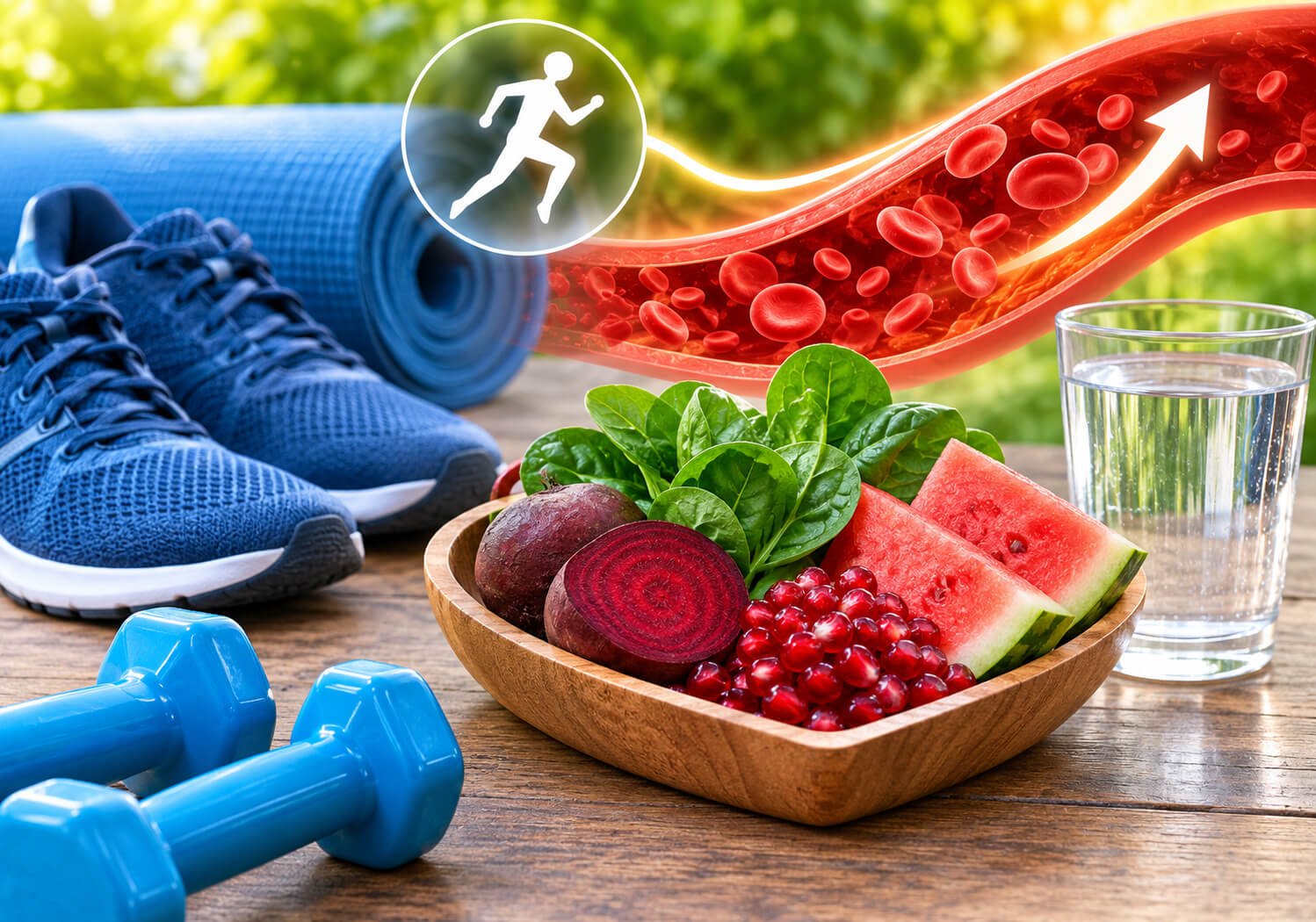
Improving your sexual health does not always require a trip to the pharmacy. In fact, some of the most effective, non-prescription ways to improve sexual stamina and blood flow are rooted in daily movement, nutrition, and recovery. As a strength and conditioning coach, I see firsthand how cardiovascular fitness, pelvic floor strength, and smart lifestyle choices directly translate to better vascular health and endurance in the bedroom.
Sexual stamina and healthy blood flow are fundamentally linked to your overall cardiovascular system. When your heart pumps efficiently and your blood vessels remain flexible, oxygen and nutrients deliver seamlessly to every part of your body, including the pelvic region. By adopting targeted exercises, dietary adjustments, and stress-reduction techniques, you can naturally enhance your vascular function and physical endurance. This guide breaks down the science-backed, practical steps you can take today to build a stronger, more resilient body.
Quick Answer
The most effective non-prescription ways to improve sexual stamina and blood flow include regular cardiovascular exercise, targeted pelvic floor training (Kegels), strength training, and consuming nitric oxide-boosting foods like beets and leafy greens. Managing stress, staying hydrated, and prioritizing 7 to 9 hours of quality sleep also play critical roles in maintaining optimal vascular health and endurance.
The Science of Blood Flow and Stamina
To understand how to improve your stamina, you must first understand how blood flow works. The inner lining of your blood vessels, called the endothelium, produces a molecule called nitric oxide. Nitric oxide acts as a vasodilator, meaning it relaxes and widens blood vessels, allowing for increased blood flow.
According to the American Heart Association, regular physical activity is one of the most potent natural stimulators of nitric oxide production. When you engage in aerobic exercise or resistance training, the increased shear stress on your blood vessel walls signals the endothelium to release more nitric oxide. Over time, this improves endothelial function, making your blood vessels more efficient at dilating when needed.
Furthermore, sexual stamina is not just about blood flow; it is about muscular endurance and nervous system regulation. The pelvic floor muscles support the bladder, bowel, and sexual organs. Strengthening these muscles improves control and endurance. Simultaneously, managing cortisol (the stress hormone) prevents the vasoconstriction (narrowing of blood vessels) that chronic stress causes. By addressing both the mechanical and chemical aspects of circulation, you create a foundation for lasting sexual wellness.
Top Non-Prescription Ways to Improve Sexual Stamina and Blood Flow
Here are the most effective, evidence-based methods to naturally enhance your circulation and endurance.
1. Cardiovascular Exercise for Vascular Health
Aerobic exercise is the gold standard for improving circulation. Activities like brisk walking, jogging, cycling, or swimming force your heart to pump more blood, training your vascular system to operate efficiently.
- How to do it: Aim for at least 150 minutes of moderate-intensity aerobic activity per week, as recommended by the CDC physical activity guidelines.
- Coach’s Cue: Keep your heart rate at a level where you can still hold a conversation, but you are definitely working.
- Progression: If you can already walk 2 miles (3.2 km) comfortably, try alternating 1 minute of jogging with 2 minutes of walking for a total of 20 minutes.
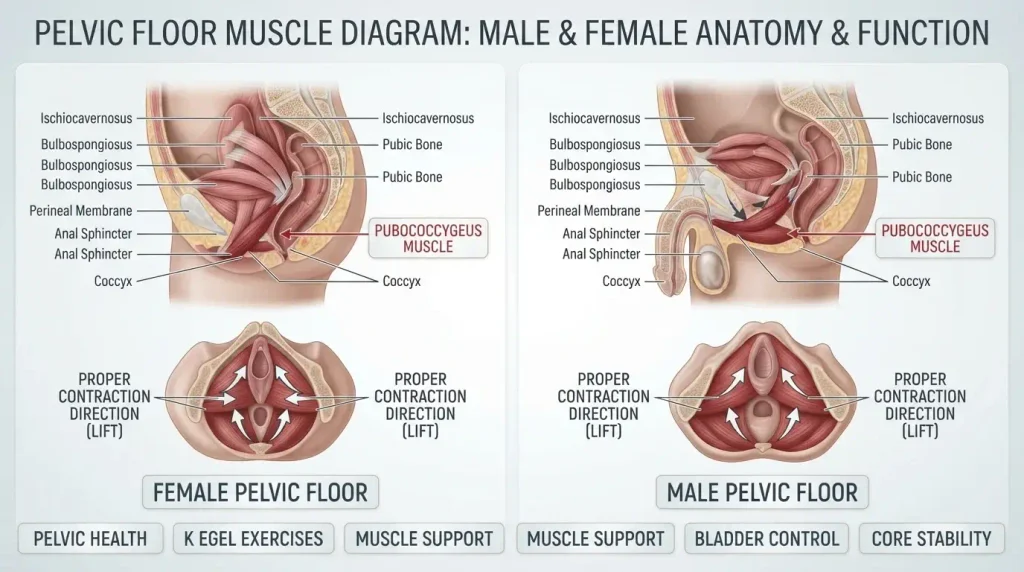
2. Pelvic Floor Exercises (Kegels)
The pelvic floor muscles, specifically the pubococcygeus (PC) muscle, play a direct role in sexual function and blood flow to the genital region. Strengthening these muscles improves erectile quality in men and arousal and orgasmic control in women.
- How to do it: Identify the muscles by imagining you are trying to stop the flow of urine mid-stream. Once identified, contract these muscles for 3 to 5 seconds, then relax for 3 to 5 seconds.
- Sets and Reps: Perform 3 sets of 10 to 15 repetitions daily.
- Coach’s Tip: You can do Kegels anywhere—sitting at your desk, driving, or watching TV. Consistency matters more than intensity.
- Common Mistake: Holding your breath or squeezing your glutes and thighs instead of isolating the pelvic floor. Keep your breathing steady and your lower body relaxed.
3. Compound Strength Training
Lifting weights does more than build visible muscle; it triggers hormonal responses that support vascular health and stamina. Compound movements like squats, deadlifts, and lunges engage the largest muscle groups in your body, including the glutes, hamstrings, and core, which are all critical for pelvic stability and blood circulation.
- How to do it (Bodyweight Squat): Stand with feet shoulder-width apart. Push your hips back as if sitting in a chair, keeping your chest up. Lower until your thighs are parallel to the floor, then drive through your heels to stand.
- Sets and Reps: 3 sets of 12 to 15 repetitions. Rest for 60 seconds between sets.
- Progression: Hold a dumbbell weighing 20 lb (9 kg) at your chest (goblet squat) to increase resistance and core engagement.
4. High-Intensity Interval Training (HIIT)
HIIT involves short bursts of intense effort followed by brief recovery periods. This type of training is highly effective at improving mitochondrial function (the energy powerhouses of your cells) and enhancing the elasticity of your blood vessels.
- How to do it: After a 5-minute warm-up, sprint or cycle at maximum effort for 30 seconds. Follow this with 90 seconds of slow, active recovery. Repeat this cycle 6 to 8 times.
- Frequency: 1 to 2 times per week is sufficient. HIIT is demanding, so allow at least 48 hours of recovery between sessions.
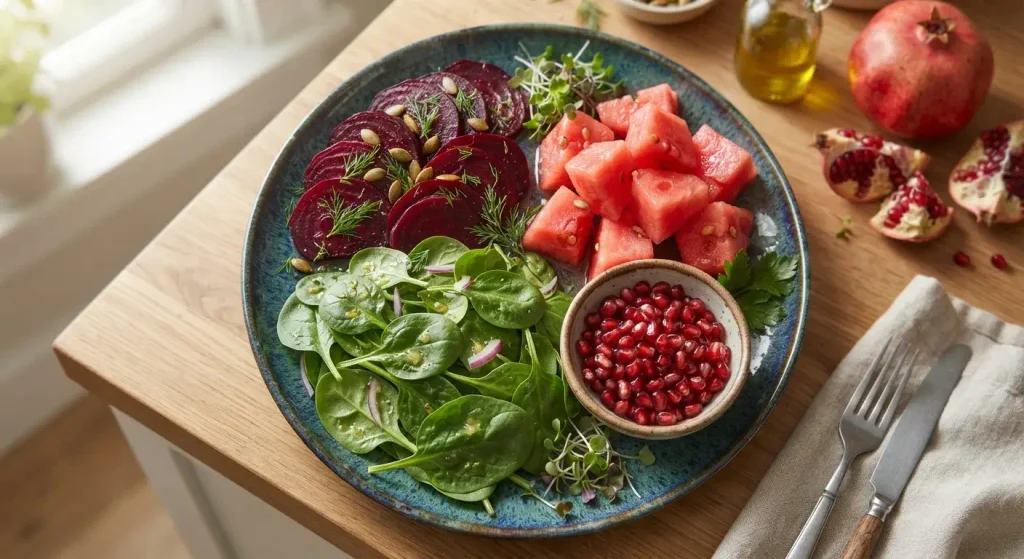
5. Nitric Oxide-Boosting Nutrition
What you eat directly impacts your blood vessel health. Certain foods are rich in dietary nitrates and amino acids that the body converts into nitric oxide.
- Top Foods: Beets, spinach, arugula, watermelon, and pomegranate.
- Key Nutrients: L-citrulline and L-arginine are amino acids that support nitric oxide synthesis. Research published in the Journal of Nutrition highlights that dietary nitrate from vegetables significantly improves endothelial function and lowers blood pressure.
- Practical Step: Add a handful of fresh spinach to your morning smoothie or drink 8 ounces of beet juice a few hours before physical activity.
6. Stress Management and Cortisol Control
Chronic stress keeps your body in a “fight or flight” state, flooding your system with cortisol and adrenaline. These hormones cause blood vessels to constrict, directly opposing the vasodilation needed for healthy blood flow. Learning to manage stress is a powerful non-prescription way to improve sexual stamina and blood flow.
- How to do it: Practice box breathing. Inhale for 4 seconds, hold for 4 seconds, exhale for 4 seconds, and hold empty for 4 seconds. Repeat for 5 minutes daily.
- Why it works: This activates the parasympathetic nervous system, lowering heart rate and encouraging blood vessels to relax and open up.
7. Optimized Sleep Hygiene
Sleep is when your body repairs blood vessels and regulates hormones, including testosterone, which is vital for libido and stamina in both men and women. Poor sleep is strongly linked to vascular dysfunction.
- The Goal: Aim for 7 to 9 hours of uninterrupted sleep per night.
- Actionable Step: Keep your bedroom cool (around 65°F or 18°C), dark, and free of screens for at least one hour before bed. If you struggle with sleep, exploring how stress and poor sleep lower male libido can provide further context on why rest is non-negotiable for sexual health.
8. Strategic Hydration
Blood is roughly 55% plasma, which is mostly water. When you are dehydrated, your blood volume decreases, making it thicker and harder for your heart to pump. This reduces overall circulation, including to the pelvic region.
- How to do it: Drink at least half your body weight in ounces of water daily. For example, a 160 lb (72 kg) person should aim for at least 80 ounces (about 2.4 liters) of water per day, more if exercising.
- Coach’s Tip: Check your urine color. It should be a pale, straw-like yellow. Dark yellow indicates dehydration.
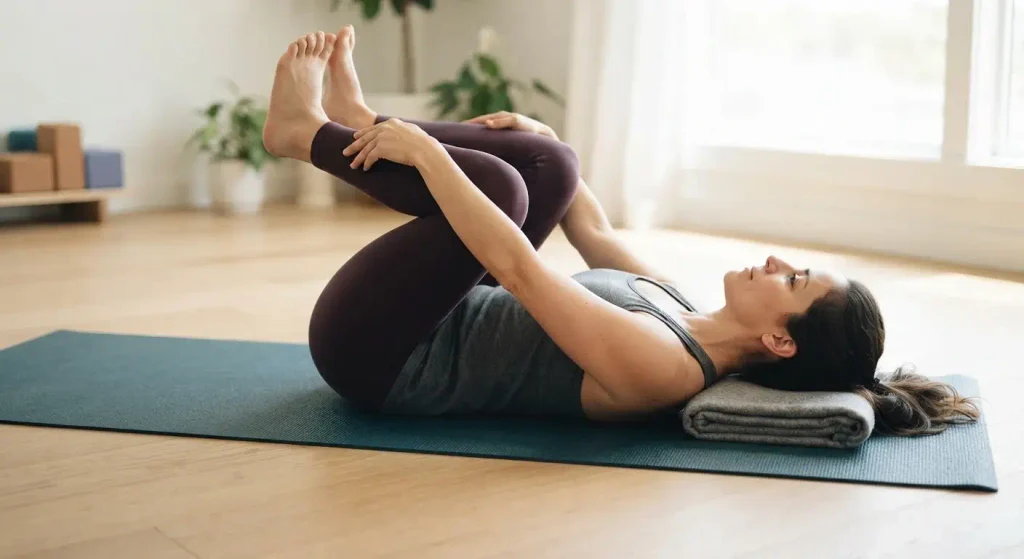
9. Targeted Stretching and Hip Mobility
Tight hips and a rigid lower back can restrict blood flow to the pelvic region and limit your physical endurance during sexual activity. Incorporating mobility work ensures your muscles and fascia remain pliable, supporting healthy circulation.
- How to do it (Happy Baby Pose): Lie on your back. Bring your knees toward your armpits and grab the outside edges of your feet. Gently pull your knees down while keeping your lower back pressed into the floor.
- Duration: Hold for 30 to 60 seconds, breathing deeply into your belly. Repeat 2 to 3 times.
10. Limiting Vasoconstrictors
To improve blood flow, you must also remove the things that actively harm it. Smoking and excessive alcohol consumption are two of the most significant lifestyle factors that damage the endothelium and restrict blood vessels.
- The Impact: Nicotine causes immediate and prolonged vasoconstriction, while heavy alcohol use can lead to high blood pressure and nerve damage over time.
- Actionable Step: If you smoke, seek resources to quit. Limit alcohol to no more than one to two standard drinks per day, and aim for several alcohol-free days each week to allow your vascular system to recover.
How to Put These Methods Into a Weekly Routine
Knowing what to do is only half the battle; consistency is what delivers results. Below is a sample weekly schedule that integrates these non-prescription ways to improve sexual stamina and blood flow without overwhelming your daily life.
| Day | Activity | Duration | Focus Area |
| Monday | Moderate Cardio (Brisk Walk or Cycle) | 30 minutes | Cardiovascular health & nitric oxide production |
| Tuesday | Strength Training (Squats, Lunges, Core) + Kegels | 40 minutes | Pelvic stability, hormonal support, & muscle endurance |
| Wednesday | Active Recovery (Yoga, Stretching, Hip Mobility) | 20 minutes | Blood flow to pelvic region & stress reduction |
| Thursday | HIIT Session (Sprints or Rowing) + Kegels | 25 minutes | Vascular elasticity & mitochondrial efficiency |
| Friday | Moderate Cardio (Swimming or Jogging) | 30 minutes | Endurance building & circulation |
| Saturday | Full Body Strength + Mobility Flow | 45 minutes | Overall functional strength & flexibility |
| Sunday | Rest, Meal Prep (Nitrate-rich foods), Sleep Focus | All day | Recovery, hydration, & nervous system reset |
Note: Perform your Kegel exercises daily, ideally splitting them into a morning and evening session of 3 sets of 10 reps. This takes less than 5 minutes total.
If you are looking for more structured guidance on natural wellness, learning how to increase energy and stamina naturally can help you build a sustainable routine that supports your long-term goals. Additionally, understanding how to improve stamina and sexual wellness naturally provides a deeper dive into holistic lifestyle adjustments.
While these non-prescription methods are highly effective and generally safe, certain individuals should proceed with caution.
If you have a history of cardiovascular disease, high blood pressure, or pelvic pain, consult a physician or a physical therapist before starting a new exercise regimen. Heavy lifting or intense HIIT can temporarily spike blood pressure, which may not be safe for everyone.
Furthermore, if you experience pain during pelvic floor exercises, you may have a hypertonic (overly tight) pelvic floor. In this case, strengthening exercises like Kegels can make the problem worse. You would benefit more from pelvic floor relaxation techniques and guidance from a specialized pelvic health physical therapist.
Always listen to your body. Mild muscle soreness after a new workout is normal, but sharp pain, dizziness, or chest discomfort is a signal to stop immediately and seek medical advice. This article is for general information and is not a substitute for advice from a doctor or physical therapist.
Frequently Asked Questions (FAQ)
- What are the best non-prescription ways to improve sexual stamina and blood flow?
The most effective methods include regular cardiovascular exercise, pelvic floor training (Kegels), strength training, eating nitric oxide-boosting foods (like beets and leafy greens), staying hydrated, and managing stress through adequate sleep and relaxation techniques.
- How long does it take to see improvements in blood flow from exercise?
Research suggests that noticeable improvements in endothelial function and blood flow can occur within 4 to 8 weeks of consistent aerobic exercise. However, some benefits, like reduced resting heart rate, can be felt in as little as two weeks.
- Can pelvic floor exercises really improve sexual stamina?
Yes. Strengthening the pubococcygeus (PC) muscle improves blood flow to the genital region and enhances muscular control. This can lead to better erectile quality in men and improved arousal and orgasmic control in women.
- Do specific vitamins or minerals support natural blood flow?
Yes. Nutrients like L-arginine, L-citrulline, and zinc play vital roles in nitric oxide production and hormonal balance. For more details, you can read about how zinc supports healthy testosterone levels and overall vascular health.
- How does stress affect sexual stamina and circulation?
Chronic stress elevates cortisol and adrenaline, which cause blood vessels to constrict (narrow). This reduces blood flow to non-essential areas, including the reproductive organs, directly impacting stamina and performance.
- Is it safe to do Kegels every day?
Yes, daily Kegel exercises are safe and recommended for most people. The key is proper form. Avoid holding your breath or squeezing your glutes. If you feel pelvic pain, stop and consult a pelvic floor physical therapist.
Conclusion
Taking control of your sexual health does not require relying solely on pharmaceuticals. By focusing on foundational health pillars, you can unlock powerful, non-prescription ways to improve sexual stamina and blood flow. Regular cardiovascular exercise, targeted pelvic floor training, and compound strength movements build a resAilient vascular system. Pair these physical efforts with nitric oxide-boosting nutrition, strategic hydration, and stress management, and you create an environment where your body can thrive.
Start small. Pick one or two habits from this guide, such as adding a daily 20-minute walk and practicing Kegel exercises, and build from there. Your heart, your blood vessels, and your overall vitality will thank you. Remember, consistency is the ultimate key to lasting results.