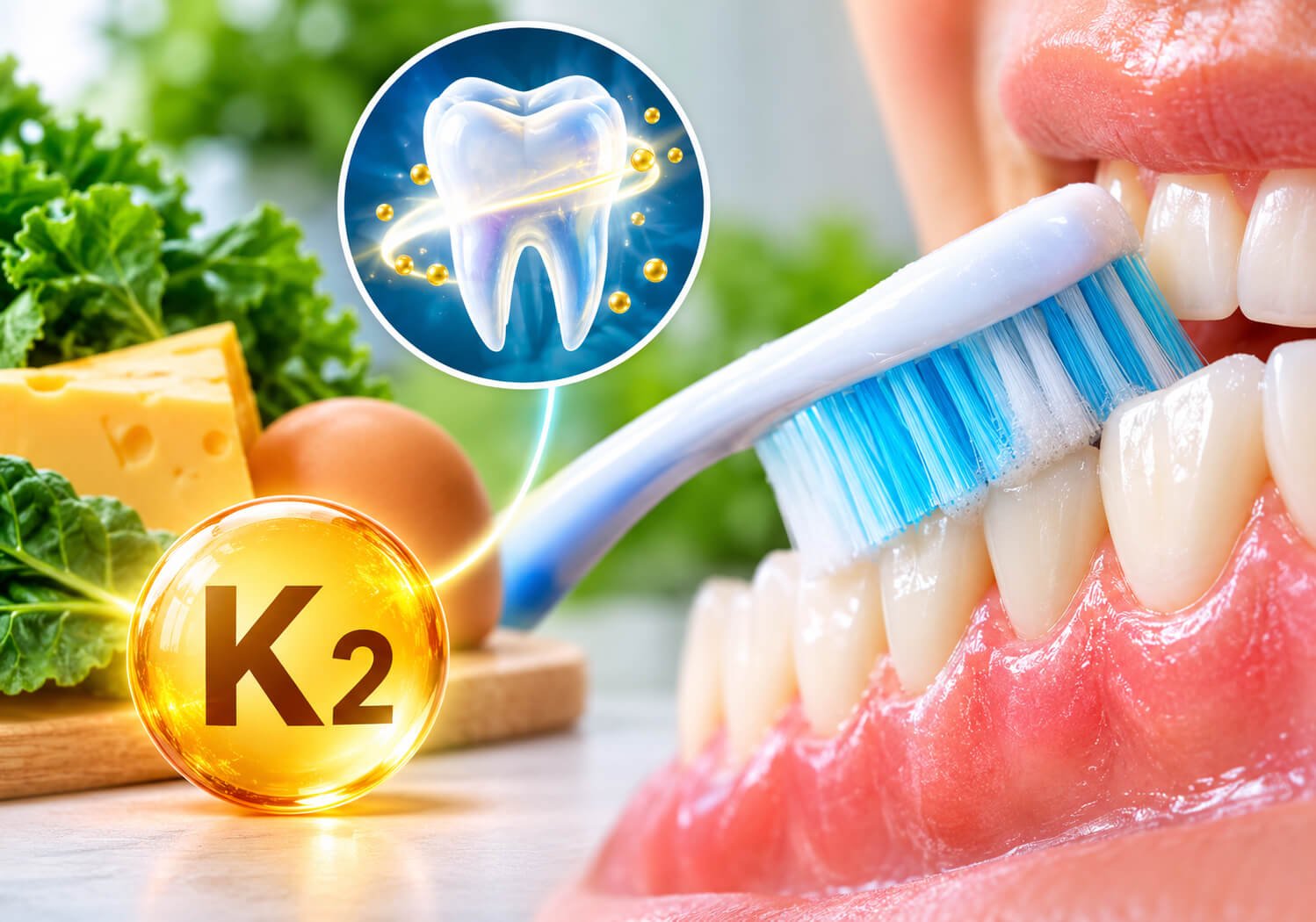
Vitamin K2 is often discussed alongside calcium and vitamin D for bone health. That has led to a wider question: what is the role of vitamin K2 in dental and gum health? The short answer is that vitamin K is involved in proteins that help regulate calcium, but direct evidence that K2 supplements prevent cavities, rebuild enamel, or treat gum disease remains limited.
That distinction matters. A plausible biological explanation is not the same as proof that a supplement improves oral health in people. Below, we’ll explain what vitamin K2 does, what research can and cannot tell us, and which proven steps matter more for protecting teeth and gums.
Quick Answer: Vitamin K2 helps activate proteins involved in calcium regulation, and that biology may be relevant to teeth and the jaw. But there is not enough strong human evidence to say K2 supplements prevent cavities, rebuild enamel, or treat gum disease. Prioritize fluoride toothpaste, daily cleaning between teeth, a tooth-friendly diet, and regular dental care; ask a clinician before taking K2 if you use warfarin.
What Vitamin K2 Does
Vitamin K is a group of fat-soluble vitamins. Vitamin K1, or phylloquinone, is found mainly in leafy green vegetables, while vitamin K2 refers to several menaquinones found in some fermented foods and animal products. The body also has a role for vitamin K in making certain proteins work properly through a process called carboxylation, as described by the NIH Office of Dietary Supplements.
Two vitamin K-dependent proteins often appear in discussions about bones and teeth:
- Osteocalcin is involved in bone biology and is present in mineralized tissues. Its role in tooth development and oral tissues is an area of research, not proof that taking K2 strengthens adult teeth.
- Matrix Gla protein (MGP) helps regulate mineralization in tissues. Researchers study it in several parts of the body, but its activity does not establish that a supplement will deliver more calcium to teeth or gums.
Vitamin K2 forms include MK-4 and MK-7. They differ in their sources and how long they remain in circulation, but that difference alone does not show that one form is better for dental outcomes. The body’s vitamin K status, diet, health conditions, and medications all matter.
Why calcium regulation is not a dental result
Teeth and bones are both mineralized, but they are not interchangeable tissues. Tooth enamel is highly mineralized and does not repair itself in the same way living bone can remodel. Dentin and the tissues surrounding a tooth also have different structures and functions.
So, even if a nutrient influences a protein involved in mineralized tissue, that does not demonstrate that it can rebuild damaged enamel. Tooth decay involves a local process in which mouth bacteria produce acids that remove minerals from enamel. Whether early mineral loss can be arrested depends on factors such as fluoride exposure, saliva, diet, and the extent of the damage—not simply on vitamin K intake.
The Role of Vitamin K2 in Dental and Gum Health
The proposed role of vitamin K2 in dental and gum health is mostly indirect. Vitamin K supports the activation of proteins involved in calcium-related processes, and researchers have investigated how these pathways relate to bone and oral tissues. However, evidence for biological involvement is not the same as evidence that K2 supplements improve a person’s teeth or gums.
A review of vitamin K and oral health research indexed in PubMed can help readers explore the topic, but the overall evidence base is not strong enough to recommend K2 as a dental treatment. The available research does not establish that K2 prevents cavities, reverses established decay, or treats gingivitis or periodontitis.
What research may suggest
Some research asks whether vitamin K status, diet, or vitamin K-dependent proteins are associated with bone and oral health. These questions can help scientists understand how nutrients interact with tissues. But an association does not prove that low K2 caused an oral problem, or that supplements will prevent or fix it.
Evidence becomes more useful for treatment decisions when well-designed human trials test a specific supplement and dose against meaningful outcomes. For dental health, those outcomes might include fewer new cavities, less gum bleeding, slower periodontal bone loss, or improved tooth survival. At present, there is not enough high-quality evidence to claim K2 reliably produces those benefits.
What research does not prove
The following claims go beyond what current evidence supports:
- That K2 supplements rebuild enamel or reverse cavities.
- That K2 alone prevents gum disease or treats periodontal infection.
- That taking K2 directs calcium into teeth.
- That a particular K2 form or dose is proven to improve dental outcomes.
- That combining vitamins D3 and K2 replaces fluoride, brushing, or dental treatment.
If you see these claims in supplement marketing, look for human clinical trials that measured dental outcomes—not just lab findings, animal studies, or changes in a blood marker.
Does Vitamin K2 Strengthen Teeth?
It has not been established that vitamin K2 supplements strengthen adult teeth. The idea is based partly on the roles of vitamin K-dependent proteins in mineralized tissues, but that does not demonstrate that taking K2 increases enamel strength or prevents decay.
Enamel can lose minerals when acids are present, and early mineral loss may sometimes be managed with preventive dental care. A dentist can assess whether a spot is an early lesion or a cavity that needs treatment. Once decay has formed a cavity, it generally cannot be repaired by a vitamin supplement.
There is also a difference between supporting normal nutrition and treating a dental condition. Eating a balanced diet that includes vitamin K sources can contribute to overall nutrient intake. It should not be presented as a substitute for a dental exam or a treatment plan.
Is Vitamin K2 Good for Gum Health?
There is not enough direct evidence to recommend K2 as a way to prevent or treat gum disease. Gum health depends on many factors, including plaque buildup, smoking, diabetes, oral hygiene, access to dental care, and individual risk. A supplement cannot remove dental plaque or treat a periodontal infection.
Gingivitis—the early stage of gum inflammation—may cause red, swollen, or bleeding gums. Periodontitis is more serious and can damage the tissues and bone supporting teeth. A dentist or hygienist can determine what is happening and recommend care; persistent bleeding or swelling should not be managed with supplements alone.
If you have gum symptoms, gentle daily brushing and cleaning between teeth are useful habits, but they do not replace professional assessment when symptoms continue. The National Institute of Dental and Craniofacial Research explains gum disease, its signs, and why treatment matters.

Vitamin K2, Vitamin D, and Calcium
Vitamin D helps the body absorb calcium, and vitamin K is involved in activating several proteins. This has prompted interest in taking vitamin D3 and K2 together. Yet the fact that two nutrients take part in related biological pathways does not prove that the combination improves teeth or gums.
Calcium is important to the body, but taking extra calcium does not automatically strengthen enamel. Tooth surfaces are exposed to the mouth environment, and preventing decay relies on measures that reduce acid damage and support remineralization. The National Institute of Dental and Craniofacial Research’s overview of tooth decay describes how decay develops and why prevention matters.
Before adding supplements, consider whether you have a diagnosed deficiency, a dietary concern, or a medical reason for supplementation. A healthcare professional can help interpret your diet, health history, and medications. Avoid using high-dose combinations based on online claims about “moving calcium” into teeth.
Foods That Contain Vitamin K2
Vitamin K2 occurs in some fermented foods and animal-derived foods. Amounts vary by food, how it is made, and serving size, so it is difficult to infer an individual’s vitamin K status from a short food list.
Examples that may contain vitamin K2 include:
- Natto, a fermented soybean food, which can be rich in the MK-7 form.
- Some cheeses and other fermented dairy foods.
- Egg yolks and certain meat or liver products.
Vitamin K1 is more common in leafy greens such as spinach, kale, and broccoli. The body’s ability to use different forms and the amount in a particular food can vary. The NIH vitamin K fact sheet provides more detail on forms, food sources, and intake.
A varied diet is a sensible way to meet general nutrition needs, but eating K2-rich foods is not a proven method to prevent cavities. For that purpose, established dental prevention remains more relevant.
Practical Steps That Protect Teeth and Gums
If your goal is a healthier mouth, focus first on actions with clearer dental value. The American Dental Association’s guidance on brushing recommends brushing twice daily with fluoride toothpaste. The ADA also advises cleaning between teeth daily, because a toothbrush alone may not reach those spaces.
A practical daily routine can look like this:
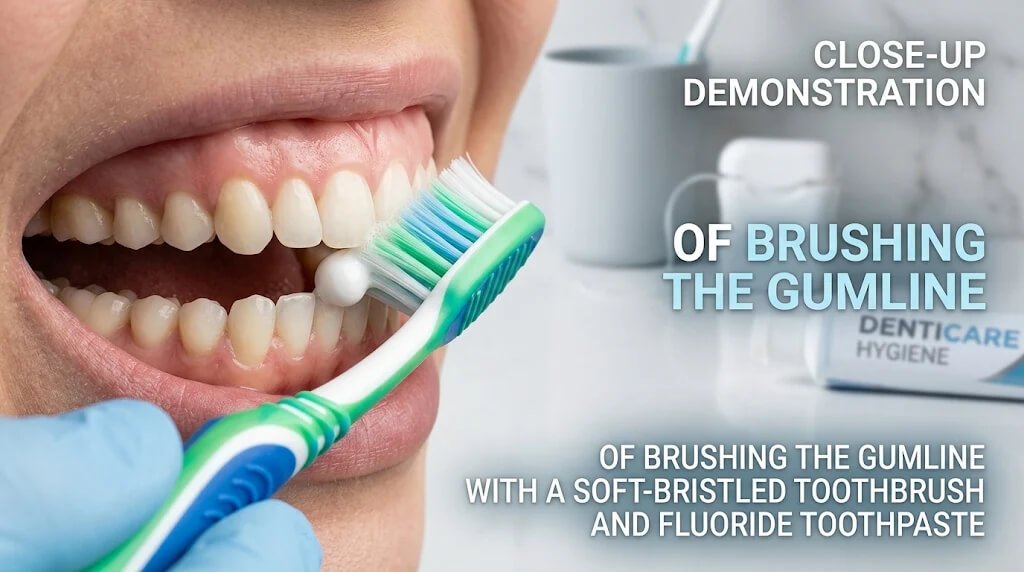
- Brush twice a day. Use a soft-bristled brush and fluoride toothpaste. Brush gently along the gumline and cover every tooth surface.
- Clean between teeth once a day. Use floss or another interdental cleaner that fits your teeth and that you can use consistently.
- Limit frequent sugary or acidic exposures. The number and timing of exposures matter because repeated acid attacks can give teeth less time to recover.
- Drink water regularly. Water helps rinse the mouth and is preferable to sipping sugary drinks throughout the day.
- Arrange regular dental care. A dental professional can spot early problems and tailor preventive care to your needs.
- Ask about fluoride or other preventive options. Risk varies; your dentist can advise whether a stronger fluoride product or another measure is appropriate.
Coach’s Tip
Treat supplement claims like training claims: ask what outcome was actually measured. A study showing a change in a nutrient-related protein does not prove fewer cavities or healthier gums. For oral health, judge a claim by whether human research measured dental outcomes and whether dental professionals recommend the approach.
Common Mistake
Using a supplement to delay dental care. Bleeding gums, a persistent toothache, facial swelling, or sensitivity that does not settle can have causes that need a dentist’s attention. K2 is not a substitute for examining or treating a dental problem.
Should You Take a Vitamin K2 Supplement for Your Teeth?
For most people, current evidence does not justify taking K2 specifically to prevent cavities or treat gum problems. A supplement might be appropriate for a separate nutritional or medical reason, but that decision should account for your health history, other supplements, and medications.
Vitamin K can interact with warfarin, a blood-thinning medicine. Changes in vitamin K intake can affect how warfarin works, so people taking it should not start, stop, or substantially change vitamin K supplements or foods without guidance from their prescriber. The NIH Office of Dietary Supplements discusses this interaction and other safety considerations.
If a clinician recommends a supplement, ask:
- What is the reason for taking it?
- What form and dose are appropriate for that reason?
- How long should I use it before reviewing the plan?
- Could it interact with medicines or other supplements?
- Is there evidence for the dental outcome I care about?
For questions about a specific dental concern, a dentist is usually the right first stop. For nutrient deficiencies, medication interactions, or broader medical questions, consult your physician or pharmacist as well.
When to See a Dentist
Seek dental advice if you have ongoing tooth pain, a broken tooth, visible holes or dark spots, persistent sensitivity, swollen gums, or bleeding that does not improve with gentle daily cleaning. These signs do not identify one cause on their own, but a dental professional can examine them and discuss next steps.
Facial swelling, fever with dental pain, or trouble swallowing or breathing requires prompt medical attention. Do not wait to see whether a supplement helps.
Frequently Asked Questions
Does vitamin K2 help strengthen teeth?
There is not enough evidence to say that K2 supplements strengthen adult teeth. Vitamin K participates in proteins involved in mineralized tissues, but that biology does not prove a dental benefit. Use fluoride toothpaste and regular dental care to help prevent decay, and ask a dentist about any concern with enamel or sensitivity.
Can vitamin K2 reverse tooth decay?
No reliable evidence shows that K2 reverses tooth decay. A dentist can distinguish early mineral loss from a cavity that may need treatment. Supplements should not delay an exam, especially if you have pain, a visible hole, or lingering sensitivity.
Is vitamin K2 good for gum health?
Vitamin K2 has not been proven to prevent or treat gum disease. Plaque control and professional care are central to managing gum health. If your gums bleed often, look swollen, or feel tender, arrange a dental assessment rather than relying on supplements.
Does vitamin K2 help remineralize enamel?
It has not been shown that taking K2 remineralizes enamel. Early mineral loss is a dental issue that can sometimes be managed with preventive measures, including fluoride, depending on the case. A dentist can recommend the right approach after examining the tooth.
How does vitamin K2 work with vitamin D3?
Vitamin D supports calcium absorption, while vitamin K is needed to activate certain proteins. These roles have led to interest in taking the two together, but they do not prove that the combination improves teeth or gums. Ask a clinician before supplementing, especially if you take medication such as warfarin.
What foods contain vitamin K2?
Some fermented foods, including natto and certain cheeses, contain vitamin K2; amounts vary. Eggs and some animal products may also contribute. Leafy greens are better known for vitamin K1. Food sources support general nutrition, but they are not a proven treatment for tooth decay or gum disease.
Conclusion
The role of vitamin K2 in dental and gum health is biologically interesting, but direct evidence for using K2 supplements to strengthen teeth, prevent cavities, or treat gum disease remains insufficient. The most useful takeaway is to separate a possible nutrient pathway from a proven oral-health benefit.
For everyday protection, brush twice daily with fluoride toothpaste, clean between teeth, limit frequent sugary drinks and snacks, and keep up with dental visits. If you are considering K2 because of a medical need—or take warfarin—check with a healthcare professional before changing your intake.