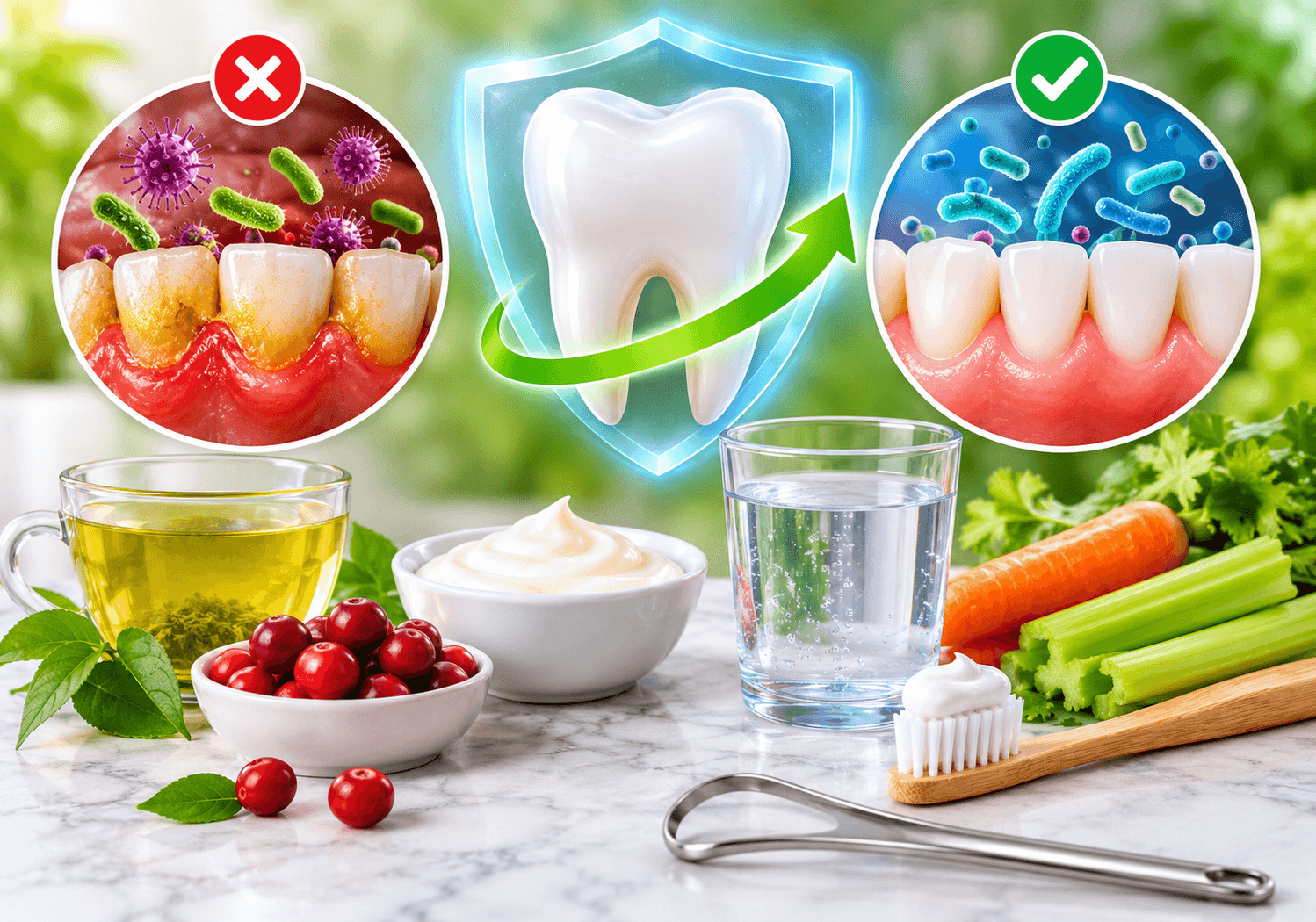
Your mouth is home to billions of bacteria, forming a complex ecosystem known as the oral microbiome. When this ecosystem is disrupted, it can lead to cavities, gum disease, and systemic health issues. Learning how to restore oral microbiome balance naturally is one of the most effective ways to protect your teeth, freshen your breath, and support your overall well-being. As a wellness coach, I often see clients focus entirely on gut health while neglecting the gateway to the digestive tract. This guide provides practical, science-backed steps to rebuild a healthy oral environment without relying on harsh chemicals.
Quick Answer
To restore oral microbiome balance naturally, prioritize a diet rich in polyphenols and fiber, use targeted oral probiotics like L. reuteri, scrape your tongue daily, stay hydrated to maintain saliva flow, and avoid harsh antiseptic mouthwashes. Consistency over 4 to 8 weeks typically yields noticeable improvements in breath and gum health.
Understanding the Oral Microbiome and Why Balance Matters
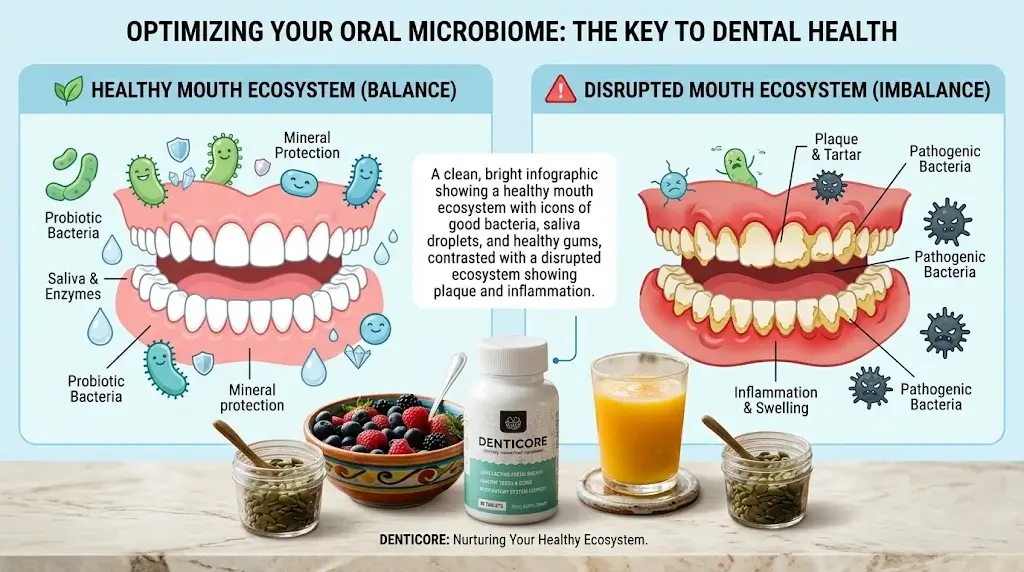
The oral microbiome consists of over 700 species of bacteria, fungi, and viruses. In a healthy state, these microorganisms coexist in a delicate balance, protecting your teeth from decay and your gums from inflammation. This balance is maintained by saliva, which provides antimicrobial peptides and buffers acids.
When harmful bacteria outnumber beneficial ones, a state called oral dysbiosis occurs. Research published by the National Institutes of Health (NIH) highlights that oral dysbiosis is not just a local issue. It is strongly linked to systemic inflammation, cardiovascular disease, and metabolic disorders. The mouth and the gut are directly connected, meaning the health of your oral flora directly influences your digestive tract. By adopting targeted, natural habits, you can shift the environment back to a state of harmony.
10 Evidence-Based Steps on How to Restore Oral Microbiome Balance Naturally
1. Eat Polyphenol-Rich and Prebiotic Foods
Diet is the foundation of microbial health. Polyphenols are plant compounds that inhibit the growth of pathogenic bacteria while feeding beneficial strains. Foods like cranberries, green tea, dark chocolate, and berries are exceptionally rich in these compounds. Additionally, crunchy, fibrous vegetables act as natural toothbrushes. Just as dietary fiber helps regulate digestion, fibrous foods mechanically clean teeth and stimulate protective saliva flow.
- How to do it: Drink 1 to 2 cups of unsweetened green tea daily. Snack on raw carrots, celery, or apples.
- Why it works: A study in the Journal of Agricultural and Food Chemistry shows that cranberry polyphenols prevent Streptococcus mutans from adhering to tooth enamel.
- Coach’s Tip: Brew your green tea and let it cool slightly before drinking to preserve the delicate polyphenols, which can be degraded by boiling water.
2. Incorporate Targeted Oral Probiotics
While we often think of gut health, specific probiotics support oral flora directly. Strains like Lactobacillus reuteri and Streptococcus salivarius K12 are uniquely adapted to colonize the mouth. They compete with harmful bacteria for space and nutrients, effectively crowding out the microbes that cause bad breath and gingivitis.
- How to do it: Take a high-quality oral probiotic lozenge or chewable tablet once daily, preferably right before bed. Allow it to dissolve slowly in your mouth.
- Why it works: Clinical trials noted in PMC demonstrate that L. reuteri significantly reduces gingival inflammation and plaque accumulation.
- Common Mistake: Swallowing the probiotic pill like a standard supplement. It must dissolve in the mouth to colonize the oral cavity effectively.
3. Practice Safe Oil Pulling
Oil pulling is an ancient Ayurvedic practice that has gained modern scientific backing. It involves swishing oil in the mouth to draw out toxins and reduce bacterial load. The lipids in the oil bind to the lipid membranes of bacterial cells, helping to flush them out when you spit the oil away.
- How to do it: Place 1 tablespoon (15 ml) of organic, cold-pressed coconut oil in your mouth. Swish it gently between your teeth for 10 to 15 minutes. Spit it into a trash can (not the sink, to avoid clogging pipes), then rinse with warm water and brush as usual.
- Why it works: Research indexed in the NIH confirms that coconut oil pulling significantly reduces S. mutans counts in plaque and saliva, comparable to some commercial mouthwashes, but without the harsh side effects.
- Coach’s Tip: Start with 5 minutes if 15 minutes feels uncomfortable for your jaw. Gradually build up your endurance over a week.
4. Switch to Microbiome-Friendly Toothpaste
Many conventional toothpastes contain sodium lauryl sulfate (SLS), a harsh foaming agent that can strip away the protective mucosal lining of the mouth and disrupt beneficial bacteria. To rebuild your ecosystem, switch to a gentle, SLS-free formula.
- How to do it: Apply a pea-sized amount, roughly 0.4 inches (1 cm) in diameter, of a nano-hydroxyapatite or SLS-free toothpaste to a soft-bristled brush. Brush gently for two minutes, twice daily.
- Why it works: Nano-hydroxyapatite is a biocompatible material that remineralizes enamel and creates a smooth surface where bad bacteria struggle to adhere, without killing off the good flora.
- Common Mistake: Brushing too aggressively. Hard scrubbing damages the gums and enamel, creating micro-tears where harmful bacteria can hide.
5. Scrape Your Tongue Daily
The tongue’s rough surface is a primary hiding spot for anaerobic bacteria that produce volatile sulfur compounds (VSCs), the main cause of halitosis (bad breath). Brushing your tongue with a toothbrush often just spreads these bacteria around.
- How to do it: Use a dedicated copper or stainless steel tongue scraper. Stick your tongue out, place the scraper at the back of your tongue, and pull it forward to the tip with gentle pressure. Rinse the scraper and repeat 3 to 5 times.
- Why it works: A study in the Journal of Clinical Periodontology found that tongue scraping is significantly more effective than toothbrushing at reducing VSCs and improving overall oral malodor.
- Coach’s Tip: Perform this step first thing in the morning, before drinking water or brushing your teeth, to remove the bacterial biofilm that accumulated overnight.
6. Maintain Optimal Salivary Flow Through Hydration
Saliva is your mouth’s natural defense system. It washes away food particles, neutralizes acids, and delivers calcium and phosphate to repair early tooth decay. A dry mouth (xerostomia) is a breeding ground for oral dysbiosis.
- How to do it: Aim to drink at least 64 to 80 ounces (1.9 to 2.4 liters) of water daily. Sip water consistently throughout the day rather than chugging large amounts at once.
- Why it works: Ensuring you consume adequate essential nutrients support overall tissue health, and proper hydration ensures these nutrients are delivered via saliva to the oral mucosa, maintaining a neutral pH.
- Common Mistake: Relying on coffee or sugary drinks for hydration. Both are acidic and dehydrating, which actively worsens dry mouth and bacterial overgrowth.
7. Limit Refined Sugars and Acidic Beverages
Streptococcus mutans and other cavity-causing bacteria thrive on sucrose. When they metabolize sugar, they produce lactic acid, which demineralizes tooth enamel and creates an acidic environment where beneficial bacteria cannot survive.
- How to do it: Read labels to identify hidden sugars. Limit soda, sports drinks, and candy. Learning to manage cravings without relying on sugary snacks protects your mouth and stabilizes your energy.
- Why it works: The World Health Organization (WHO) explicitly links free sugar intake to dental caries, recommending it be kept below 10% of total daily energy intake, with further benefits seen below 5%.
- Coach’s Tip: If you do consume something acidic or sugary, rinse your mouth with plain water immediately afterward. Wait at least 30 minutes before brushing to avoid scrubbing acid-softened enamel.
8. Breathe Through Your Nose, Not Your Mouth
Mouth breathing is a silent destroyer of oral health. It bypasses the nasal cavity’s natural humidifying and filtering systems, directing a constant stream of dry air over the teeth and gums.
- How to do it: Practice conscious nasal breathing during the day. At night, if you suspect mouth breathing, consider using hypoallergenic mouth tape designed for sleep, or consult an ENT specialist to check for nasal obstructions.
- Why it works: Research in Nature demonstrates that mouth breathers have a drastically different, more pathogenic oral microbiome profile compared to nasal breathers, with higher rates of gingivitis and decay.
- Common Mistake: Assuming mouth breathing is just a harmless habit. It is often a sign of underlying airway restriction that requires professional evaluation.
9. Use Xylitol as a Natural Sweetener
Xylitol is a natural sugar alcohol found in many fruits and vegetables. Unlike regular sugar, harmful oral bacteria cannot metabolize xylitol for energy.
- How to do it: Chew sugar-free gum containing 100% xylitol (aiming for 6 to 10 grams of xylitol per day, divided into 3 to 5 exposures) after meals.
- Why it works: Studies cited by the NIH show that xylitol starves S. mutans, reducing its ability to stick to teeth and decreasing acid production, thereby promoting a healthier pH balance.
- Coach’s Tip: Check the ingredient list on gums. Many products mix xylitol with sorbitol or maltitol, which are less effective for oral health. Xylitol should be the first ingredient.
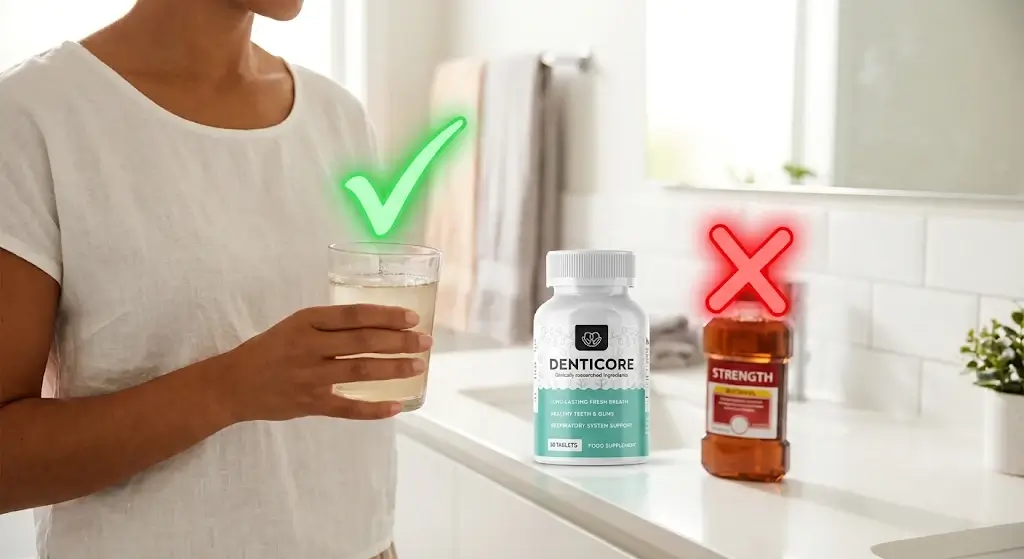
10. Avoid Harsh Antiseptic Mouthwashes
While it seems logical to kill all bacteria to achieve a clean mouth, broad-spectrum antiseptic mouthwashes (like those containing chlorhexidine or high levels of alcohol) act like a nuclear bomb in your oral ecosystem.
- How to do it: Ditch daily alcohol-based mouthwashes. If you need a rinse, opt for an alcohol-free formula with aloe vera, diluted essential oils, or a simple warm salt water rinse (0.5 teaspoons of salt in 8 ounces (240 ml) of warm water).
- Why it works: A landmark study published in Nature Microbiology revealed that regular use of chlorhexidine mouthwash disrupts the oral microbiome, reducing nitrate-reducing bacteria and subsequently raising blood pressure.
- Common Mistake: Using mouthwash immediately after brushing. This washes away the concentrated fluoride or hydroxyapatite from your toothpaste. If you must use a rinse, do it at a different time of day, like after lunch.
How to Put These Habits Into a Daily Routine
Consistency is the key to microbial shifts. You do not need to do everything perfectly every day, but a structured routine builds lasting habits. Use this sample schedule as a template.
| Time of Day | Action Steps | Purpose |
| Morning (Upon Waking) | 1. Scrape tongue (3-5 passes).2. Drink 16 ounces (470 ml) of water.3. Oil pull for 10 minutes (optional but recommended). | Removes overnight bacterial biofilm and rehydrates the system. |
| Morning (After Breakfast) | 1. Brush with SLS-free/hydroxyapatite toothpaste for 2 minutes.2. Chew xylitol gum for 5 minutes. | Cleans food debris, remineralizes enamel, and neutralizes acids. |
| Afternoon | 1. Drink green tea.2. Rinse with water after lunch.3. Snack on fibrous vegetables (carrots/celery). | Provides polyphenols, maintains saliva flow, and mechanically cleans teeth. |
| Evening (Before Bed) | 1. Brush gently for 2 minutes.2. Floss to disrupt interdental biofilm.3. Dissolve 1 oral probiotic lozenge. | Clears daily plaque buildup and seeds the mouth with beneficial bacteria overnight. |
Safety Tips and When to See a Professional
While natural habits are powerful, they are not a replacement for professional dental care. If you experience persistent bleeding gums, loose teeth, chronic bad breath that does not resolve with hygiene changes, or severe tooth pain, you must see a dentist. These can be signs of advanced periodontal disease or infection that requires clinical intervention.
Furthermore, ensuring you have adequate vitamins support metabolic and immune functions is crucial. Deficiencies in Vitamin D, Vitamin K2, and Vitamin C can severely compromise gum tissue integrity, making it harder for your natural routines to succeed. Always inform your dentist about any supplements you are taking. Remember that natural supplements can aid systemic health, but localized dental issues require localized professional care.
Frequently Asked Questions (FAQ)
How long does it take to restore oral microbiome balance naturally?
Most individuals notice improvements in breath and gum sensitivity within 2 to 4 weeks of consistent practice. However, fully stabilizing the oral ecosystem and reversing mild dysbiosis typically requires 8 to 12 weeks of dedicated dietary changes, proper hygiene, and targeted probiotic use.
What foods kill bad bacteria in the mouth?
Foods rich in polyphenols, such as cranberries, green tea, and cocoa, inhibit the growth of harmful bacteria like Streptococcus mutans. Additionally, crunchy, fibrous vegetables like carrots and celery mechanically clean teeth while stimulating protective saliva flow.
Does oil pulling really work for oral health?
Yes, research suggests oil pulling with coconut or sesame oil can reduce plaque and harmful bacteria. The lipids in the oil bind to bacterial cell membranes, helping to flush them out. It is a useful adjunct to, not a replacement for, brushing.
Can probiotics fix bad breath?
Targeted oral probiotics, specifically strains like Lactobacillus reuteri and Streptococcus salivarius K12, can significantly reduce volatile sulfur compounds responsible for bad breath. They work by competing with odor-causing bacteria for space and resources on the tongue.
How does mouth breathing affect oral bacteria?
Mouth breathing dries out oral tissues, drastically reducing saliva flow. Since saliva contains antimicrobial peptides and buffers acids, a dry mouth creates an acidic environment where harmful, cavity-causing bacteria thrive, leading to rapid oral dysbiosis.
What is the best natural mouthwash for the microbiome?
The best natural options are alcohol-free rinses containing xylitol, aloe vera, or diluted essential oils like tea tree. These ingredients soothe tissues and inhibit bad bacteria without wiping out the beneficial flora, unlike harsh antiseptic mouthwashes.
Conclusion: Mastering How to Restore Oral Microbiome Balance Naturally
Mastering how to restore oral microbiome balance naturally does not require extreme measures or expensive treatments. It requires a shift in perspective: viewing your mouth not as a sterile environment to be blasted with chemicals, but as a living garden that needs to be nurtured. By eating polyphenol-rich foods, using targeted probiotics, scraping your tongue, staying hydrated, and avoiding harsh mouthwashes, you create an environment where beneficial bacteria can thrive.
When you support your body naturally, the results compound over time. You will likely notice fresher breath, stronger gums, and a greater sense of overall well-being. Start with one or two changes from this guide, such as adding a tongue scraper to your morning routine or swapping your current toothpaste, and build from there. Your mouth is the gateway to your health; treat it with the care it deserves.